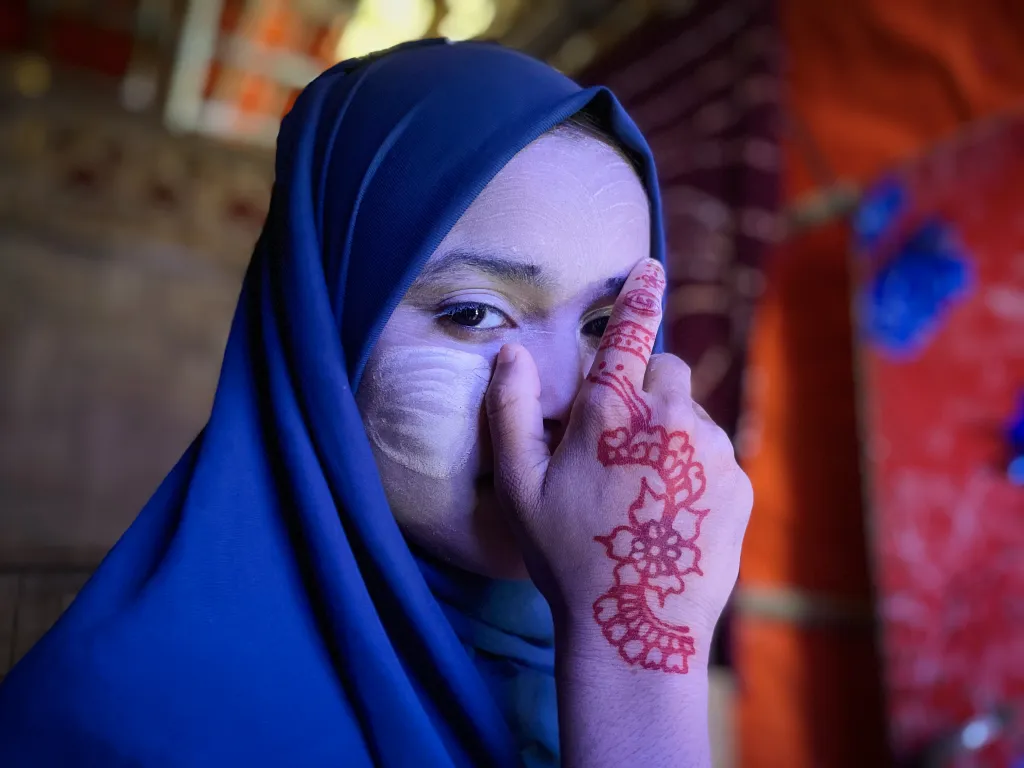
Seven years since more than 700,000 Rohingya people fled into Bangladesh escaping a targeted, violent campaign by the military in Myanmar, almost more than 1.2 million Rohingya people remain in limbo in temporary camp conditions in Cox’s Bazar, Bangladesh. They face disease outbreaks amidst insufficient water and sanitation facilities, little access to education, and an inability to work.
Having faced decades of persecution and being made stateless, the Rohingya express facing a loss of their culture and identity as a people.
The Rohingya refugee crisis
Refugees and displaced persons
At least 1.2 million Rohingya people have been displaced during violent and targeted campaigns led by the Myanmar military, with most fleeing across the border to Bangladesh.
Denied humanity
The Rohingya are stateless and remain one of the most persecuted minorities in the world. Durable solutions are needed to recognise their humanity and right to a future.
Who are the Rohingya?
The current situation
As of August 2024
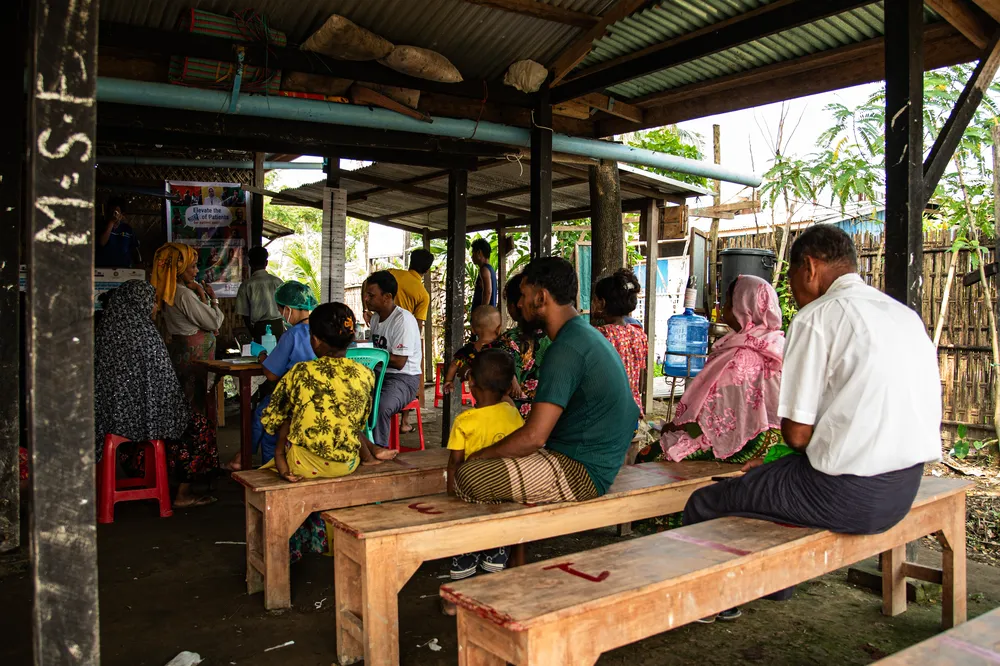
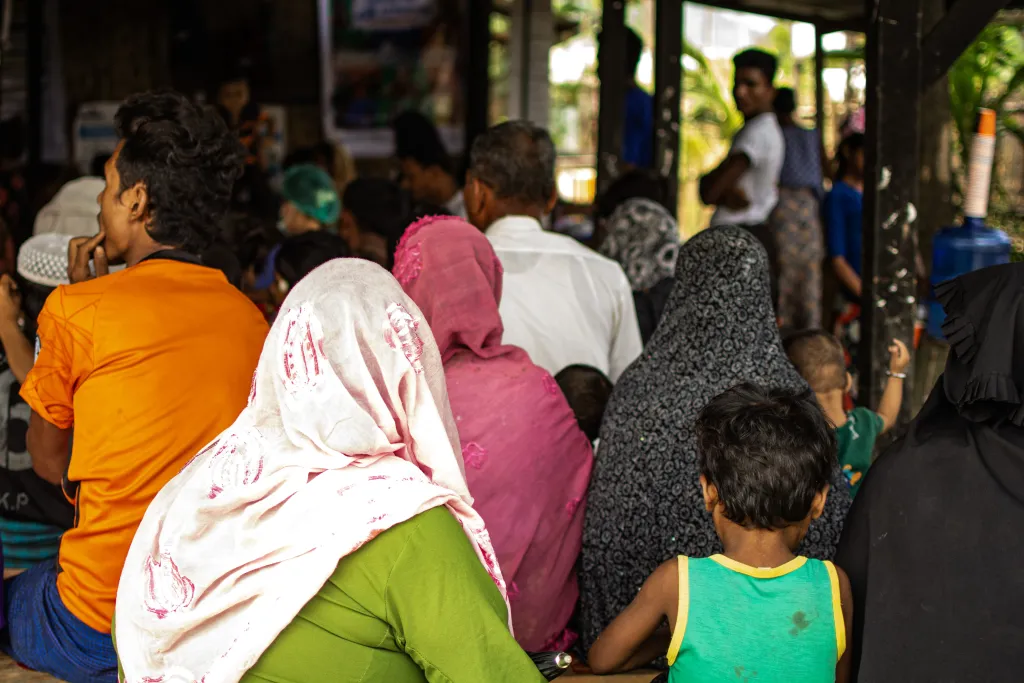
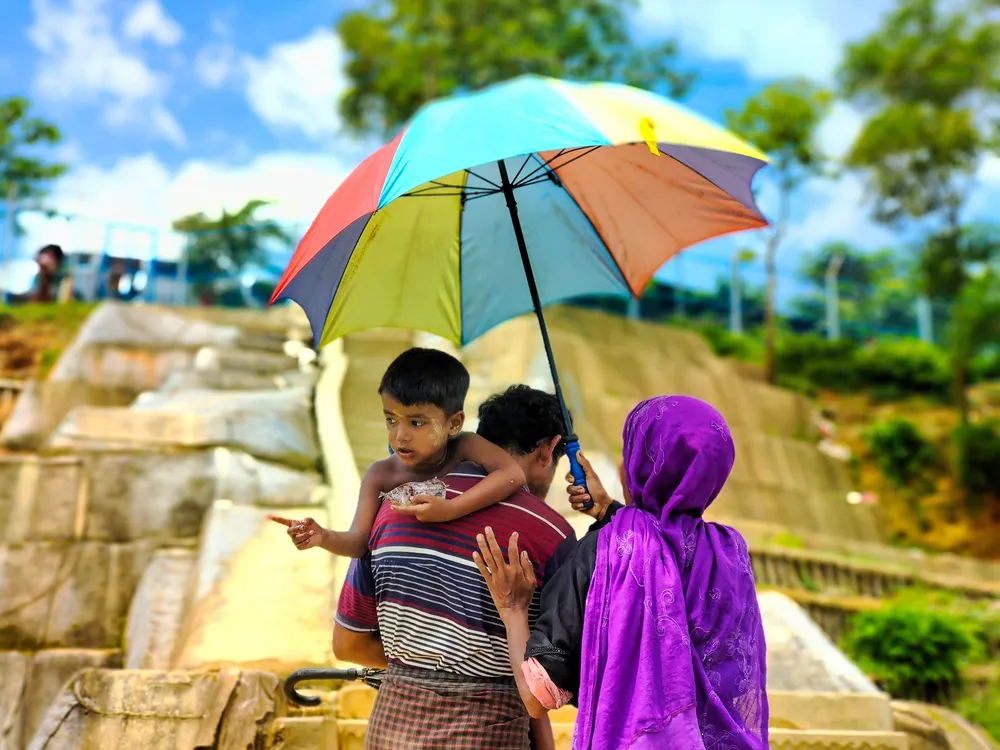
Violent campaigns by the Myanmar military, the largest of which was in August 2017, have forced more than a million Rohingya refugees to flee Myanmar and take shelter in Cox’s Bazar, Bangladesh, in what has become the world’s largest refugee camp. Around half of those in the camps are children.
In northern Rakhine state, where some of the most extreme violence is on-going, access to healthcare is almost non-existent. War-wounded and critically ill people who have no access to healthcare are attempting to seek healthcare over the border in Bangladesh.
Between 5 and 17 August, MSF teams in Bangladesh treated 83 war wounded Rohingya patients; 48 per cent were women and children. These patients, who reported fleeing an attack in Maungdaw and crossing the border, arrived at MSF's facilities with gunshot wounds or maimed from landmine injuries. Others are in critical condition due to a lack of medications to manage life-threatening illnesses such as HIV or tuberculosis. These medicines are no longer available in Rakhine state.
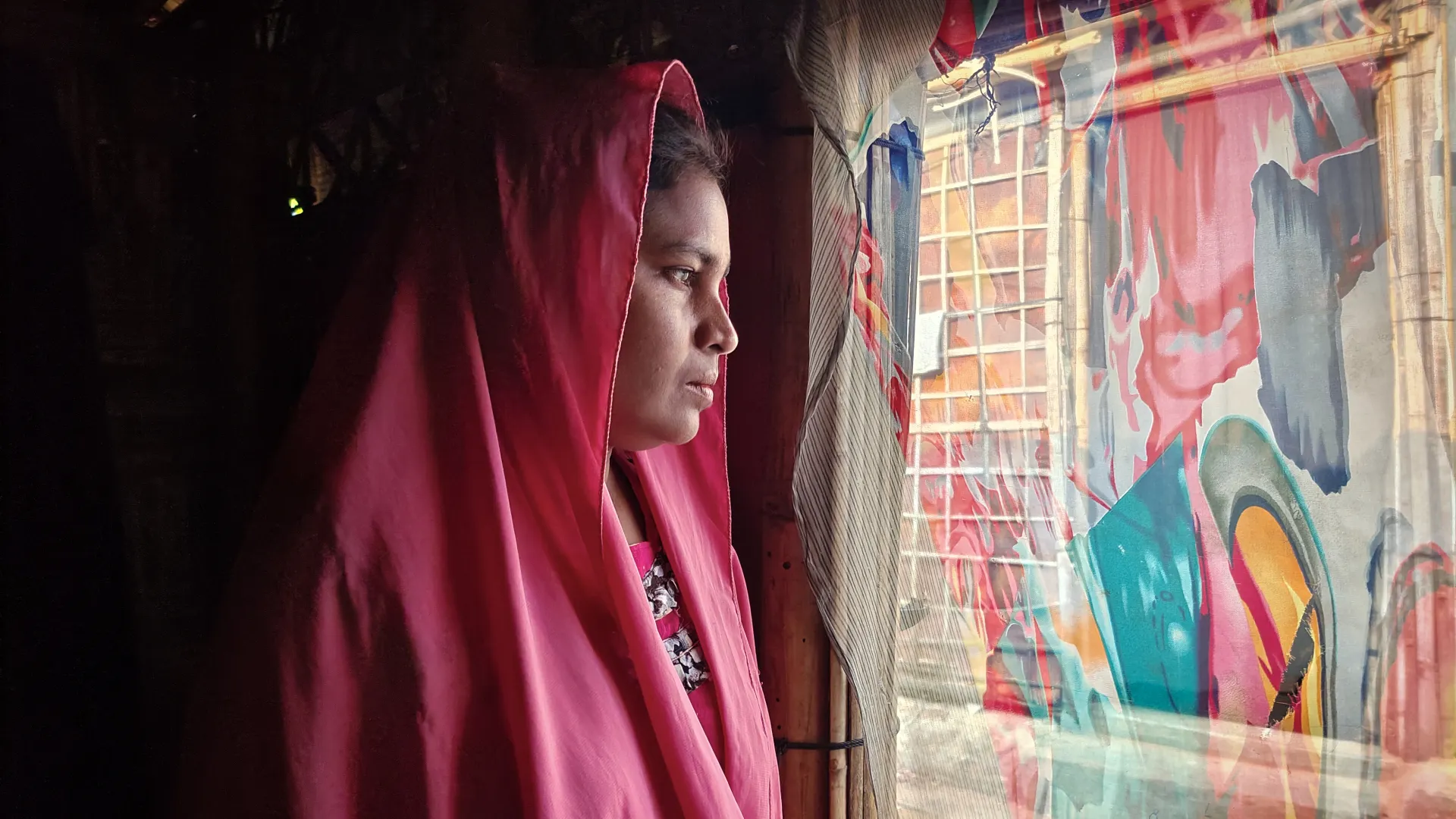
While newly arrived Rohingya people in Cox's Bazar have managed to escape the conflict zone and access some level of medical care, they face an increasingly precarious situation in camps where 1.2 million people are living behind barbed wire fences. Aside from rising violence and kidnapping in the camps, including for forced recruitment to armed groups in Myanmar, many people live in fear and anxiety about what they have experienced, and the fate of their families in Bangladesh and back home.
For many Rohingya refugees in Cox's Bazar, their primary concern is that their children have access to an education, and a future. The Rohingya people living in the camps share stories of struggle and resilience in their lives since being forcibly displaced from Myanmar. They struggle with the increasingly precarious living situation, whilst being denied the right to move freely, access healthcare, work, or education.
MSF is witnessing the impact of reduced global attention on the situation of Rohingya people, as international donor funding has been directed to other crises, and the overstretched humanitarian sector attempts to respond. As well as urgent action to improve the living conditions in the camps, the international community must prioritise long-term solutions for this community that recognise their humanity. Australia has a role to play in leading on durable solutions for this group of people living in limbo in our region.
MSF is calling on the authorities and all actors on both sides of the border to comply with International Humanitarian Law and to urgently prioritise increased, impartial humanitarian and medical assistance to people in need.
How MSF is responding
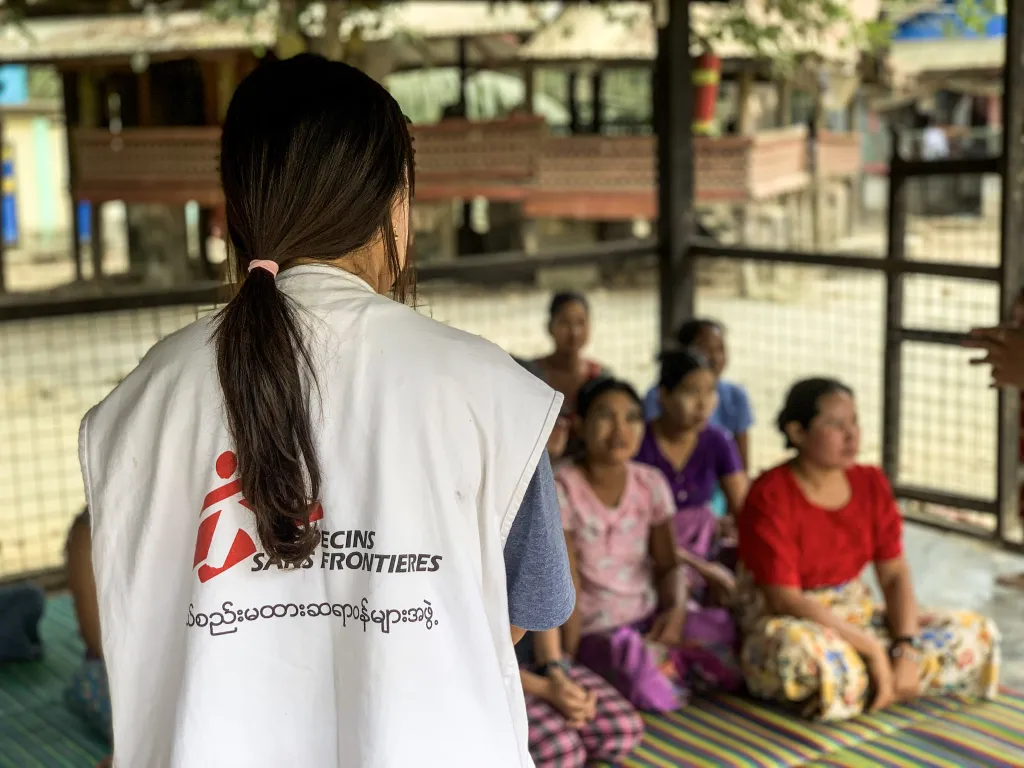
MSF has been providing medical humanitarian aid for Rohingya communities in Bangladesh and Myanmar for more than 30 years. We also currently assist Rohingya migrants with no access to support services in Malaysia.
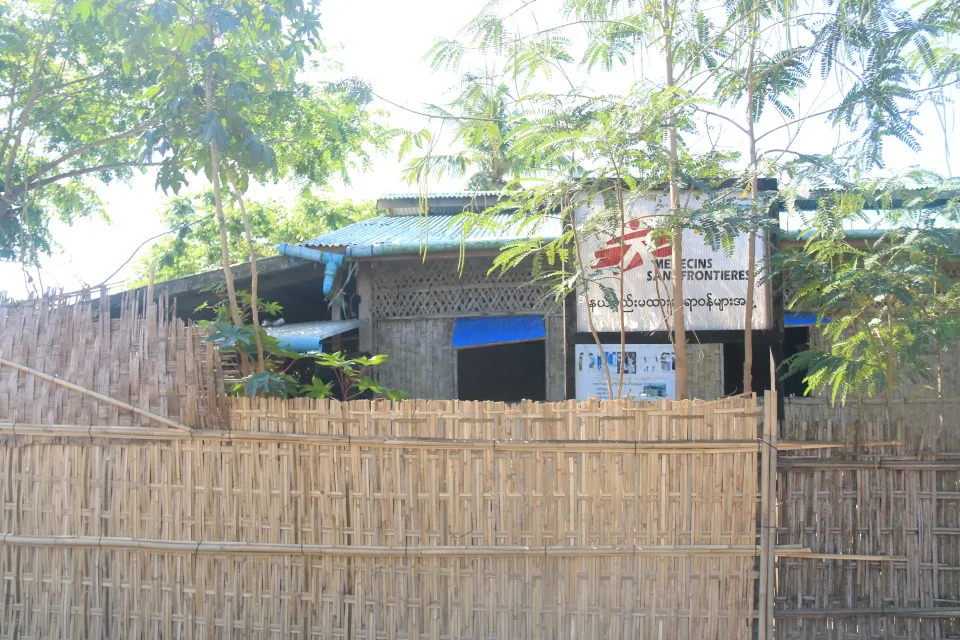
In Bangladesh, we are one of the largest providers of healthcare for Rohingya refugees in Cox's Bazar. Our teams provide a range of activities in and around the camps of Cox’s Bazar, delivering health services for both Rohingya and Bangladeshi communities.
In Cox’s Bazar, MSF manages 10 health facilities, with activities including emergency and intensive care, paediatrics, obstetrics, sexual and reproductive healthcare, and treatment for patients with non-communicable diseases.
During the COVID-19 pandemic, increased restrictions on movement in the camps further hampered access to healthcare and made it harder for patients with ‘invisible’ illnesses—such as psychiatric disorders or non-communicable diseases like diabetes—to prove that they were sick and to travel to medical facilities.
We are struggling and surviving in a challenging situation, while the world is forgetting... We need support; we need the attention of the international community to live, at least, a human life.
Areas MSF is focused on:
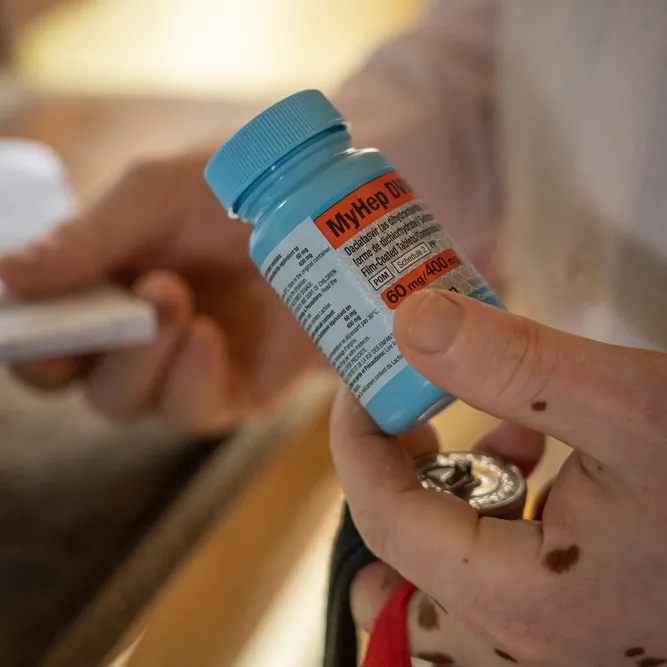
- Vaccination for preventable diseases: The majority of the Rohingya have extremely low immunisation coverage as a result of decades of restricted access to healthcare in Myanmar. We are supporting government initiatives to expand routine vaccinations, administering immunisation for measles, rubella, polio and tetanus according to national protocols.
- Providing mental healthcare: The targeted violence that forced Rohingya refugees to flee their homes in Myanmar, combined with the hazardous journey and the daily stresses of life in the camps, means that many refugees experience flashbacks, generalized anxiety, panic attacks, recurring nightmares and insomnia, as well as illnesses such as post-traumatic stress disorder and major depression. This is further exacerbated by insecurity concerning their future and a lack of decision-making power and control over their own lives. Our teams provide group sessions and individual mental health consultations to help those in the camps process and prioritise their mental wellbeing.
- Treating non-communicable diseases (NCDs): In Cox’s Bazar area, we provide healthcare for NCD patients for both Rohingya refugees and host communities. Currently, more than 2,000 patients are under treatment and in the first nine months of 2021, more than 43,000 consultations were performed at MSF facilities.
- Caring for survivors: MSF teams continue to provide services for survivors of sexual and gender-based violence. Rates of intimate partner and domestic violence are high in the refugee camps in Cox’s Bazar.
- Scabies outbreak: In Cox's Bazar refugee camps, hundreds of thousands of Rohingya people are experiencing a scabies outbreak. This condition, while not fatal, significantly diminishes the quality of life, especially to those who have no proper housing or ability to treat. From January to May 2023, MSF teams have treated approximately 70,000 scabies patients, almost double the number compared to the same period in 2022.
Will you support us?
As an independent and impartial medical humanitarian organisation, Médecins Sans Frontières can respond rapidly to emergency situations and deliver urgent medical treatment to people in need, no matter who they are.
By making a donation, you can help ensure that MSF staff can provide medical assistance during times of crises where it is needed most—with the Rohingya, and with other vulnerable people around the world.