
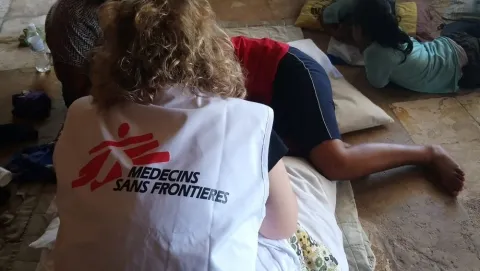
Offshore processing and indefinite detention. Enough is enough.
Asylum seekers and refugees have been held on Nauru and Papua New Guinea since July 2013, with still no end in sight. They have faced years of various forms of detention, uncertainty about the future and a lack of control over even the basic details of their lives.
Australia’s offshore processing system is dangerous, causing devastating mental health suffering.
Australia's detention of refugees and asylum seekers
Refugees and displaced persons
More than 200 refugees and asylum seekers are being held on Nauru and Papua New Guinea under the Australian government's immigration policy. This current system causes severe psychological trauma, in addition to the atrocities many have already suffered.
Neglected people groups
Adequate mental healthcare is largely unavailable to those on Nauru and Papua New Guinea, with overwhelming numbers of people having considered or attempted suicide.
Médecins Sans Frontières (MSF) has provided free, independent mental healthcare to people held under Australia’s immigration policy on both Nauru and Papua New Guinea. We’ve seen firsthand how this system causes severe psychological damage, resulting in self harm and suicide.
We have been calling for an end to this harmful policy for years. Enough is enough.
There are still more than 200 refugees and asylum seekers held on Nauru and Papua New Guinea. It’s time to finally end this inhumane policy, and give these people the chance to settle in a safe country like Australia or New Zealand so they can begin rebuilding their lives.
We’re calling on the Australian Government to:
- Offer permanent resettlement in Australia to all remaining asylum seekers and refugees held on Nauru and Papua New Guinea or detained within Australia
- Accept New Zealand’s offer to resettle 150 refugees and asylum seekers each year from Nauru and PNG
- Actively facilitate third country resettlement for those asylum seekers and refugees seeking it
Ultimately, there is no therapeutic solution for asylum seekers and refugees until they are permanently and voluntarily resettled in a place of safety.
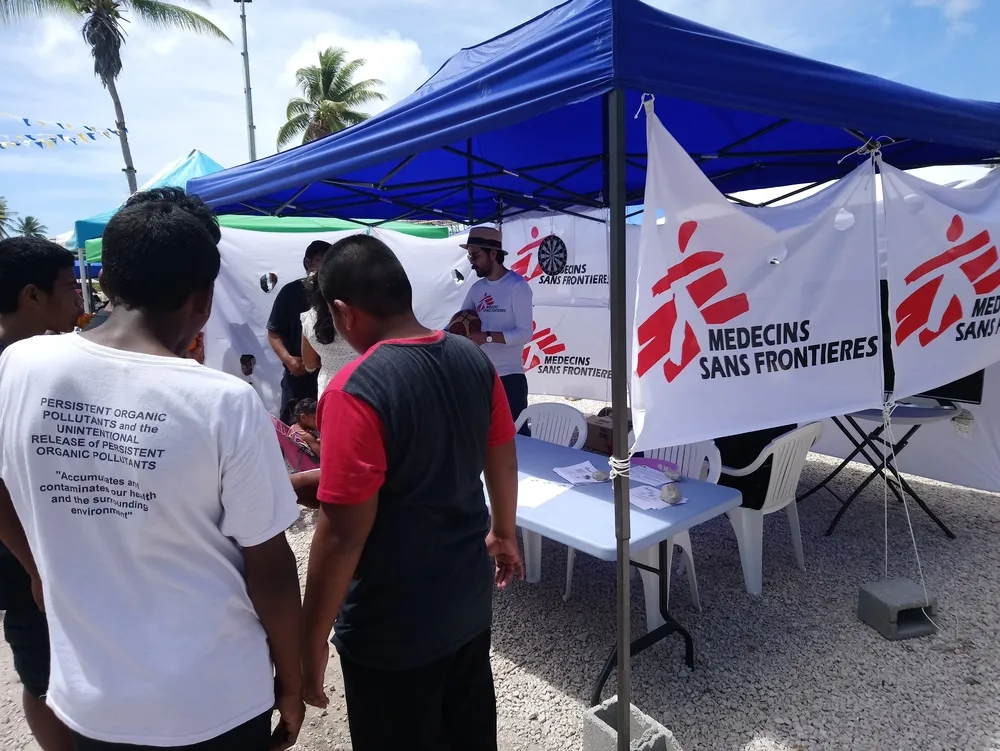
Australia’s offshore processing policy
Under Australian Government policy, any asylum seeker arriving in Australia by boat is sent to offshore ‘processing centres’ on Papua New Guinea or Nauru.
Since 19 July 2013, the Australian Government has stated that even if these asylum seekers are recognised as refugees they are unable to be permanently resettled in Australia. This is despite the fact that seeking asylum is legal, whether by boat or other form of transport, under both Australian and international law. Between July 2013 and December 2014 more than 3,000 people have been sent to Nauru and Papua New Guinea under this policy.
Many refugees have since been resettled to third countries, mainly the USA. However more than 200 refugees and asylum seekers remain in limbo on Nauru and Papua New Guinea, with still no certainty about their future.
More than 1,000 more have been transferred to Australia, mostly for medical treatment, some of whom remain detained in places including hotels and immigration detention centres, or in community detention.
“Often I find myself wishing the boat had sunk…that I had drowned rather than endure these past seven years. I have so few choices, I feel I am in prison."
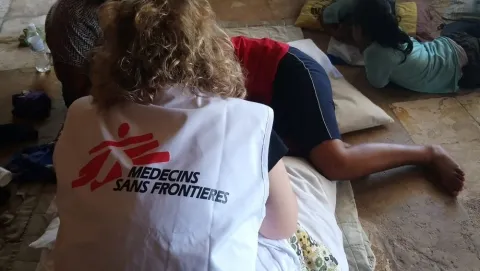
How has MSF supported refugees in Papua New Guinea and Nauru?
How has the policy affected people’s mental health?
Australia’s ‘offshore processing’ of asylum seekers and refugees is an undeniably harmful policy with devastating mental health impacts. After providing mental healthcare to patients on Nauru and PNG, MSF is deeply concerned by the persistent, and in many cases deteriorating, levels of mental health distress.
“In offshore detention, for hundreds of people who were only seeking a peaceful life, a life free of persecution, there is no end. I witnessed people become immobilised by depression and helplessness.”
How is the coronavirus pandemic affecting this group?
Papua New Guinea recorded a surge in coronavirus cases in early 2021, with several refugees infected. MSF is concerned about the inadequate access to testing and healthcare, particularly as the Australian government has a responsibility to ensure that asylum seekers and refugees held under their policy receive quality medical care.
Nauru has recorded no coronavirus cases to date.
The closure of international borders has also caused distress, particularly when resettlement options are already so restricted, although some resettlement has continued throughout the pandemic. Many are concerned about family members in countries with high case numbers, such as Iran. In addition, the lockdowns have been retraumatising as people recall the confinement in detention centres that they have experienced.
Some asylum seekers and refugees who have been medically evacuated to Australia are also concerned that their accommodation puts them more at risk during the pandemic. For example, some are detained in hotel accommodation where they are forced to share rooms and communal living spaces, making it impossible to comply with social distancing guidelines.
“I have no energy to think or make a decision. They make decisions for me, they think for me."
What needs to happen?
MSF has consistently called for an end to Australia’s harmful offshore processing policy and for permanent resettlement for all asylum seekers and refugees still held on Nauru and Papua New Guinea. While mental healthcare can help stabilise patients and relieve some symptoms, it won’t provide a ‘cure’ while the stressor of indefinite detention remains.
After so many years of suffering, enough is enough.
The Australian Government still seems to have no clear plan to resettle the remaining refugees and asylum seekers held offshore and onshore. Keeping refugees and asylum seekers in closed detention, separated from their families, adds to their mental distress. We encourage the Australian Government to continue to release asylum seekers and refugees from closed detention into community detention as a less-harmful alternative.
With the COVID-19 pandemic further limiting international resettlement options, and with the group of asylum seekers and refugees held offshore now numbering only around 200, it is time for the Australian Government to end their policy and:
- Take up New Zealand’s offer to resettle 150 refugees or asylum seekers each year from those held on Nauru and Papua New Guinea
- Offer permanent resettlement in Australia to all remaining asylum seekers and refugees held on Nauru and Papua New Guinea or detained within Australia
- Actively facilitate third country resettlement for those asylum seekers and refugees seeking it .
How can I help?
While Médecins Sans Frontières is not currently permitted to provide treatment on Nauru, we are still providing assistance to thousands of other refugees and asylum seekers who have been displaced from their homes through conflict and disaster. Our staff provide essential healthcare and psychosocial support to refugees in countries like Syria, Ethiopia, and Bangladesh.
Can you help increase our capacity to assist refugees and displaced people around the world?