Kiribati: MSF provides paediatric support
Médecins Sans Frontières/Doctors Without Borders (MSF) is providing paediatric support on Kiribati as the remote Central Pacific nation finds itself without any specialist paediatricians, and one of the highest mortality rates in children under five globally.
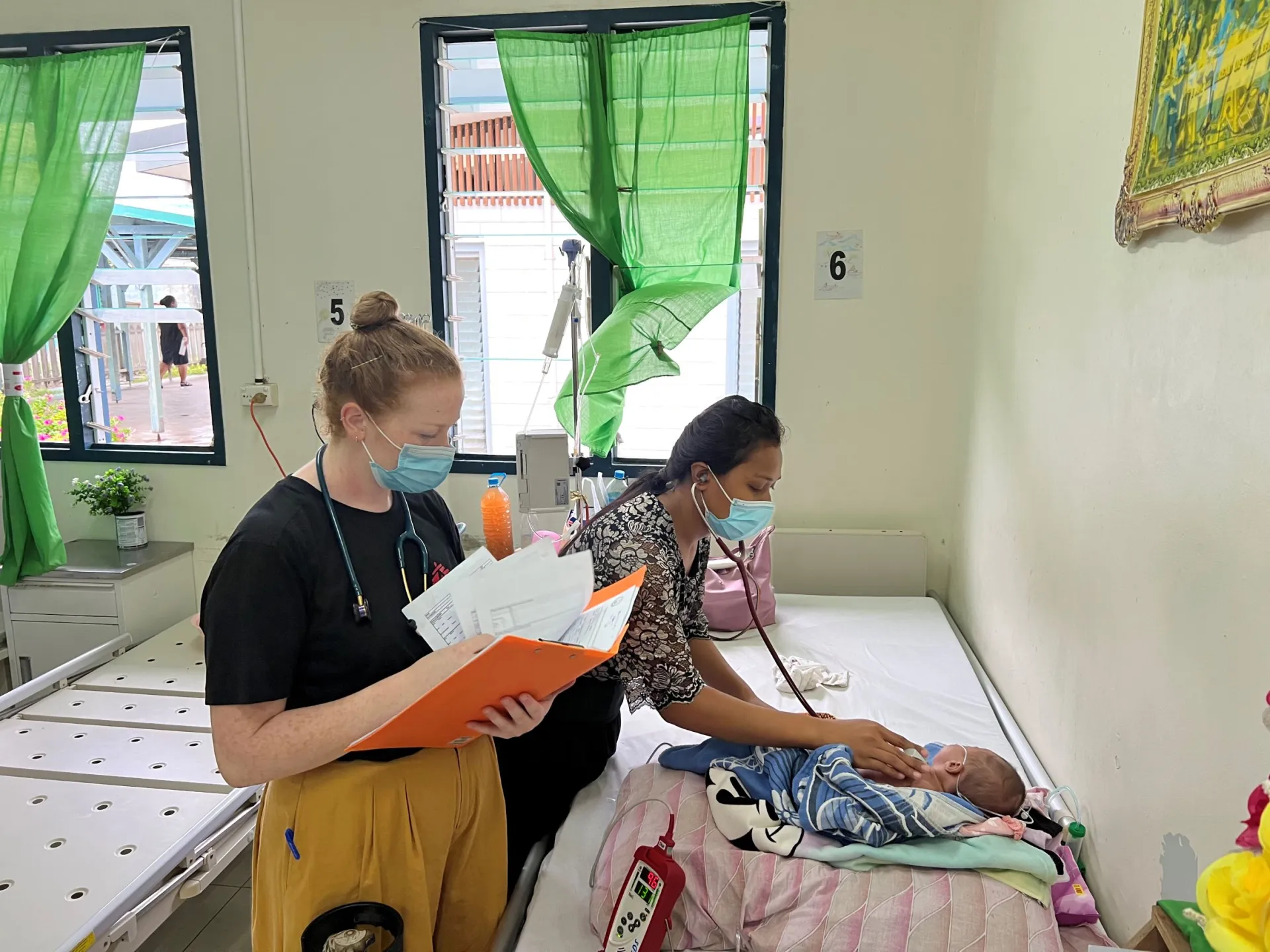
Kiribati’s Ministry of Health and Medical Services, approached MSF with an urgent request for temporary paediatric support, after its last remaining paediatrician left the country. The country’s remoteness has proven a barrier for i-Kiribati doctors wanting to access postgraduate training and upgrading to specialised areas such as paediatrics which can only be accessed at great expense offshore.
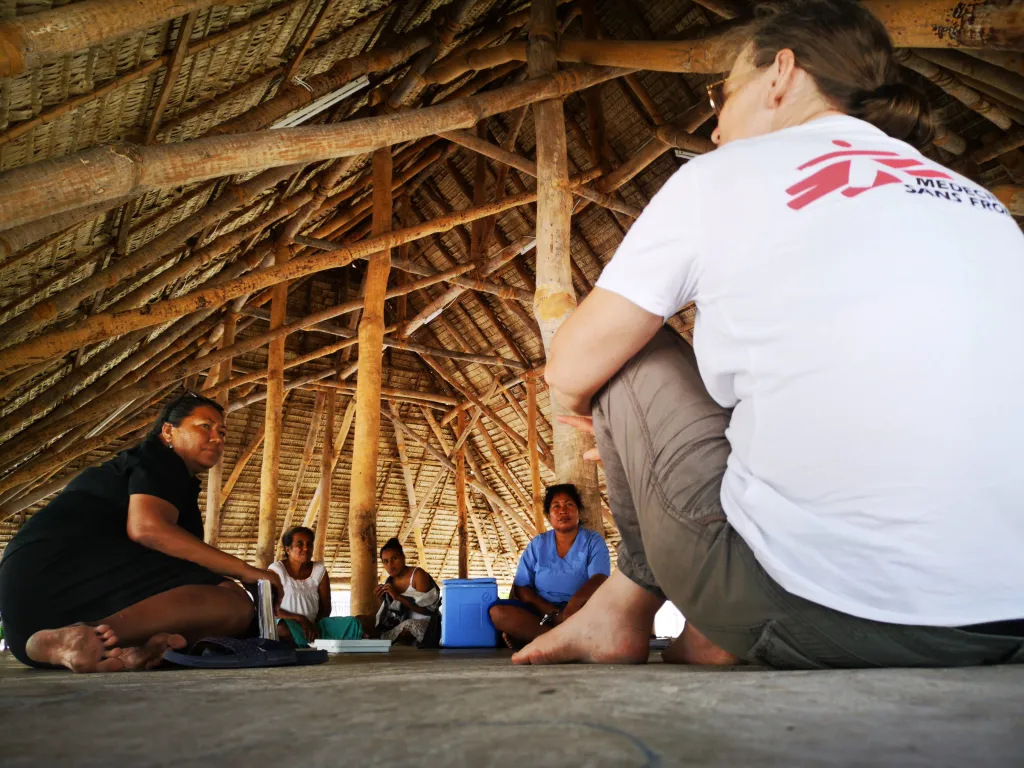
MSF paediatrician Dr Amor-Robertson has worked in Kiribati with the Ministry of Health and medical services to develop programs to improve the care of mother's and babies.
The impact of climate change
Dr Joanne Clarke has worked at the national referral hospital, Tungaru Central Hospital, in Kiribati’s capital. She has previously been on assignment for MSF in South Sudan and Afghanistan, and said it was hard to escape the stark connection between the increasing impact of the climate crisis on Kiribati and the declining health of the country’s children.
With the country covering an immense geographical area – mostly ocean – access to healthcare is often difficult. Kiribati has one of the lowest rates of access to primary care making pregnant women and children particularly vulnerable.
Children with malnutrition are so vulnerable that an episode of diarrhoea is enough to tip them over to the point where they need hospital care.”
Dr Clarke explains “the encroachment of the sea on Tarawa means that even in the capital people are living in increasingly overcrowded and unsanitary conditions. The high salination of the water means people can’t grow fresh vegetables or easily access clean water, and in turn the poor diet means there are high rates of diabetes, coexisting with increasing rates of malnutrition, especially in children.”
The low water table in the area and ground level wells, recent heavy rains had led to an outbreak of paediatric diarrhoea that was putting some malnourished children at extreme risk.
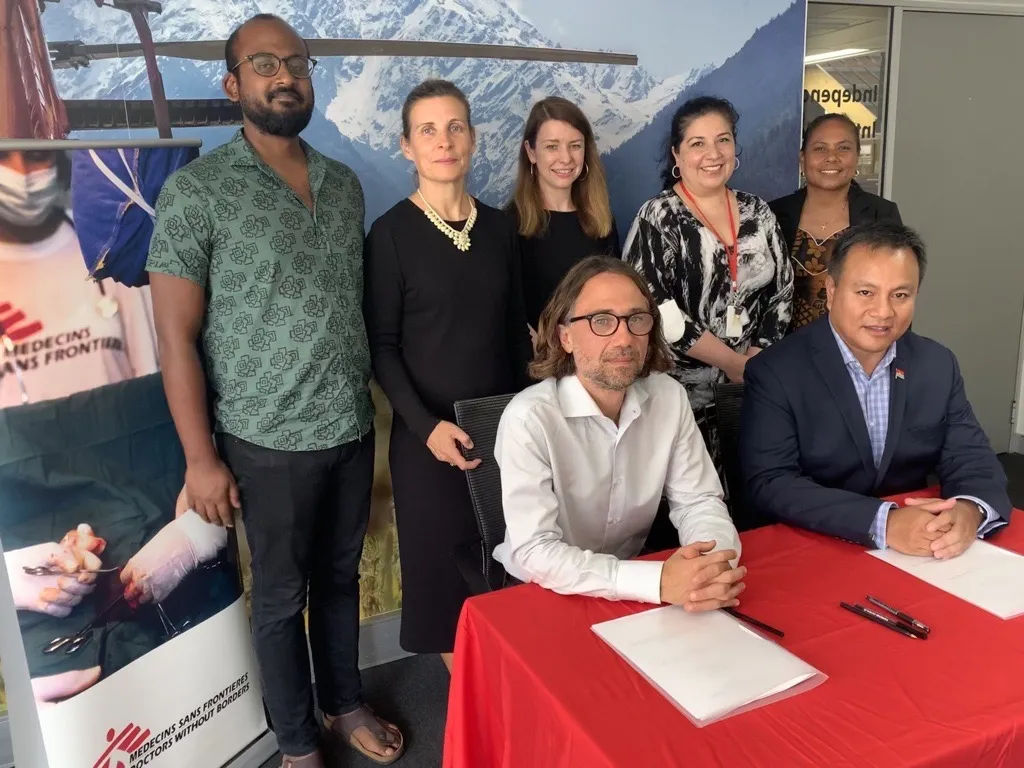
MSF’s medical humanitarian assistance in Kiribati was formalised in October 2022. MSF is supporting maternal and neonatal health on the main island of Tarawa, as well as on the remote Southern Gilbert Islands.