Maternal Mortality: Bringing new life into the world shouldn’t end with death
Every two minutes, a woman dies from pregnancy or childbirth complications worldwide – even though most maternal deaths are avoidable. When women have access to timely and appropriate obstetric care their outcomes improve dramatically.
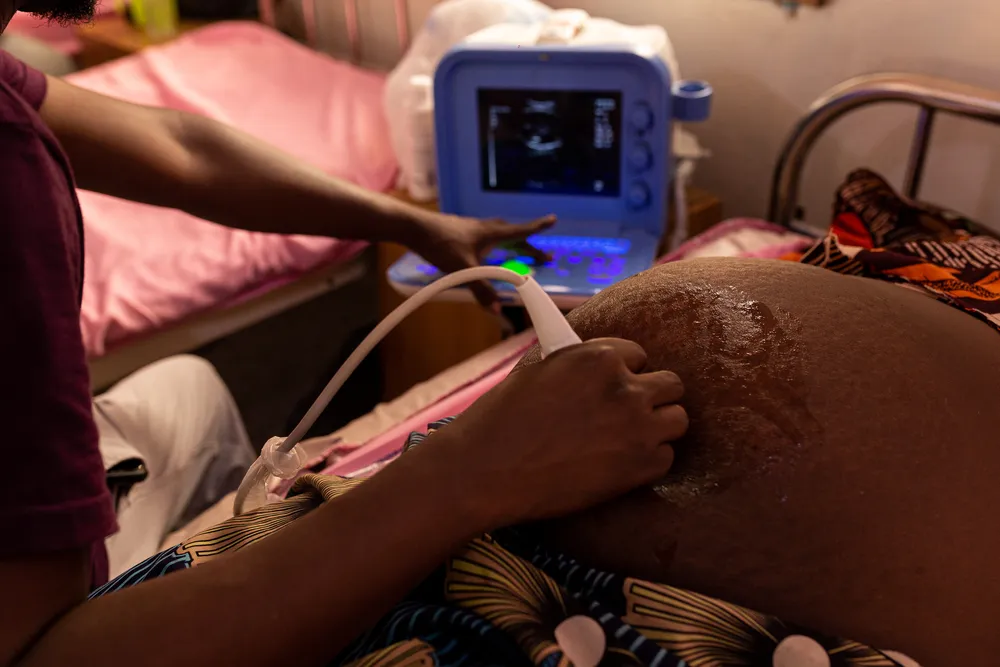
More than 700 women died each day from pregnancy and childbirth complications in 2023, according to a 2025 UN report. Most of these women lived in low- and middle-income countries and did not receive the care they needed. On top of that, pregnant women are especially vulnerable during wars, natural disasters, displacement, and extreme violence.
Most causes of maternal mortality are similar in many different contexts, which means they are not linked to specific issues related to a particular country. Instead, they are usually the result of structural shortcomings and negligence.
Raquel Vives, a midwife and sexual and reproductive health expert with Médecins Sans Frontières/Doctors Without Borders (MSF), says maternal deaths often go unseen.
“The key is ensuring as many women as possible can give birth in a health facility with skilled birth attendants. But in many places where we work, resources barely function even for uncomplicated deliveries. Eventual further humanitarian funding cuts will only deepen the crisis, putting thousands of women and newborns at greater risk,” says Vives.
These are not inevitable tragedies – most could be prevented with timely care.
The three deadly delays
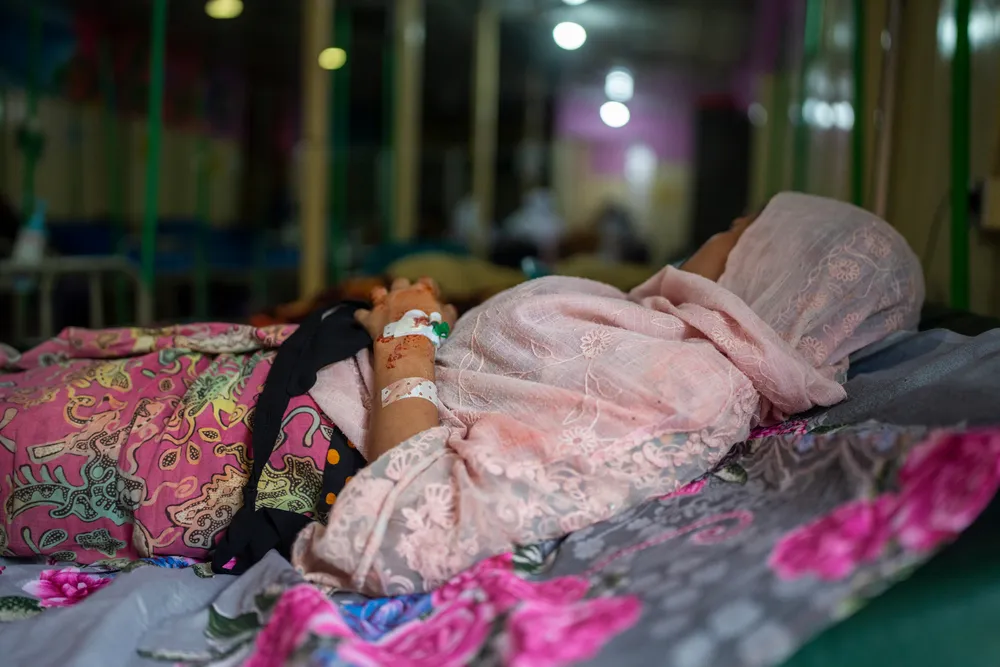
Maternal deaths are often linked to the “three delays” which are impediments to:
- deciding to seek care
- reaching a healthcare facility, and
- receiving timely treatment.
Delays in seeking medical care are often related to cultural issues, such as a lack of women’s autonomy to take decisions about their health, and myths about procedures such as caesarean sections.
Many women cannot reach medical care on time, or at all, even when they try, mostly due to insecurity and financial barriers. A key factor in this delay is often the unavailability of functional basic healthcare facilities relatively close to where they live. This gap in healthcare outside of bigger hospitals can prevent them from accessing antenatal care and the benefits of early detection of potential complications.
MSF endeavours to address these issues in several ways, including informing women about the benefits of safe delivery and pregnancy-related risks, and in some contexts providing access to waiting homes for women with identified risk factors so they can be monitored and supported close to a health centre before delivery.
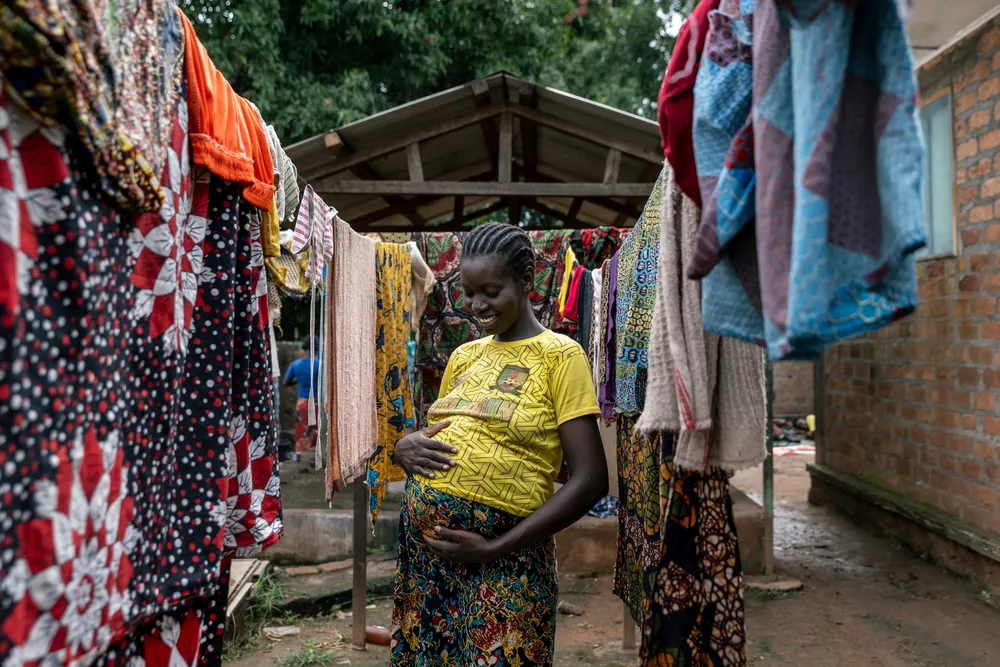
Having access to a waiting home made all the difference for Alida Fiossona, who was expecting her third child at Bignola, a maternity waiting home set up by MSF next to the Batangafo hospital in Central African Republic (CAR). Women with identified risk factors are referred to Bignola for free medical monitoring, guidance and support as the time for giving birth draws near. Yet women can face social stigma for adopting this precautionary approach, as Alida reveals, “Some people mock and marginalise those who come to the waiting home. But my health is more important - their opinions don’t matter.”
If you give birth at home, you’re seen as a strong woman. If you go to hospital, you’re not.
Ruth Mbelkoyo, an MSF staff member says “Before this maternity home was set up... Many women lost their babies on the way to distant health centres. Some even lost their own lives. I remember one woman from Kabo [a town 60 kilometres from Batangafo] who had lost her first three pregnancies. For the fourth, she came to the hospital and was able to deliver her baby safely.”
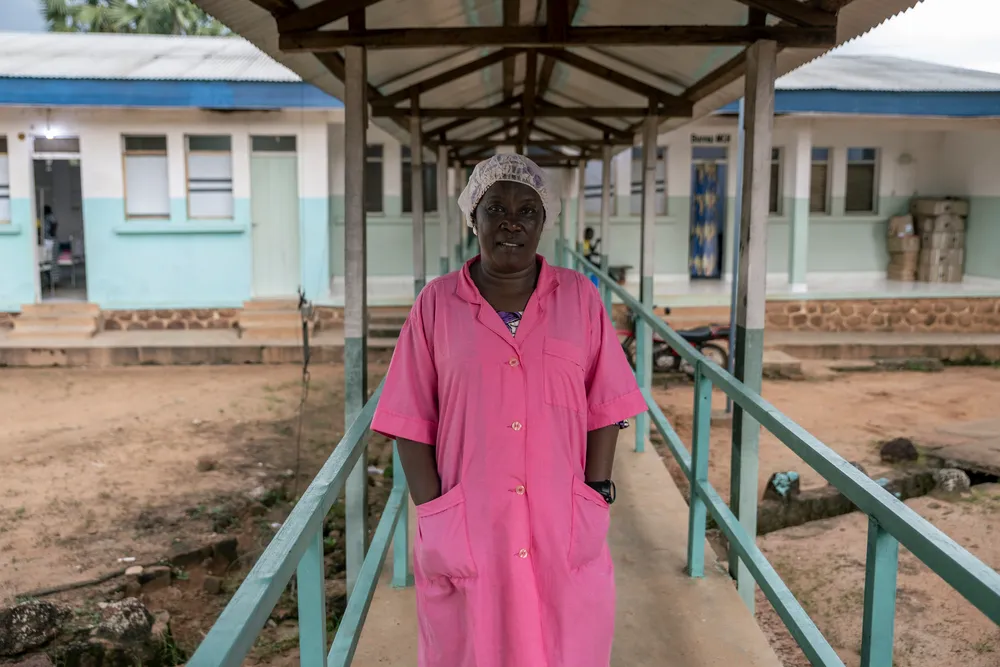
In many contexts, language can be yet another obstacle for expectant mothers. At Batangafo hospital, midwife Emmanuelle Bamongo says that many women are reluctant to seek formal medical care for fear of being mocked for not speaking Sango, the dominant language.
That was the case for Honorine Dilyo, who has been pregnant 10 times, though only six of her children survived. She moved to Bignola waiting home, marking the first time she would go to a hospital to give birth. “We have no money. To go to hospital, you need clothes for yourself and the baby – but we couldn’t afford even that. And I don’t speak Sango,” Honorine explains.
In 2024, the total number of deliveries assisted by MSF, including caesarean sections, increased by nine per cent compared to 2023, reaching 369,000 - more than 1,000 per day. Nigeria, CAR and Bangladesh accounted for about 15 per cent of these deliveries.
Preventable complications are a real threat
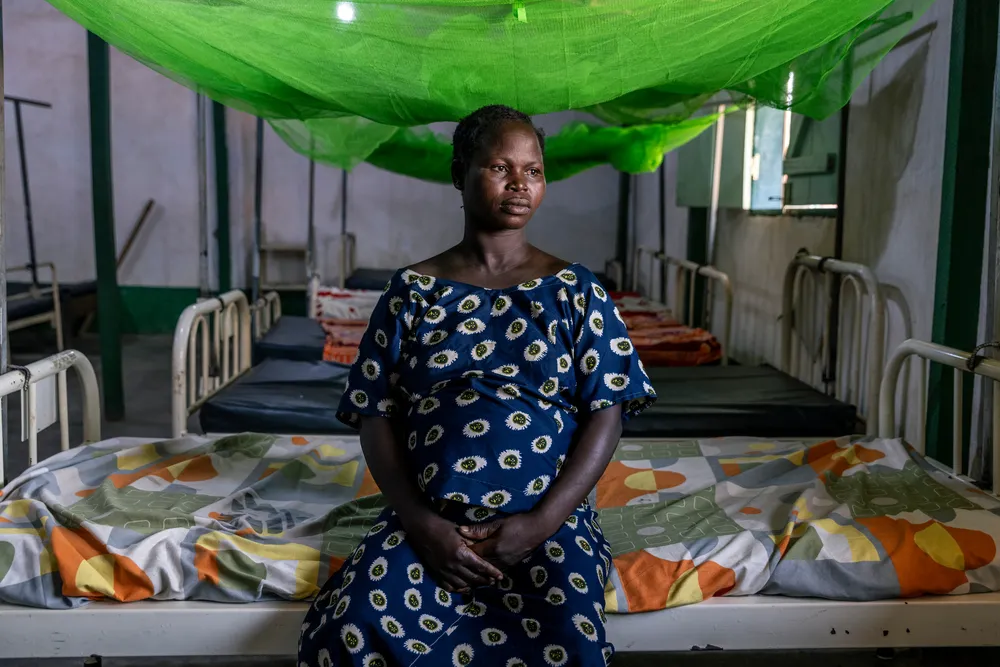
Many of the complications that threaten the lives of pregnant women and girls are preventable. The leading causes of death are haemorrhage (severe bleeding after childbirth), sepsis (infections), high blood pressure related complications during pregnancy (such as pre-eclampsia and eclampsia), complications from delivery and unsafe abortion. Lack of prompt treatment and delays in accessing care increase the risk of severe illness as well as death.
Undiagnosed hypertension can lead to eclampsia. Madina Salittu, a midwife at the MSF-supported Shinkafi General Hospital in northern Nigeria explains: “Sometimes hypertension is linked to insecurity, fear and anxiety. Many women don’t have access to antenatal care, and their blood pressure is not monitored.”
Anaemia is a major risk factor linked to several obstetric complications. “If we receive 90 pregnant women, it’s likely that 70 will be anaemic, which increases the need for blood transfusions,” adds Patience Otse, MSF’s midwife supervisor in Shinkafi.
Unsafe abortions
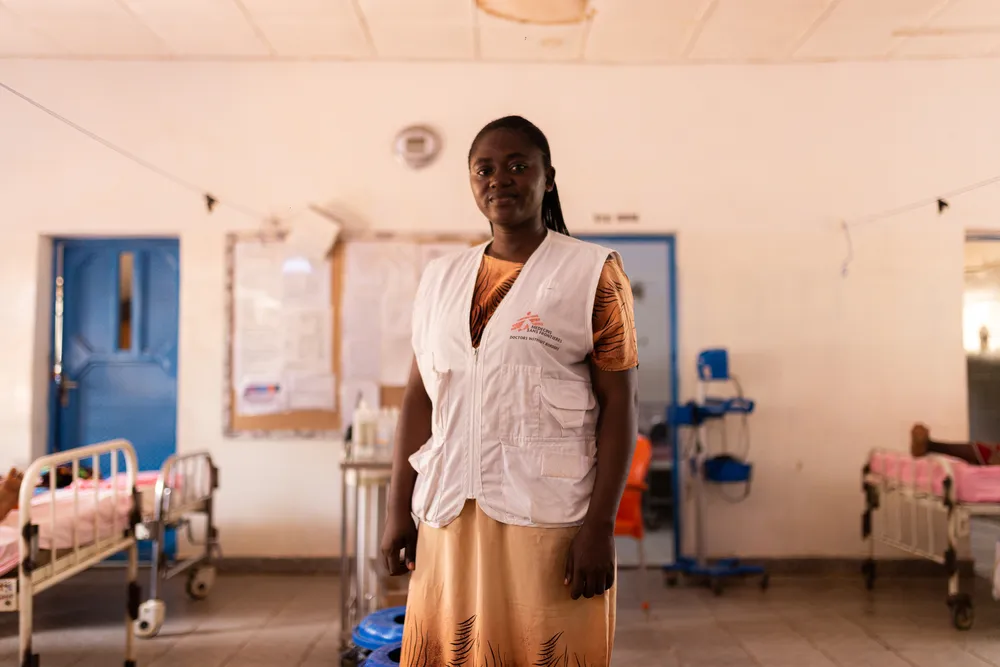
Unsafe abortions are a serious threat to women’s health in many countries where MSF works. They are both a medical emergency and a major public health issue. Several factors including restrictive laws, stigma, lack of contraception, and limited health services push many women to unsafe methods. Often, they’re completely alone, or relying on someone untrained, in conditions that are dangerous.
“In many of our projects, we regularly treat women with severe, life-threatening complications after abortions carried out by themselves or untrained individuals in unhygienic conditions,” says Vives.
In MSF projects we see the consequences every day: women arriving with heavy bleeding, severe infections, perforated uterus, even injuries to other organs. Some women don’t survive. Others live with long-term complications, infertility or chronic pain, and most of these women are already in vulnerable situations, with very little autonomy and no safe alternative.
What is even more concerning is how invisible this problem is. We only see the women who manage to reach us, but many others never make it to a health facility, and the consequences are highly underreported.
One of the most significant – yet often overlooked – causes of maternal mortality is unsafe abortion. When it is not fatal, it can still lead to long-term consequences such as infertility and chronic pain.
MSF considers access to safe abortion care as a critical part of comprehensive reproductive healthcare, one that reduces maternal mortality and suffering. Providing sexual and reproductive health services, including safe abortion care and post-abortion care, has long been part of our health programming.
In 2024, MSF provided a total of 63,200 safe abortions, marking a 16 per cent increase compared to 2023.
Three women, two continents, shared experiences
In many countries where MSF works, such as Nigeria, CAR and Bangladesh, violence, poverty and insecurity limit access to healthcare – especially for women. Cuts in healthcare funding can create further barriers, as some countries are starting to charge for services that used to be free. Reaching healthcare services can also involve long, dangerous and costly journeys – one of the three deadly delays.
Hermina Nandode lives in CAR, Mahmuda Murjanatu in northern Nigeria, and Sabera is a Rohingya refugee in Bangladesh. Though they live in vastly different places, and will likely never meet, the struggles they have faced simply for being pregnant bring them closer together.
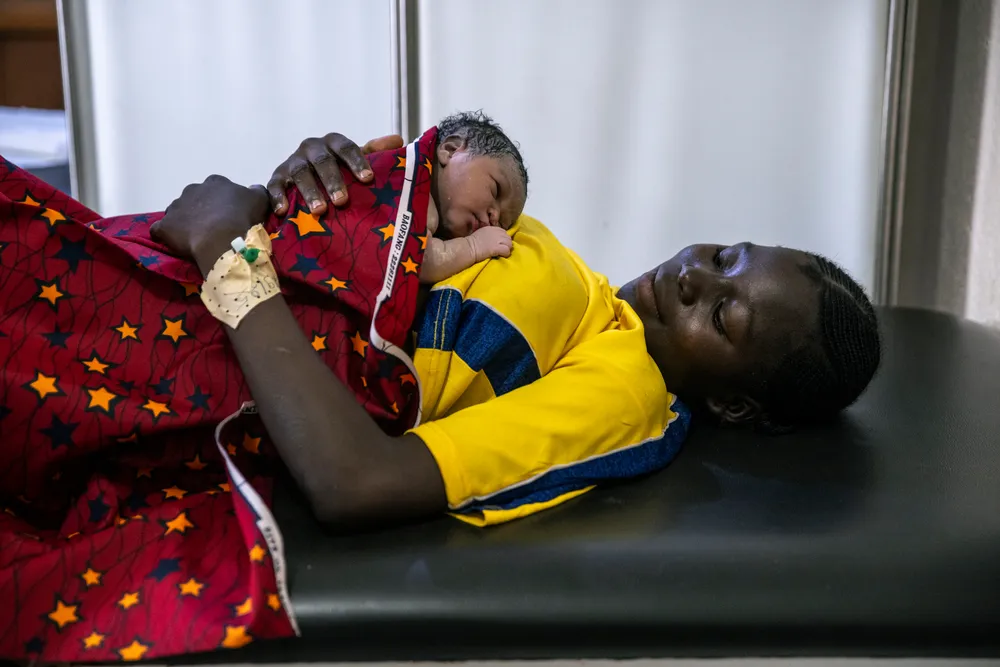
“I walked from five to nine in the morning. I had to come alone - my parents arrived the next day. My husband wanted to come, but his bicycle broke down,” says Hermina, cradling her baby wrapped in a colourful blanket. She received maternity support at the MSF-supported Batangafo hospital in northern CAR, where some women travel up to 100 kilometres to receive medical care during pregnancy.
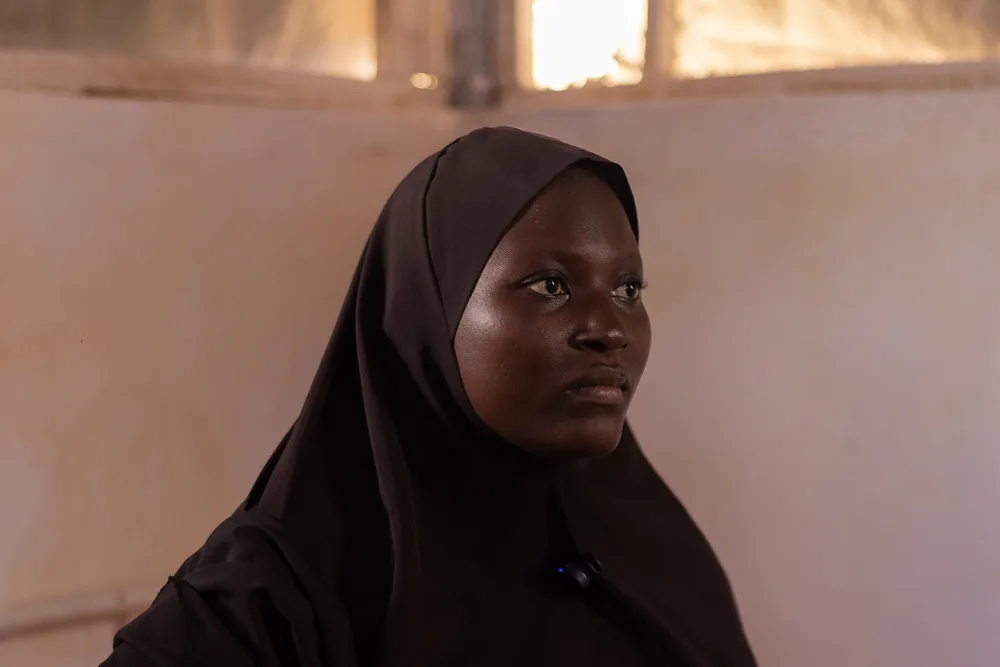
In northern Nigeria, Mahmuda Murjanatu waited at Shinkafi General Hospital before being transferred to a referral hospital to treat her severe anaemia. She delayed seeking care due to the cost, even for basic pregnancy check-ups. “If you don’t have money, you can’t even go for antenatal consultations. No one will see you unless you pay.” Some women travel more than 200 kilometres to Shinkafi to access MSF’s free services.
In Cox’s Bazar, Bangladesh, Sabera shares a similar experience. “Sometimes we have to sell household items or borrow money to get to the hospital in a medical emergency.” Now close to delivering her sixth child, she highlights one of the social barriers many women face: “Some husbands allow their wives to go to hospital, but others don’t.”
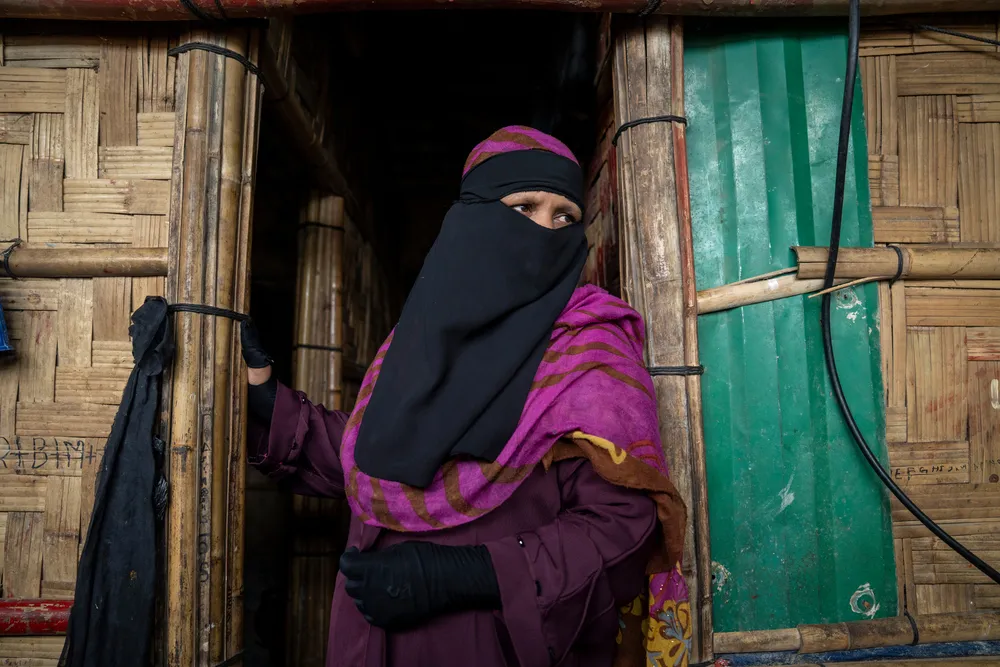
A woman can be suffering at home, even bleeding or facing a serious complication, but she is not allowed to go to hospital without her husband’s permission.
“Sometimes the husband is not even home, so she has to stay home and wait for him to return,” says Otse.
These women’s stories echo one another. So do the diagnoses from the health workers who care for them, who see first-hand the impacts of the three delays. “The difficulties begin with limited access to obstetric care due to the lack of health centres,” says Nadine Karenzi, medical lead for MSF in Batangafo. “Then there’s the distance between villages and clinics, the lack of transport, insecurity, and the cost of travel.” Some health centres only operate until early afternoon. And in some cases, due to insecurity, there’s no available trained staff or drugs to de administered.
Providing maternity care beyond the delivery room
Our work goes far beyond the delivery room. “We use decentralised models of care,” says Otse. “Our teams can’t always reach the women who need us, so we work with traditional birth attendants and community midwives who help with deliveries and refer complicated cases to primary health centres and this hospital.”
Vives adds: “When complications arise, speed is critical – but predicting them isn’t always possible.”
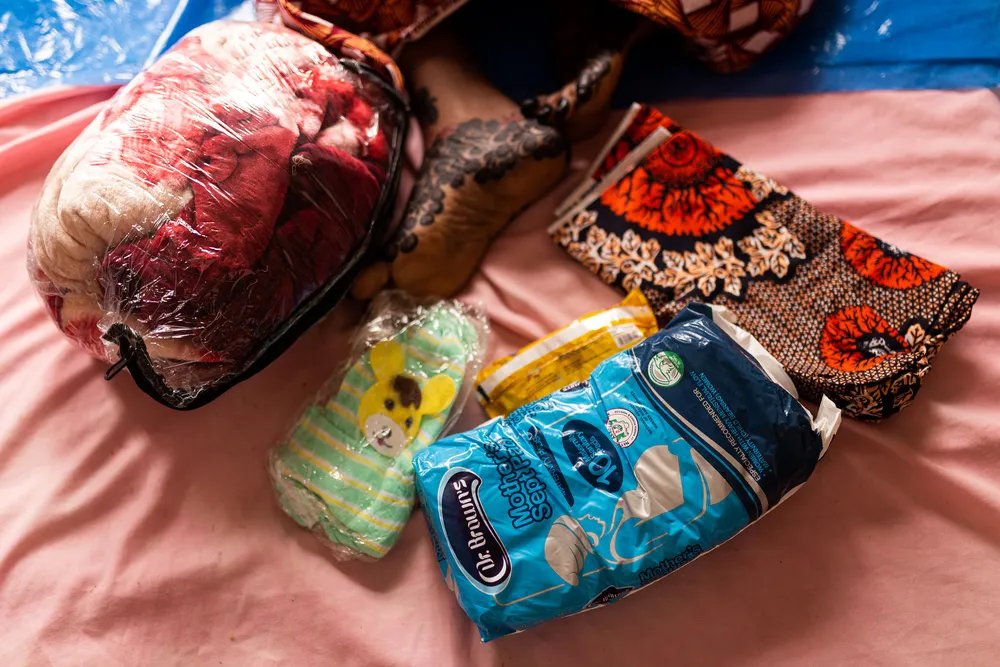
In Shinkafi, “MSF covers many needs - from food and medicine to surgery when needed. Transport is also provided, both to the hospital and back to their communities,” adds Madina. Where possible, MSF supports peripheral health posts to refer women with complications and operates a network of motorbike riders to navigate the difficult terrain of remote areas.
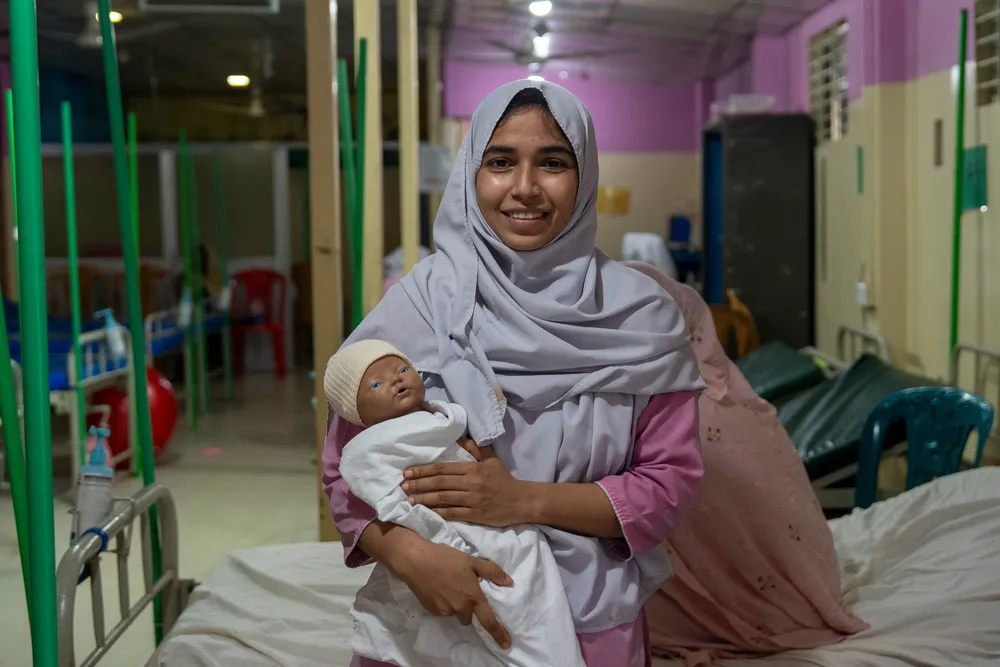
MSF’s work supporting expectant and new mothers goes beyond treatment. “We also try to raise awareness about family planning during antenatal consultations,” says Dinatunessa, a midwife at the MSF Goyalmara Mother and Child Hospital in Cox’s Bazar. “We do our best to explain the benefits of spacing pregnancies and the methods available, but some women have little support from their husbands on this matter.”
“Maternal mortality,” reflects Vives, “points to many factors that generally threaten women’s health and rights - factors that often remain in the shadows. Beyond the obvious impact on the survival of their children, every mother who dies makes those same risks even harder for the next generation. Gender inequality further exacerbates these risks, as women often lack the autonomy, resources, or decision-making power needed to access timely and safe care.”