Working towards team cohesion in one of MSF’s most challenging roles
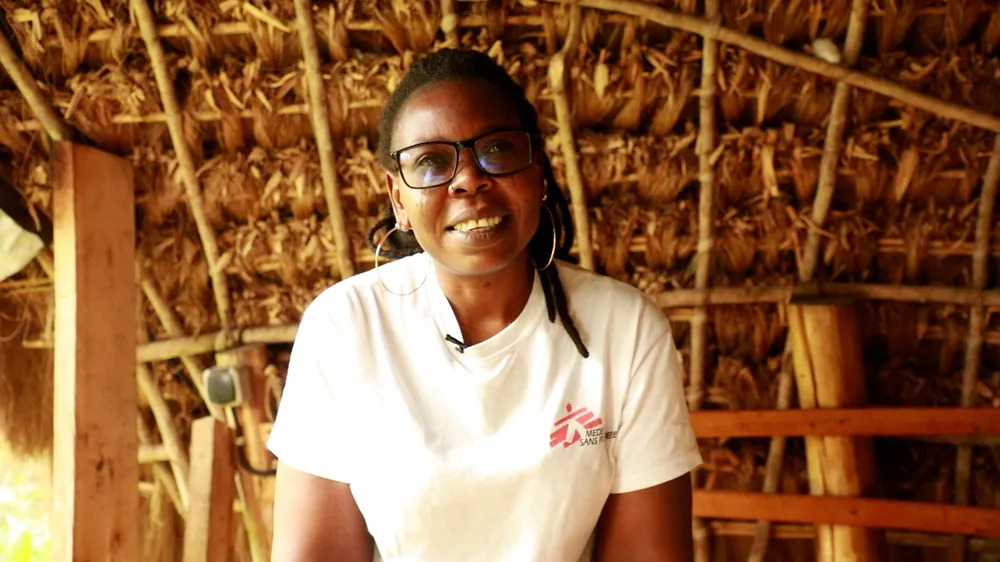
Melbourne-based HR and employee relations consultant Leahanne King has just returned home from six months working in one of the most isolated places in the world; the Pacific island nation of Kiribati. This was Leahanne’s first assignment with MSF, working as a project finance and human resources manager.
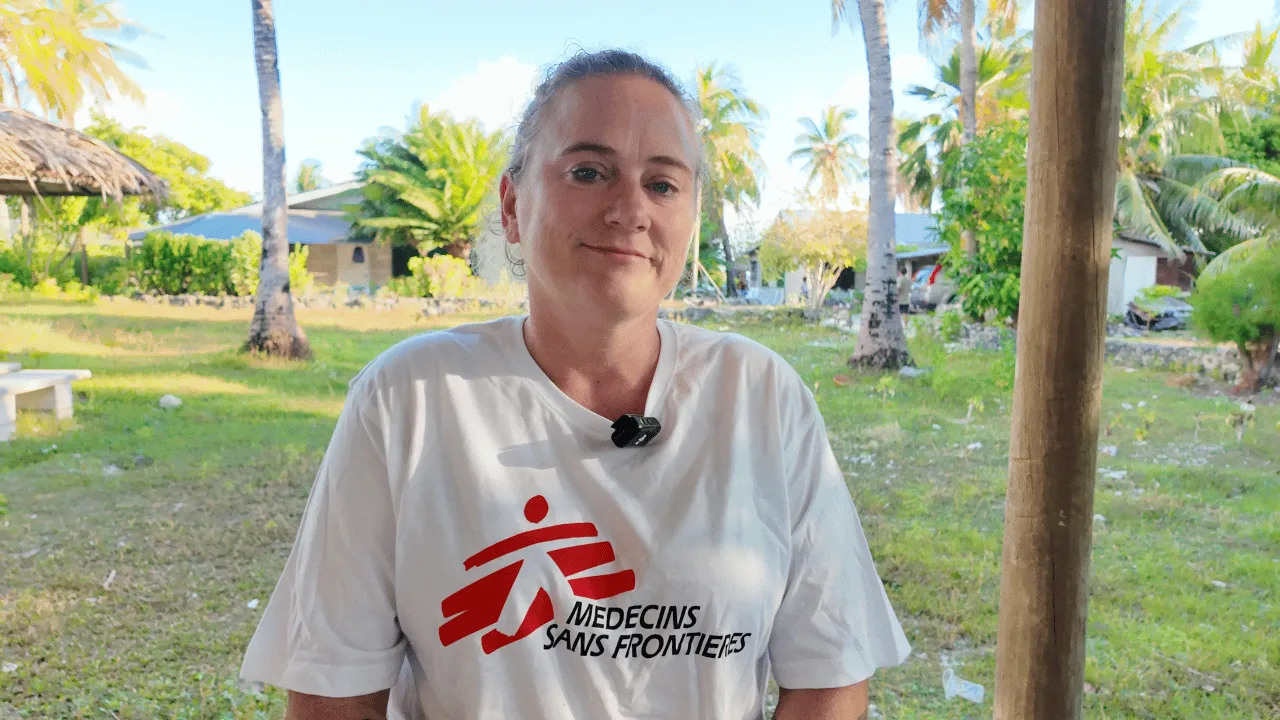
“Kiribati is just a really joyous place to be, I really loved it and didn’t want to leave,” says Leahanne.
Climate vulnerability
Kiribati is one of the most climate-vulnerable countries in the world. Drought, saltwater intrusion and sea-level rise are putting pressure on freshwater availability which limits crop production and exacerbates health outcomes.
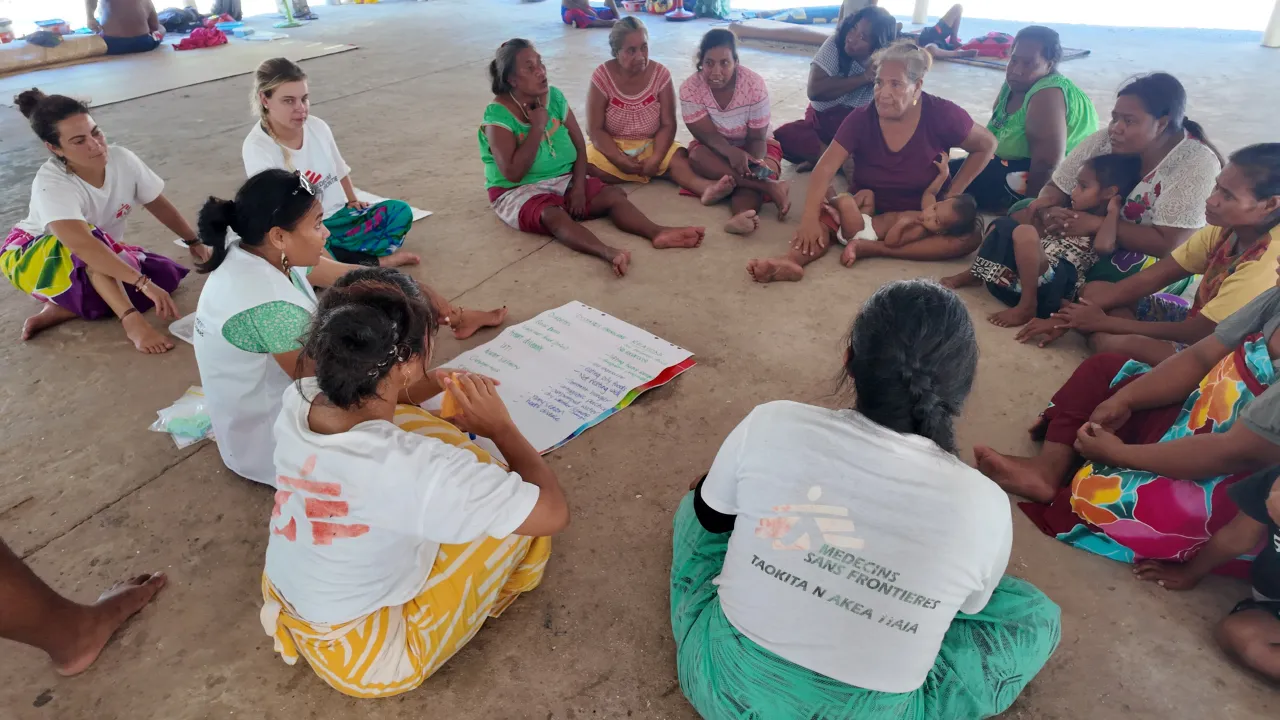
MSF’s project in Kiribati centres around climate-sensitive healthcare and builds on close partnerships with community groups and the Kiribati Ministry of Health and Medical Services. The project focuses on women of childbearing age and young children, addressing pregnancy-related hypertension, gestational diabetes, nutritional challenges and diarrhoeal diseases.
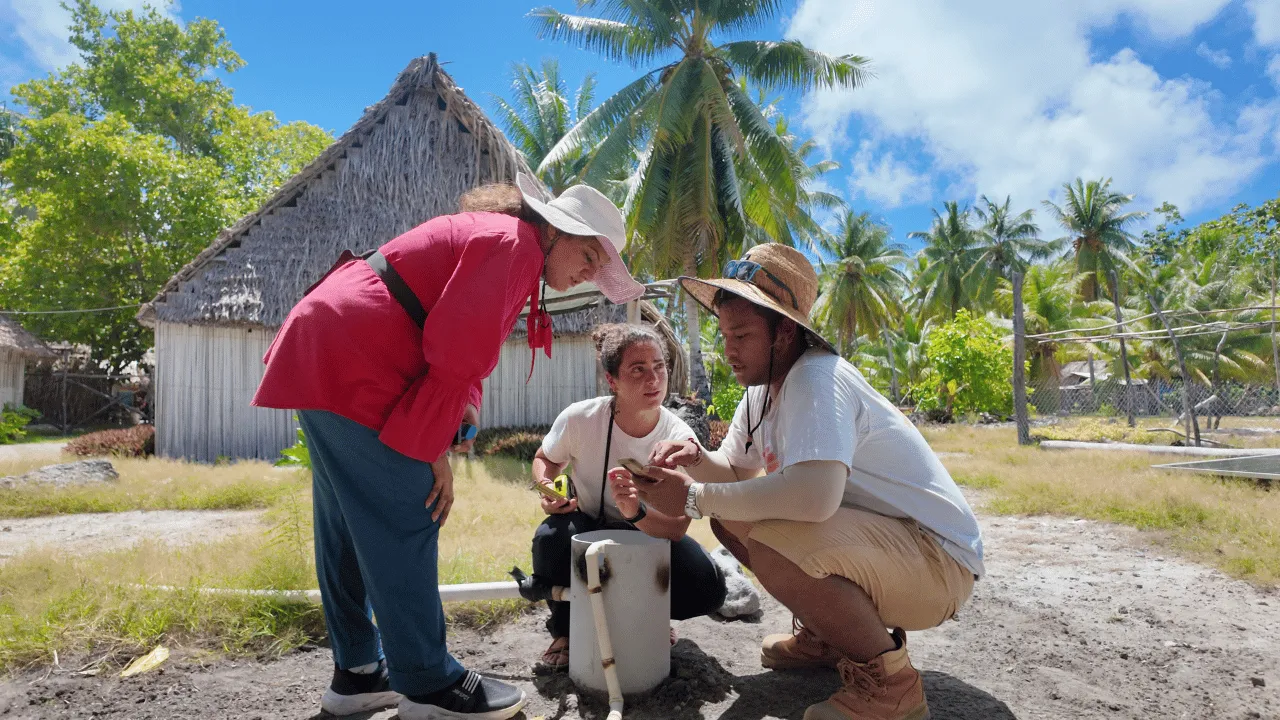
Another core part of MSF’s work in Kiribati includes improving long-term access to safe water to support public health needs, by strengthening rainwater harvesting systems and rehabilitating wells, as well as addressing hygiene, sanitation, and waste management.
“It’s about ensuring the communities have safe drinking water,” explains Leahanne.
“The focus for the MSF’s teams and the community groups they work alongside includes health promotion and education. It’s very worthwhile and we’ve been well received in the community.”
Water inundation
Leahanne hopes that more Australians can be informed about how a changing climate affects the lives of people living in climate sensitive contexts like Kiribati.
“People in Kiribati are living the experience of having water coming right up to their houses. The tide can get up to two metres, but the highest point of the island is only three metres. It would be good for Australians to be more aware of their Pacific neighbours and how people in this region are feeling because of climate change.”
Supporting team cohesion
Leahanne’s role as a project HR/Finance manager has been described as ‘one of the most diverse/challenging roles within an MSF team’ — they focus on keeping project activities running from an administrative perspective.
“I came from a not-for-profit and an education background into this project. The skills of HR are very much needed in these kinds of projects, supporting team cohesion,” explains Leahanne.
“Skills of understanding, of communication, support, and guidance and obviously diversity and inclusion, because you’re dealing with people from lots of different backgrounds. It also involves day to day coaching for managers and supporting staff.”
While Leahanne’s professional background has been in human resources her role with MSF also involved the daily management of the project’s finances, ensuring staff salaries are paid, as well as project expenses, purchases and per diems.
Building relationships
Leahanne admits she didn’t know what to expect when she came to Kiribati because she didn’t know much about the context. She says the people she’s met and the work that MSF is doing on the island made it a very worthwhile experience.
“You really must adapt to ‘island time’ and realise that things won’t take a day or two to happen, they may take weeks and require patience and understanding and that’s why relationship building is so important.
“Kiribati is equal parts amazing and challenging. The local people are very welcoming; they have a strong sense of community and want to do good for their people. I would recommend coming here to anybody, if you’re adaptable and open for a challenge, it’s definitely a job that is worth doing and an organisation worth working for.”
Join our team!
Our teams of medical and non-medical professionals provide healthcare to millions of people caught in crises in more than 70 countries around the world. Learn more about working with MSF and how to apply today.