
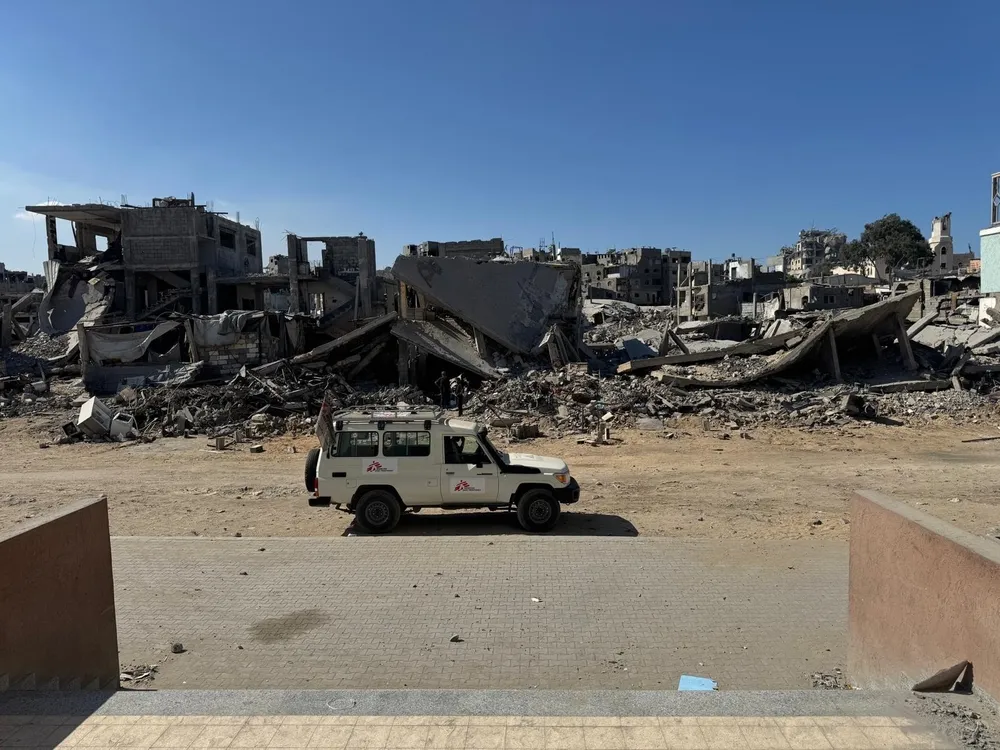
As you may have heard in the news, Israel has decided to withhold registration from MSF and more than 30 other international non-governmental organisations (INGOs) from operating inside Gaza and the West Bank.
That follows strict new registration requirements that came into effect on 31 December 2025, including a requirement to share personal information about our Palestinian staff. MSF will not share a list of staff with Israeli authorities. This decision follows many months of unsuccessful engagement with Israeli authorities, and the absence of assurances to ensure the safety of our staff and the independent management of our operations. No staff information has been shared with Israeli authorities in this process.
For several months MSF has raised serious concerns about this request to share personal information of staff, given that more than 1,700 healthcare staff have been killed in Gaza, including 15 of our own colleagues, since October 2023.
MSF remains open to ongoing dialogue with Israeli authorities to maintain our critical medical operations in Gaza and the West Bank, and to ensure that MSF can continue delivering essential, lifesaving medical care to those in desperate need. You can read more about our decision not to share staff names here. You can also read more about MSF’s response to the situation in Palestine in this Q&A.
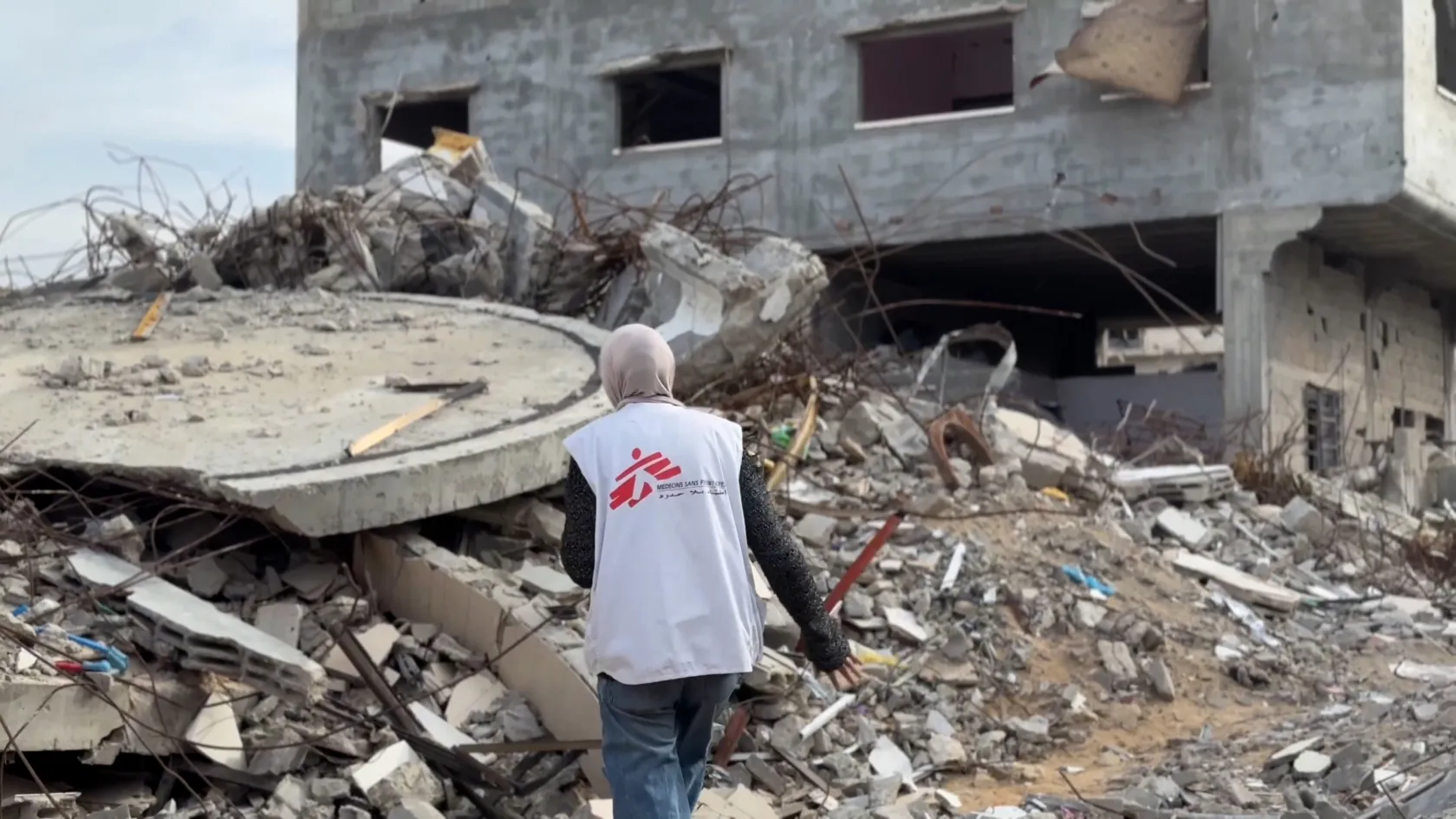
MSF is still permitted to work in Palestine until 1 March, and we are continuing the work we have been carrying out for decades, doing all we can to save lives. But already we have been blocked from bringing in international staff and supplies, which is seriously impacting our ability to continue providing life-saving care.
To prevent a dangerous gap in vital services, we are exploring all options to continue our work after this point, including partnering with local organisations. We remain hopeful that we will continue to operate in Gaza and the West Bank in future.
For patients on the ground in Palestine, the humanitarian situation remains severe: cold and wet winter weather is worsening shelter and exposure issues, and access to essentials - especially fuel and water - remains unreliable.
Israel’s withholding of registration from MSF and others is not only having grave consequences for humanitarian aid, but it is also a breach of Israel's obligations under international humanitarian law.
Denying medical assistance to civilians is unacceptable under any circumstances and it is appalling to use humanitarian aid as a tool of policy or collective punishment.
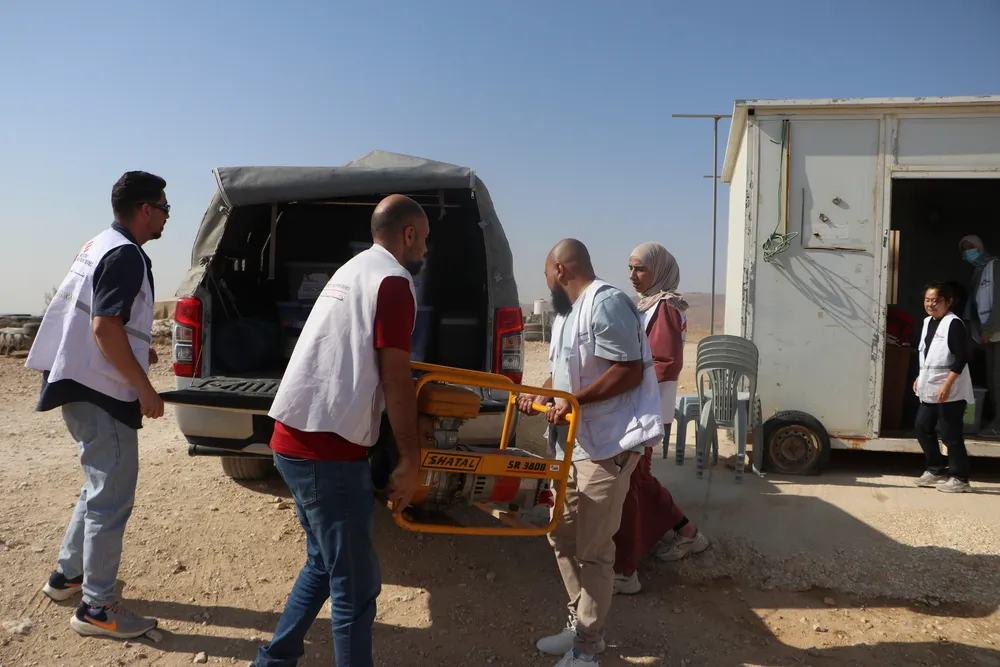
Currently, MSF supports one in five of Gaza’s hospital beds and assists one in three mothers during childbirth. The support we provide is nowhere enough to meet the needs of Palestinians, yet removing it will have a terrible cost. For Israel to block MSF and dozens of other organisations from providing services to Palestinians, after Israeli forces have obliterated Gaza’s health system, is an escalation of the attacks carried out against Palestinians during the last two years.
Services available for people in Gaza now are far less than what is needed, precisely because of the blockades and restrictions imposed by Israel. For the third winter in a row, the Gaza Strip has been battered by dropping temperatures, torrential rain and heavy winds. Weather conditions have destroyed and flooded the makeshift shelters people are living in, while Israel continues to block the entry of supplies like tents, tarpaulins and temporary housing.
Now the Israeli government seeks to ban what little aid and services do exist. MSF continues to seek engagement with Israeli authorities so we can maintain our vital activities and support Gaza’s decimated health system. Allowing humanitarian aid is not a favour. It is an obligation under international law. Today, more than ever, Palestinians need more services not less.