What to know about the crisis in Lebanon

17 Jun 2026

The escalation of conflict in the Middle East has had dire consequences for the people of Lebanon.

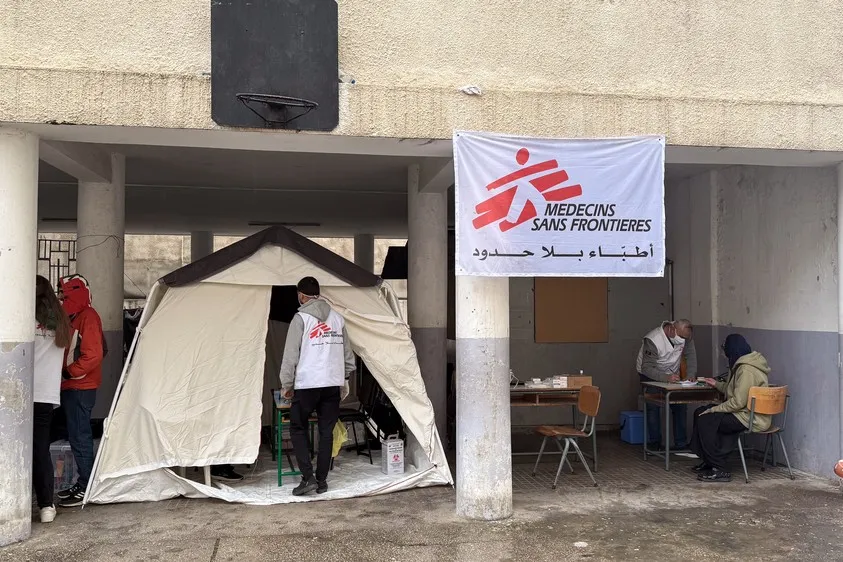
MSF mobile unit in Beirut

An MSF mobile unit provides support to displaced families in a shelter in Beirut. 2026 © Maryam Srour/MSF

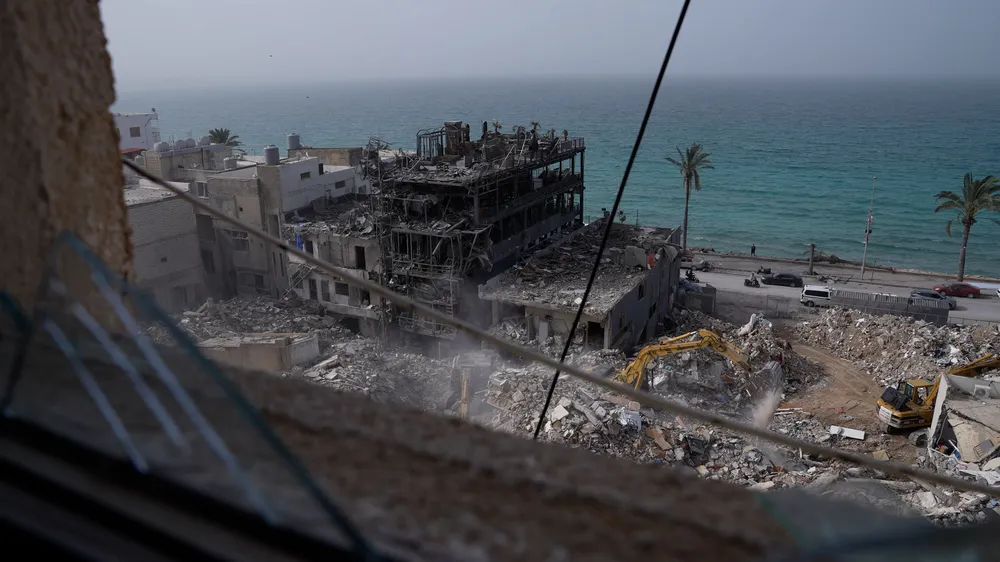
On 2 March, Hezbollah forces in Lebanon launched rocket and drone attacks toward Israel. In response, Israeli forces unleashed a relentless bombing campaign across several areas of Lebanon.

Israeli strikes on densely populated areas have killed and injured civilians, including medical workers responding to provide emergency assistance. Israeli evacuation orders have displaced more than one million people - one-fifth of Lebanon’s population. Hundreds of thousands of people remain without proper shelter and in dire living conditions. Many have been cut off from healthcare at a time of spiralling medical and mental health needs.

Médecins Sans Frontières / Doctors Without Borders (MSF) has been providing medical humanitarian aid in Lebanon since 1976, and our teams on the ground quickly responded to the escalating conflict, including in the heavy-hit southern region of the country and the capital, Beirut. Here’s the latest. 

What is the situation in Lebanon?

Despite a so-called ceasefire, Lebanon is facing a severe and rapidly worsening humanitarian crisis after Israel's escalation of attacks and bombardment in Lebanon early March. More than 3,613 people have been killed and more than 11,072 injured (as of 8 June, according to the Ministry of Public Health [MoPH]), including by seemingly indiscriminate attacks by Israeli forces in densely populated areas. The Israeli army continues to issue forced displacement orders, including in large cities in the south of the country, where MSF teams are currently present (Nabatiyeh, Tyre/Sour). Since 2 March, 294 municipalities, out of 1,200 for all Lebanon, have been affected by at least one forced displacement order, representing 25 per cent of the territory (as of 8 June, according to the United Nations Office for the Coordination of Humanitarian Affairs [OCHA]). To-date, these measures have forced more than one million people from their homes, and left those unwilling or unable to flee, including the elderly, children, and persons with disabilities, isolated and further exposed to violence. The repeated and indefinite forced displacement orders do not provide safety for communities.  

Repeated attacks on healthcare reflect a grave failure to protect the medical mission and severely constrain care. MSF calls for the protection of healthcare workers, ambulances, and facilities and the full respect for International Humanitarian Law. Between 2 March and 8 June, 196 attacks on healthcare facilities have been verified by WHO, with 131 healthcare workers killed and another 379 injured.

At the same time, healthcare needs are increasing dramatically, while in many of the areas most affected by the violence access to care is shrinking. Hospitals, particularly in southern Lebanon, are overwhelmed by mass casualty incidents and are struggling to keep up with the high number of injured patients. At the same time, many people cannot reach medical services due to ongoing attacks, fear, and displacement. Patients with chronic illnesses are missing essential treatments, pregnant women are missing prenatal follow-ups, and mental health conditions - such as anxiety, trauma, and depression - are rising sharply after repeated displacement and loss.  

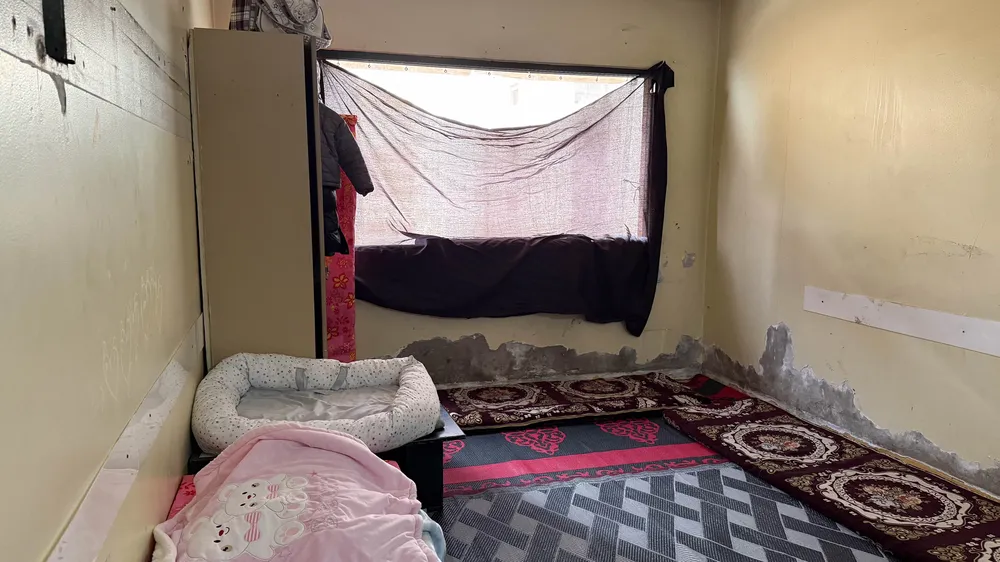
The scale of displacement has created extremely harsh living conditions for hundreds of thousands of people. Many are forced into overcrowded shelters, informal settlements, or public spaces with limited access to clean water, sanitation, and healthcare. Displacement orders are issued with little warning, forcing people to leave without preparation and leaving them dependent on humanitarian aid. Shelters are overstretched, and informal sites frequently lack even the most basic support.  

The most vulnerable groups - including refugees, migrant workers, and people with disabilities - are disproportionately affected. They face additional barriers to accessing aid, healthcare, and safe shelter, and are often excluded from formal support systems. While the local health system, local organisations and volunteers are responding to the increasing needs, they operate within a strained health system and with limited resources, resulting in an exhausted local response. There is an urgent need to continue to scale up humanitarian assistance. 

What are MSF teams seeing on the ground in Lebanon?

Since the escalation of Israel’s war in Lebanon, there is a clear disregard for civilian lives and for the protection of healthcare, alongside widespread forced displacement. MSF teams across Lebanon have been responding to huge medical and humanitarian needs and the situation remains similarly dire since the so-called ceasefire on 17 April. Displaced people are living in overcrowded shelters with limited resources and inadequate living conditions. Some families have no access to formal shelter at all and sleep in cars or on the streets in different cities, highlighting the scale of unmet needs.

At the same time, many are choosing to remain in their homes despite forced displacement orders, often because they have nowhere else to go or fear losing what little they have left. Others who initially fled have been forced to return to unsafe areas due to the lack of space in shelters or the inability to afford alternative accommodation. 

What health services are currently available in southern Lebanon?

Healthcare in southern Lebanon is functioning under extreme strain and insecurity. Many facilities have been forced to close following forced displacement orders, with others facing staff shortages due to displacement. While several hospitals are still operational and are focusing on providing emergency care and referrals (sometimes closing other departments resulting in reduced continuity of care for non-emergency, non-life saving services), they are under constant pressure from repeated mass casualty incidents and the reality that strikes can happen anywhere, at any time.  

On 1 June, an airstrike carried out by the Israeli army in the vicinity of Jabal Amel hospital, which we support, in Sour (Tyre), resulted in four deaths and 127 injuries, including 39 hospital staff; making it the single incident with the highest number of healthcare workers injured at once.  

In places like Nabatiyeh, hospital staff we support continue working and are often forced to shelter/sleep inside the hospital, limiting rest. Access is also worsening because repeated strikes on civilian infrastructure, such as bridges and major roads, are isolating cities and villages south of the Litani River from the rest of the country.

Almost every day, paramedics are being killed, ambulances are being struck, and rescue teams are altering how they operate out of fear of being hit. Lebanese health workers are providing life-saving care under extraordinary pressure. When responders cannot reach the wounded, lives are lost before care can be delivered and preventable deaths increase.  

Between 2 March and 8 June, 17 hospitals across Lebanon were damaged and three have had to close; 13 healthcare centres got were damaged and 44 have had to close, further limiting access to care.  

What do displaced people in Lebanon need right now?

Forcibly displaced people living in inadequate shelters, including tents in the streets, are lacking the most basic needs, including mattresses, blankets, hygiene kits, and cleaning kits. People are in need of clean water, latrines, food, medical care and psychological support.  

People with chronic illnesses don’t have continuity of care and this puts them at risk of complications, pregnant women have not been able to continue their follow-ups, and mental health needs are soaring as many have lost family members, homes, and have been forced to flee, often multiple times.  

At the same time, Israeli strikes continue to injure and kill people across Lebanon. Our teams continue to see a high number of injured patients, including children, requiring a high level of emergency and trauma care.

Are Israeli forces’ evacuation orders a war crime?

Forced displacement is prohibited under International Humanitarian Law, except in very limited cases where it is required for civilians’ safety or imperative military reasons. Even then, strict conditions apply: people must be able to return home as soon as hostilities allow, and safe conditions during displacement must be ensured, including access to shelter, food, water, and healthcare, while facilitating humanitarian assistance. Civilians, healthcare facilities, and medical staff must always be protected, and people, especially vulnerable groups like the elderly, children, and people with disabilities, must be given adequate time and means to evacuate safely.

MSF teams in Lebanon report that these conditions are not being met. Forced displacement orders issued by Israeli forces have covered 25 per cent of the country and are often sudden, large-scale, and unpredictable. People are frequently not given enough time to flee, and vulnerable groups are unable to evacuate safely. In some cases, areas are bombed shortly after displacement orders are issued, which are sometimes communicated through channels like social media that are not accessible to everyone. The scale, speed and indefinite nature of these orders – combined with repeated and ongoing strikes in highly populated areas – mean that people are effectively forced to flee without real protection or viable alternatives.

At the same time, civilians who are unable or unwilling to leave remain at risk of attacks by Israeli forces while they are protected under International Humanitarian Law. 

There are reports of repeated attacks on rescue teams while they are responding to casualties. What is MSF seeing and what does it mean for the rescue response?

Over recent weeks, MSF teams in Lebanon have been witnessing the consequences of strikes killing or injuring first responders and have treated some of the injured. For example, on 12 May, a drone attack killed two paramedics and injured another as they were attempting to assist wounded in Nabatiyeh, in southern Lebanon. MSF teams work side by side with paramedics and frontline responders across that governorate, sharing days and nights of emergency response as they bring patients to health facilities where, and supporting colleagues who continue working despite profound loss and fear.

WHO has recorded 196 attacks on healthcare including 111 that impacted medical transport, between 2 March to 8 June, with 131 health workers killed and 379 injured. The consequences are severe; the fear of being hit has fundamentally changed how rescue operations work. Some of the rescue teams now prefer to wait for security clearance before approaching a blast site for fear of being targeted, meaning the wounded are left to wait longer and, in some cases, don’t approach at all. People who might have survived with timely evacuation do not make it. The deterioration of emergency response capacity in areas where it is most needed is one of the grave consequences of this pattern of attacks. 

Why are paramedics, medical staff, and hospitals being attacked? Is this happening deliberately? If so, why and how?

MSF does not have the capacity to determine why these attacks are happening. What we can speak to is what our teams witness in the areas where we work. International Humanitarian Law is clear: hospitals, ambulances and medical workers must not be attacked.

What we see are repeated strikes landing in close proximity to functioning hospitals; ambulances hit while responding to emergencies, civil defense centres struck. We call, once again, for the protection of medical personnel and health facilities. The incidents continue: on 1 June, for example, Jabal Amel hospital in Sour (Tyre) was damaged by a hit in its vicinity. The cumulative effectis the destruction of emergency medical capacity in areas where civilians need it most. That has life-or-death consequences for people. 

There are also reports that Israel is carrying out so called “double tap” attacks on medical personnel, what do you know? Are there any figures available?

What our teams report is that the risk of consecutive strikes on the same location has fundamentally changed how rescue operations work. They are forced to delay or limit lifesaving interventions because of the fear of being targeted. They now spend only minutes at a blast site, sometimes less, reducing the provision of emergency first aid avoiding the use of excavation equipment, and delaying evacuations, leaving some people trapped under rubble for hours or days.

Civilians have adapted the same way: patients tell us they split up family members when travelling. They avoid motorcycles, which have frequently been hit. They do not approach the site of a strike out of fear of what comes next.

In addition to widespread strikes against ambulances and paramedics - with reported "double-tap" hits (an initial strike followed by additional strikes on the same location as rescue teams arrive) - we are deeply concerned by the repeated strikes in very close range to healthcare facilities that result in increased injuries and deaths amongst people seeking healthcare, mounting damages to healthcare infrastructure and rising fear among patients and healthcare staff.   

Israeli strikes have occurred near hospitals MSF supports. What have MSF teams witnessed and what was the impact on the provision of healthcare?

MSF teams have directly witnessed the consequences of strikes near hospitals in Tyre/Sour and Nabatiyeh. On 1 June, for example, an Israeli strike in the vicinity of Jabal Amel hospital (Tyre/Sour), where MSF is providing support, resulted in four deaths and 127 injuries, including 39 injured hospital staff. Among the injured personnel, four were in critical condition. The strike caused severe damage to the health structure, including its inpatient department, radiology department, and intensive care unit. One wall of an operating room was severely damaged, leaving a large hole.  

The previous day, nearby Hiram hospital - another MSF-supported facility - was also damaged by a nearby an Israeli airstrike, reportedly injuring 13 healthcare workers.  

When a strike hits near a hospital, patients are put at risk, medical equipment may be damaged, and staff can be injured or killed - leading to severe disruptions in care.  

How does MSF ensure the safety of its medical teams when operating in conflict zones? 

MSF places the safety of its medical teams and patients as a top priority in all situations.  

We adapt our operations daily based on security conditions. Our priority is to continue providing care where possible and safe, and to support overstretched services. When insecurity forces closures, we work on alternatives to maintain continuity of care. Our priority is the safety of our staff and patients, and we continue to call for the protection of civilians, healthcare facilities and staff. 

Are you aware of the potential presence of Hezbollah in MSF supported hospitals? Israel also claims Hezbollah uses ambulances for weapons. Does MSF have any knowledge of that

We can only speak to what we directly witness in the facilities and operations we support. We have not observed the presence of armed men inside MSF supported hospitals, nor witnessed any use of medical vehicles for non-medical purposes. MSF’s role is to provide medical humanitarian assistance to people in need. We are not in a position to investigate claims made by parties to the conflict. What we are advocating for, regardless of those claims, is that civilians are never left without access to emergency medical care.

According to WFP, one-quarter of Lebanon’s population is facing acute food insecurity. Does MSF have the same observation?

According to the latest food security analysis, around 1.24 million people, nearly a quarter of Lebanon’s population, are expected to face acute food insecurity between April and August 2026. This figure represents a forecast rather than the current situation.

While MSF does not run dedicated malnutrition treatment programmes in Lebanon, its teams conduct screenings through mobile clinics. So far, no cases of acute malnutrition have been identified; however, a lack of dietary diversity remains a concern. 

With so many displaced people living in informal settlements without adequate access to water, sanitation, healthcare, what diseases are you most concerned about this summer?

This is one of the most pressing concerns. Mass displacement, overcrowded and unsanitary living conditions and disrupted healthcare, compounded by harsh meteorological conditions, creates the ideal environment for rapid disease spread with potential serious consequences. The cold and wet conditions at the beginning of this escalation are now turning to summer heat, further increasing that risk.  

MSF teams are already seeing more cases of respiratory infections, gynaecological infections, and skin conditions linked to overcrowded shelters and poor water and sanitation. As temperatures rise, we are particularly worried about waterborne diseases, especially for children in informal settlements with no functioning latrines or clean water supply.