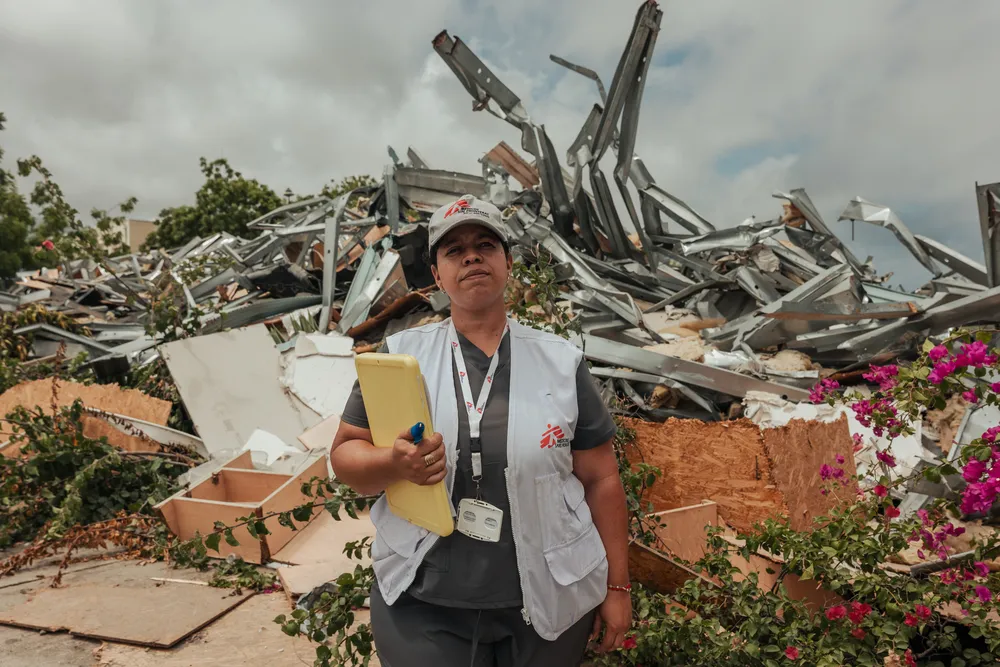
"I was in a building that collapsed. I was left under the rubble and they thought I was dead when they pulled me out. All I remember is that I was running and we fell hard, into the abyss," recounts Elvira, 76, sitting in the consultation room where she receives psychological care with Médecins Sans Frontières/Doctors Without Borders (MSF). "I arrived here with a lot of crises. What I lived through is not easy. Everything scared me, I cried a lot, I couldn't sleep. The psychologist took the nerves away from me. I want to get past what I'm going through. I want to go back to being who I was."
One hundred days after the double earthquake that shook Venezuela on 24 June, the nature of the emergency has changed significantly. What began as a response focused on saving lives and treating physical trauma has transformed into a crisis marked by the prolonged consequences of uncertainty, displacement, and the cumulative emotional toll on individuals and communities.
What we observe today is not merely the effect of an isolated traumatic event, but the cumulative impact of living for months in conditions of uncertainty. Many people come to consultation with muscle pain, recurring headaches, gastrointestinal problems, or insomnia - symptoms that frequently reflect significant emotional and psychological distress,
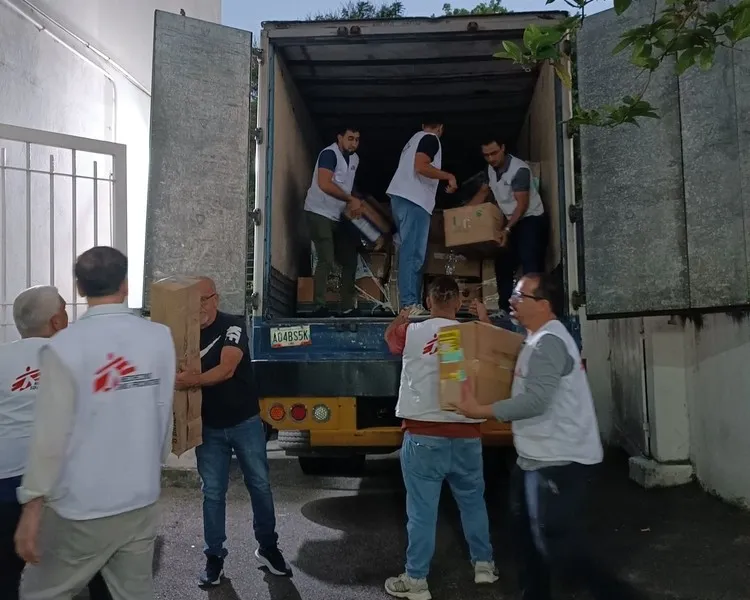
From the earliest hours following the disaster, MSF teams responded to urgent medical needs, supporting hospitals receiving high numbers of injured people and distributing 8.5 tonnes of medical and emergency supplies during the first five days of the response. However, 100 days later, the most pressing needs are no longer solely those derived from physical injuries caused by the earthquakes.
The physical weight of prolonged stress
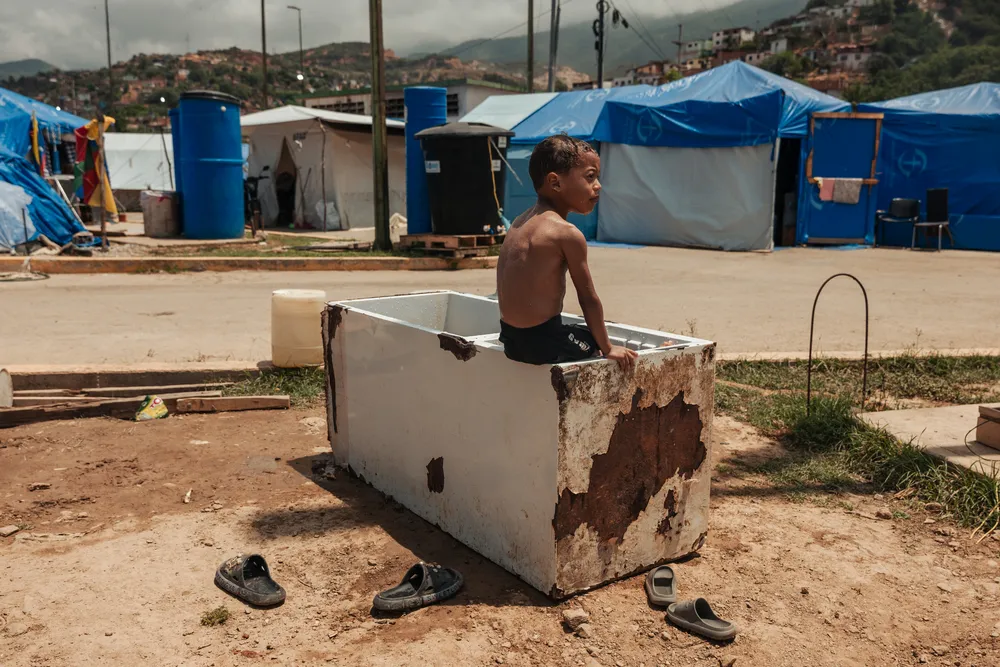
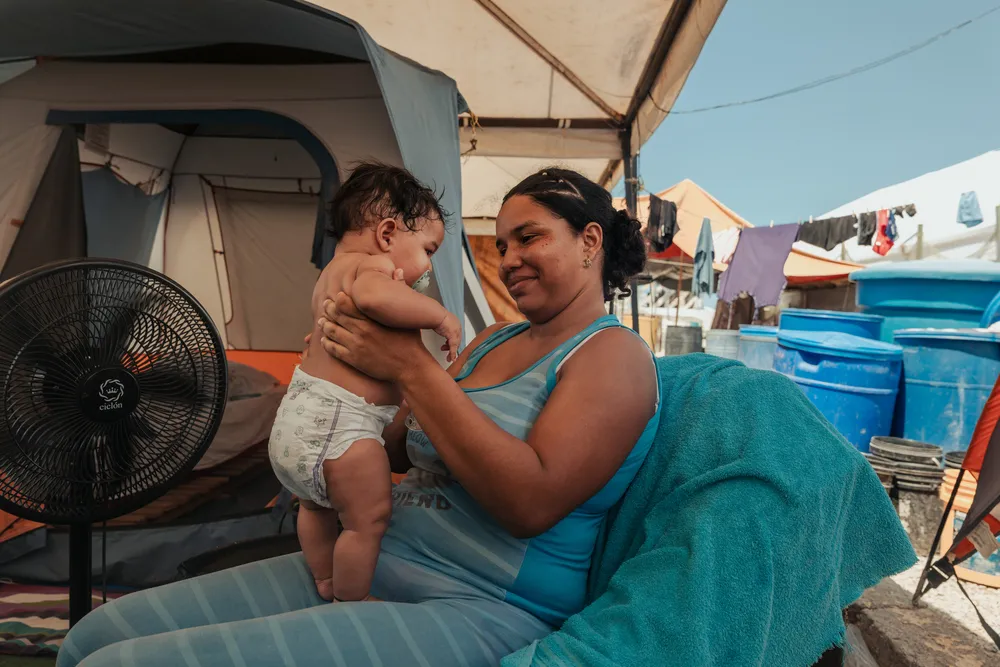
In the affected communities of La Guaira and Caracas, many people continue to live with the constant fear of new seismic activity, uncertainty regarding access to safe housing, and the difficulty of recovering their routines and livelihoods.
This prolonged situation has transformed the initial emotional impact into persistent states of anxiety, sleep disturbances, physical symptoms related to stress, feelings of hopelessness, and widespread exhaustion affecting individuals and entire communities alike.
What marked me the most was when we found the body of a dog, and a woman and her son were hugging it. Their arms were around it, and they all passed away. Even the bravest person cries.
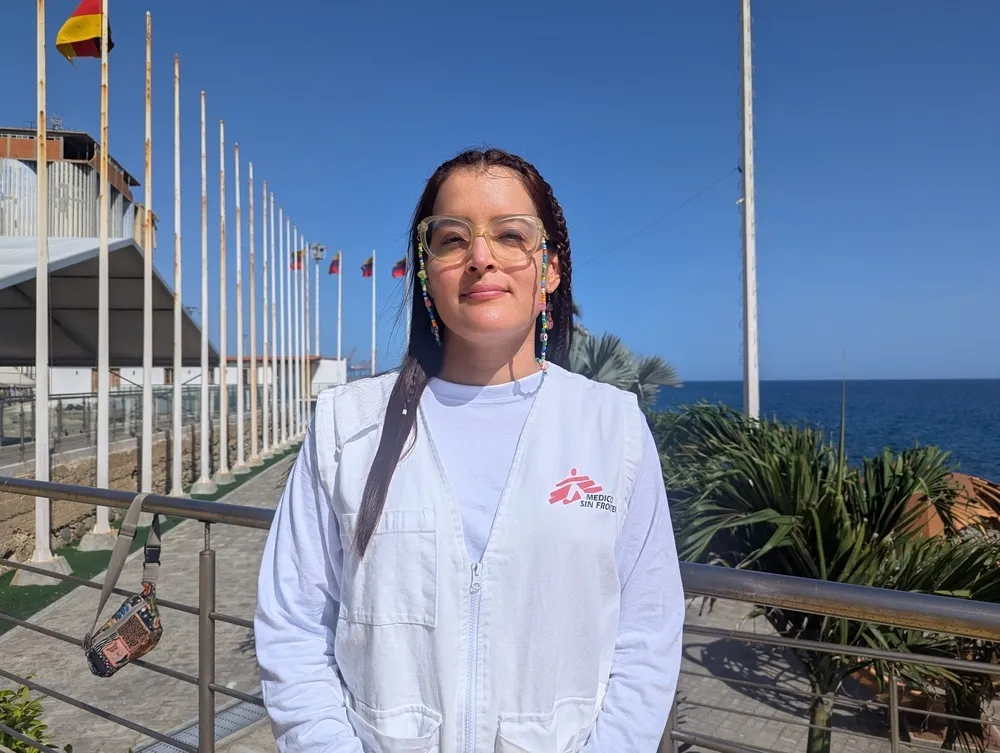
"What we observe today is not merely the effect of an isolated traumatic event, but the cumulative impact of living for months in conditions of uncertainty. Many people come to consultation with muscle pain, recurring headaches, gastrointestinal problems, or insomnia - symptoms that frequently reflect significant emotional and psychological distress," points out Milagritos Valderrama, MSF medical coordinator for the emergency response.
Over these 100 days, MSF has provided more than 7,000 medical consultations. Among the most frequent ailments attended by the teams are musculoskeletal pain - accounting for 21.7 per cent of consultations - followed by respiratory infections at 21.4 per cent and skin conditions at 12.4 per cent.
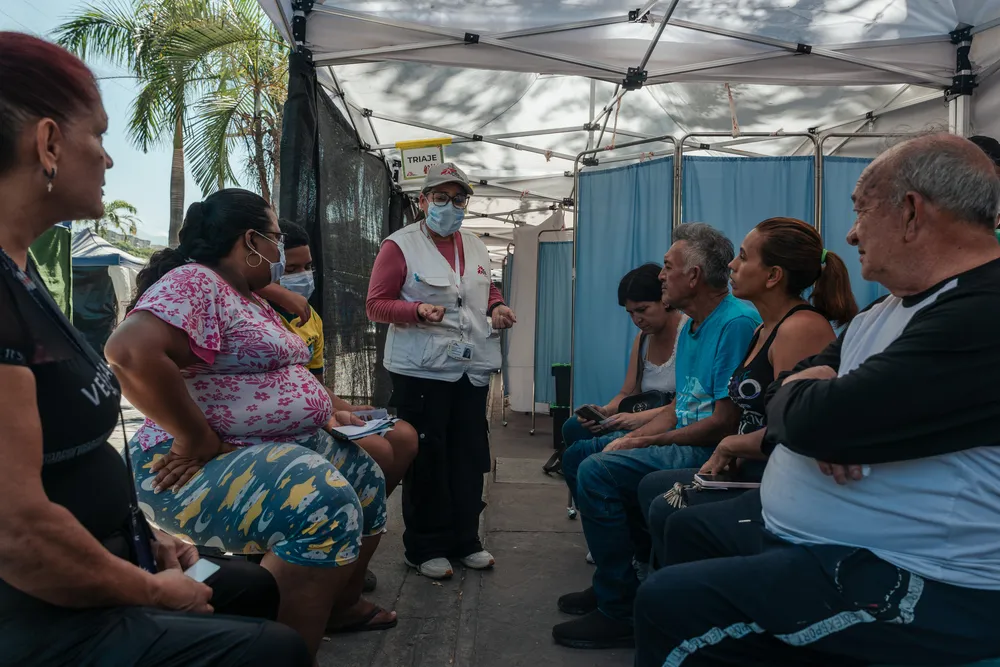
Likewise, medical staff have followed up on more than 880 cases of chronic diseases - such as arterial hypertension, diabetes, asthma, and epilepsy - conditions that tend to worsen due to stress and the harsh conditions of displacement.
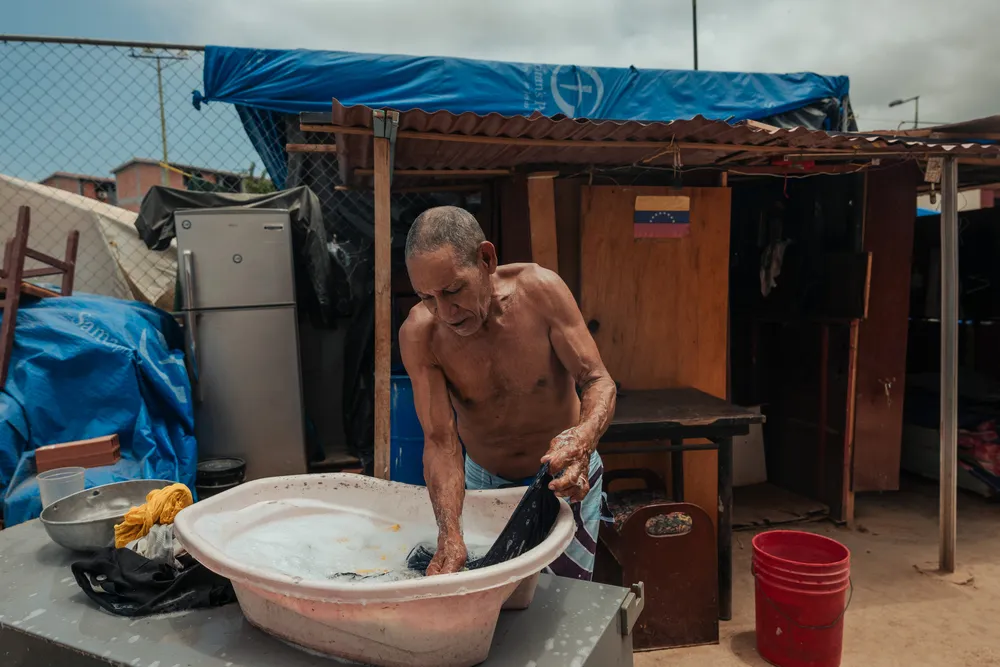
“This has demoralised me. It was a natural disaster, but it has finished everything: my heart, mind, and soul,” says Ashley Mayora, 43, sitting inside her tent in Mare Abajo, a housing complex that partially collapsed after the twin earthquake. “I lived with my daughter and my newborn grandson in my house; they are my life. When this happened, I was in a tent that only fit me; we had to separate. I felt like I was dying of sadness for not being with my grandson. On 29 July I had a pre-infarct. I’m only alive because of them.”
The strain of the front line
“My hope was to find life and what I found was bodies,” shares Isrrael Lanza, 36, a Civil Protection rescuer. “What marked me the most was when we found the body of a dog, and a woman and her son were hugging it. Their arms were around it, and they all passed away. Even the bravest person cries. There came a point when I forgot my own name. I didn't recognise when they called me.”
Those who have been on the front line of the response also face their own emotional consequences. Health personnel, civil protection teams, rescuers, and volunteers have sustained an intense workload while accompanying the suffering of their own communities. Extreme fatigue, secondary traumatic stress, and accumulated grief processes are increasingly evident among essential workers, whose mental health is crucial to maintaining the response and recovery capacity of the affected areas.
“On day six I remember feeling completely exhausted. I had to stop. I thought about quitting, I just told myself I couldn't take it anymore. Part of my family lives here in La Guaira, and I spent 12 days without knowing anything about them,” recounts Elvis Díaz, 28, a Civil Protection rescuer. “When I showered, I would cry. Everything piled up on me. I didn't even know what I was carrying. I did it in private so nobody would see me, so as not to burden my coworkers, because we are all going through the same thing.”
A multidisciplinary response in the field
To respond to these needs, MSF multidisciplinary teams continue to provide medical care through six mobile clinics in Caracas and La Guaira, integrating mental health and psychosocial support within primary healthcare services. This network is complemented by four additional points dedicated exclusively to mental healthcare. This integration makes it possible to simultaneously address the physical and emotional needs of affected people, recognising that both dimensions are closely related and essential for comprehensive recovery.
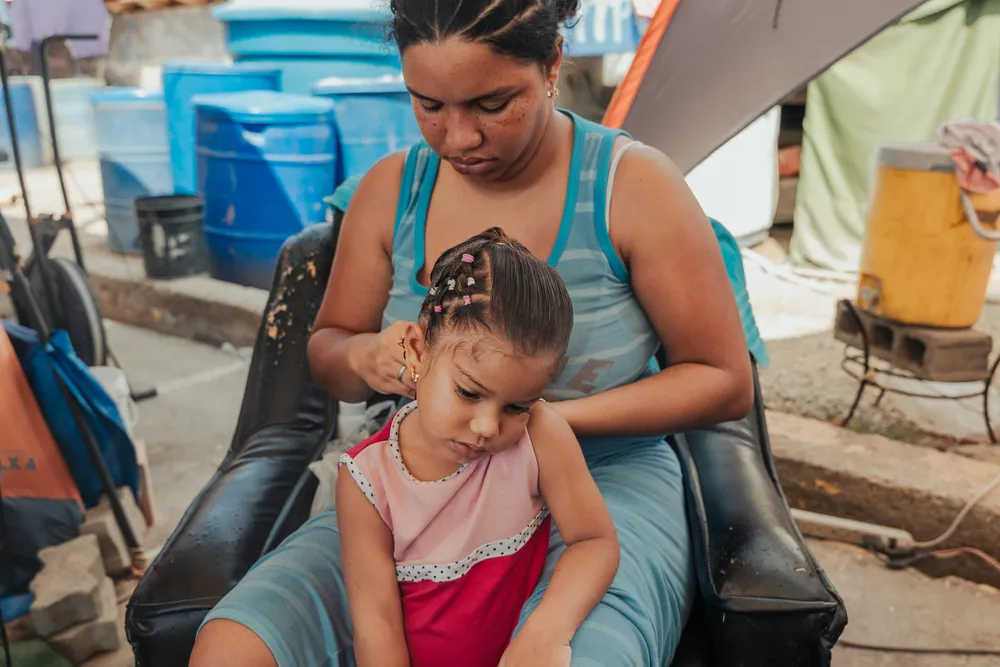
Over these 100 days, MSF mental health teams have accompanied 8,147 people in the affected communities of La Guaira and Caracas, offering group psychoeducation spaces, individual consultations, and psychological first aid sessions. Likewise, MSF health promotion teams have reached more than 16,792 people through educational sessions and direct community outreach.
To prevent epidemiological outbreaks in temporary settlements, water, sanitation, and hygiene teams have distributed close to 860,000 litres of safe drinking water and deployed critical infrastructure, installing five water treatment systems and 127 filters. In addition, they have supplied chlorine and supplies to purify more than 80.5 million additional litres of water.
Rebuilding stability
As the response shifts toward recovery, mental health needs often become more apparent over time. In shelters and communities, the pain of loss coexists with organisation and mutual support.
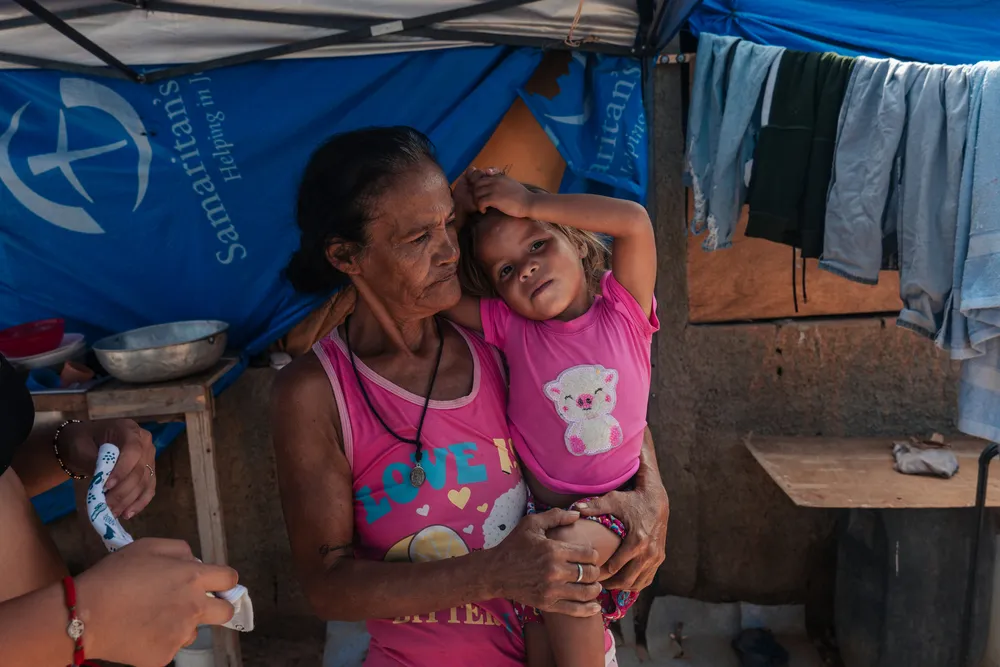
Rosmari Colmenares, spokesperson for her community in Playa Grande, La Guaira, whose home was severely damaged and had to be demolished, describes the weight of absence and uncertainty:
“The hardest thing is that to this day we know nothing about my brother. The building where he lived collapsed; his wife could be rescued, but he and his son, who has Down syndrome, have not been found. My niece's body was found,” she recounts.
“I watched them demolish my house; my son hugged me and we cried. So many years of perseverance to build it, to fix it... In seconds, that part of you and your family is destroyed. It's not easy to move on with life; you lost your place, you lost your family. While I don't have my brother, I will never be well.”
Despite the rawness of grief, in the daily life of temporary shelters, solidarity becomes an anchor. “While I'm in the shelter, I try to be useful by helping nursing mothers and pregnant women,” says Rosmari.
This profound disruption of the environment is also reflected in urban daily life. “Sometimes I'm on the street and I get lost. I don't recognize things because so many buildings and businesses have collapsed. It's hard for me to figure out where I am. The pharmacy no longer exists, the bank doesn't exist either,” shares Elvira.
However, through sustained psychological support, the healing process moves forward. “My strength has returned. A few weeks ago, I told the doctor: 'I want to go back to work.' After thinking I never could."
Ensuring continued access to mental health services, strengthening primary healthcare, and promoting dignified living conditions for displaced people are essential elements in preventing long-term consequences on the health and well-being of the population.
One hundred days later, the main challenge is no longer just responding to the emergency, but accompanying people and communities in their recovery process. Because rebuilding after a disaster involves much more than repairing buildings: it also means restoring a sense of security, stability, and hope for the future.