
Coordinating water and sanitation services restoration in Gaza
In March, all international MSF staff withdrew from Gaza following registration disputes with Israeli authorities, while Palestinian staff remained. Among the last to leave was Paula Navarro, MSF’s water and sanitation coordinator for Gaza. Here, she describes managing her Palestinian team remotely from Jordan, her team’s courage, and the critical importance of continuing MSF’s lifesaving work in Gaza.
I have worked four times in Gaza since 2024, and each time has been very different. When I left in June last year, we were in the middle of the food shortages. Everybody was super skinny, even our staff, and the level of degradation was just something else. It was terrible.
Then when I went back last December, the first feeling I had was that, OK, the situation has improved. There’s food, people look better, there is less bombing. The last vision I had of my team was of people surviving on small amounts of soup and rice, but now things are better. But you quickly realise that even with the ceasefire and these improvements, the situation remains terrible. One awful drama has been exchanged for another.
Deepening destruction
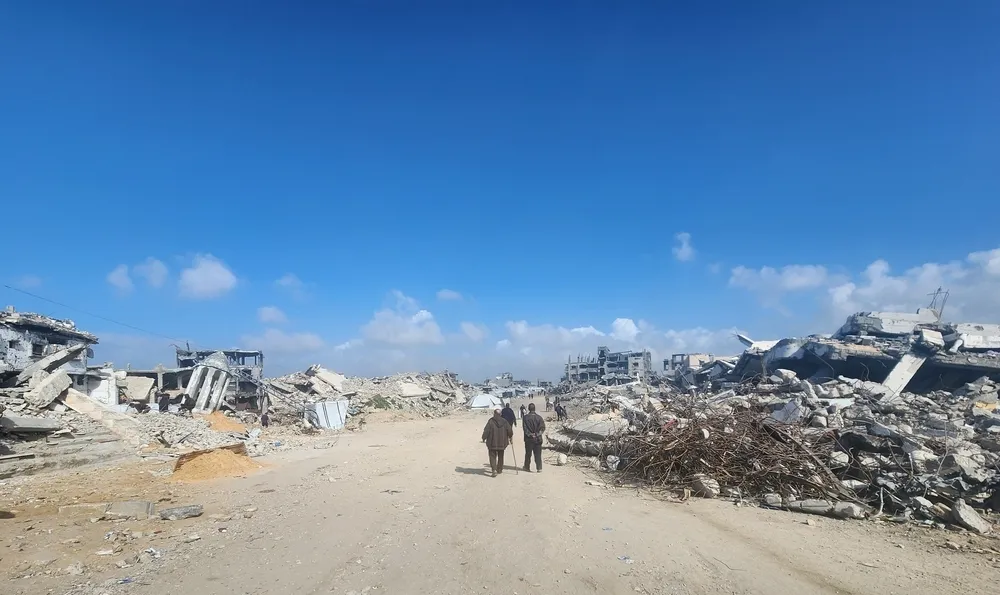
For example, I’ve never worked in a humanitarian situation before where the place is so utterly destroyed that there is a risk from pieces of damaged building falling off and killing people. In December, I remember sitting with a colleague outside and we were both talking about how long it had been since a bombing, and two minutes later, a massive piece of building fell on a tent near us and killed three people.
Each time I’ve left I’ve thought it’s impossible for this place to be more destroyed, but then I come back and I’m shocked to see that the destruction is worse. I remember at the beginning of 2025 going to places in Gaza where there was around 20 per cent of water infrastructure remaining and thinking it’s going to be impossible for people to live here. Then you come back later in the year and there’s even less infrastructure, but people are still there, trying to live.
Each time I’ve left I’ve thought it’s impossible for this place to be more destroyed, but then I come back and I’m shocked to see that the destruction is worse.
No natural drinking water
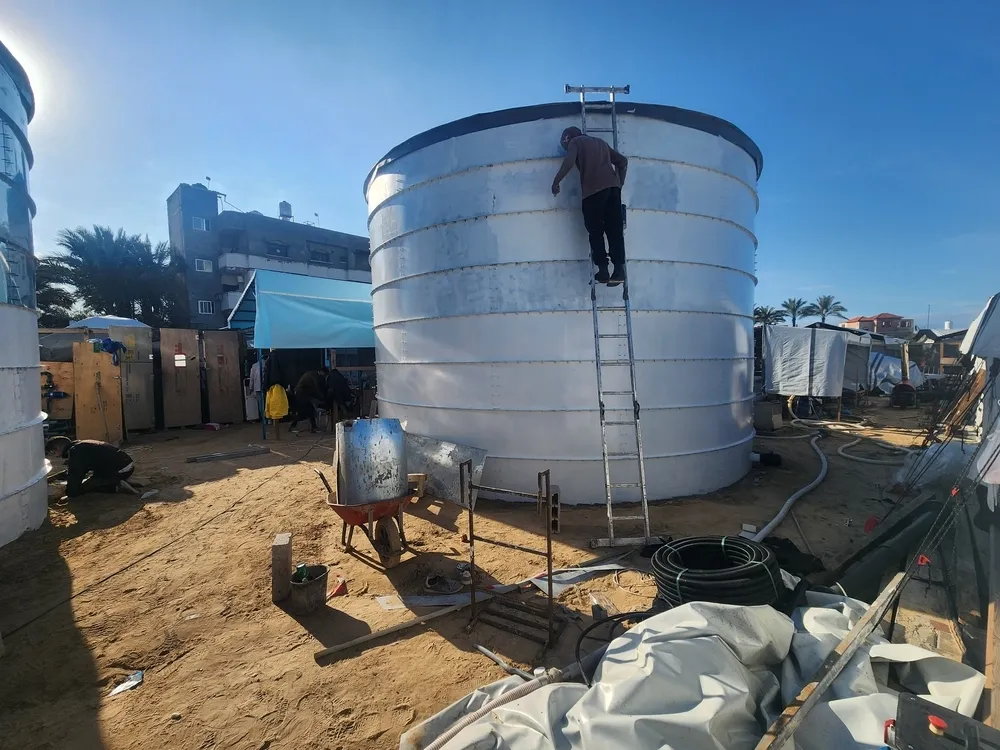
One thing you need to understand is that, even before the war, there were no natural drinking water sources in Gaza. All the water is super salty and has to go through an industrial desalination process called reverse osmosis, or ARO. We installed one of our ARO hubs in Beit Lahia and it was the only functional drinking water source in the area. And as soon as we put it in, people started flocking to the area to live. MSF sets up a medical clinic, establishes a small amount of infrastructure, provides people with the bare minimum to survive, and people return to the place they’re from. They understand the risks of living in such a dangerous and precarious environment, but they want to go back and rebuild their lives. It’s impressive.
At the moment, we’re mainly trying to repair and rehabilitate the existing water infrastructure rather than create anything new. It’s impossible to bring cement and pumps in so we have to work with what we’ve got. But people know where the boreholes are and what’s functional. Gaza was pretty developed before with a lot of expertise, so we work in collaboration with the water authorities.
Sanitation the biggest challenge
The bigger problem is sanitation. Before, everybody lived in houses or flats and obviously all the toilets were inside. But if all the houses have been destroyed, all the toilets have also been destroyed. How do you replace that for a population of two million people? Add to that the fact that the sewage system has been destroyed, the waste treatment plants have been bombed and there isn’t enough material to repair those systems, and you have a very big problem.
The few toilets that have been installed have massive queues, so people cope in the only way they can: by digging massive holes in the ground. But they come with their own problems. When it rains, they overflow, spilling out onto the streets. People even fall into them. There are rats. Sanitation is the biggest challenge we currently face, and we are doing what we can to install more latrines.
No rest for local staff
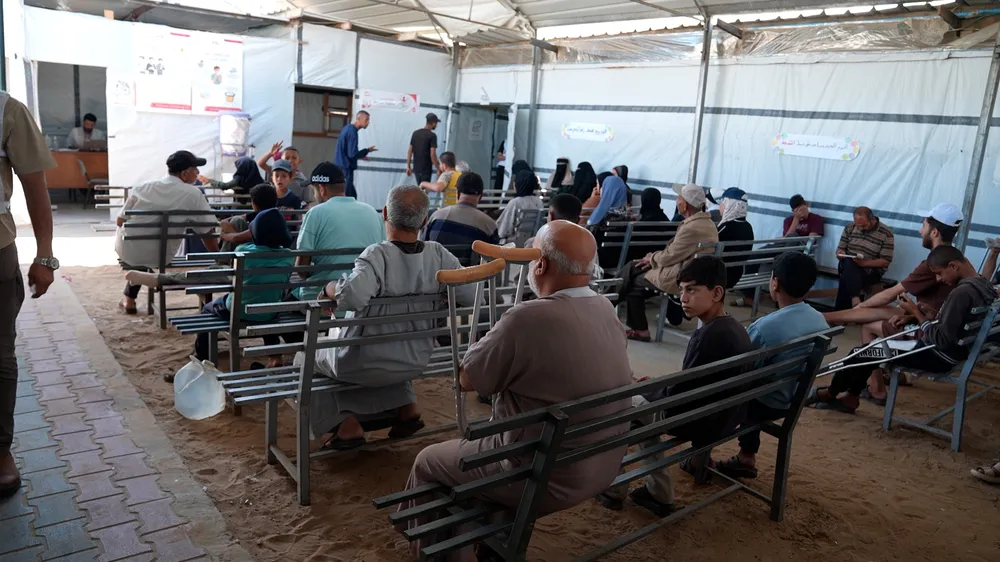
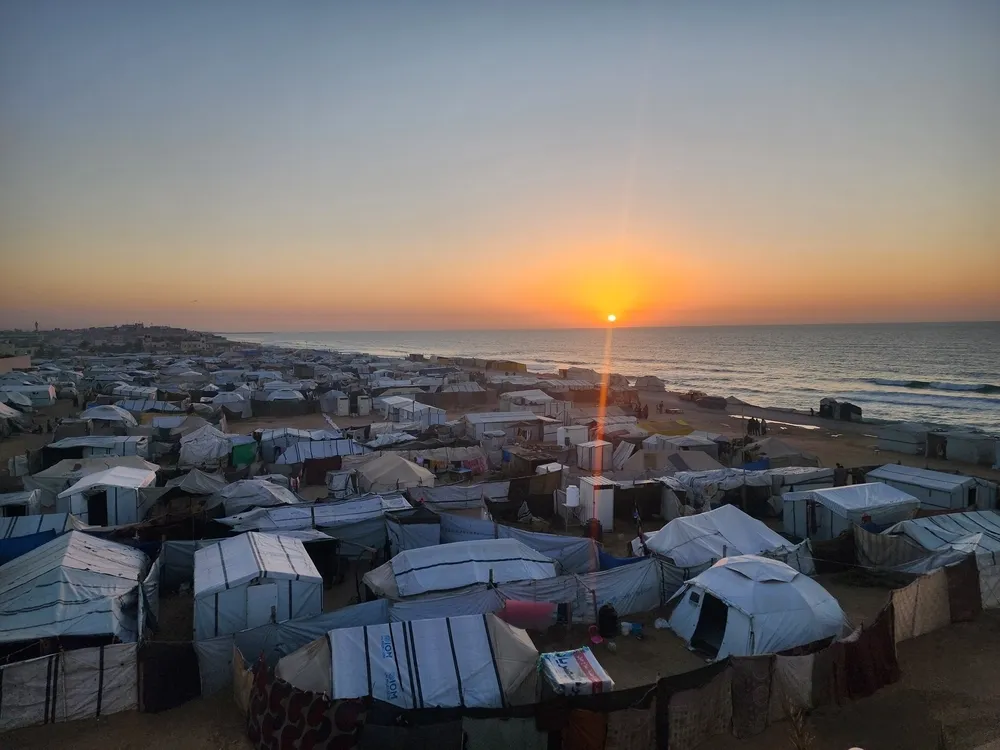
Nothing about this environment or these living conditions is conducive to human dignity. Every free space is taken up with tents. It’s a complete sea of tents as far as you look in every direction and people have been living in them for more than two years, subject to flooding and to cold. You’d arrive in the office after a night of rain and you know your staff have been awake all night in their tents, shaking, trying to keep their children warm.
But they come into work and they are completely focused. You know the staff, the people I work with there, they are more than just colleagues. They are my friends. During some of the worst days of the conflict when there were bombs falling everywhere, every morning we would text each other, ‘How was your evening? How did you sleep?’ What we were really asking was, are you alive? Is everything OK? You do that for forty or fifty days straight and the bond you have is not just about work.
There was one morning when we couldn’t get hold of one guy. He didn’t arrive at work, and we didn’t know what was happening. Two hours later, he arrived and I was like, ‘Hey mate, what happened?’ He apologised and told me he’d spent five hours searching for his father who had been killed when his building had been bombed. Now, he just wanted to work.
The team, they are super strong and they have enormous technical capacity. They are amazing.
A shared commitment to continuing the work
I was in Gaza when the decision was taken that all international staff would have to withdraw. It was very hard. There had been so much uncertainty beforehand, and our staff had been really stressed. Would MSF have to shut its projects? Would the staff have jobs? How will they support their families? In Spain where I’m from, you rarely see someone with a missing limb. But you walk through our clinics in Gaza, and you see scores of children with limbs missing, wounded. What would happen to them if MSF left?
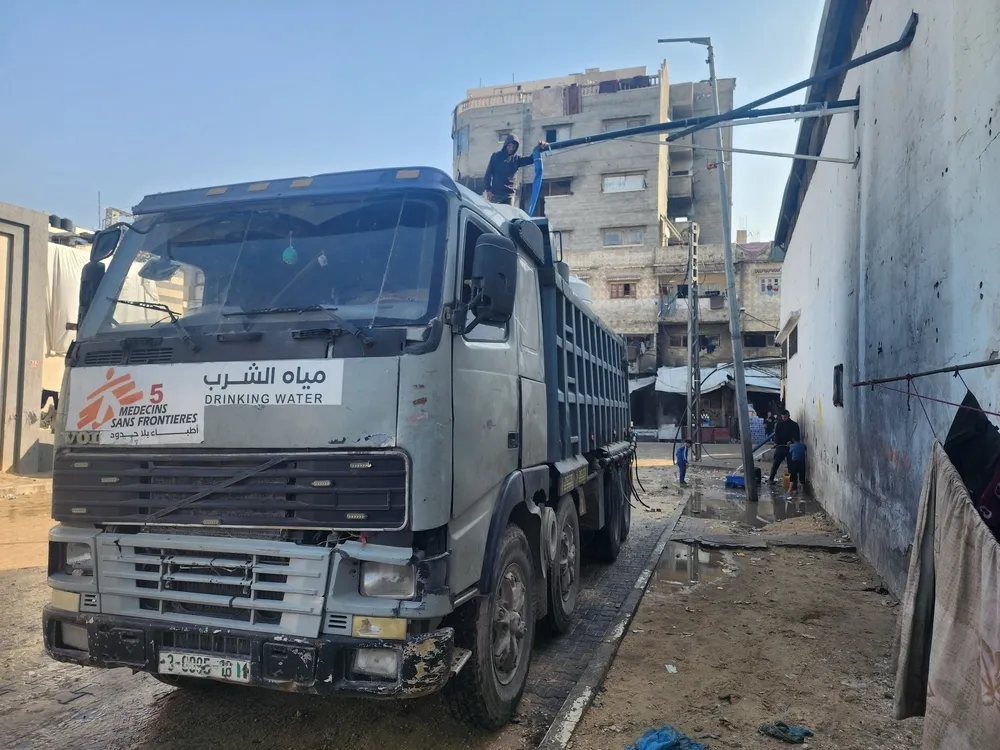
We’re providing water for around 400,000 people every day. Where do they find clean drinking water if MSF leaves? It’s unthinkable. The work had to continue, but still, it was very hard for us to leave. Thankfully, our Palestinian staff are ensuring the work goes on.
It was Ramadan when we left, so the night before we all shared Iftar [the meal after sunset that breaks the day’s fasting] together. We decided we wouldn’t focus on the leaving, instead we would all just enjoy each other’s company. And we did. But the next day when we got in the vehicles and we had to say goodbye to the team, it suddenly hit hard for us that this was really it.
Managing the team remotely has been an adjustment. It’s difficult when you need to troubleshoot something and you can’t just get in the car, drive twenty minutes and see something and be hands-on. It’s tough not being able to sit down with a staff member and have a coffee and talk through problems. But we are coping and it’s going OK.
It is vital that MSF is here. The needs are so great, but we owe it to the people of Gaza to ensure the work continues.
In Gaza today, severe disruptions to humanitarian aid and medical supply chains persist, leaving essential assistance unable to reach people in need. Access to clean water, sanitation, healthcare and other basic services remains critically limited, while ongoing airstrikes and hostilities continue to kill and injure civilians, displace families and exacerbate existing dire humanitarian needs.
Join our team!
Our teams of medical and non-medical professionals provide healthcare to millions of people caught in crises in more than 70 countries around the world. Learn more about working with MSF and how to apply today.

