Gaza: Nursing in a conflict zone
Louise Timbs is a nurse from Queensland who has completed nine assignments with Médecins Sans Frontières/Doctors Without Borders (MSF) since 2014.
Louise has recently returned for the second time from Gaza, Palestine, where she worked as nursing activity manager for several MSF teams.

What motivated you to join MSF?
I joined MSF with the hope to contribute my time and experience to be a small part of any global humanitarian response.
What do you love about nursing?
Nursing is an incredibly diverse profession. It is a career that offers numerous choices in pathways and training. Nursing has opened up a world of opportunity to me and allowed me to travel and work within a team, to enable quality healthcare services to be accessible to some of the most marginalised and diverse communities in the world including those within Australia.
What were your responsibilities in your previous assignment to Gaza (ending in 2024)?
I was based in Al Mawasi and managed the activities and nursing teams of three primary healthcare centres (PHCC) in the middle and southern areas of Gaza.
The PHCCs provide comprehensive primary healthcare services to the large numbers of displaced Palestinians in these areas, including general GP consultations and chronic disease management, paediatrics, gynaecology and obstetrics, mental healthcare, outpatient therapeutic feeding, wound care, emergency care and vaccinations. Each PHCC sees between 2,500 to 3,500 people in consultations a week.
The main challenges are the large number of people requiring primary healthcare in a very insecure context, the limited supplies of essential medications and medical supplies—all running critically short.
What concerns me are the indirect impacts of the conflict in Gaza, which have far-reaching public health implications.
You were involved in the polio vaccination campaign in 2024, but what worries you about gaps in care for more common infections, due to conflict or other factors?
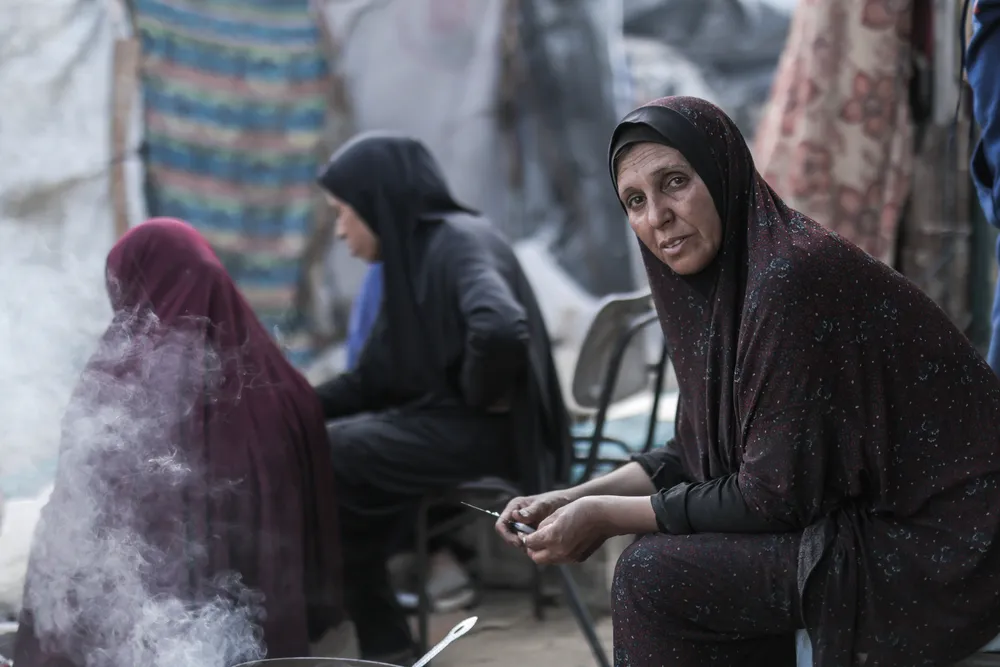
What concerns me are the indirect impacts of the conflict in Gaza, which have far-reaching public health implications. With gaps in routine vaccination coverage, there is also a huge risk of reemergence of other vaccine-preventable diseases such as measles and polio. This risk increases exponentially given the hundreds upon thousands of people displaced and living in a very confined geographical area, in overcrowded and inadequate shelters, and with inadequate nutrition. Due to the infrastructure destroyed, there is no running water; sanitation is poor; there are open sewers. Hygiene products are either not available or too expensive.
The most common illness treated in the MSF PHCCs are diarrhoeal and respiratory illnesses and skin infections from impetigo, scabies and lice—all of which can be related to unsanitary living conditions.
You went back to Gaza shortly after the ceasefire commenced, can you describe the needs you saw?
I returned to Gaza in February during the ceasefire. MSFs medical supplies had been severely depleted, but during this time supplies were somewhat replenished. However there was still a need for more supply to enter. In this time the team noticed a thankful drop in numbers of patients needing dressings, due to the decrease in traumatic injuries.
We were concerned to see people moving to areas such as north Gaza and Rafah in the south where there were few if any medical services available, and no power, no water and no food. However, we then started to see people also return back to areas in the south where there was better access to these basic requirements of life. But in fact, nowhere can be called safe.
MSF staff and patients have shared stories about their experience of going back to the north with hope that their home will be there, only to find little, if nothing, left. Many say they are making what is left of their homes in the rubble somewhat liveable, and that they do not want to have to leave again. The look of sadness and exhaustion in their eyes speak volumes.
The planned third polio vaccination campaign was conducted during the ceasefire, in early March, to again attempt to reach those that missed out on previous campaigns and provide further vaccination coverage. MSF facilities supported this WHO-led campaign by providing human resources and space in the PHCCs to conduct the vaccinations. The fourth phase was due to be started in the beginning of April.

The situation changed completely in March. What impact did you and your colleagues witness?
On 2 March the blockade of all humanitarian aid and commercial trucks commenced.
On 18 March the resumption of the bombardment began in the early hours with heavy bombing across the Gaza strip. The small team in the MSF Al Attar ER managed two mass casualties with some very difficult cases and one death of a seven-month pregnant woman. The team worked frantically with the limited resources they had to try to save her life, before she succumbed to her injuries.
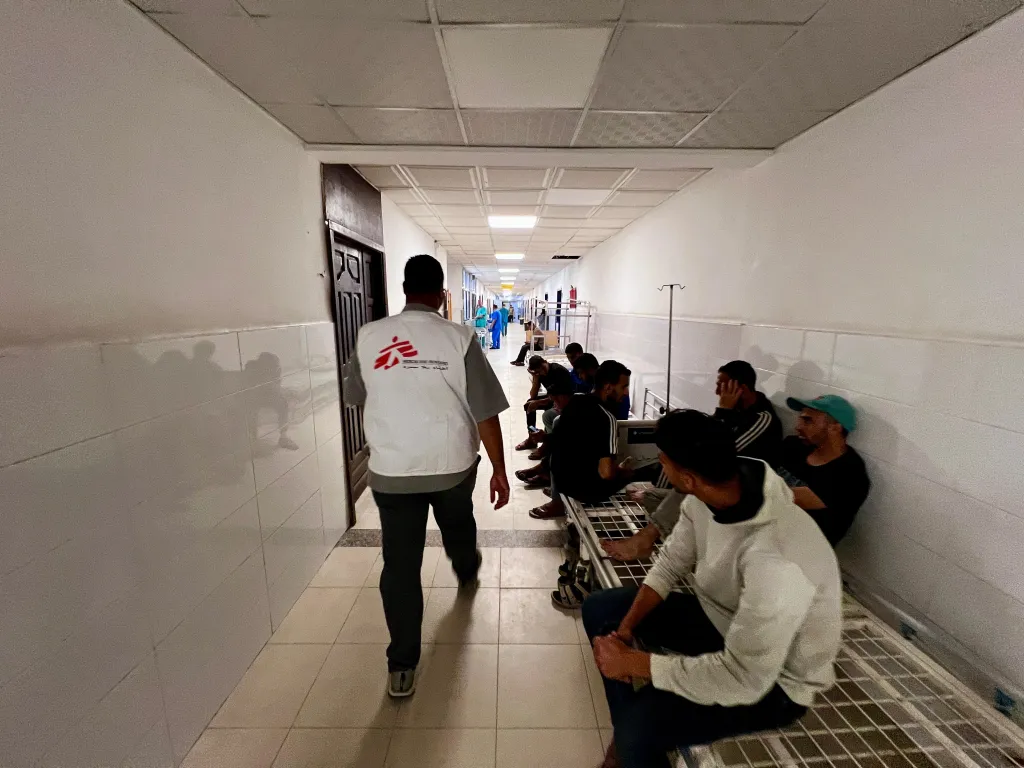
As a result, except for the preservation of service in the ER, the PHCC teams have been forced to work in a reduced capacity, down to half-days to minimise the number of staff moving on the roads in such dangerous conditions. They continue to try to respond to the medical and psychological needs of people who were forced to flee during the renewed bombardment. The teams come to work and are frightened by the constant bombing. They worry that it is so close to the clinics; they are also scared for their families that they have left so that they can come to work.
During the period of my assignment, the teams were seeing increasing cases of traumatic injuries, chronic disease patient needing medications. Routine vaccinations were interrupted due to the limited human resources available to manage. My colleagues were also expecting to start seeing relapsed and new cases of malnutrition in children and pregnant and breastfeeding women. Because of the lack of food availability, prices were high in the market, humanitarian food distribution was limited, and bakeries were closing.
Skin infections caused by widespread outbreak of scabies and lice were made worse by overcrowded unsanitary living conditions. The medicated cream MSF prescribed to treat scabies and lice was in critical short supply leading to many undertreated cases.
As at mid-May, medical and humanitarian needs continue to skyrocket in Gaza. MSF continues to work in Nasser and Al-Aqsa hospitals, a field hospital in Deir Al Balah, six primary healthcare centres (PHCC) and three clinics.
Will you support us?
As an independent, impartial and neutral medical humanitarian organisation, Médecins Sans Frontières can respond rapidly to emergency situations and deliver urgent medical treatment to people in need, no matter where they are.
By making a donation, you can help ensure that MSF staff can provide medical assistance during times of crises where it is needed most—in Gaza, in Sudan, and around the world.