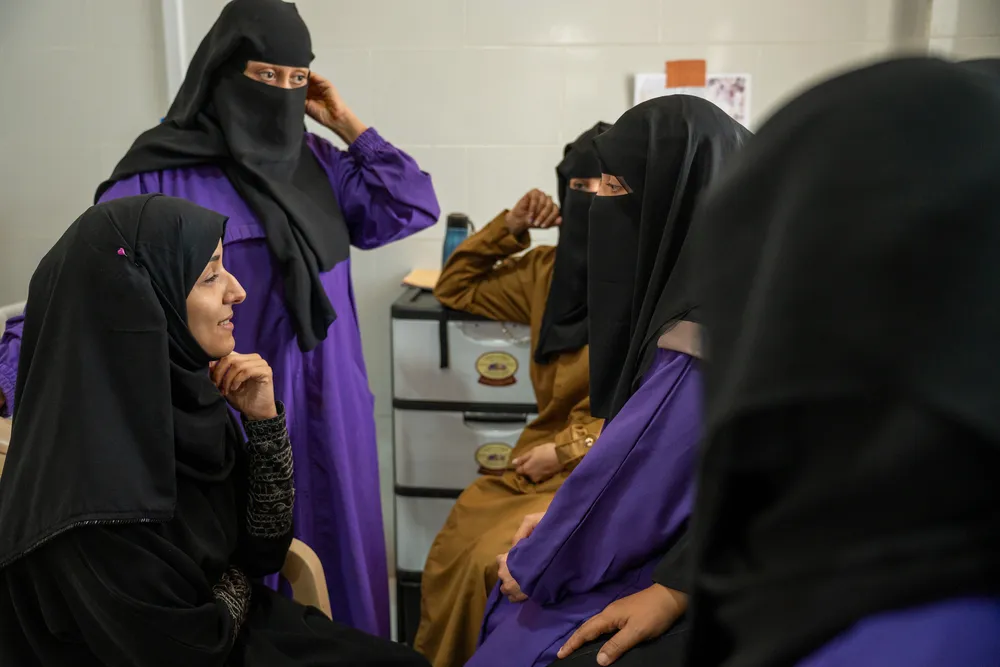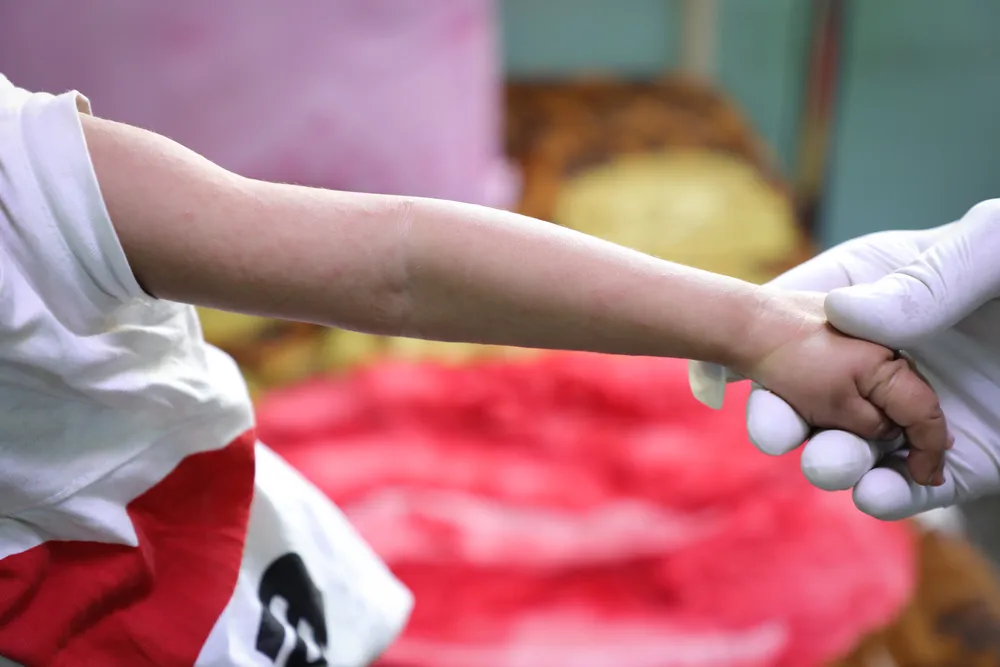
In Mocha, MSF still supports the General Hospital as needs remain massive
In Yemen, the escalation of the conflict and the rapid advance of Ansar Allah forces on the western coast have had a profound impact on MSF activities. Lou Cormack, MSF Country Coordinator in Yemen, explains the situation.
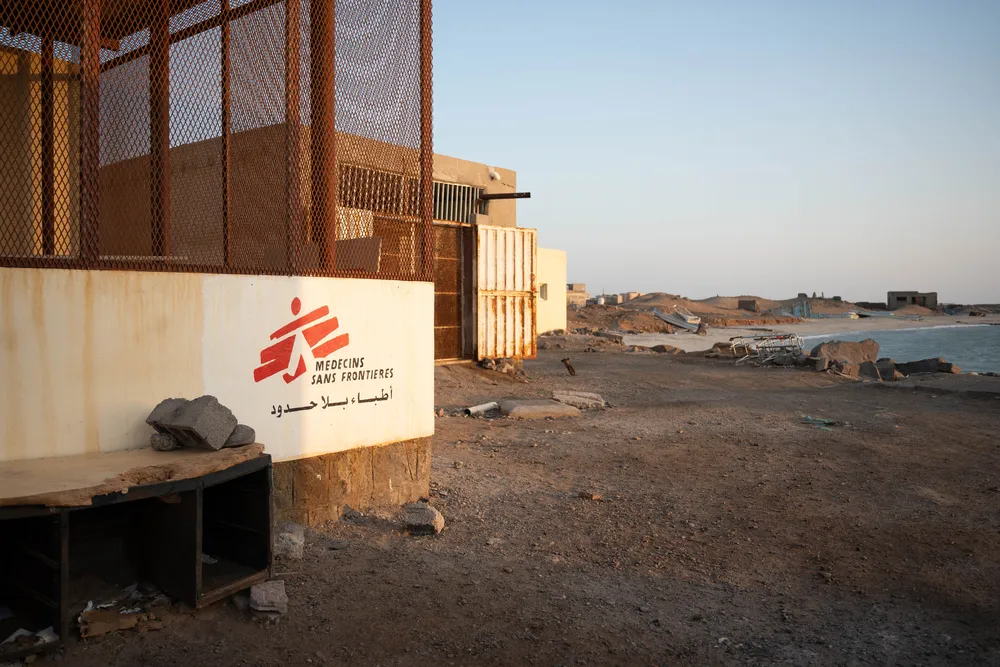
Our teams have been present in Mocha and the surrounding area since 2018. Our work focuses on improving access to paediatric and maternal healthcare, a lifeline for many women and children in an area where access to such care is a daily challenge.
In Mocha, we support the General Hospital through the direct presence of MSF teams, as well as through broader support to the hospital and Ministry of Health staff. Outside the city, we also support maternal and paediatric healthcare in two healthcare centres in the region: Mafraq, east of Mocha, and Khawkhah, to the north. In these two facilities, our support includes funding, training, medical equipment, and supplies. We do not have permanent MSF teams based there.
The rapid evolution of the situation this month, including the swift advance of Ansar Allah forces and their control of most of the western coast, has had a major impact on both medical activities and the needs of people.
Earlier this month, our teams in Mocha were preparing to reopen our former field hospital in the city to treat patients, including providing trauma stabilisation, in response to the fighting taking place east of Mafraq and the gradual arrival of displaced people in Mocha.
The medical needs were already enormous before the latest escalation. They are even greater now.
We had already started providing water to displaced people arriving in the city, as well as finalising the setup of cholera isolation and treatment units in Khawkhah and Mocha. We were also increasing our ambulance fleet to refer critical patients to Aden, as hospitals there were at capacity.
The rapid advance of Ansar Allah forces has fundamentally changed the situation. Within hours, the hospitals providing trauma services on the western coast were evacuated, while large numbers of people fled Mocha towards the south and Aden, including healthcare workers from the city’s hospitals. The General Hospital in Mocha was no exception.
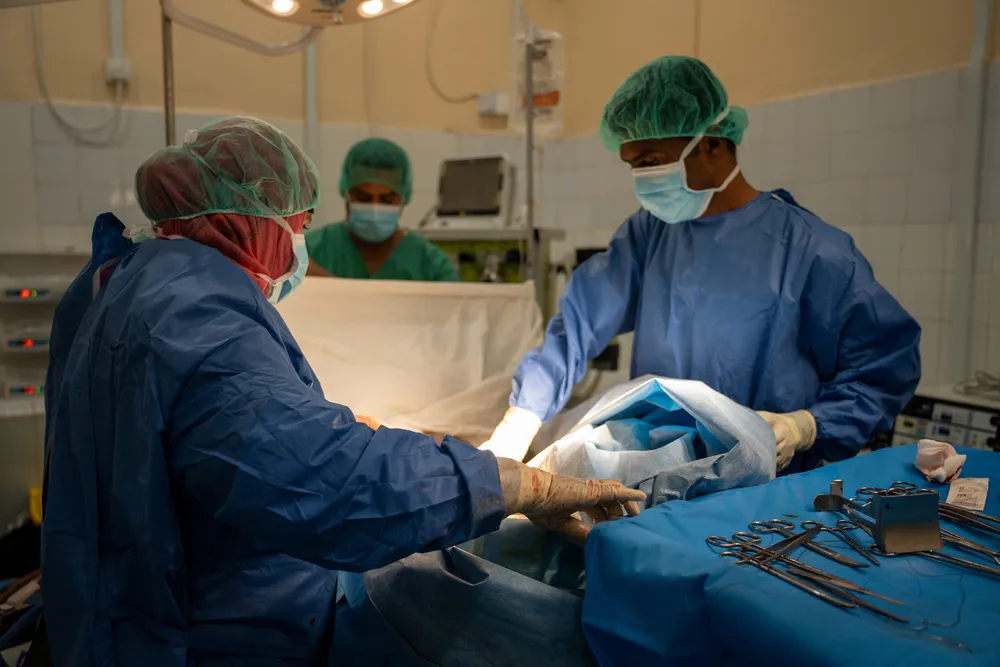
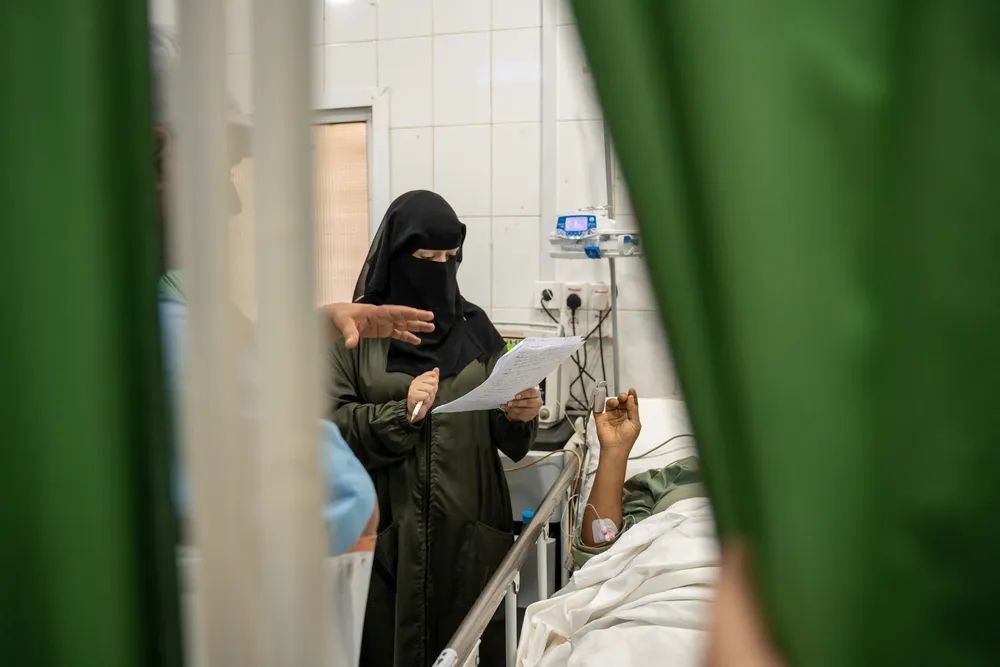
Our team remained in Mocha, but we had to scale back and reorganise our activities and focus on one immediate priority: doing everything possible to keep essential medical services at the General Hospital running.
So far, thanks to the commitment of Yemeni doctors, gynaecologists, nurses, and other healthcare workers, we have been able to maintain a minimum level of essential care, including deliveries, emergency care, and intensive care. As of today, around 30 healthcare workers remain present at the hospital. This may not seem like many, but their work is saving lives.
Our medical and humanitarian mission must be respected... Without these basic guarantees, we simply cannot do our job: treating people and saving lives.
When the city was taken, dozens of patients were still hospitalised in the maternity and paediatric wards. It was essential to maintain their care while continuing to receive patients requiring urgent treatment. On that day [Thursday 10 September], hospital teams cared for two patients who arrived in the paediatric and maternity emergency departments, performed two emergency caesarean sections, and continued caring for seven patients in intensive care and 10 babies in the neonatal intensive care unit, in addition to dozens of other patients and babies in the regular wards.
The situation remains extremely challenging. As of 11 September, almost all other healthcare facilities in the city had stopped functioning, largely because their staff had left. There is currently no possibility of referring patients, either within the city or to Aden.
The medical needs were already enormous before the latest escalation. They are even greater now.
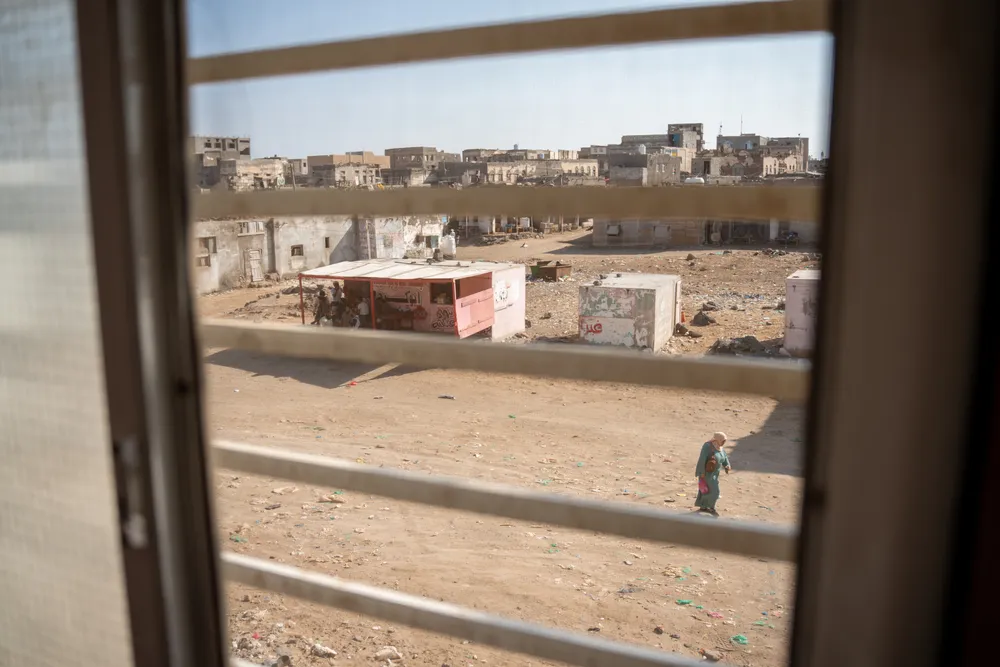
We are looking for ways to reinforce our team in Mocha, but this is not straightforward. The situation remains highly stressful for both people and our teams. There were further bombardments overnight, and there is still considerable uncertainty about what may happen in the coming hours and days.
For us to continue providing care, our medical and humanitarian mission must be respected. Medical facilities, vehicles and staff must be protected so that people can safely access the care they need. This is also essential to allow patients in critical condition to be referred safely when the treatment they need is not available locally. Any threat to the medical mission puts the provision of essential healthcare at risk and may jeopardise our ability to continue working in Mocha. Without these basic guarantees, we simply cannot do our job: treating people and saving lives.
We do not know what will happen next. What we do know is that medical needs are enormous and go far beyond trauma care. We will continue to do our utmost to support the community and maintain access to essential healthcare for as long as we can.