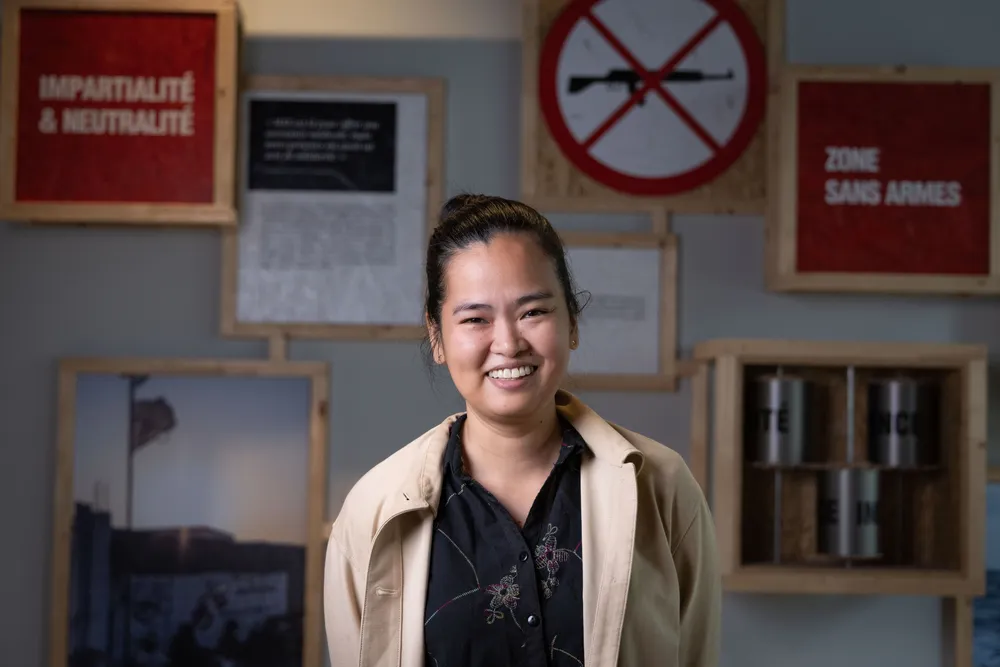
Jessa Pontevedra joined Médecins Sans Frontières/Doctors Without Borders (MSF) teams in the first week of our response to the major earthquake in Myanmar. A flying emergency medical coordinator based in South-East Asia, her role is to evaluate the condition of facilities and the needs of people in the capital and the city of Mandalay near the epicentre in Sagaing.
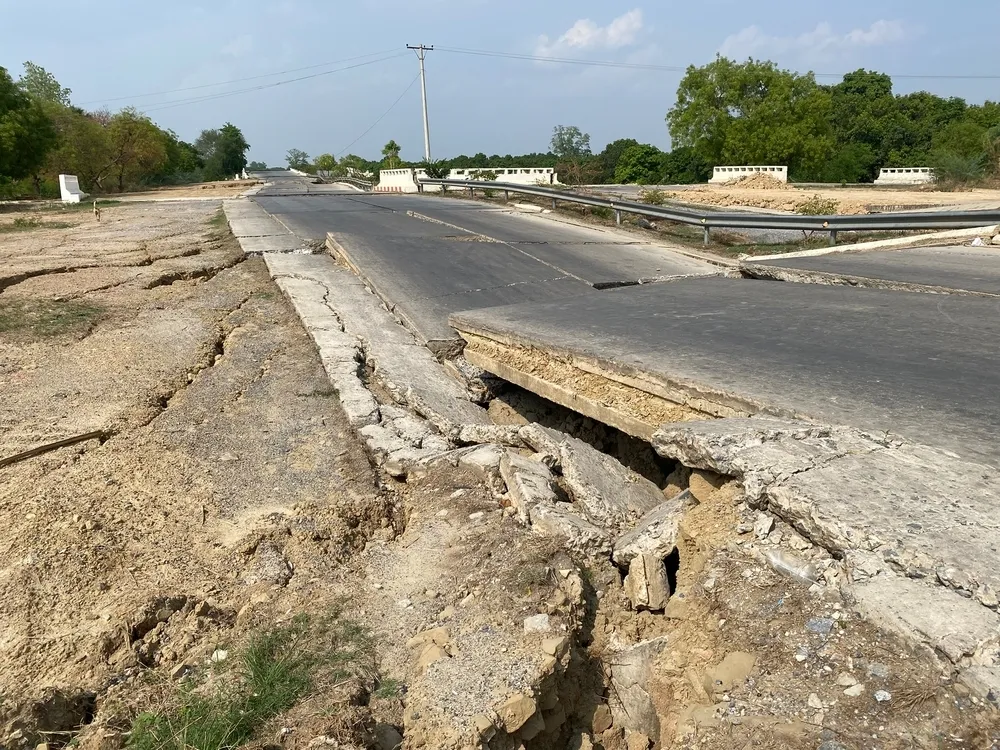
She lands in Yangon on 1 April—it is the middle of the night—but heads to our office for briefings. After a few hours rest, she sets out with others on a 6.5-hour drive to join team members who arrived a day earlier in Naypyidaw. About 100 kilometres from this well-designed city, they see evidence of the earthquake’s reach—cracks mar the road. They are reminded of its impact when they check into their hotel—families forced from their homes, and who can afford the expense, have taken refuge.
A maternity ward in a jewellery museum
“Naypyidaw is home to 1.1 million people. Before the earthquake, it boasted major medical facilities: a 1,000-bed hospital, a 500-bed paediatric hospital, a 500-bed orthopaedic hospital, a 500-bed maternity hospital and more. But they can’t operate to their full capacity due to structural damage.
“One of the more striking examples of adaptation is the repurposing of a 500-bed obstetric children’s hospital. It relocated patients, staff members and some equipment to a private jewellery museum untouched by the earthquake. The owner, eager to help, welcomed a maternity in his building and compound. The museum, originally intended to be a high-end tourist attraction, had become an emergency healthcare space. Inside the grand rooms are rows and rows of beds for pregnant women about to give birth.
“A metal detector at the entrance now serves as the triage point, with desks further inside for antenatal and postnatal consultations. Other rooms are transformed into emergency wards. An operating theatre is already performing C-sections. Staff members forced from their homes have set up tents in the compound for themselves and for families of patients. A brick building in the back of the compound, which looks like a train station, houses administration offices and a kitchen.
“I meet the superintendent. She is still smiling amid the hectic environment. I learn staff members and families of patients are sharing meals, offering donations to those in need, supporting each other. Everyone is coping as best they can, collectively.
What I see in Naypyidaw touches me to my core as a public health professional, but what I see in Mandalay touches me to my core as a humanitarian.
Solidarity and dedication
“A paediatric hospital, originally another 500-bed facility, has been relocated across the city and is now operating as a 32-bed township hospital, without an operating theatre. Looking at the community’s needs—pregnant women giving birth and children getting sick—the math is not adding up. Meeting the superintendent at this facility deeply touches me. The healthcare professionals are so dedicated, trying their best. This coming together resonates with me as I am South-East Asian and this is a big part of our culture. They are also appreciative that MSF is with them in this emergency.
Homeless in an urban space
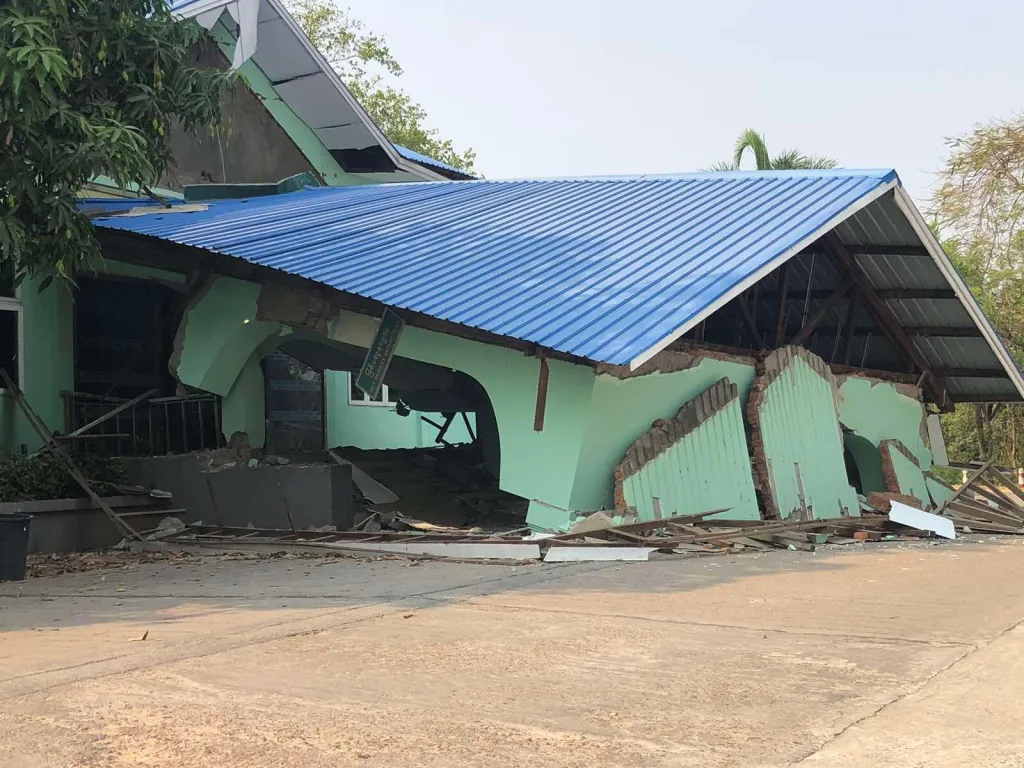
“I leave Naypyidaw five days later, taking the old highway instead of the express road. As we approach Mandalay, we see makeshift shelters of plastic sheeting, housing perhaps 1,000 people. On the other side of the road, buildings lie in ruins.
“The following days, as we move around the city to assess the hospitals, we see similar damage—collapsed houses and communities in disarray. Many affected people, without access to water and sanitation, lacking the basic requirements to preserve their dignity, are vulnerable. Families who chose to stay close to their houses are staying at the gates, in the front yard or along the street. Some even re-enter, risking further injury to access facilities such as bathrooms.
“The hospitals are partially functional and able to attend to the injured, although oftentimes outside barely shielded from the elements by simple tarps.
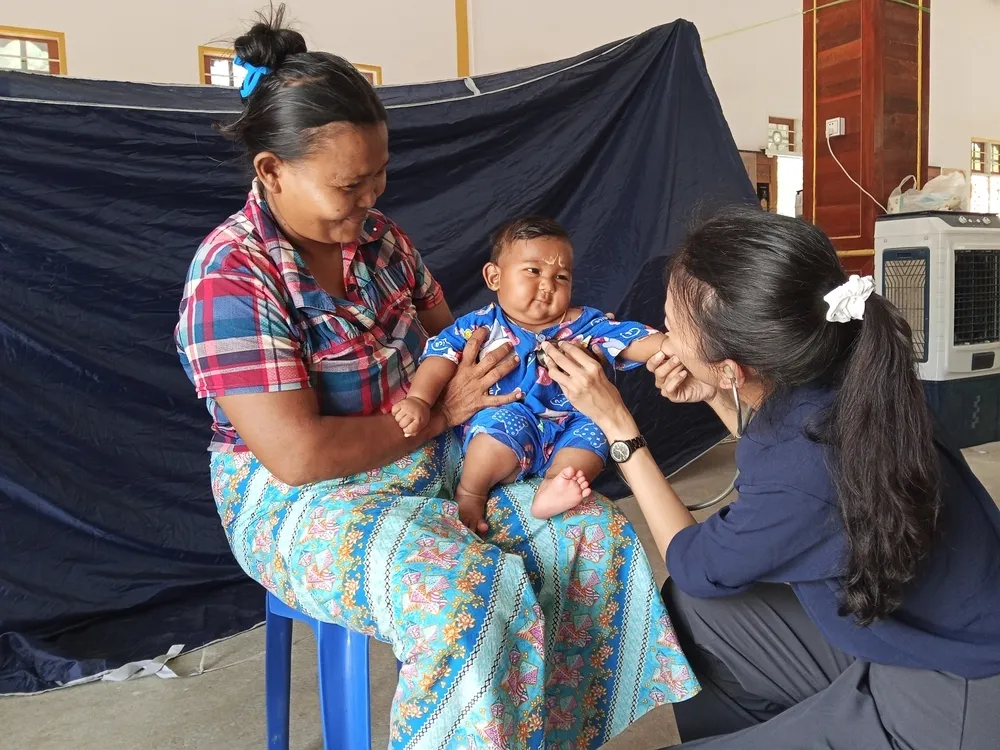
“Throughout these assessments, our teams are already providing basic healthcare consultations and psychological first aid and, with local civil society organisations, distributing relief items such as hygiene kits. The logistics teams are working tirelessly to restore water and sanitation facilities, setting up latrines in monasteries where many displaced families are seeking refuge.
“With the rainy season approaching, the challenges are mounting. The situation might become precarious if, with the risk of disease outbreaks, thousands are left homeless in urban areas.
Challenging perspectives but strong community resilience
“What I witnessed in Naypyidaw touched me to my core as a public health professional, but what I saw in Mandalay touched to my core as humanitarian.
“For now, the communities are finding ways to support one another. On my morning run, I met a couple staying at the same hotel in Naypyidaw. They were also exercising. The man would have been celebrating his birthday, but given the situation, not with a party. “We have lost our home, too,” he says, “but we are bit more blessed, so we want to give back.” And they did so by distributing food, water and relief items in one of the most affected neighbourhoods. I also keep in mind a doctor I met. Coming from a less affected town, he rallied some healthcare colleagues to set up a free clinic. The community spirit in Myanmar is powerful, but I wonder, How long can it last?.
Help us bring crisis care
As an independent, impartial and neutral medical humanitarian organisation, Médecins Sans Frontières/Doctors Without Borders responds rapidly to emergencies, delivering urgent treatment to people in need no matter where they are.
Your donation will ensure our teams can continue providing crisis care where it is needed most—in Myanmar and around the world.