Haiti
Haiti’s healthcare system remains precarious in the wake of natural disasters and ongoing political and economic crises. Ongoing disasters have led to Haiti becoming the poorest country in the Western Hemisphere.
The latest in Haiti
On October 2 the Haiti government announced the resurgence of cholera, which was last recorded in 2019 at the end of an epidemic that caused the death of 10,000 people. Approximately 8,500 patients with cholera symptoms have been reported and around 100 have died. This resurgence of cholera is an illustration of an extremely degraded health context, which is in turn symptomatic of a catastrophic political, economic, security and health crisis.
MSF cholera treatment centres are overcrowded and have been seeing an average of 250 patients every day since late October, up from 150 in mid-October. The numbers are underestimated because of the difficulties of movement in Port-au-Prince, with the inaccessibility of certain neighbourhoods, and because of the overcrowding of the CTCs, which do not allow for the treatment of all patients.
Political instability, an earthquake in August 2021, a fuel crisis and chronic violence have pushed the healthcare system in Haiti to its limits as needs are on the rise.
The situation in Haiti
Haiti’s healthcare system remains precarious in the wake of natural disasters and ongoing political and economic crises. Ongoing disasters have led to Haiti becoming the poorest country in the Western Hemisphere.
The 7.2 magnitude earthquake in August 2021 is just one in a string of disasters to plague the country. In 2010, a magnitude 7.0 earthquake hit the capital, Port-au-Prince, resulting in thousands of deaths and leaving more than one million people homeless. The already damaged healthcare system was further weakened by the damage caused by Hurricane Matthew in 2016.
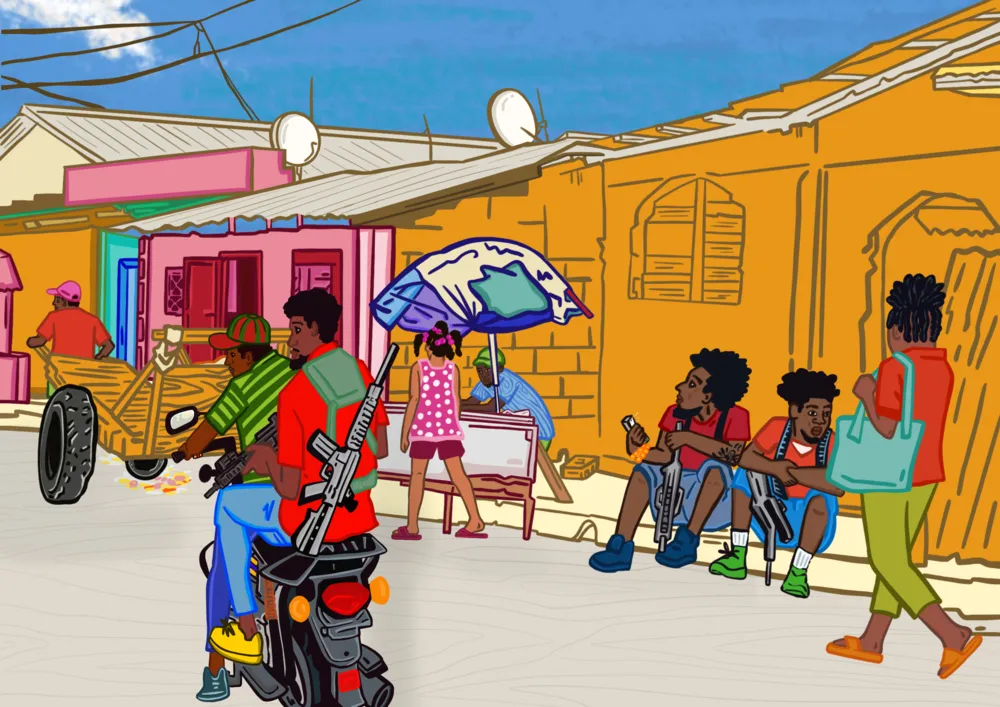
A high level of chronic violence, including armed clashes, robberies and kidnappings, affected people throughout the capital, Port-au-Prince. Entire neighbourhoods were under the control of different armed groups, with shifting territories. In July 2021 the president, Jovenel Moïse, was assassinated, causing additional political and economic turmoil in the country.
People in Haiti continue to face multiple barriers to healthcare amid ongoing political and economic crises. Violence is rife, particularly in the capital, Port-au-Prince, where gangs fight for territory and influence. In 2020, there were repeated strikes and staffing shortages in public health facilities due to attacks on health workers, non-payment of wages and the risks of COVID-19.
Our activities in Haiti
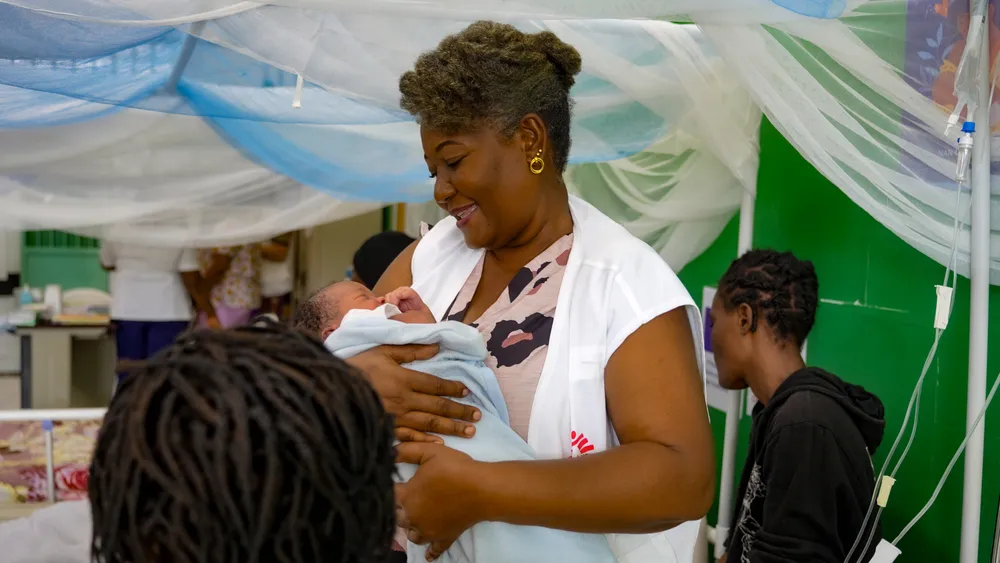
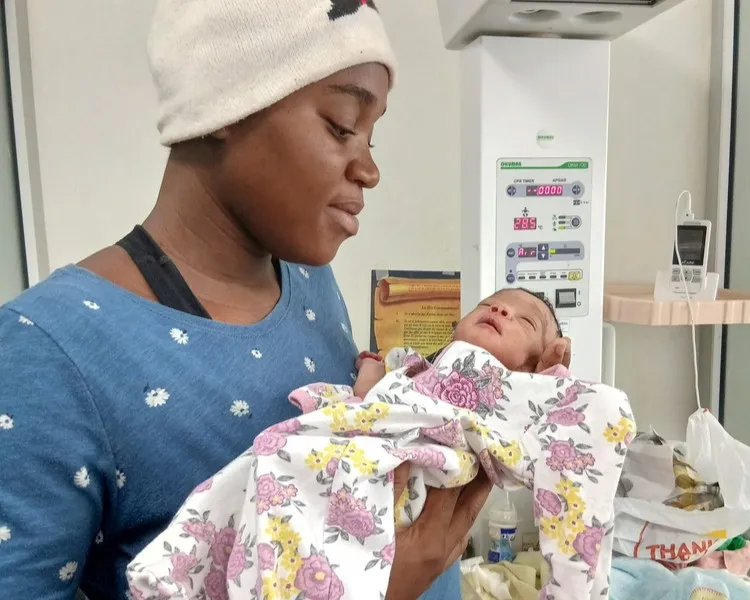
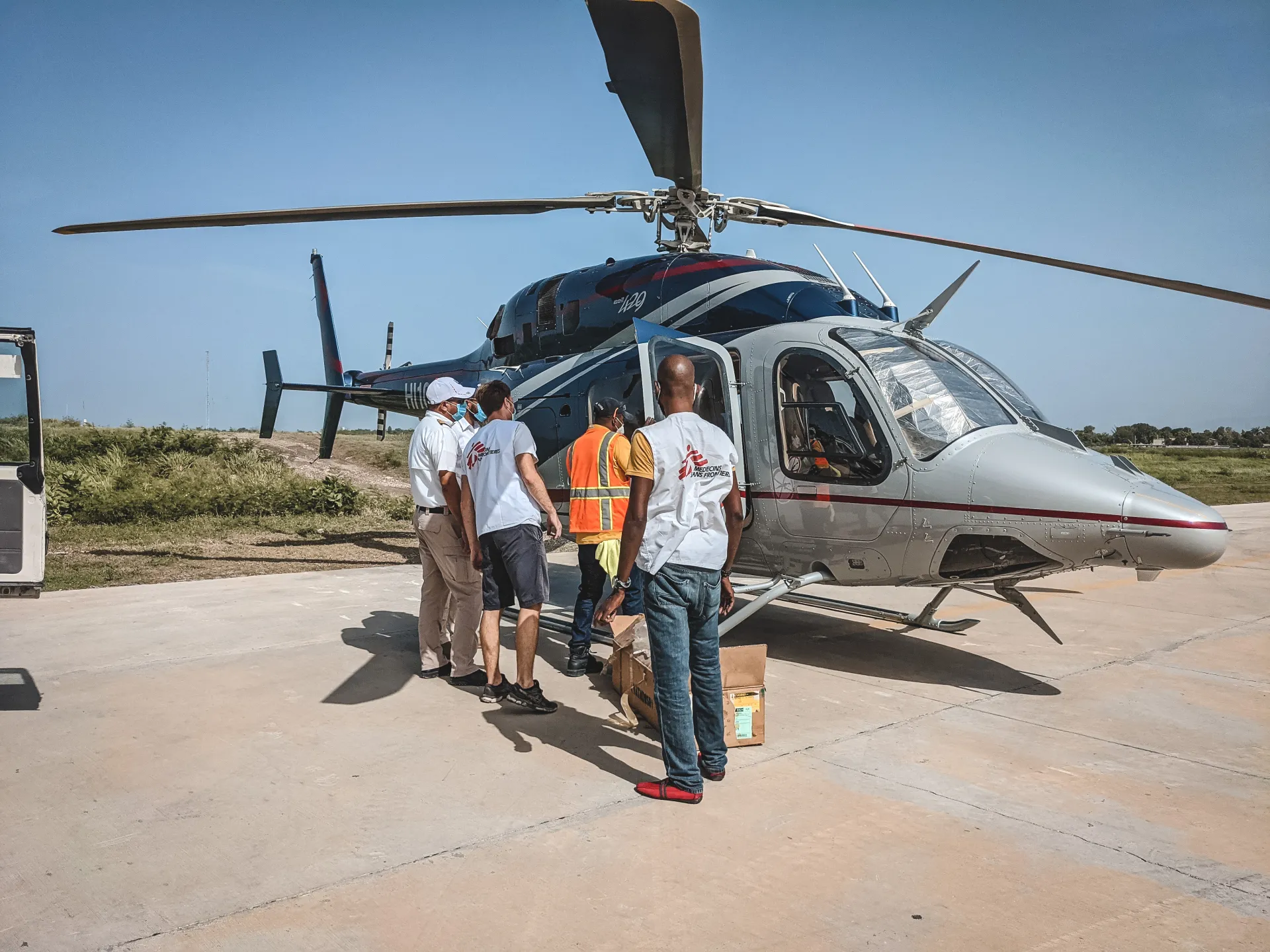
MSF teams have been providing medical care in Haiti for more than 30 years and currently run eight projects throughout the country, in the capital Port-au-Prince as well as the South and Artibonite departments, treating life-threatening emergencies, trauma cases, burns, survivors of sexual violence and providing reproductive care. MSF also regularly responds to emergencies, such as the earthquakes in 2010 and 2021.
In 2021, MSF teams conducted 25,000 emergency consultations, treated 3,220 people with violence-related injuries and helped 1,560 survivors of sexual violence.