MSF AU Venezuela earthquake: Update on MSF’s response
DONATE NOW
Any one off donation makes a tremendous difference in the lives of those in need.
Now, imagine the ongoing and long term impact you can have by becoming a regular donor to our organisation.
Venezuela Earthquakes Update
While we are not currently sending funds from Australia/New Zealand to Venezuela, it is an excellent example of how we do respond when unexpected emergencies occur.
It has been one month since two powerful earthquakes struck the coastal state of La Guaira, and the nation’s capital, Caracas. Officials report that at least 5,208 people have died, and more than 23,800 survivors are living in camps as they have been displaced by the disaster.
MSF teams that were already working in Venezuela were quick to respond after the earthquakes struck, and remain committed to helping tens of thousands of people with not only urgent and primary healthcare, but also access to much-needed water, sanitation and hygiene facilities.
A breakdown of MSF’s current activities is as follows:
Mobile clinics
- MSF currently has permanent mobile clinic teams in Playa Verde, La Guaira state, and in the centre of Caracas, while other mobile clinic teams are providing assistance in various affected areas, like Catia La Mar and Naiguatá.
- The mobile clinics teams include doctors, nurses, a psychologist, a health promoter, and an environmental health specialist, providing primary healthcare, mental health support, health promotion, and water and sanitation assessments for displaced communities.
- These teams are primarily treating cases of diarrhoea, respiratory illnesses, and skin conditions.
- Our teams have already provided more than 1,095 medical consultations - mainly for chronic health conditions, respiratory infections, and skin diseases - and hundreds of individual and group mental health and psycho-education sessions.
Water, sanitation and hygiene (WASH)
- We are moving forward with a water, sanitation and hygiene strategy to prevent the outbreak of diseases, facilitate access to safe water, and install showers and toilets that allow people to live in dignified conditions.
- This already includes supporting four sites for water distribution and the installation of 38 toilets.
- MSF teams responding to previous earthquakes have treated outbreaks of cholera, measles, and respiratory infections among people forced into crowded displacement settings.
- In Venezuela, teams are now monitoring for waterborne diseases as well as mosquito-borne illnesses such as dengue, Zika, and chikungunya.
- To reduce these health risks, MSF teams are assessing water sources, sanitation conditions, and disease surveillance needs in affected communities.
- Activities may include water trucking, chlorination of water supplies, emergency latrines, hygiene kit distributions, and regular mobile clinic visits to shelters and gathering sites.
Ongoing assessment
MSF continues to observe significant needs among people staying in shelters, so we are continually assessing how to adapt our response to the evolving emergency.
HOW MSF USES FUNDS
71%
of our funds are used to further our social mission by providing assistance to people in distress and to victims of natural or man-made disasters.
29%
of our funds are used to responsibly manage our organisation via fundraising and administration activities that ensure we can continue to meet our operational needs.
DONATION FAQS
Here you will find the most frequently asked questions about donating to Médecins Sans Frontières Australia.
Privacy and communications
Your support matters
By making a donation, you are helping to ensure that when an emergency happens, our teams are there to relieve suffering and save lives.

In the worst affected area of La Guaira, MSF continues to support health structures to meet urgent needs, including with mobile clinics in parks, stadiums and spontaneous settlements where many displaced people are currently staying. © Mariana Zupo/MSF
Provide urgent crisis support
MSF teams respond to emergencies in many forms: armed conflicts, disease epidemics, natural disasters, malnutrition crises, and more.
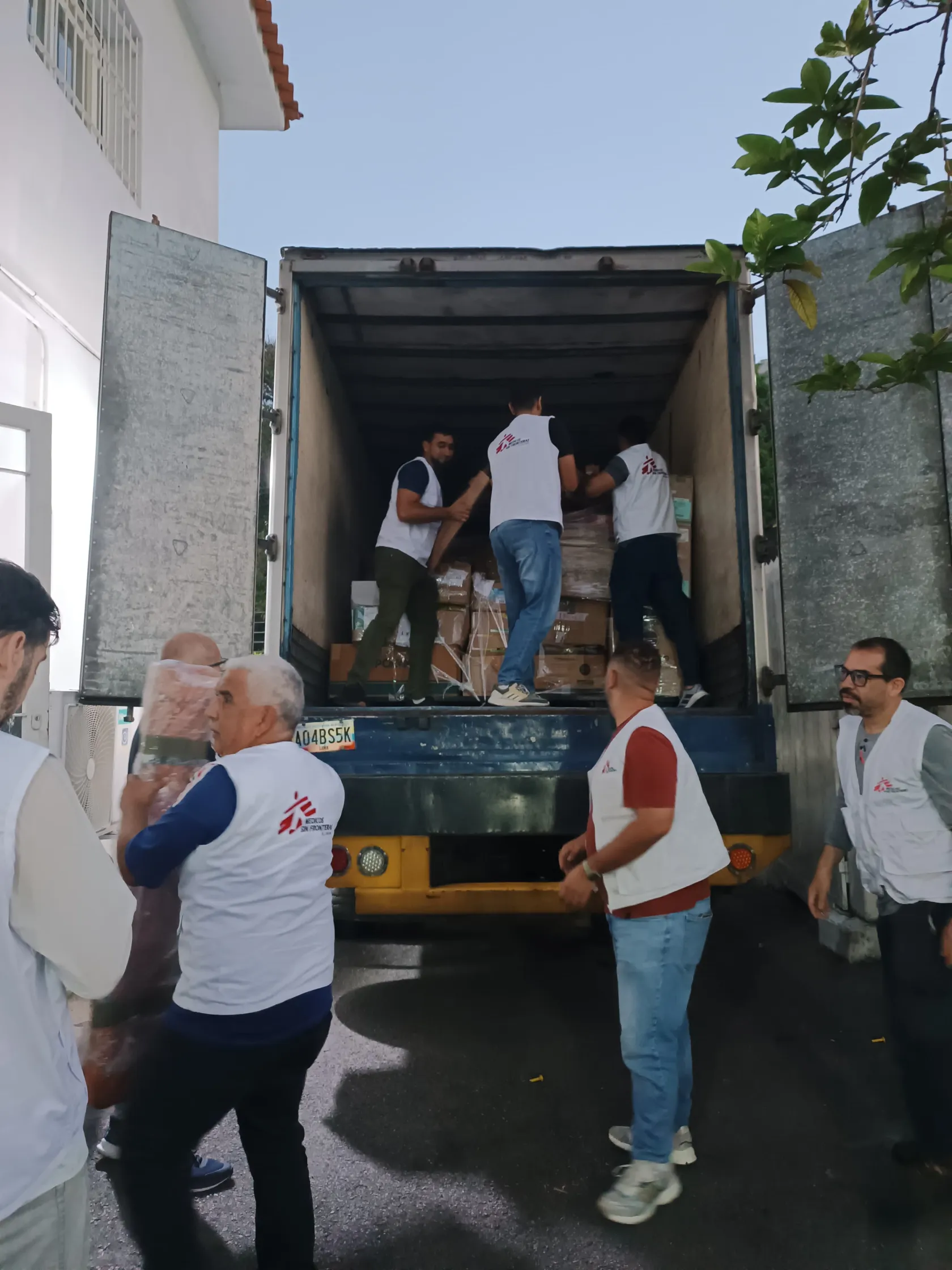
MSF has donated 8.5 tonnes of medications, medical equipment, and sanitation supplies to support overwhelmed healthcare structures in Caracas and La Guaira. © MSF
Help save lives across more than 70 countries
Your donation today will help provide critical medical care where it is needed most.

MSF continues to provide support to eight hospitals, including in La Guaira where the needs for healthcare, water, sanitation and hygiene services remain high. © Mariana Zupo/MSF
TAX DEDUCTIONS
All donations are processed in AUD.
Donations are tax-deductible in Australia only.