Act now. Give to our Ebola Crisis Fund today.
The World Health Organization has declared the current Ebola disease outbreak affecting the Democratic Republic of Congo (DRC) and Uganda a public health emergency of international concern.
Authorities in the DRC have reported hundreds of suspected cases and deaths. There have also been five confirmed cases reported in Uganda. The situation is escalating.
This outbreak has been caused by the Bundibugyo virus which has no approved vaccine, and no approved treatment. It kills up to 40 per cent of the people infected.
Ebola is an infectious viral haemorrhagic fever, transmitted to humans through direct contact with blood, secretions, organs, or other bodily fluids of infected animals. Human-to-human transmission occurs through close contact with the bodily fluids of infected individuals.
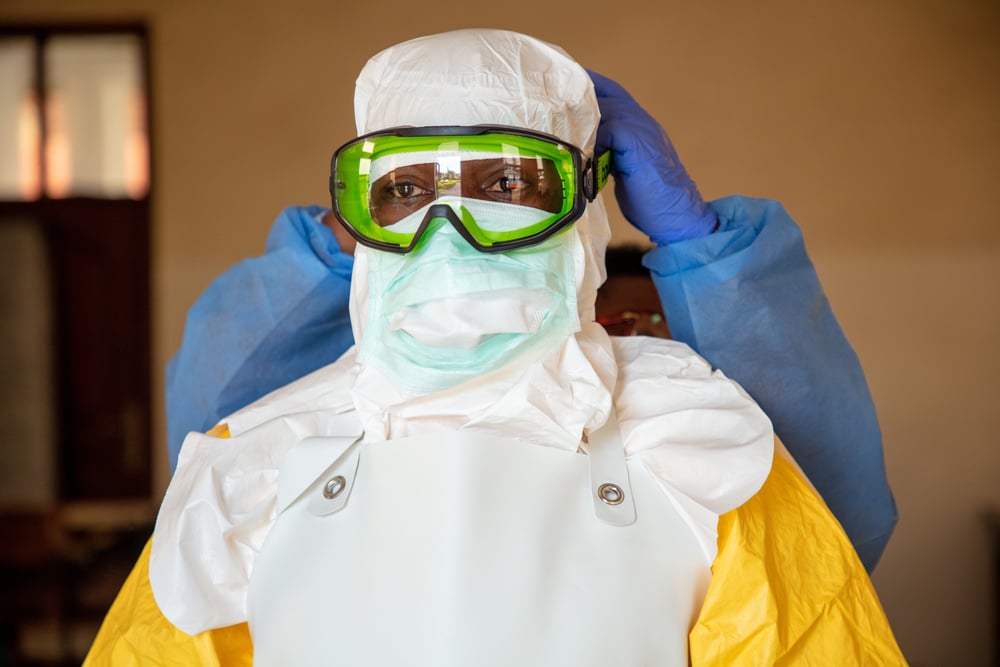
In response, Médecins Sans Frontières/Doctors Without Borders (MSF) is rapidly scaling up its medical response in the DRC’s northeast.
“The number of cases and deaths we are seeing in such a short timeframe, combined with the spread across several health zones and now across the border, is extremely concerning.”
Trish Newport, MSF emergency program manager.
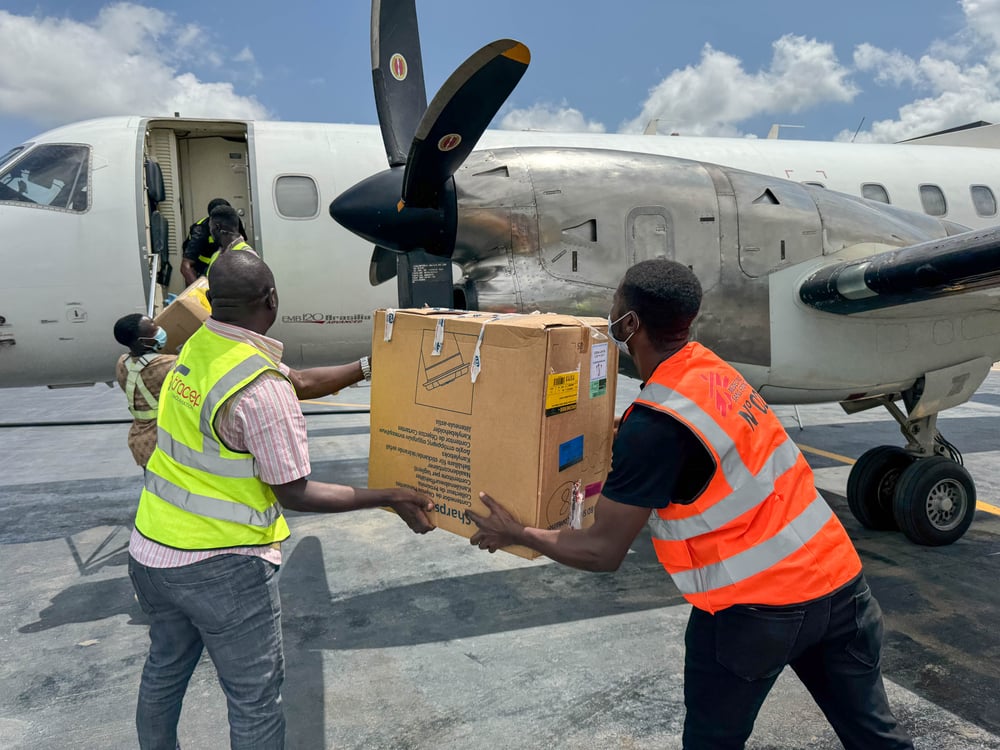
Right now, MSF is mobilising more teams comprising medical, logistical, and support staff experienced in responding to viral haemorrhagic fever outbreaks, as well as essential supplies, to launch a large-scale response as quickly as possible.
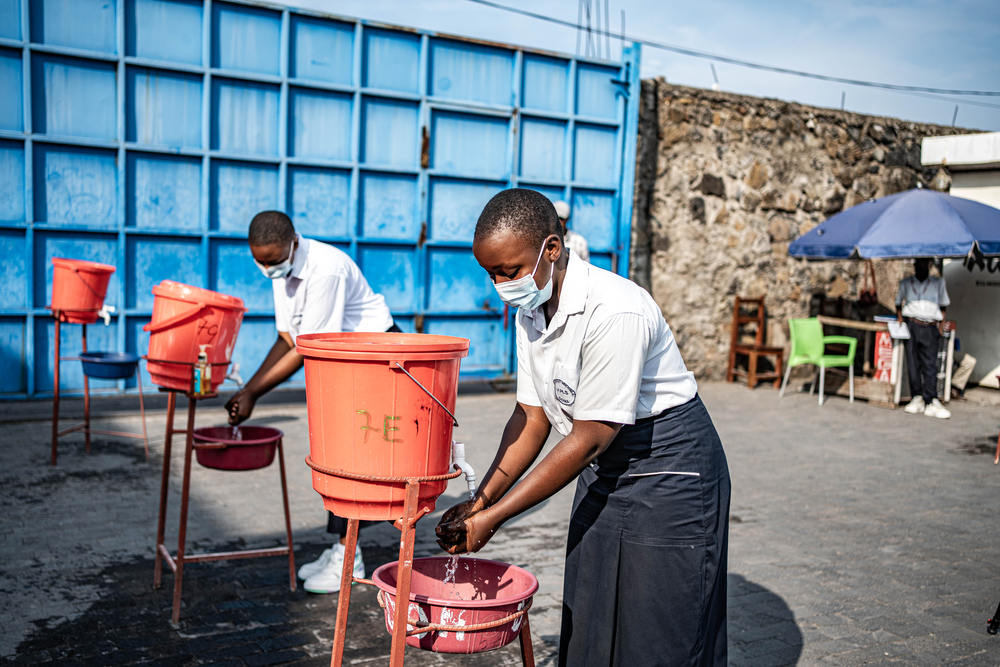
MSF will also work to ensure strict prevention measures are in place in its existing projects in order to protect patients, their access to healthcare, and our staff.
MSF has responded to multiple Ebola outbreaks in DRC over the years. This outbreak marks the DRC's 17th since the first case was identified in 1976.
“In Ituri, many people already struggle to access healthcare and live with ongoing insecurity, making rapid action critical to prevent the outbreak from escalating further.”
Trish Newport, MSF emergency program manager.
Donate to MSF's Ebola Crisis Fund to support our work on the ground.