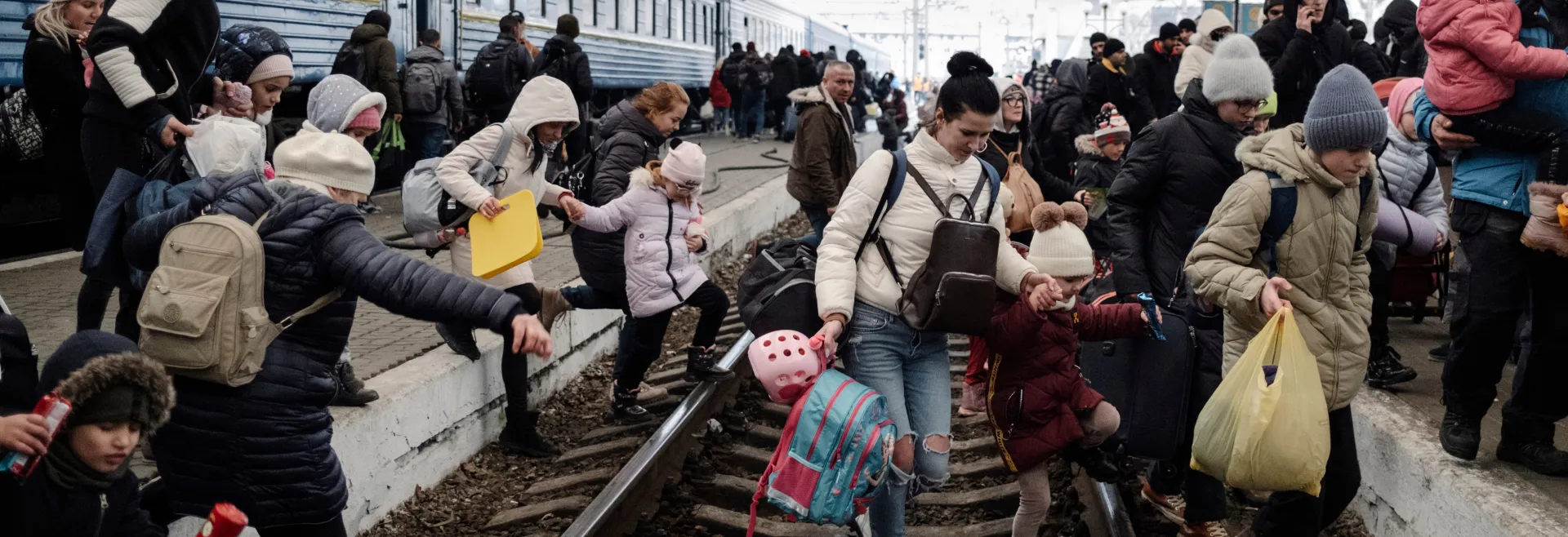
It seems no place is safe in Ukraine. The war continues. Relentless and indiscriminate bombing by Russian forces is causing mass civilian casualties and endangering the lives of humanitarian workers and hospital patients.
We are responding to the humanitarian crisis by providing medical care to people caught up in or forced to flee the fighting. Our teams are donating emergency supplies to hospitals and providing vital training to their staff.
With full-scale war in many areas, movement is dangerous, difficult or simply impossible. We are responding in several provinces, based on where assistance is needed and what will make the most impact.
Crisis in Ukraine


The current situation
As of February 2025
Following continuous low-level conflict in the eastern provinces of Donetsk and Luhansk since 2014, Russian forces attacked multiple cities across Ukraine in late February 2022, leading to full-scale war.
The intense fighting and shelling have forced millions of people to leave Ukraine and becoming refugees. Médecins Sans Frontières/Doctors Without Borders (MSF) teams had been working in eastern Ukraine. We suspended our usual activities, including HIV and tuberculosis programmes, to respond to the crisis.
The conflict is putting a lot of pressure on health facilities that have limited staff and supplies; many hospitals are facing shortages.
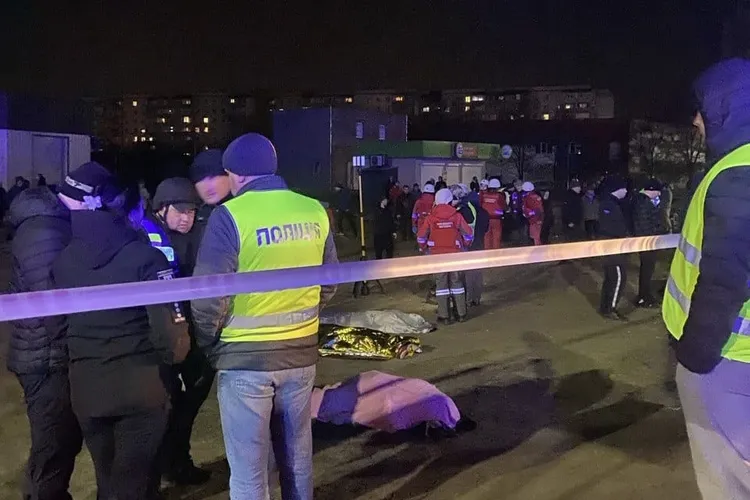
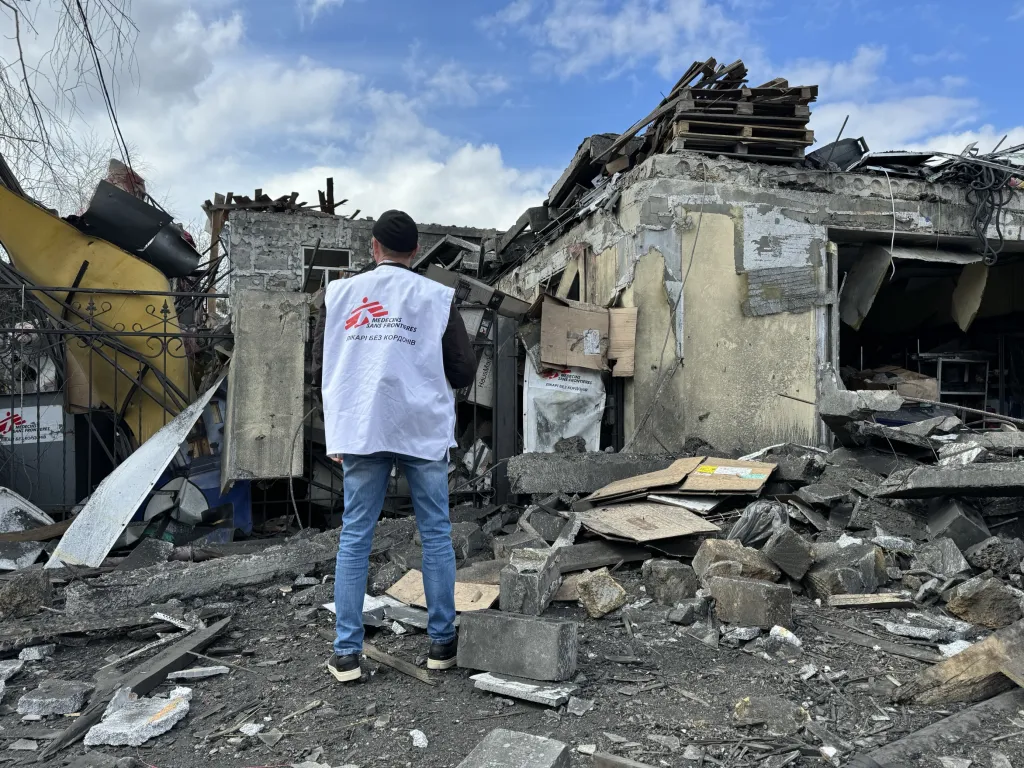
One of the latest examples: 18 people were killed and dozens injured after Russian forces struck Kryvyi Rih in the Dnipro province on 4 April. “People were burned alive in their cars near their homes,” said Yevhen Blinnikov, one of our paramedics. “On the playground, we saw the lifeless bodies of many children—it was heartbreaking.” He worked alongside state paramedics to provide emergency assistance—stabilising the wounded, delivering urgent care and arranging referrals. One of the survivors: a seven-year-old girl who suffered a fractured hip, haemorrhagic shock and shrapnel wounds. MSF is donating supplies to the city’s hospital, which received an influx of patients.
How MSF is responding
MSF continues to offer help for victims of the war. We have 24 international and 384 Ukrainian staff members in the country. This is how they are responding:
Medical evacuations and referrals
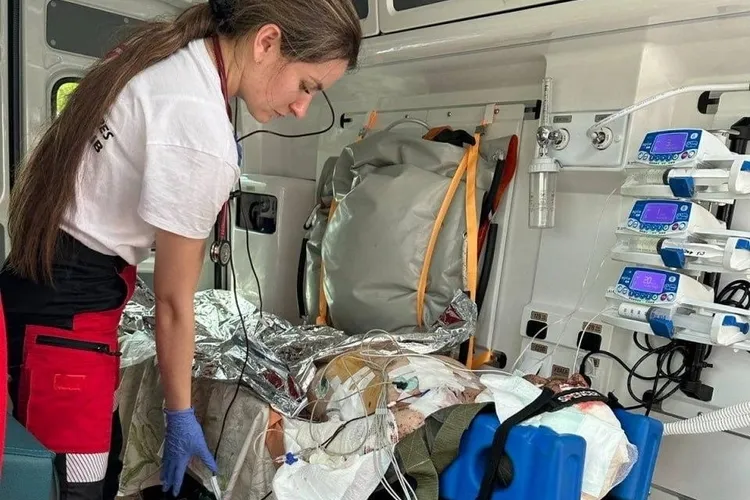
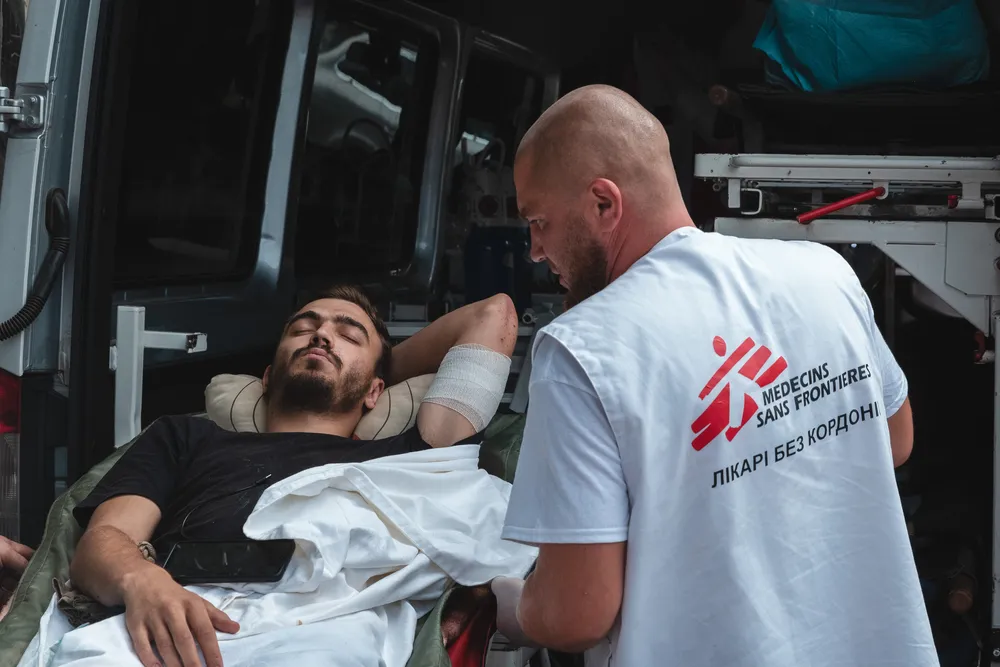
Our fleet of 21 ambulances is evacuating patients from overburdened hospitals near the frontlines in the east and the south to hospitals with more capacity in safer central and western areas. Almost half the patients have trauma injuries. About 20 per cent require intensive care. Our team referred more than 14,000 patients in 2024.
Emergency services
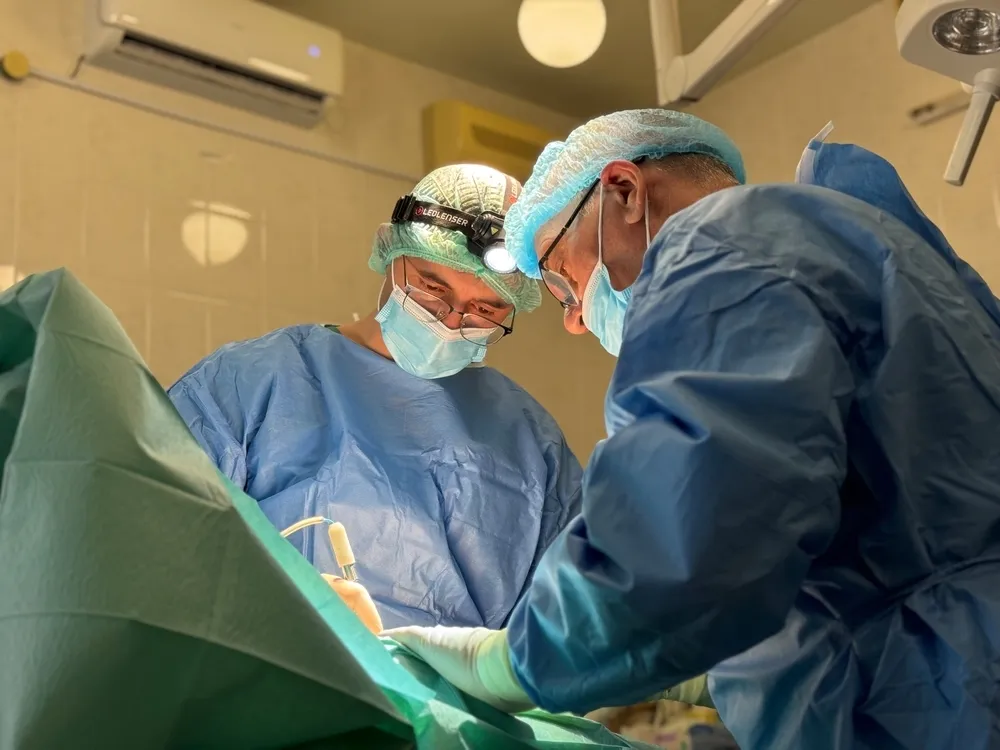
We are supporting surgical and trauma activities in Kherson and offering surge capacity support for Pokrovske hospital in the province of Dnipro. Our medical team triages and stabilises patients before referring them to in-hospital departments, to emergency surgery or to other hospitals.
Early rehabilitation
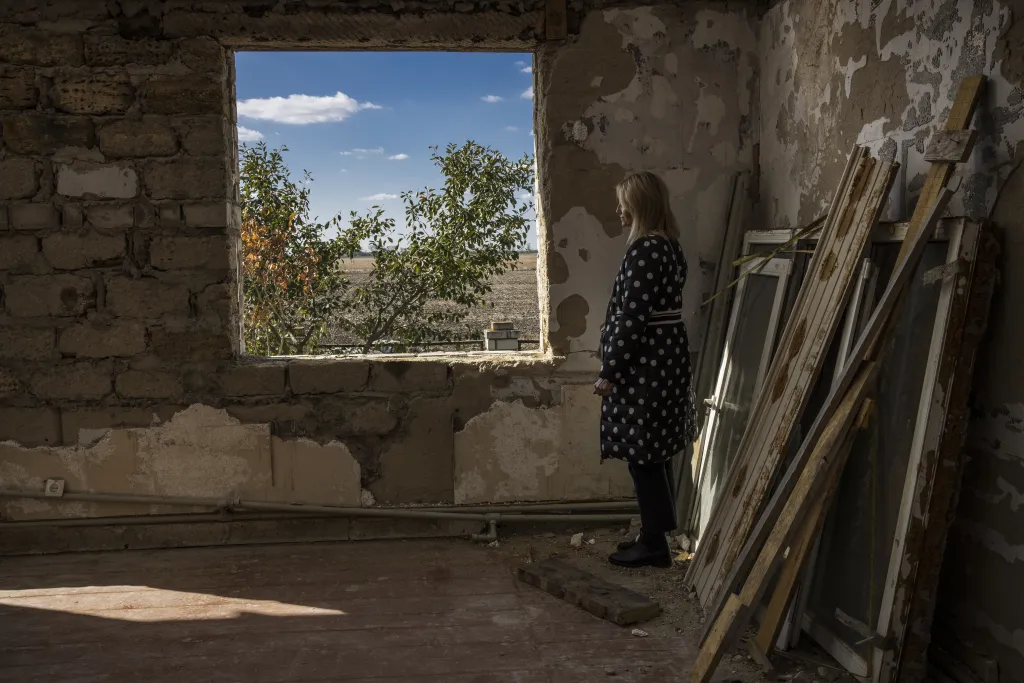
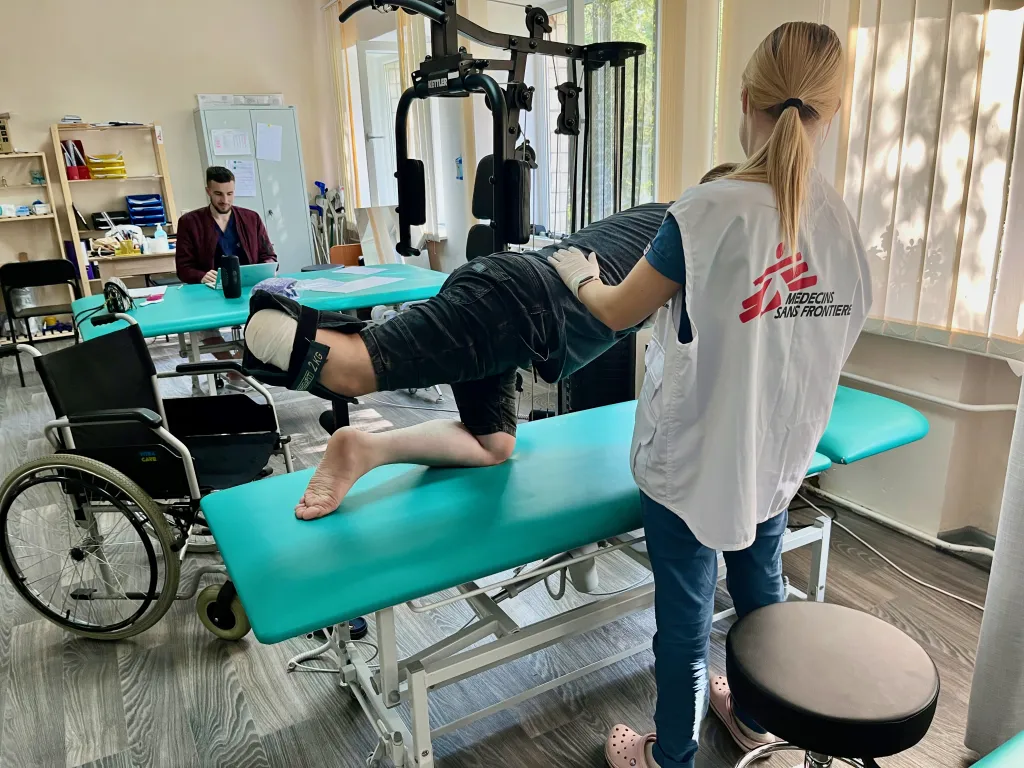
We are supporting seriously injured post-surgery patients in the provinces of Cherkasy and Odesa with specialised physiotherapy and post-operative care as well as psychological support. The multidisciplinary approach lowers the risk of patients developing long-term medical problems or permanent disabilities. With almost all patients in 2024 suffering from violent trauma and half diagnosed with post-traumatic stress disorder, treatment can take months.
Psychological care
We are providing specialised psychotherapeutic services for people in the province of Vinnytsia experiencing post-traumatic stress disorder. A new custom-designed mental health centre offers psychological sessions. Our specialists provide techniques to reduce and prevent worsening of symptoms, increase coping skills, improve interpersonal functionality and decrease the consequences of traumatic stress. We also have a team promoting mental health in the community. And training we provide to health professionals and practitioners in partner organisations and medical professionals in basic healthcare centres helps them refer patients to our services.
Mobile clinics
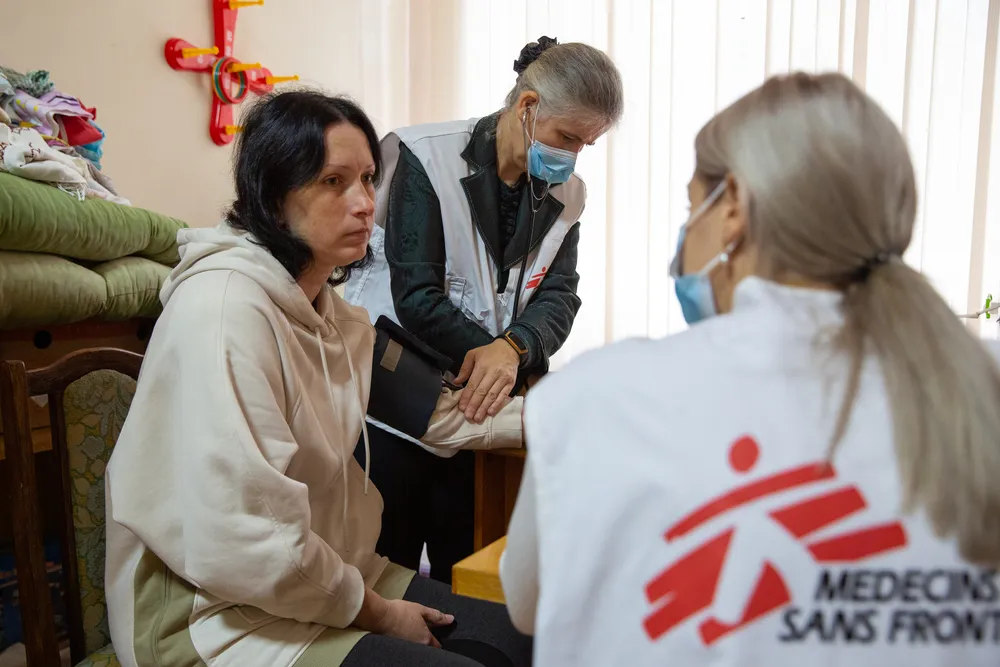
Our mobile clinics in the provinces of Dnipro, Donetsk, Kharkiv, Kherson and Mykolaiv are supporting people who cannot regularly access healthcare because they have been forced to leave their homes or live near the frontlines. To ensure continuity of care, particularly for patients with chronic diseases such as diabetes and hypertension, teams of doctors, psychologists and health promoters provided more than 46,000 basic healthcare, more than 3,900 sexual and reproductive health and more than 3,200 mental health consultations in 2024. The teams are also improving the capacity of the healthcare system by helping reconstruct health facilities and train healthcare staff.
Support to hospitals
We sent more than €1 million in donations—including ambulances, generators and medicine—to hospitals, partners and patients in 2024. As requested by hospitals and other medical facilities, we also offer training for mass casualty response, pain management, first aid and psychological group sessions.
In neighbouring countries

Our history in Ukraine
We first worked in Ukraine in 1999, supporting the Ministry of Health to treat HIV. From 2011 to 2014, we provided a programme in detention centres and prisons in the Donetsk province to treat drug-resistant tuberculosis (DR-TB).
We responded to the conflict in eastern Ukraine from 2014 by: working to improve access to basic healthcare and mental health through mobile clinics and medical donations to hospitals, and; continuing to provide specialised programmes for treatment of infectious diseases, including hepatitis C.
Before the full-scale war, we provided a programme to treat DR-TB in the Zhytomyr province. We suspended this programme in 2023 so we could respond to needs created by the war.
Help us bring crisis care
As an independent, impartial and neutral medical humanitarian organisation, Médecins Sans Frontières/Doctors Without Borders responds rapidly to emergencies, delivering urgent treatment to people in need no matter where they are.
Your donation will ensure our teams can continue providing crisis care where it is needed most—in Ukraine and around the world.