Crisis in Syria

MSF is delivering critical care and relief in Syria to strengthen the health system and curtail a health catastrophe.

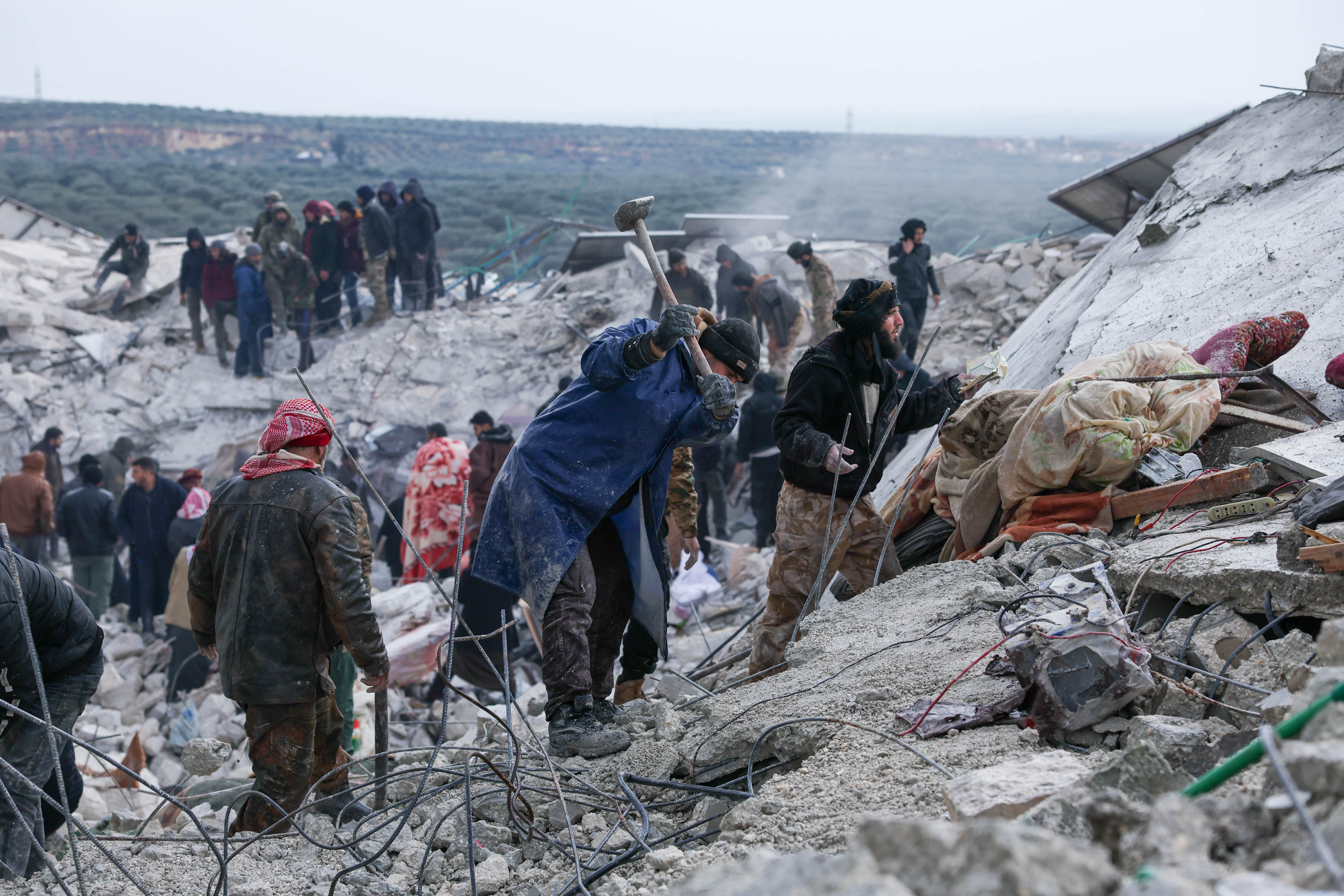
Sectarian tensions and border clashes—often marked by violence—are obstacles to stabilisation and reconciliation in Syria. With 90 per cent of the population living in poverty (UNHCR 2025), health and humanitarian needs are increasing to record levels but cuts to aid are limiting access to care.

The country is vulnerable to emergencies—a shortage of health workers, healthcare centres and hospital beds means the system struggles to meet even routine needs.

Of concern: dire water and sanitation conditions and poor hygiene. These are putting the health of people, particularly those who are internally displaced, at even more risk.

 

Crisis in Syria

NeglectHumanitarian needs at record levels
More than 16.5 million people require humanitarian assistance, the highest level since the crisis began in 2011 (UNHCR 2025).


RefugeesRefugees and displaced persons in the million
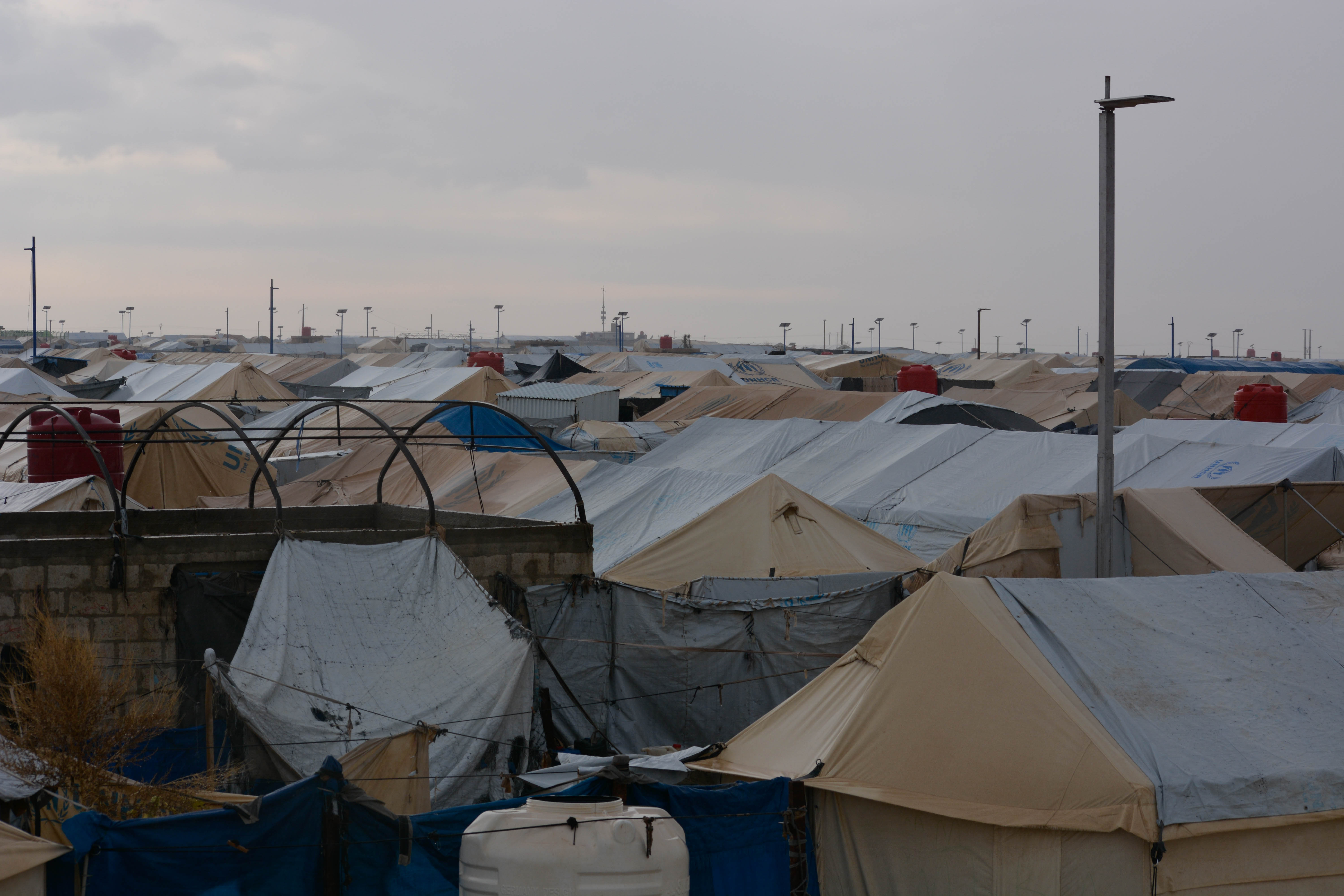
More than half of the pre-war population is displaced, including more than 5 million refugees in neighbouring countries and more than 7 million in Syria (UNHCR 2025).


HealthcareHealthcare system weakened by war
Significant turmoil has weakened the health system in Syria—the number of patients is increasing but the ability of health workers to respond is decreasing.

The current situation

As of March 2025

Syria is emerging from a 14-year conflict but is experiencing a critical disconnect between health and humanitarian needs and funding and resource allocation.

A decrease in aid is restricting response, with an estimated 40 per cent of health facilities suspending or reducing capacity. This is leading to an increase in hardship. For example, 87 people wounded by war—including unexploded ordinances—received treatment at the National Hospital in Deir ez-Zur in February 2025. The hospital is the only provider of surgical trauma care in the governorate, but it is dysfunctional due to lack of budget, neglect and war.

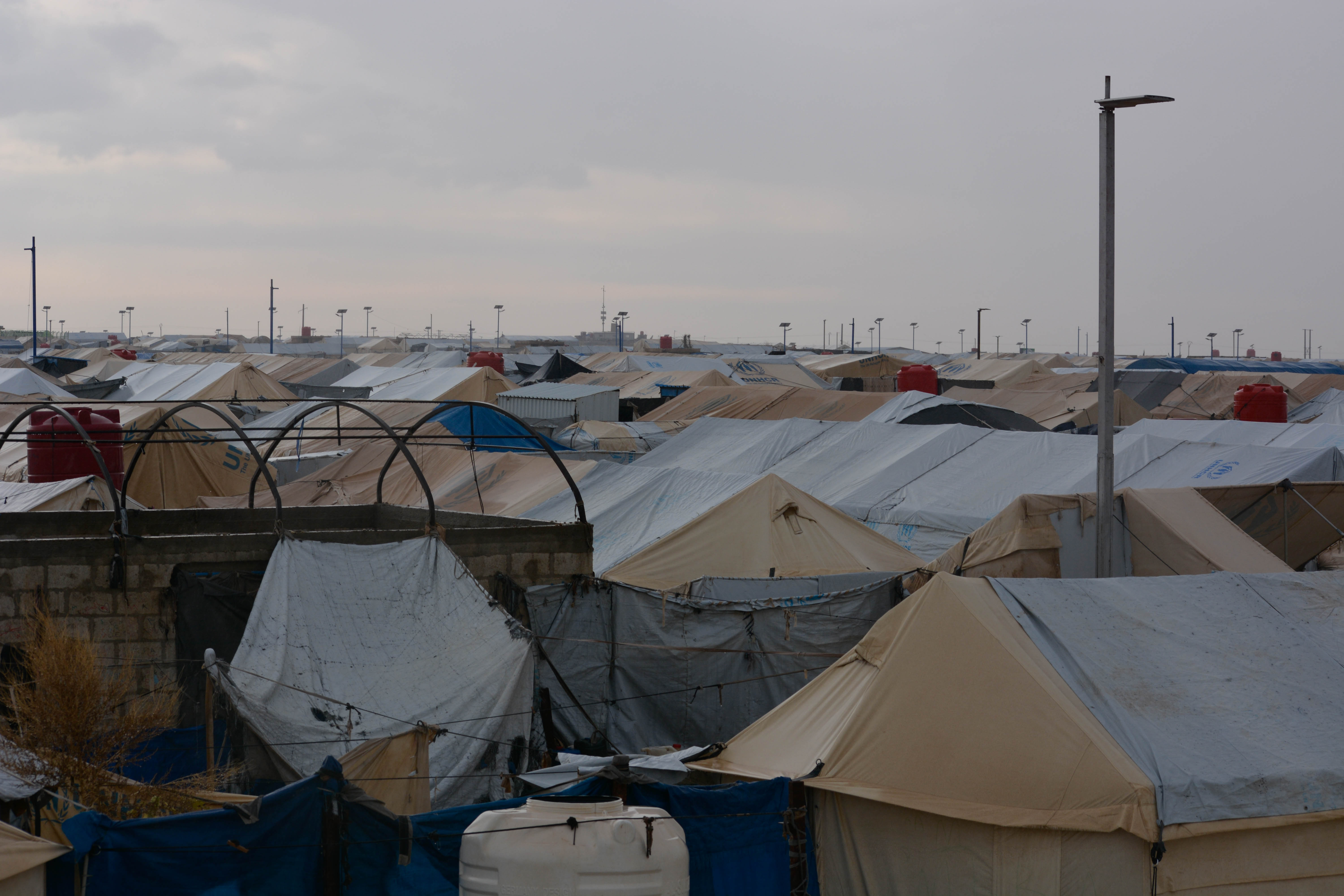
The decrease in aid is also increasing hardship for the more than 2 million people forced to leave their homes for overcrowded camps. For example, water trucking is suspended in some camps and access to external medical referrals severely impacted in all camps. For the nearly 38,000 people at the Al-Hol camp in the northeast, services in The National Hospital in Al Hasakah were cut without warning, leaving patients to bear the cost of referrals themselves.

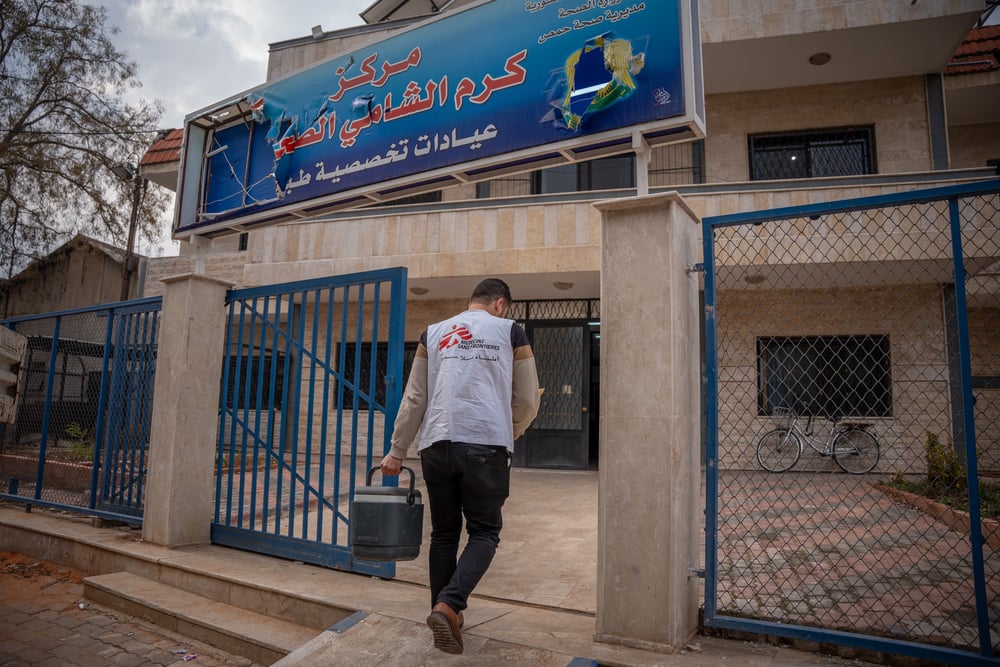
Medical donation delivery

MSF delivered urgent medical donations to two hospitals and three health centres in Homs following comprehensive assessments in the governorate. | January 2025 © Abdulrahman Sadeq/MSF


How MSF is responding

Following the collapse of president Bashar al-Assad’s government in December 2024, our teams travelled to Damascus, Aleppo, Daraa, Hama and other governorates in early 2025. Their assessment of needs: the displacement crisis—once considered the biggest in the world—is still far from over, and; the depleted health infrastructure, lack of safe access to care, dire living conditions and catastrophic water and sanitation infrastructure raise significant concerns for safety and wellbeing.

We are committed to continue providing medical care in the northwest and northeast, and we are expanding our presence to launch new activities in Damascus and other governorates.


Where MSF is responding

Map

Northwest

Idlib and Aleppo

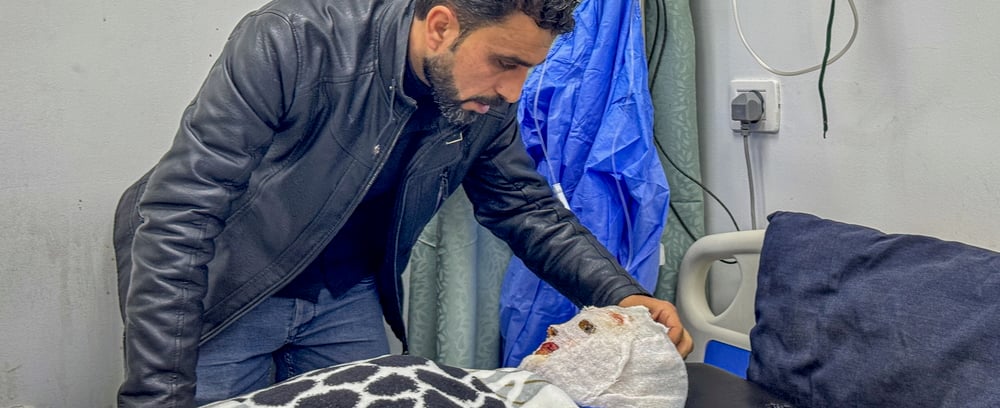
A new programme at our hospital in Atmeh—producing 3D-printed compression masks—enhances recovery for patients suffering facial and neck burns. In the first two months of 2025, we treated more than 1,800 patients with burns. We added more staff and beds in February to expand capacity.

Because hospitals in the governorates are closing, we recorded a more than 140 per cent increase in paediatric admissions and a 20 per cent increase in maternity admissions between December 2024 and February 2025 at the hospital we support in Salqin.

We have started building capacity, providing medical supplies and providing technical support for prevention and control of infections at four other hospitals.

Latakia and Tartous

Responding to violence in coastal areas, we collaborated with health authorities to deliver trauma kits to hospitals. The kits included vital medical items for wounded patients.

Northeast

Our mobile clinics are facilitating access to care. We provided more than 3,000 outpatient consultations and 300 psychological first aid sessions and reached more than 1,000 children with recreational activities in safe spaces between December 2024 and February 2025.

Al-Hol

A reverse osmosis water purification plant we operate provides safe drinking water for displaced people—mostly women and children—at the Al-Hol camp. We also visit people in their homes to provide care for non-communicable diseases. In The Annex, a part of the camp that is sectioned off, we operate a basic healthcare centre offering stabilisation for the severely ill or injured, support for mental and sexual and reproductive health and care for survivors of sexual and gender-based violence.

Hassakeh and Raqqa

We are supporting 94 emergency centres for displaced people by distributing essential relief items to more than 19,000 people and improving water and sanitation systems.

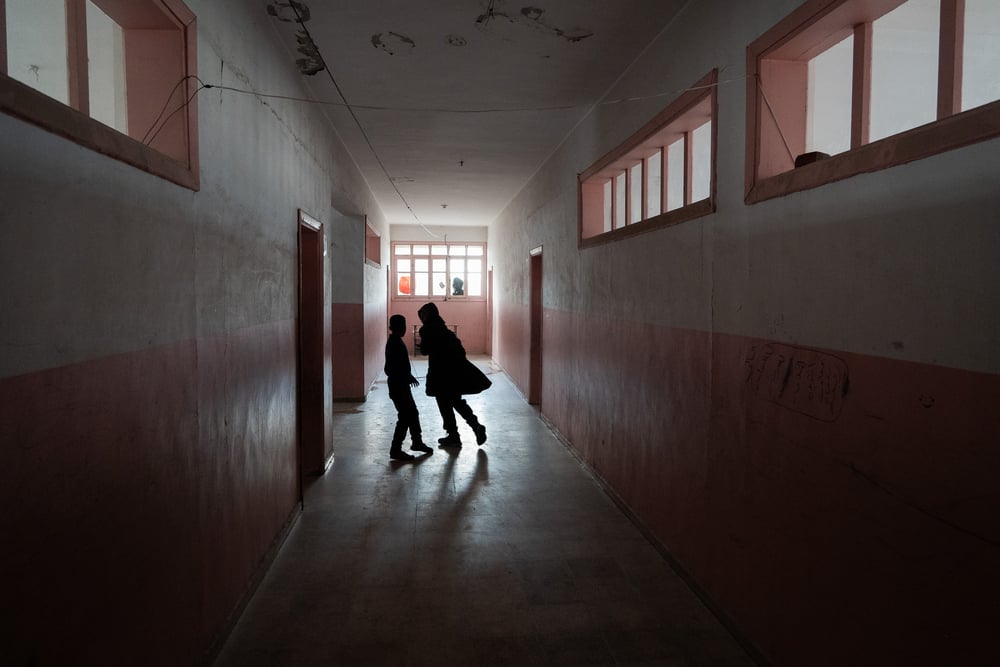
Hallway in displaced people camp

The corridor of a school in Raqqa used as a temporary shelter for people forced from their homes in the Afrin region | January 2025 © Giammarco Sicuro

Damascus

We are providing short-term support to the Ibn Roshd psychiatric hospital with training on trauma-informed care and basic counselling and to the emergency room of the Al-Mujtahid hospital by helping triage patients, prevent and control infections and build capacity.

Rural Damascus

A 24-hours-a-day, seven-days-a-week emergency room we opened with health authorities at the Daraya Health Centre provides basic care, stabilisation for the severely ill or injured and referrals. We provide other assistance, too, including care for non-communicable diseases, support for mental and sexual and reproductive health and care for survivors of sexual and gender-based violence.

And boreholes we are rehabilitating in underserved areas will enhance water supply.  

Deir ez-Zur

We are providing ad hoc support to health facilities in the capital city. This includes providing financial and logistical support, medical equipment and supplies and technical guidance to rehabilitate the emergency room at the National Hospital.

We are also establishing a stabilisation point and a Basic Emergency Obstetric and Newborn Care facility in Al Bukamal. Our teams are implementing targeted water, sanitation and hygiene interventions while building capacity for rapid response to emergencies and disease outbreaks.

Hama

We are providing logistical support, medications and training to the primary healthcare centre in Al Qasool. 

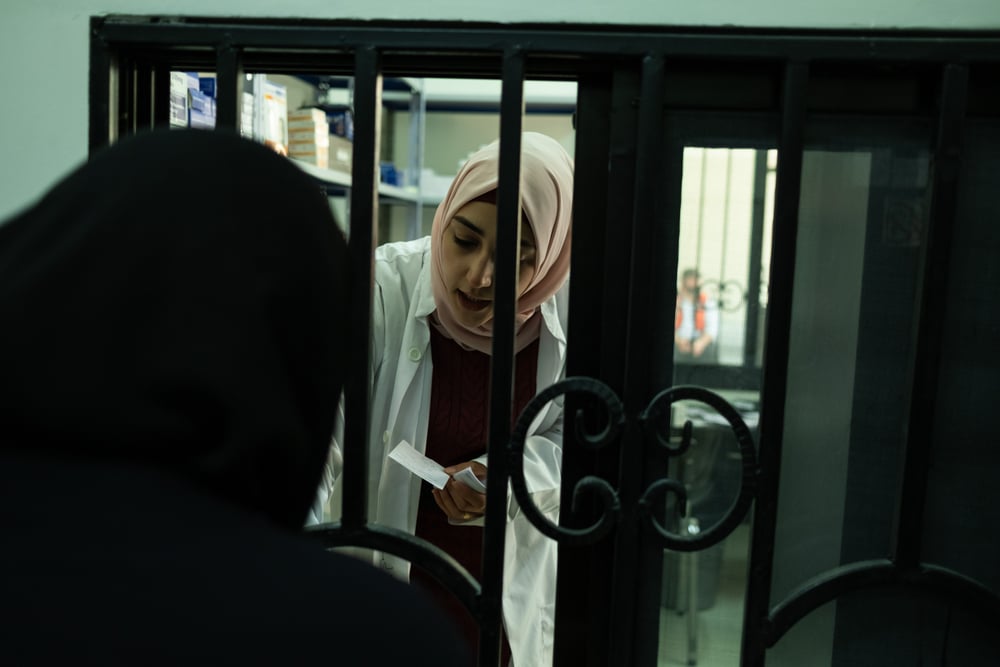
Health worker distributes medication

An MSF team member at the Daraya Health Centre hands out prescribed medication to a patient visiting for diabetes treatment. | March 2025 © Al Baraa Haddad/MSF