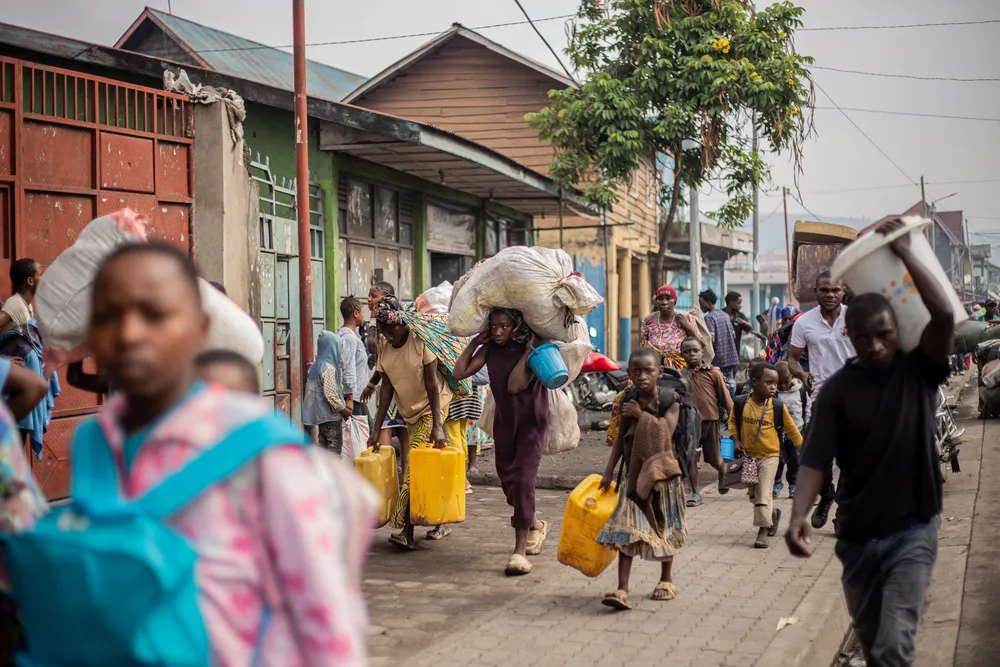
Médecins Sans Frontières/Doctors Without Borders (MSF) is providing medical and humanitarian assistance to people bearing the brunt of violence in the east of the Democratic Republic of Congo.
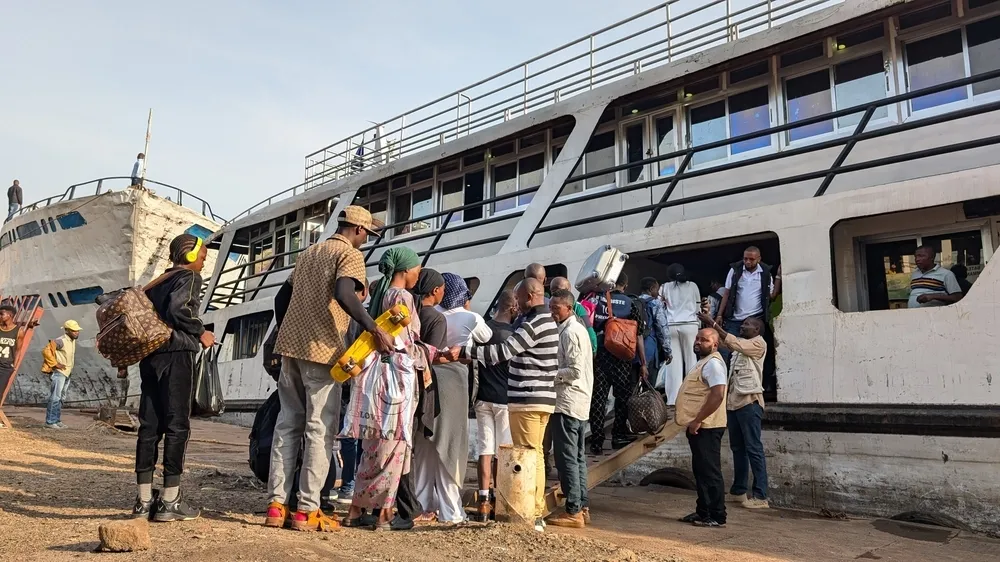
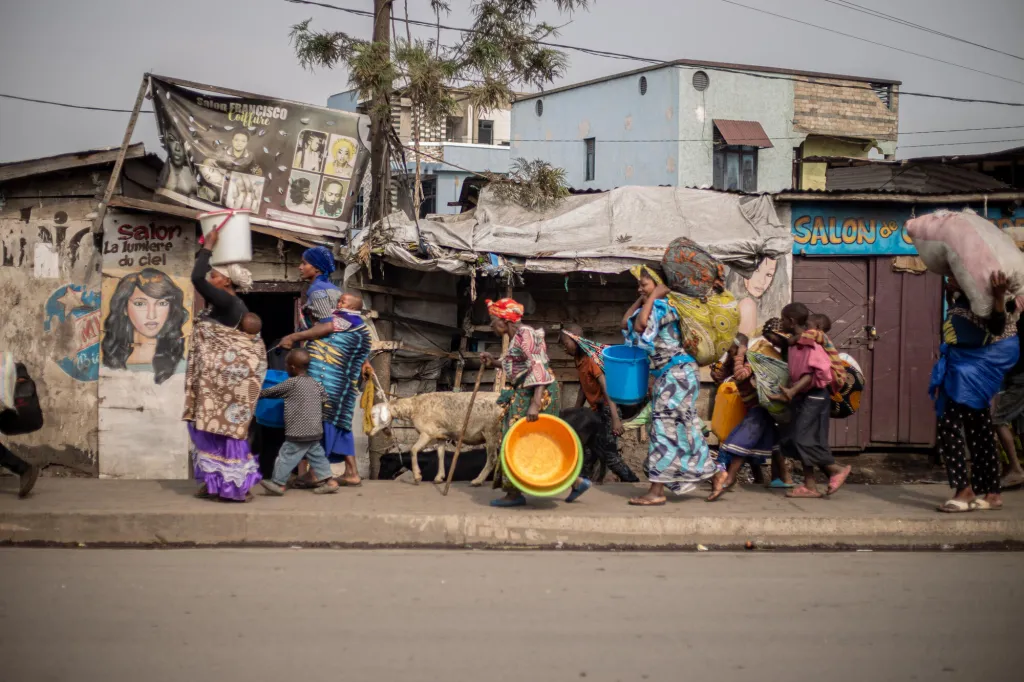
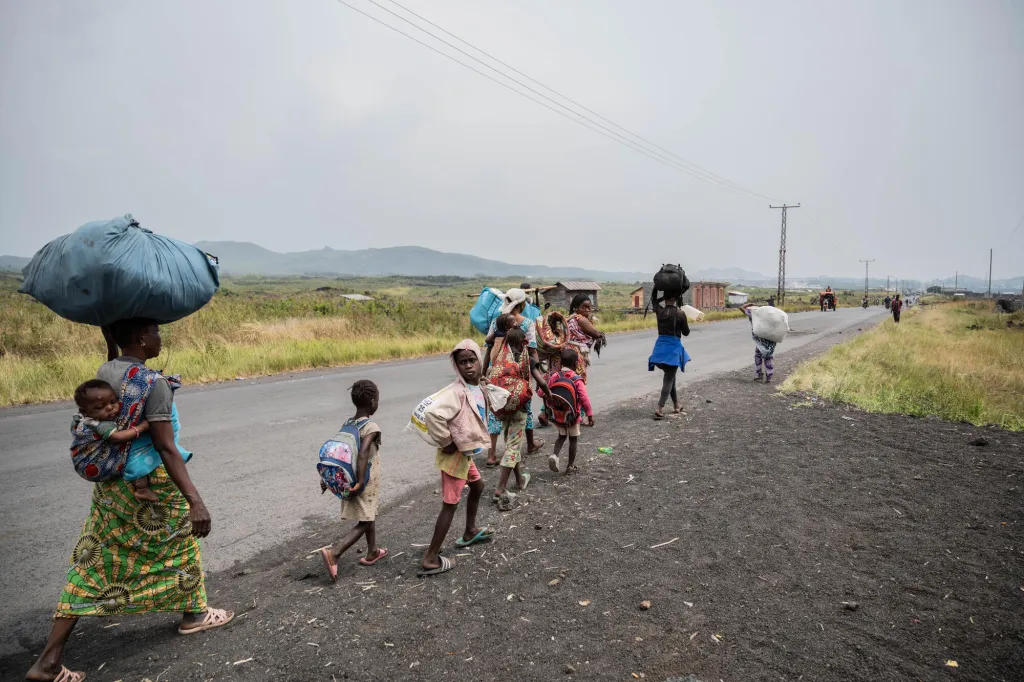
Most of these victims are forced from their homes to escape clashes between an armed group and the army. Some are casualties of the conflict. The number of displaced or wounded people is seriously affecting an already critical situation in provinces of North and South Kivu.
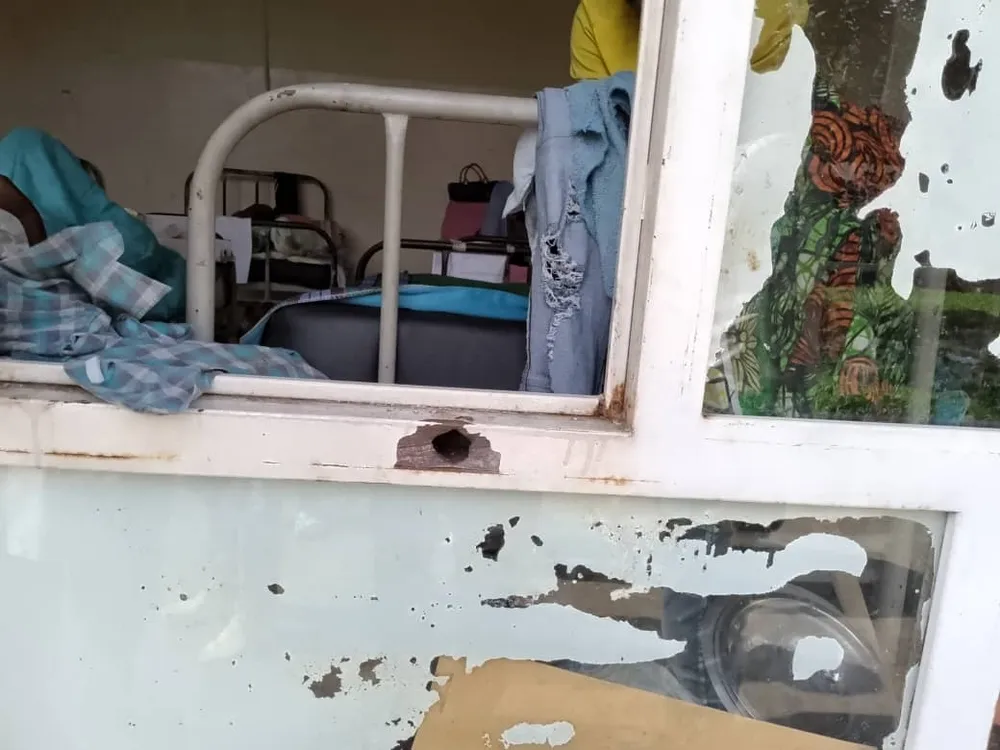
Caring for the wounded and reducing the risk of cholera are priorities despite use of weapons in and around healthcare and other facilities, imposed suspensions to care, limited resources and supplies and continued movement of displaced people.
Crisis in the Democratic Republic of Congo


The current situation
As of April 2025
Clashes between armed group M23/Alliance Fleuve Congo (AFC) and the Congolese army and its allies have spilled from North Kivu province to South Kivu province since December 2024. This brought the frontline closer to civilians.
After heavy fighting, AFC took control of most of the North Kivu capital, Goma, in the last week of January 2025. Some 650,000 displaced people were living in camps alongside the city’s estimated 2 million residents.
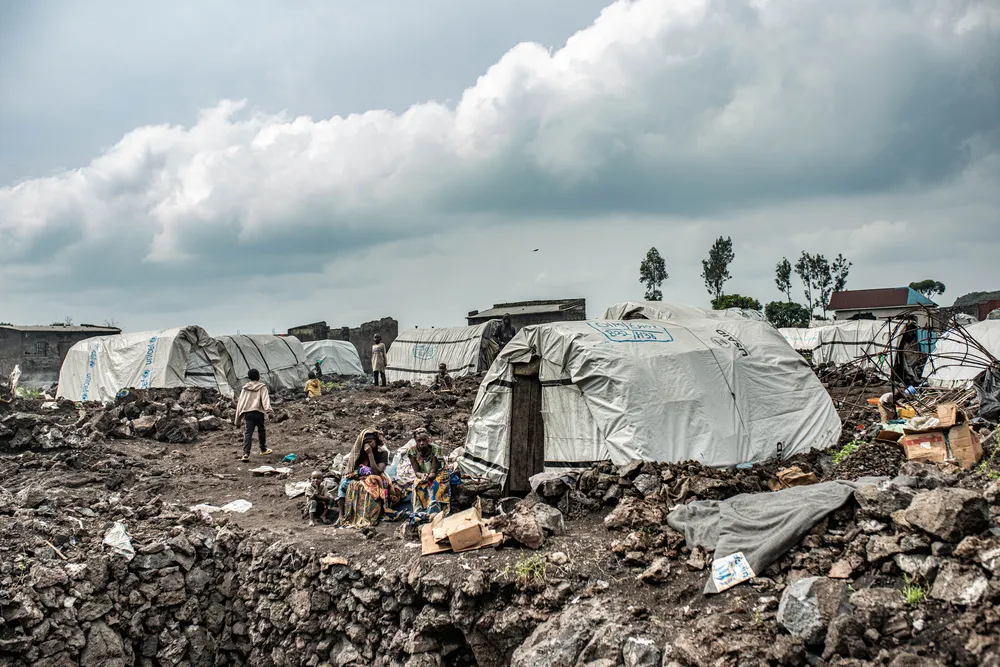
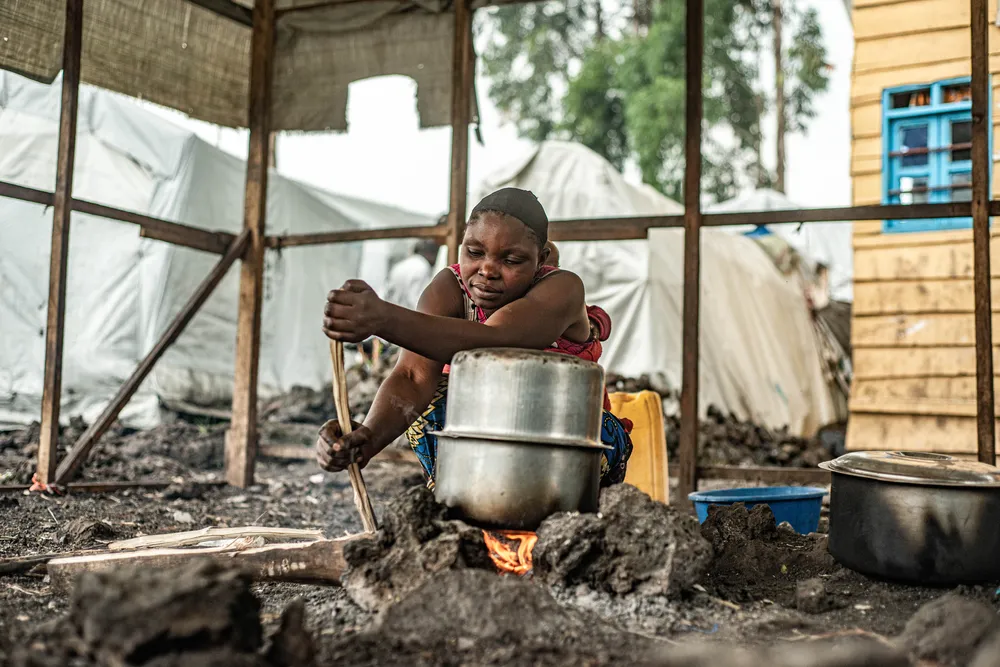
With many people fleeing ahead of the fighting, some of the camps are largely empty—even looted and destroyed—but not others. With cuts to essential utilities, some of the residents have been drawing water from Lake Kivu. With floating corpses, the water is even unhealthier to drink. Inadequate sanitation is also a concern.
The number of sick people, in addition to the number of casualties, has overwhelmed health facilities.
Fighting elsewhere—in and around the towns of Masisi, Mweso and Walikale in North Kivu and Kalehe, where AFC also have control, and Kavumu in South Kivu—is forcing more people from their homes as they seek safety further south.
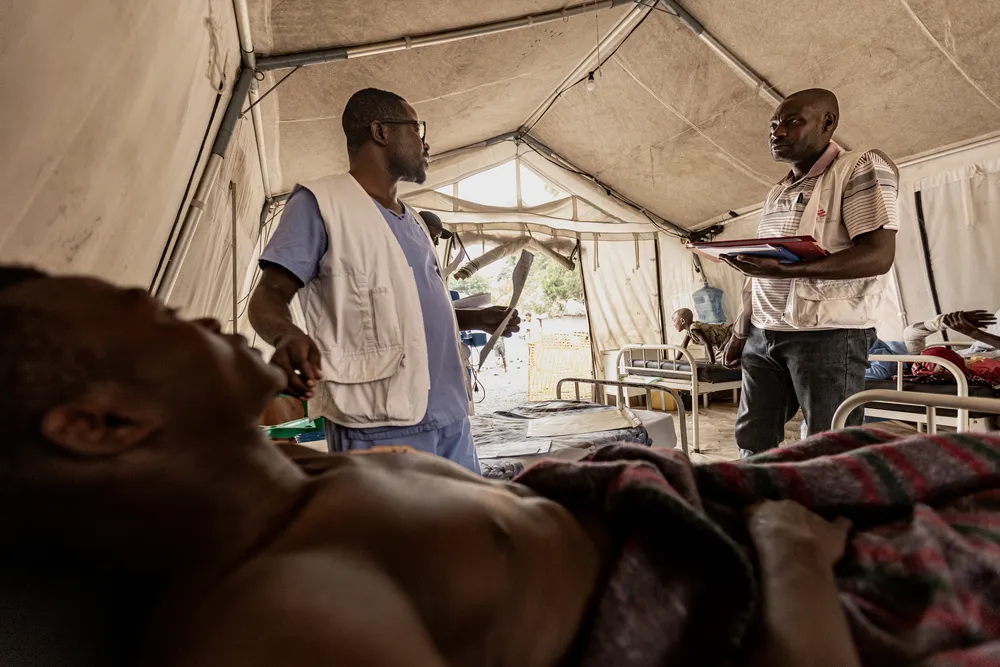
It is also endangering the lives of patients and staff in health and other facilities. MSF has dealt with about 15 incidents since the beginning of 2025.
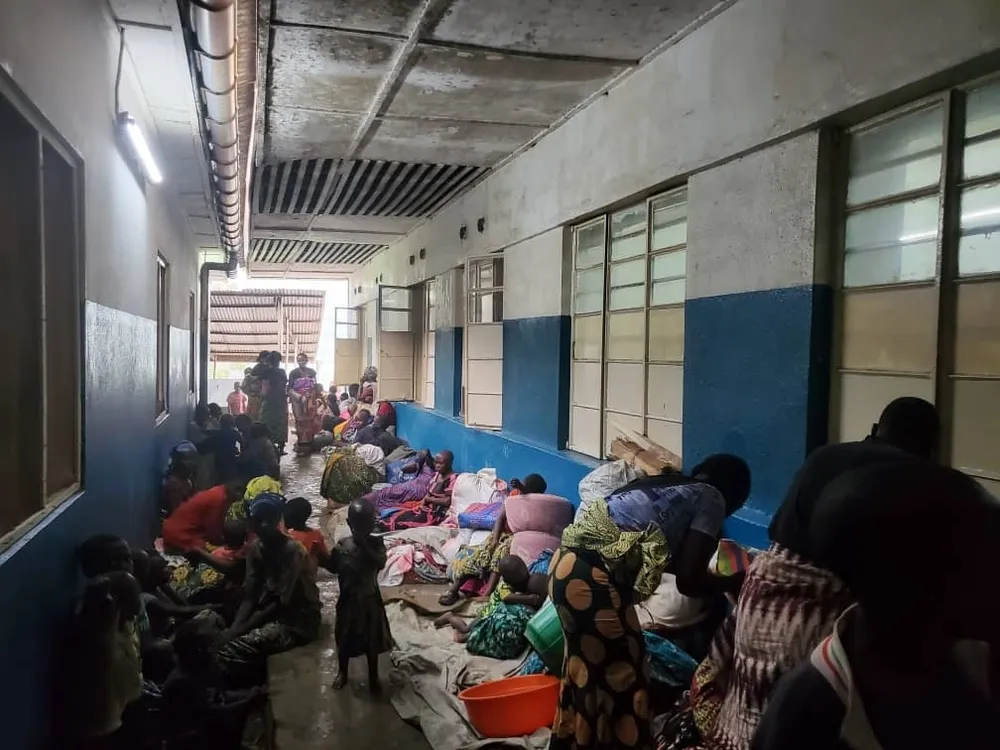
In one, two men dressed in military fatigues and carrying assault rifles broke into the house of an MSF nurse in Masisi on 18 April to rob residents. During the incident, the men opened fire, fatally wounding the nurse with two shots to the chest. In another, at the MSF base in Masisi on 20 February, fighting between an allied group and the AFC led to the shooting of MSF employee Jerry Muhindo Kavali and one other person. Kavali died two days later. In a third, fighting trapped staff at the MSF base and at the hospital in Walikale on 19 March. More than 700 displaced people are sheltering at the hospital. With no viable road or air routes to transport essential medicine, the ability to provide medical help is compromised.
How MSF is responding
Despite hostilities, MSF is providing medical assistance to affected communities through regular and emergency projects in North and South Kivu.
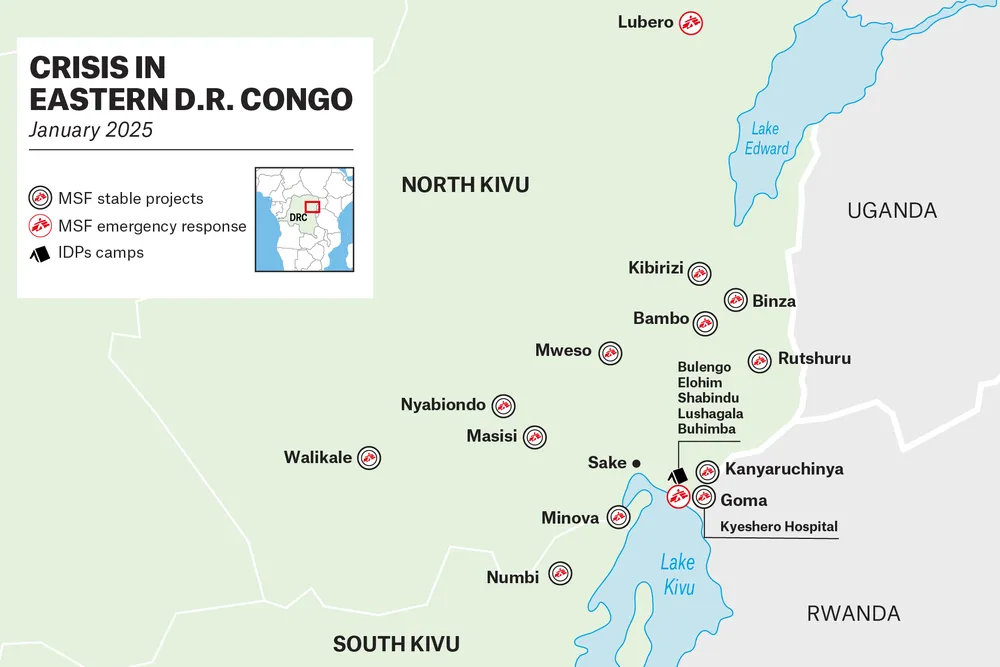
In Goma, heavy fighting and insecurity—including looting—in the first days forced us to partially suspend some projects, particularly in the camps, and to temporarily withdraw some non-essential staff from several medical facilities and offices. However, we increased wound care capacity in Kyeshero hospital to support the Ndosho hospital, where the Ministry of Health and the International Committee of the Red Cross treat patients with severe wounds.
Where MSF is responding
Goma
A week after AFC took control of most of the city, we resumed regular projects and sent additional teams to expand emergency projects and assess humanitarian needs.
Our wound care activities include:
- Treating more than 400 wounded patients, including women and children, at Kyeshero since January 23. We also continue to respond to severe malnutrition and measles cases among children in the hospital.
- Supporting the Virunga hospital since January 30 by providing fuel, food and water, installing a 57-bed extension and providing surgical capacity while reinforcing hygiene and sterilisation measures. A week after supporting the hospital, we had managed the follow-up of 143 patients.
- Collecting and distributing more than 550 blood bags for other hospitals.
Our displaced people activities inside the camps include:
- Supporting local health centres, rehabilitating and reinforcing cholera treatment units and clinics for survivors of sexual violence, providing food and water, providing fuel for water pumping stations, emptying latrines and installing hand-washing facilities.
Our displaced people activities outside the camps include:
- Sending assessment teams on different roads to determine the support local healthcare facilities may need for the influx of people returning home.
Given the high risk of water-borne disease such as cholera, we are assessing water, sanitation and hygiene needs and installing chlorination points on the lake shore.
North and South Kivu
We continue supporting general referral hospitals and health centres in and around towns outside Goma, including Masisi, Mweso and Walikale, in towns controlled by AFC (Bambo, Binza, Kibirizi and Rutshuru), and in Minova and Numbi, where we are assessing the possibility of expanding our team. We are providing emergency intervention at the hospital in Lubero and at health centres in Lubero-Cité and Kipese.
Help us bring crisis care
As an independent, impartial and neutral medical humanitarian organisation, Médecins Sans Frontières/Doctors Without Borders responds rapidly to emergencies, delivering urgent treatment to people in need no matter where they are.
Your donation will ensure our teams can continue providing crisis care where it is needed most—in the Democratic Republic of Congo and around the world.