From large-scale catastrophes to local emergencies, MSF’s network of aid workers and supplies around the world means we can quickly respond to disasters. With more than 50 years experience, we are experts in rolling out emergency responses in complex settings.
What is a natural disaster?
A natural disaster has been defined as any catastrophic event that is caused by the natural processes of the earth. The severity of a disaster is measured in lives lost, economic loss, and the ability of the population to rebuild. People living in poverty, and lower and middle income countries without adequate systems and infrastructure in place to protect or cope, are the hardest hit. Examples of a natural disaster include floods, tornados, hurricanes, volcanic eruptions, earthquakes, drought and tsunamis.
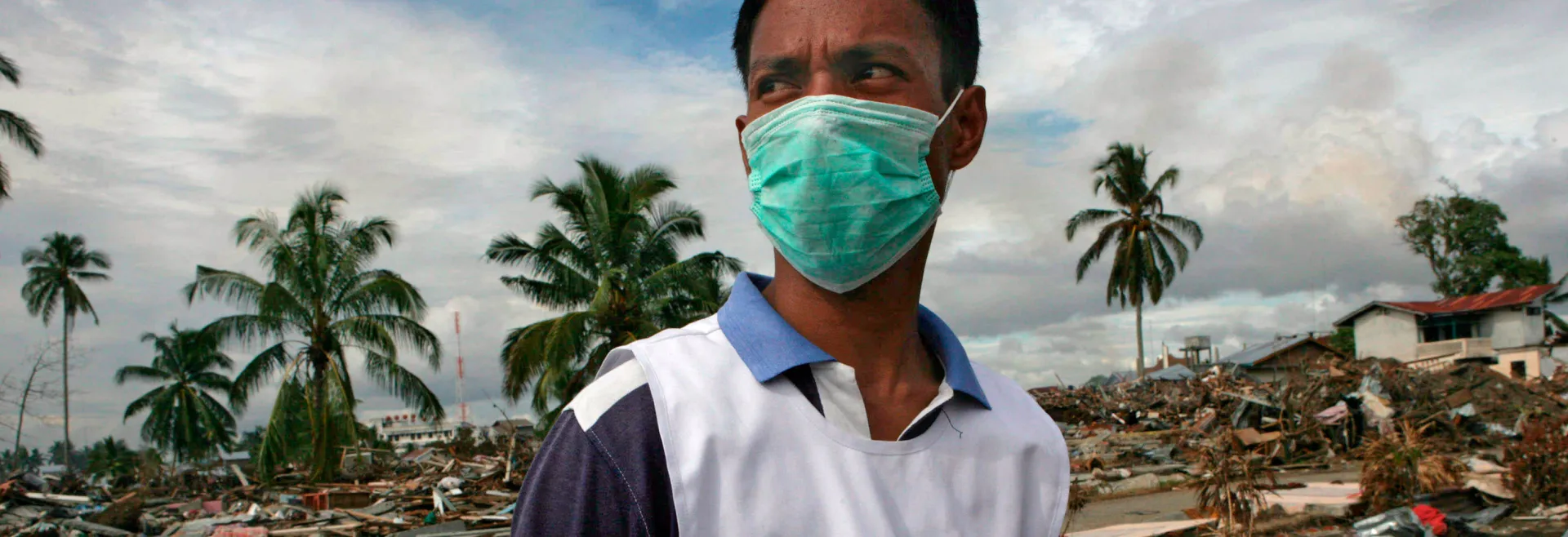
Within a matter of minutes, natural disasters can have a devastating impact on entire communities. Floods, drought, earthquakes and tsunami are particularly deadly; earthquakes can also leave a huge number of people injured, crushed in collapsed homes and buildings. In some cases, healthcare facilities are also damaged while tens of thousands of people are wounded. Clean water, healthcare and transport are often casualties in these disasters.
What are the medical needs after natural disasters?
The immediate impact of a natural disaster is the huge number of victims. The dead, but also the injured, who have to be treated as quickly as possible. People are suffering from cuts and fractures and, if there is no treatment, their wounds quickly become infected. In the specific case of an earthquake, people can also suffer from a crush syndrome. This happens when they have been caught under collapsed building for several hours, their muscles enduring high pressure, which leads to dysfunction of their kidneys.
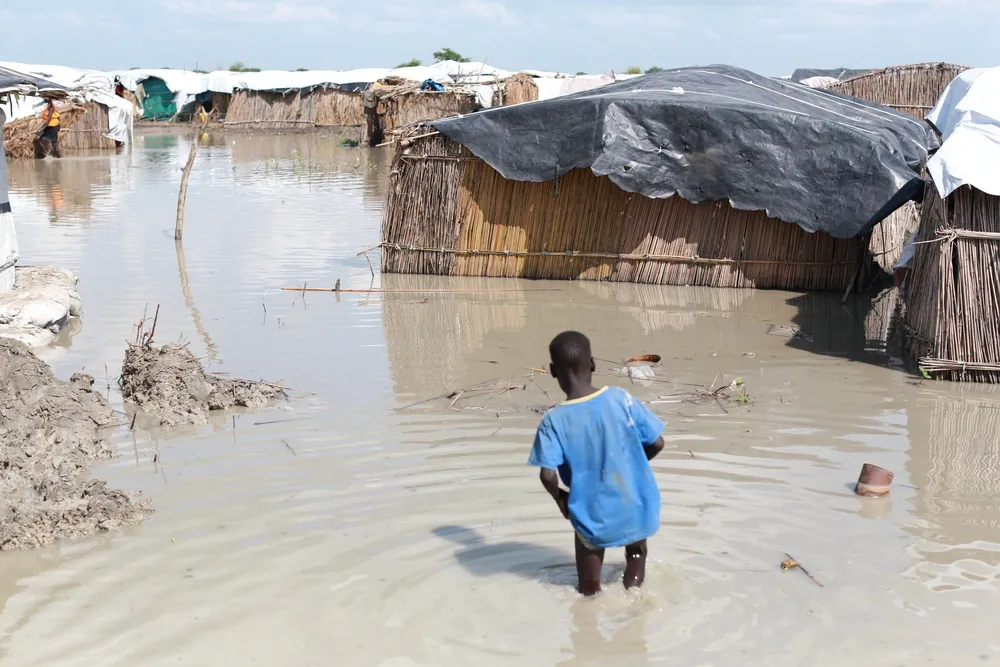
Health risks related to displacement: The destruction of homes during a disaster often means that people are displaced and forced to regroup themselves in makeshift camps. This is the biggest risk in health terms: forced overcrowding, insufficient access to drinking water, medical treatment, and food. Sleeping outdoors and in makeshift shelters, people can contract respiratory infections, especially children. There is also a risk of diarrhoea-related diseases as a result of consumption of contaminated water.
People with pre-existing needs still need care: Natural disasters don’t lead to epidemics—if cholera or malaria already exist in the affected country or region, the risk of an outbreak can be heightened. But our experience with natural disasters has found they don’t systematically lead to epidemics. As much as emergency services are important for the health needs caused by the disaster itself, people who have pre-existing needs also require ongoing care, for example women who are pregnant or people who have a chronic illness.
Women and children are often most affected: Restoring basic health services is vital to avoid illness and death overall, but for women, children and newborns in particular. Evidence shows they are disproportionately affected after disasters including: preterm deliveries and low birthweight babies, higher rates of obstetric complications requiring caesarean section, and increased risk of sexual assault. In fact in the wake of the earthquake in Haiti in 2010, the most common major surgery undertaken by MSF was caesarean section.
How does MSF respond to natural disasters?
With 50 years of experience, MSF teams are experts in rolling out emergency responses in complex settings. We put highly skilled medical staff, logisticians and water and sanitation experts into disaster zones. Over decades we have built up a system of logistical support and a large pool of experienced MSF staff that can be quickly mobilised.
Because we already run projects in over 70 countries around the world, we may already be working nearby when a disaster strikes. When a devastating earthquake hit Haiti in 2010 our teams treated the first casualty within minutes.
Our response varies from place to place, according to the level of destruction, the number of injured, and how quickly we can mobilise—knowing that there will be authorities and other organisations in-country responding as best they can if we are not also already there. The priorities will change over time, but often the main parts of our action will be to ensure access to medical treatment, including surgery and wound care, and mental healthcare; emergency distributions of non-food items for hygiene and shelter; and water supplies for people affected by the disaster. We also participate in the epidemiological surveillance effort.
Pre-packaged disaster kits
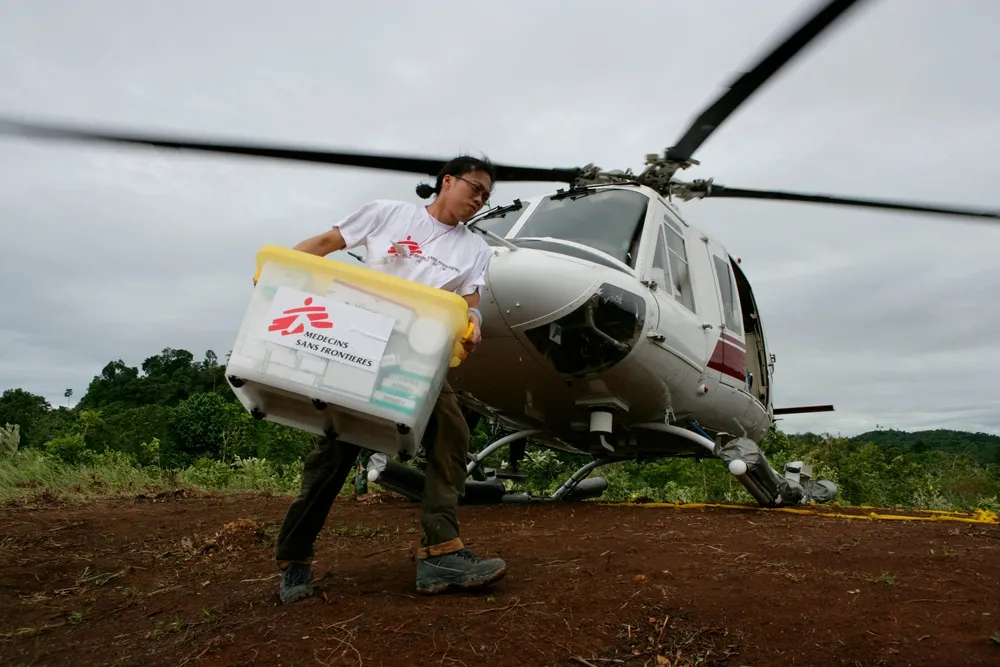
MSF has developed pre-packaged disaster kits, including a complete surgical theatre, an obstetrics kit, and an inflatable hospital. These kits are stored in warehouses across Europe, East Africa, Central America and East Asia.
MSF’s logistics centres purchase, test, and store vehicles, communications material, power supplies, water-processing facilities and nutritional supplements. Pre-packaged disaster kits are already custom-cleared and ready to be loaded and flown into crisis areas as quickly as possible. MSF’s pre-packaged kits are now used as models for emergency relief organisations worldwide.
Emergency funding
Nearly 100 per cent of our funds are raised from the generosity of private donors, which means we can respond immediately without having to lobby governments or institutional donors for aid. We may appeal for extra funds when we need to mobilise more support to respond to a disaster.
Disasters where MSF has responded
The climate emergency and disasters
The human cost of climate breakdown is already being paid for by the poorest and most marginalised people on our planet. In every way, climate change is a massive humanitarian emergency. This crisis isn’t only about natural disasters such as the catastrophic cyclones and typhoons that hit the headlines. This is about the spread of deadly disease that can follow. The increasing risk of drought and famine, of rising water levels, desertification and the mass displacement of people from their home. The climate emergency is also a health emergency. When extreme weather events occur, it is the most vulnerable people who suffer the most. Our teams around the world are responding to multiple types of health emergencies that will only increase in number and severity as the climate continues to destabilise.
Will you support our crisis response work?
As an independent, impartial medical humanitarian organisation, Médecins Sans Frontières can respond rapidly to emergency situations and deliver urgent medical treatment to people in need – no matter who they are. By making a donation, you can help ensure that we can be there to provide medical assistance during times of crisis.
