Malawi Floods
Crisis upate: January 2015
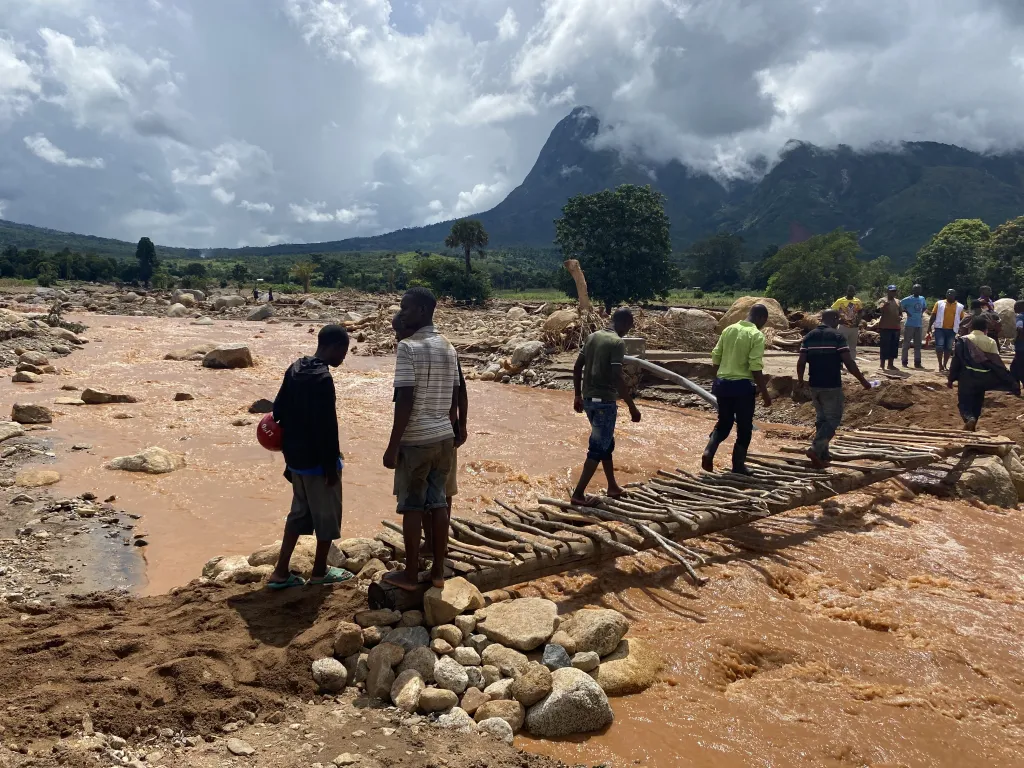
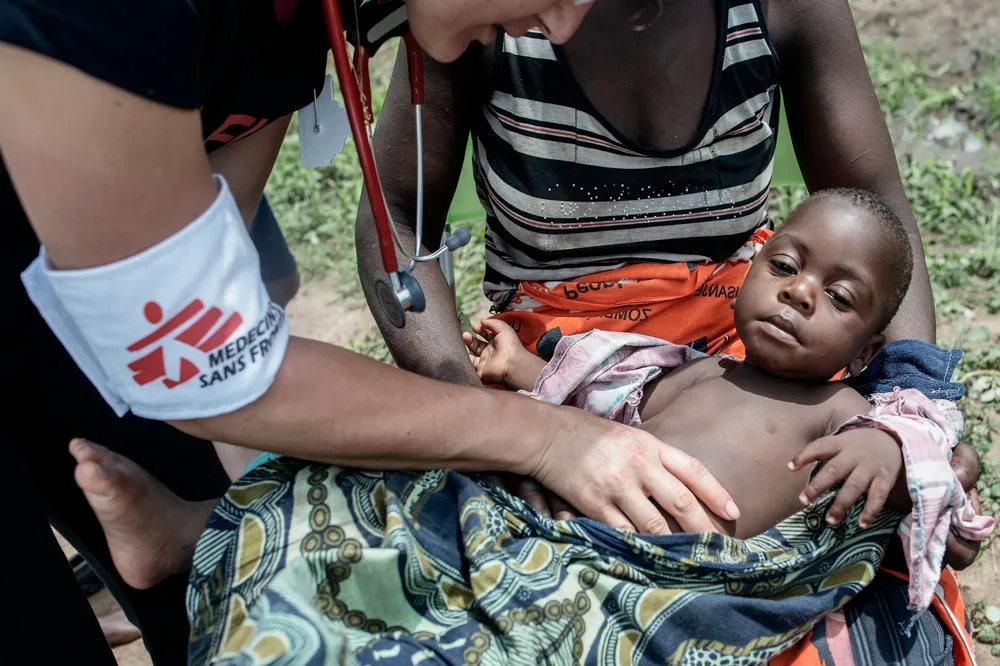
Médecins Sans Frontières/Doctors Without Borders (MSF) is focusing its intervention in Malawi in the most hard-to-reach areas of Nsanje and East Bank. We are currently the only humanitarian organisation physically present to support people.
Access is very limited due to very bad roads, strong currents and floating debris that prevent access by motorised boats.
At least 20,000 people have been without food, clean water and medical aid for 10 days. Since 20th January we have established a continuous presence in two locations: Trinity and Makhanga.
Three teams are at work distributing mosquito nets and clean water kits, as well as building latrines and monitoring the situation for the potential emergence of waterborne diseases and malaria.
There are still four other “islands” (slightly higher areas where people have found refuge) that are still inaccessible. We’re looking at ways to send mobile clinics there, too.
Besides these areas, three other teams are providing healthcare in the most needed areas of the western side of the river which is easier to access. We are also involved in cleaning wells and digging latrines.
We will be updating this page as the story unfolds.
Please check back.
Latest news
- Malawi: Daughter of the floods
- Malawi: Floods leave thousands stranded with little food in south east of the country
- Malawi: Thousands of flood victims unable to receive aid
Our work
Background: 2013
This is an extract from our latest Activity Report, looking back on our work in the previous year.
Malawi is largely dependent on international aid for healthcare. Seventy percent of general health services and 99 percent of antiretroviral (ARV) coverage are donor-funded.
Malawi’s HIV rates are among the 10 highest in the world: more than one in 10 people are estimated to be infected.
The healthcare system is chronically underfunded and there is a severe shortage of skilled workers – a 61 percent vacancy rate for clinical staff.
Médecins Sans Frontières/Doctors Without Borders (MSF) has therefore been supporting the HIV response, improving care for patients, and also aiming to strengthen the existing health system through staff training and technical support, innovative and progressive treatment models, and by implementing operational research.
Chiradzulu programme
The HIV programme based in Chiradzulu district, and decentralised via 10 health centres, had more than 28,000 patients receiving ARV treatment this year.
In mid-2013, the first point-of-care viral load test was installed in a rural health centre, thanks to a UNITAID grant.
This test measures the amount of HIV virus in the blood, which increases when first-line treatment fails, so patients can be switched to a different drug regimen.
An MSF study in Chiradzulu showed that 65.8 percent of people needing ARV treatment were receiving it, and a population-based survey revealed that there was also a very low level of new infections (0.4 per cent), suggesting that the large distribution of HIV treatment has played a role in reducing transmission.
Nsanje project
MSF started providing mentorship and improving health services in Nsanje and Chikhwawa districts in the far south of the country in 2010.
In 2013, MSF withdrew from Chikhwawa and expanded its work in Nsanje, focusing on the needs of specific vulnerable groups. Early treatment through a ‘test and treat approach’ was implemented for sex workers, couples where only one partner had HIV, and HIV-positive breastfeeding women.
Prevention of mother-to-child transmission of HIV was also fully integrated in all 14 health clinics. A total of 50 health workers were mentored in 14 sites and 88 percent of them completed the mentorship programme.
Thyolo programme handover
The scheduled handover of first-line HIV treatment in Thyolo was completed, with the bulk of the HIV services now being delivered by the Ministry of Health.
MSF remains in Thyolo to conduct operational research, to help expand community ARV treatment groups, and to provide technical and clinical services for people in need of advanced or specialised HIV care.
Developing capacity for hard-to-reach rural areas
By the end of 2013, 49 students had enrolled in MSF’s Rural Human Resources for Health (HRH) Scholarship Programme.
With this programme, MSF addresses the shortage of health workers in the understaffed, hard-to-reach areas of Thyolo, Nsanje and Chikhwawa districts by recruiting local students and paying for their training as mid-level health workers.
In turn, the students agree to work for the health ministry in their home areas for at least five years.
At the end of 2013, MSF had 706 staff in Malawi. MSF has worked in the country since 1986.
Patient story
David, Chiradzulu
“I have been on antiretroviral treatment since February 2002. Two months ago was the first time I got my viral load measured.
“Before, I only had my CD4 cells counted. So after more than 11 years, I am happy to know that my viral load is undetectable and that my treatment is working.
“I am also only taking one drug a day now and I feel very good!”
The main focus of MSF's activities in Malawi continues to be improving care for HIV patients, particularly adolescents and other vulnerable groups. A lot of improvement has been made but HIV remains the leading cause of death among adults.
In Malawi, where nearly 1 million people are living with HIV, MSF runs projects to support efforts to combat the virus. The country’s ambitious HIV program has already achieved significant success.
Médecins Sans Frontières has worked in the country since 1986, supporting the national health system to strengthen its HIV response through staff training and technical support and trying out innovative treatment models to reach more people with the virus.
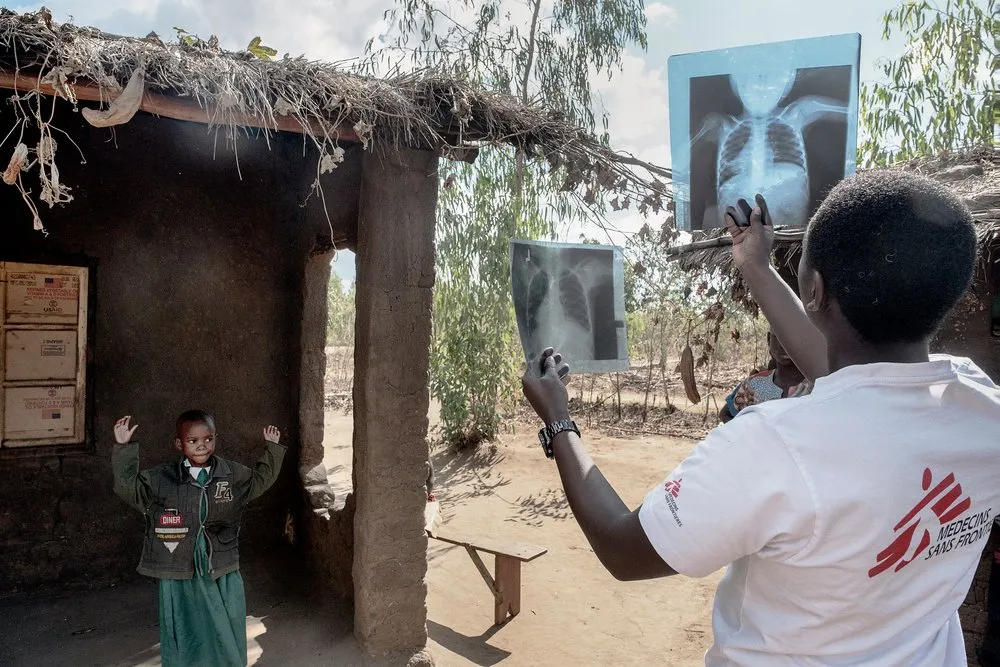
MSF teams provide a wide range of medical care, including tuberculosis (TB) treatment, maternal healthcare, and natural disaster response.
HIV Care
MSF is developing specific activities aimed at improving management of vulnerable patient groups and their adherence to treatment. MSF initiatives include setting up comprehensive, multidisciplinary services for adolescents, patients facing difficulties in staying on treatment, and those not responding to treatment. Sex workers and men who have sex with men have both a higher risk of contracting HIV and a lower access to antiretroviral care due to stigma and discrimination as well as, in many instances, their illegal status and high mobility.
Our dream is to find a way to ensure continuity of care for these vulnerable and highly mobile groups.
Comprehensive care for sex workers
The transnational “Corridor” project was launched in January 2014, in order to find innovative ways of increasing access to life-saving antiretrovirals (ARVs) and encouraging adherence to care. As part of the project along transport routes between Malawi and Mozambique, MSF provides comprehensive HIV, TB and sexual and reproductive health services, for truck drivers, sex workers, and men who have sex with men in one-stop clinics in Mwanza, Zalewa, Dedza and Nsanje.
In Nsanje, MSF is supervising the implementation of a policy to put all HIV-positive pregnant and breastfeeding women on ARVs, regardless of their clinical status, to prevent transmission of the virus to their babies. We also support the severely underfunded district management team in running a fully decentralised HIV and tuberculosis (TB) program that includes infants newly diagnosed with HIV.
Prison project
In Chichiri and Maula prisons, MSF is providing a package of screening and primary healthcare for HIV and TB, as well as improving water and sanitation services for inmates. MSF is calling for it to be implemented nationwide, and for the extreme overcrowding and malnutrition in prisons to be addressed.
Prevention and early treatment of cervical cancer
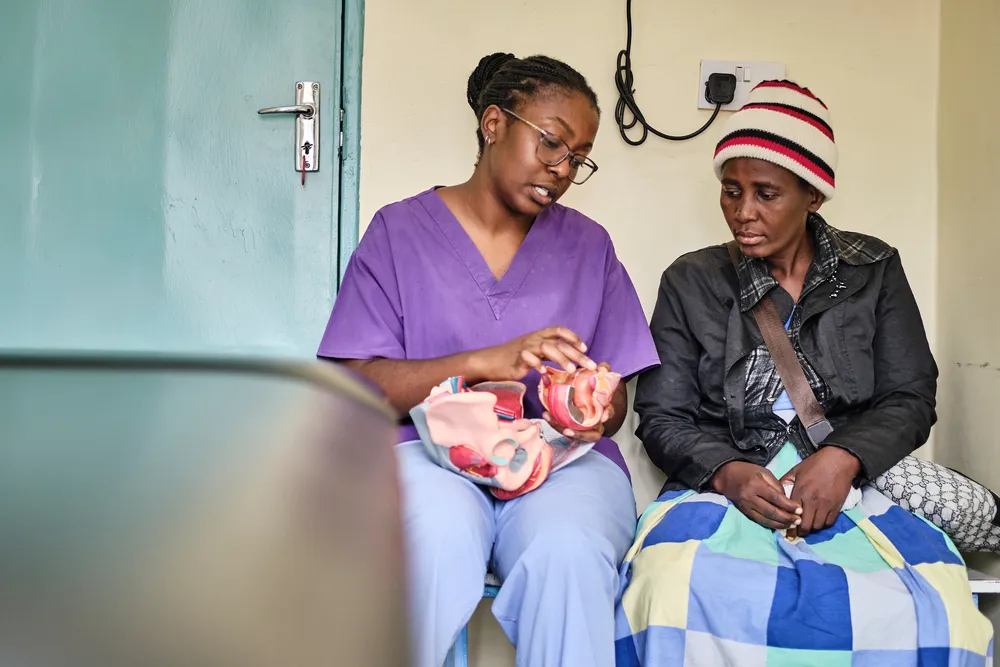
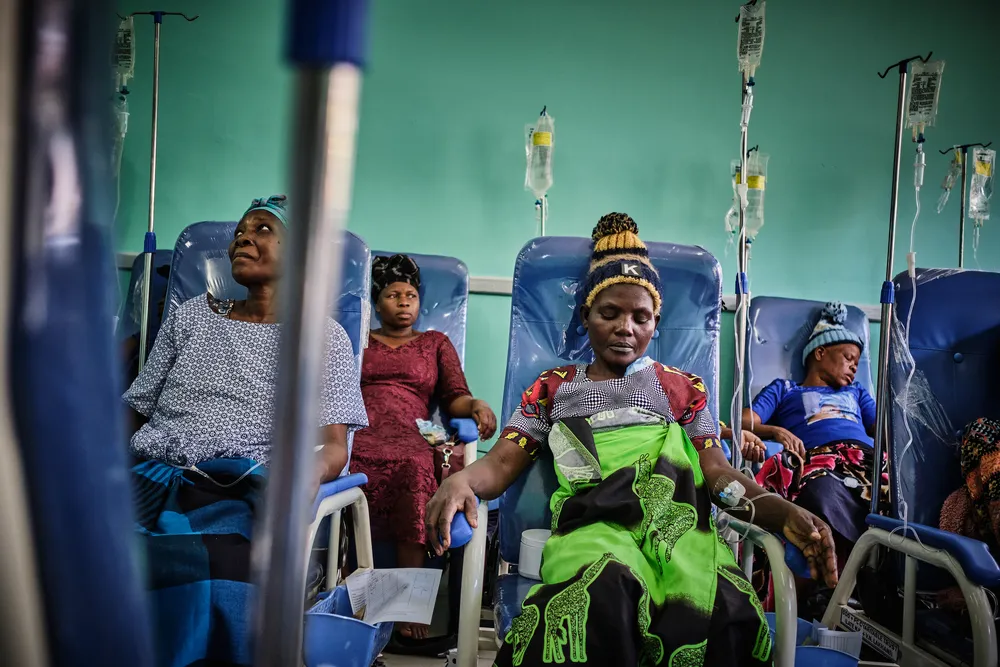
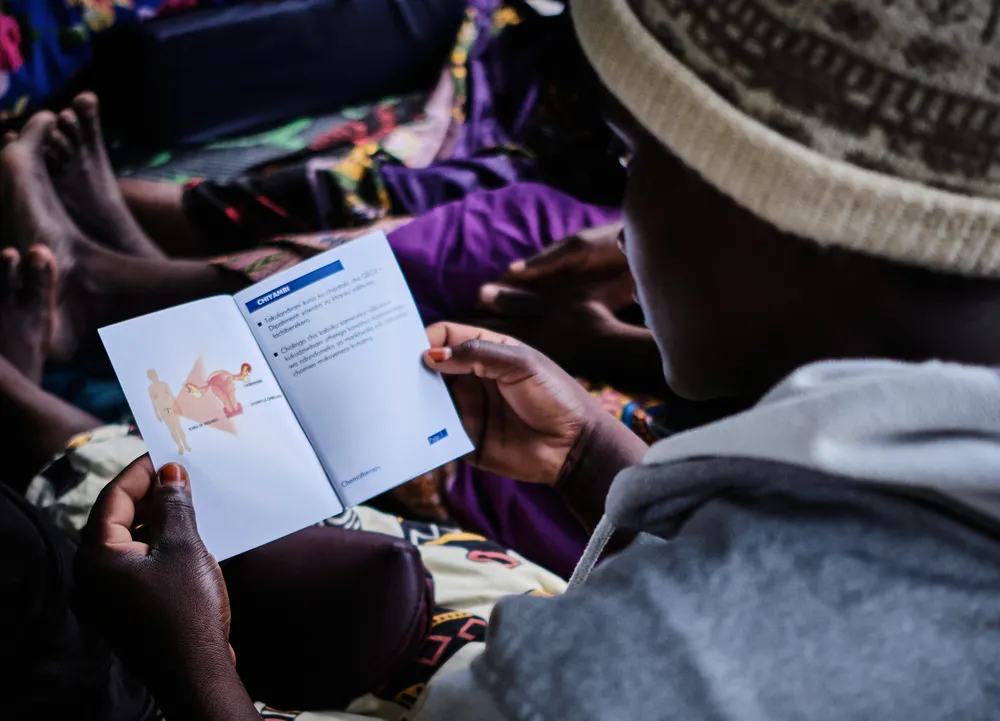
Malawi has the highest rate of cervical cancer in the world. Only 10%-20% of women in the country receive early screenings and preventive vaccination is not implemented. MSF is developing a comprehensive project in Blantyre city and Chiradzulu district, including screening and treatment for pre-cancerous lesions, vaccination against human papillomavirus, treatment for cervical cancer and palliative care.
All progress made in Malawi relies heavily on international funding, and there is a critical lack of qualified healthcare staff. Malawi’s massive budget deficit has hit the health system hard. In addition, international donors have withheld budget support since 2014 due to corruption scandals.