Conflict in Sudan

Sudan is in one of the world’s worst crises in decades. Two years of war between the government-led Sudanese Armed Forces (SAF) and the paramilitary Rapid Support Forces (RSF) have created a colossal, man-made catastrophe. The violence brought upon the population—and that MSF patients and staff have witnessed—has been horrific, and has only compounded the humanitarian challenges that already existed in the country. Both sides in the conflict have laid siege to towns, destroyed vital civilian infrastructure and blocked humanitarian aid.

The United Nations estimates that 13 million people have been displaced, including almost 3 million people who have fled to neighbouring countries such as Chad, South Sudan, Central African Republic and Egypt. Half of Sudan’s population faces high levels of acute food insecurity (24.6 million people), and more than 8 million face starvation and famine-like conditions.

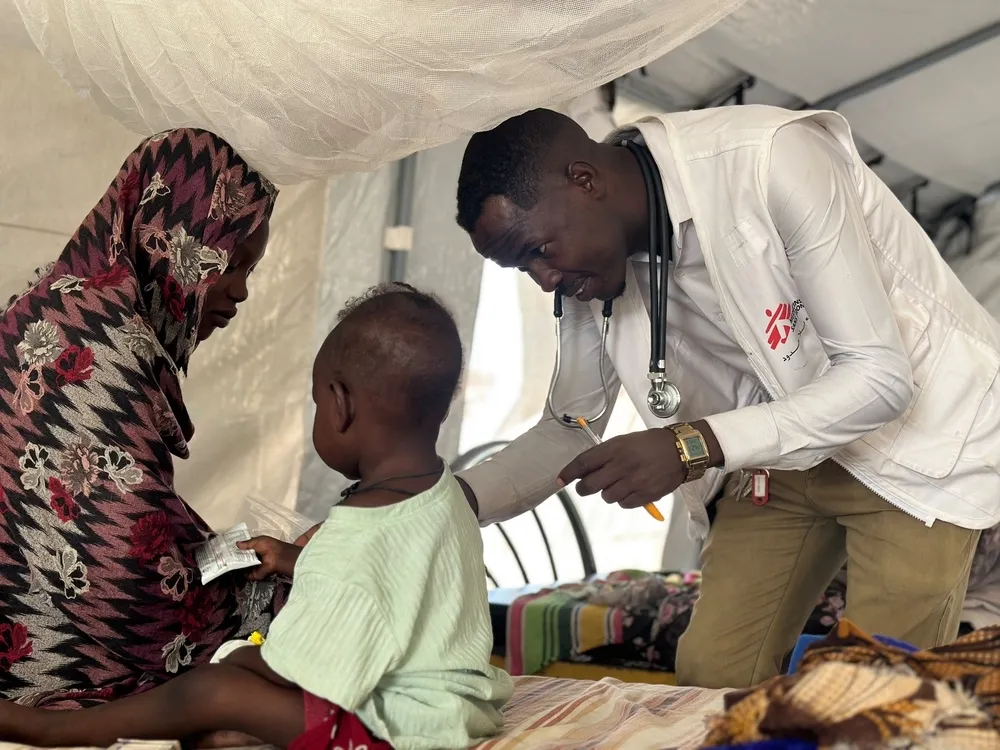
The humanitarian response in Sudan remains critically underfunded and hindered by restricted access to conflict zones. MSF teams in Sudan are treating war-wounded patients with catastrophic injuries and providing humanitarian aid and medical care in refugee camps and displacement sites, where people are living in poor conditions and lack adequate healthcare and basic needs. 

War in Sudan

Conflict escalation
In the past two years, large parts of Sudan have experienced ongoing violence, including intense urban warfare, gunfire, shelling and airstrikes. 

Displaced people
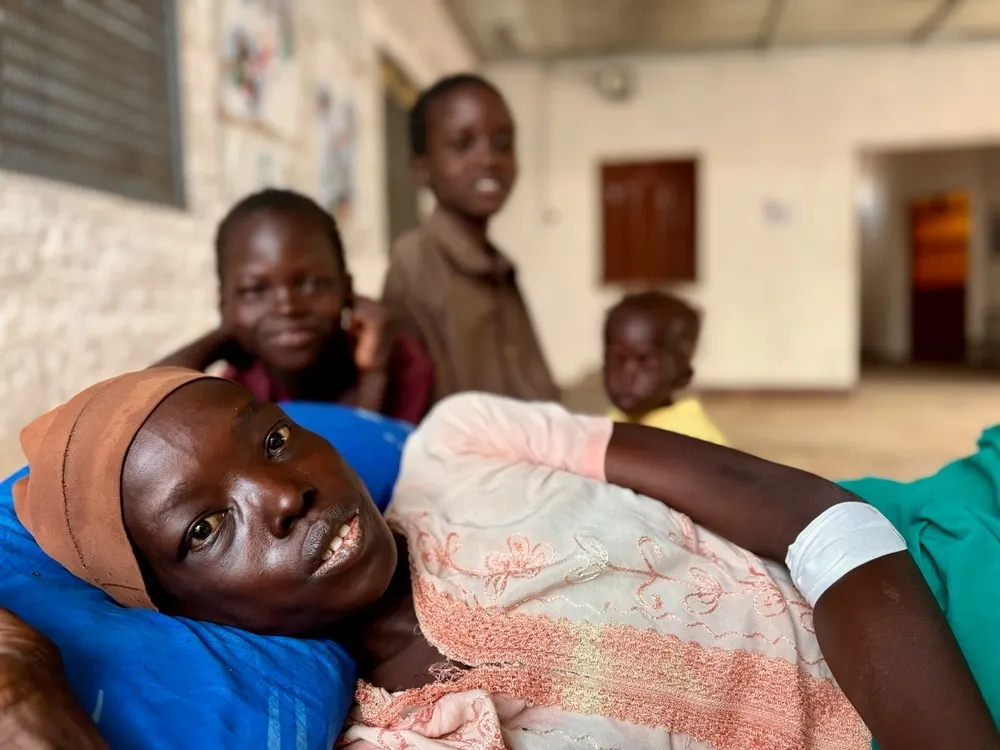
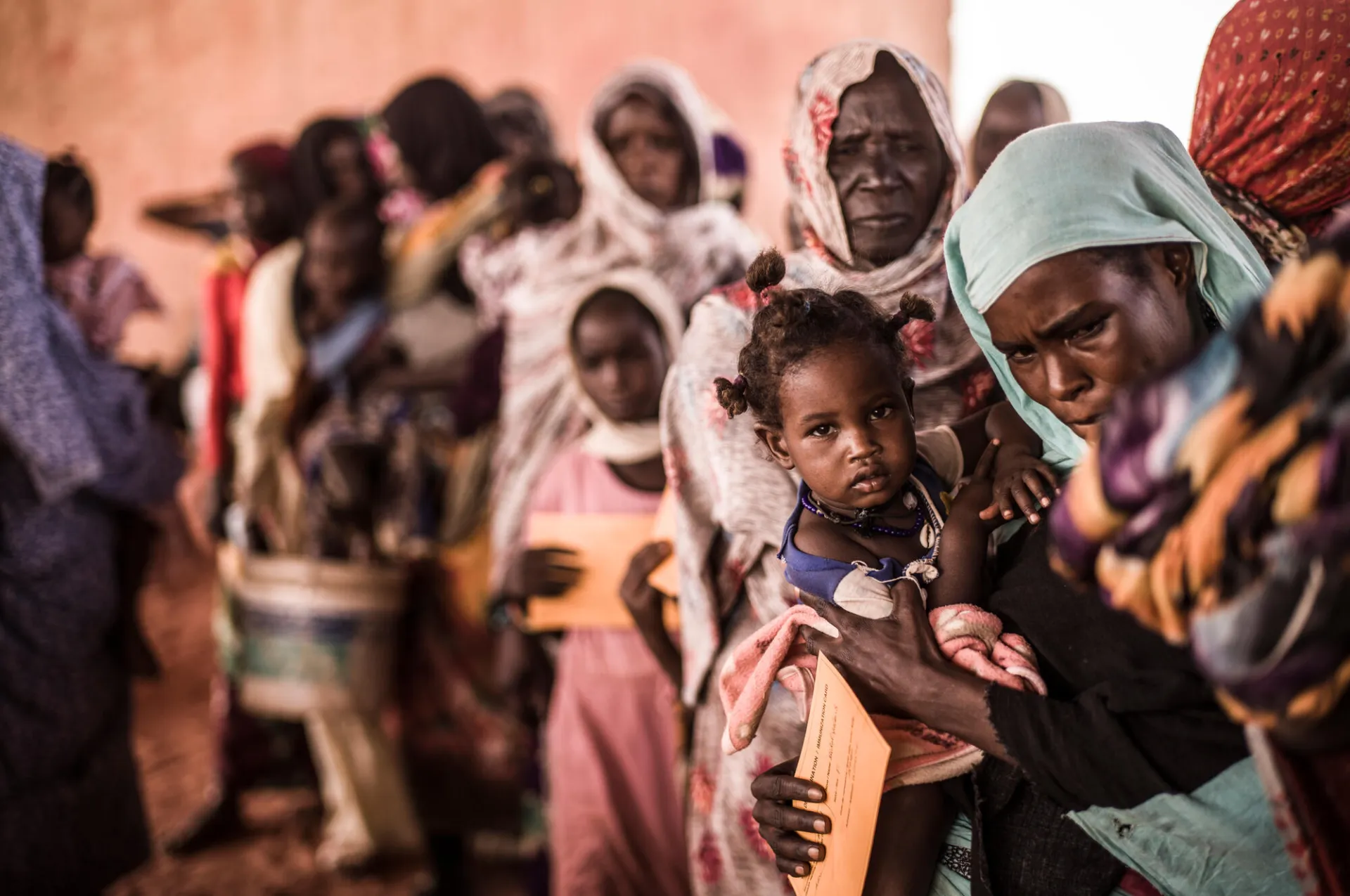
Twelve million people have been displaced by the current conflict, including almost three million people who have fled to neighbouring countries.

Collapsed healthcare system
The health system, already fragile before the conflict started, has been severely disrupted, with 70 to 80 percent of healthcare facilities non-operational, leading to a health crisis in the country.

Extreme food insecurity
More than 25 million people are experiencing crisis levels of hunger—the worst levels of acute food insecurity ever recorded in the country. 


The current situation

The last several months have seen intense fighting – airstrikes, shelling, gunbattles and assaults – especially in Khartoum, Gezira, North, West and South Darfur and Sennar states. An estimated 12 million people have been forcibly displaced from their homes, with 8.1 million of these people displaced internally and the remainder fleeing across borders into the neighbouring countries of South Sudan, Chad and Egypt. The impacts of this displacement crisis are enormous across the entire region.

Violence against civilians is driving humanitarian needs. Restrictions on humanitarian access – whether deliberately imposed or the result of bureaucratic paralysis, insecurity, or the breakdown of governance and coordination – are compounding the devastating effects of conflict.

Supplies are dangerously limited across Sudan and are wholly inadequate to meet the current needs. 

Some recent progress has been made in some areas, such as cross-border access to Darfur through Adre, Chad; improved visa processing for international staff; and the opening of specific airstrips for humanitarian flights in Dongola and Kassala.

But the gains remain negligible compared to the overwhelming scale of needs.

Food insecurity and malnutrition in have reached catastrophic levels in some areas of Sudan. The Integrated Food Security Phase Classification (IPC) has described ‘an unprecedented deepening and widening of the food and nutrition crisis’ in Sudan. The IPC projects that 24.6 million people, or half the population, face acute levels of food insecurity. 

Our own malnutrition assessments in Sudan in mid-2024 found that 30 per cent of children were malnourished, and estimated that one child dies of malnutrition every two hours on average.

Access to healthcare is extremely limited, with 70 to 80 per cent of the country’s health facilities not operating at full capacity, according to the World Health Organization. A cholera outbreak has affected several states in the centre and east of the country, and malaria and dengue rates are also concerning. Sudan continues to see recurrent outbreaks of vaccine-preventable diseases, such as measles. Vaccination coverage in the country was low before the war and many children have missed out on vaccinations because of the conflict.

What is needed today is a new compact – one founded on a shared commitment to civilian protection. A compact that guarantees aid organisations the operational space they need, that enforces a moratorium on all restrictions on humanitarian assistance, and that ensures the response remains independent from political interference.

Christopher Lockyear
Secretary General of MSF, addressing the UN Security Council, March 2025

It is a matter of life or death for millions of people to urgently enable safe humanitarian access. Millions of people are at risk, yet the world has turned a blind eye as the warring parties intentionally block humanitarian access and the delivery of aid. The United Nations and member states must redouble their efforts towards negotiating safe and unhindered access, and to scale up the humanitarian response to prevent this already desperate situation from deteriorating any further.

Immediate action and increased support are crucial to meet people's health needs and the strained health care system.

Sudan water

Already an issue in the area, the lack of clean water has been compounded by the arrivals of over 600,000 Sudanese refugees in eastern Chad. People wait for hours hoping to get some water at the distribution points in the camps. © Corentin Fohlen/Divergence


How is MSF responding

MSF is operating medical programs in more than 22 hospitals and 42 primary health facilities across 11 of Sudan’s 18 states. We work with a team of more than 1,700 staff, which includes over 1,483 Sudanese and 233 international staff. We also pay incentives for 3,356 Ministry of Health staff.

MSF’s main medical activities in Sudan:

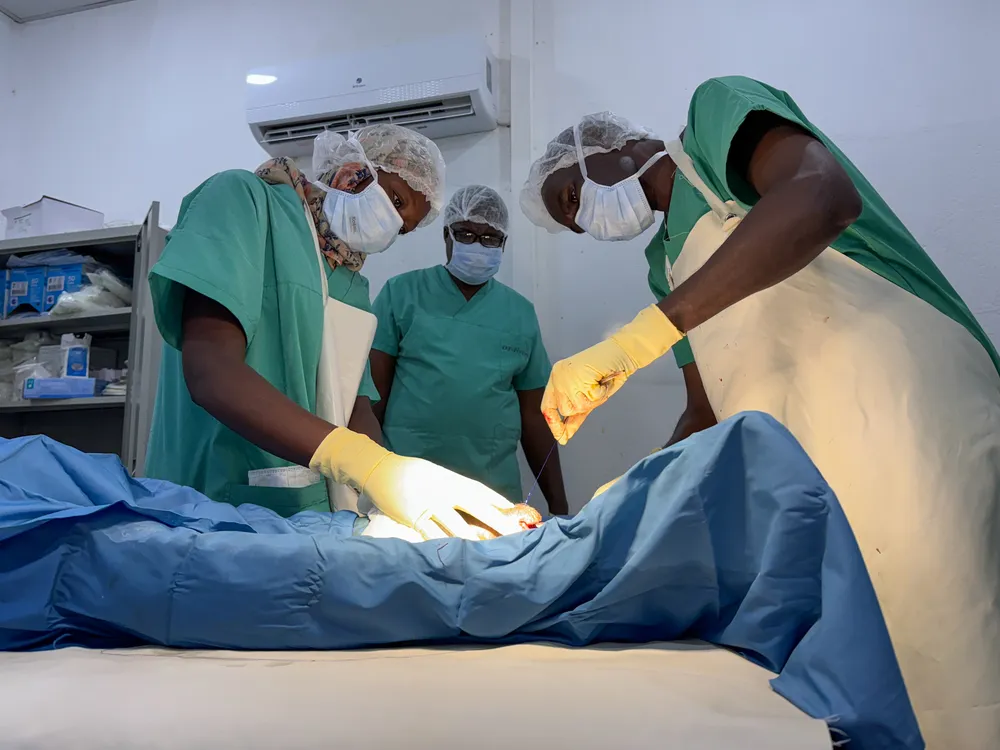
  • Emergency care and surgery, including trauma care for war wounded and non-war related injuries
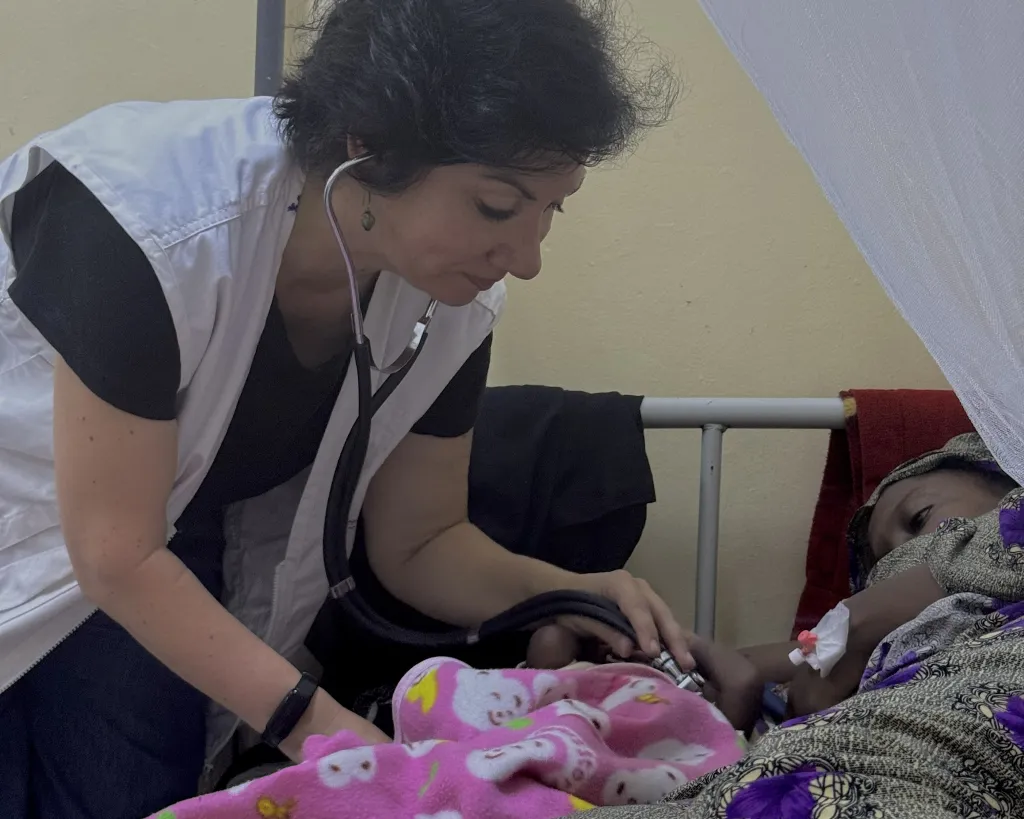
  • Maternal and paediatric healthcare, including caesarean sections
  • Malnutrition screening and in-hospital and at-home treatment for acutely malnourished children and pregnant mothers
  • Outpatient care and mobile clinics, including in sites hosting displaced people and refugees
  • Routine- and catch-up vaccination campaigns
  • Responses to outbreaks of diseases - cholera, measles etc.
  • Donations of medicines and medical supplies to healthcare facilities
  • Incentives, training, and logistical support to Ministry of Health staff
  • Water and sanitation activities (WATSAN), including setting up and restoring/cleaning latrines and water points. 
     

Sudan report July 2025


Where we're responding

Khartoum

In February 2025 the MOH began running mobile primary health clinics in Bahri in the north of Khartoum city, an area that had previously seen heavy fighting, with MSF supporting through vehicles, providing incentives and complementing stocks of medicines. The MOH run mobile clinics will provide health services for vulnerable communities in Bahri. The clinics will provide diagnosis and treatment for communicable and non-communicable diseases, reproductive health services, ambulatory therapeutic feeding care and referrals of critical cases.

Since June 2023, MSF has been supporting Umdawanban Teaching Hospital in Sharg-en-Nile, focusing on the high paediatric needs and the maternity department. Similarly, Albanjadeed Tertiary Hospital in Khartoum East has been receiving support from MSF since July 2023, primarily for the emergency room department, to provide free and quality emergency health care.   

Al Nao Hospital, the largest functioning public hospital remaining in Omdurman, receives a high number of war-wounded and medical emergency cases daily. MSF supports this hospital with donations of essential drugs and medical supplies, incentives for staff, technical support for logistic, water and sanitation as well as food for patients. The support is focused on the emergency room, the 24/7 observation ward, and the operation theatre.  

MSF has also been supporting Al Buluk Paediatric Hospital, with ad-hoc donations of essential drugs and medical supplies, technical support for logistic, water and sanitation, and food for patients. The focus of MSF support is inpatient management of patients with malnutrition complications. Since August 2024 the hospital has seen a huge surge in cases of severe malnutrition and in response, MSF has increased their support by providing more technical support to medical staff; providing protection rations to discharged patients; and covering the costs of admission files.

MSF supports the Minister of Health in Al Saheed Widatallah primary health centre, providing medical supplies, incentives for the staff, running cost and technical support and supervision in the provision of outpatients’ consultation, sexual and reproductive services, vaccination, nutrition and mental health.  In the month of January, the number of patients increased in the medical facility.

MSF has supported the MoH in responding to cholera outbreaks since the start of the conflict including the ongoing outbreak.  Currently MSF supports an MoH CTU and Rapid Response Teams for active case finding and community-level preventative WASH activities.  

In January 2025, MSF suspended all medical activities at Bashair Teaching Hospital in south Khartoum after a series of violent security incidents.

White Nile

MSF teams have been adapting the response to the changing needs during this period and are currently supporting Al Kashafa and Tendelti hospitals with donations of medical and non-medical supplies, logistic works for watsan improvements incentives for MoH staff, running cost and direct technical support and supervision. In Al Kashafa hospital, MSF runs an inpatient therapeutic feeding centre, maternity, paediatrics, mental health services and the emergency room. In Tendalti Hospital MSF support Emergency Room, paediatric inpatients department and nutritional program. MSF teams are also providing cholera trainings and supporting cholera treatment centres in Kosti, Jabalain Hospital. Ad Douim, Kashafa and Tendelti hospital.  

Blue Nile

MSF runs a nutrition ward in Ad-Damazine Teaching Hospital with a bed capacity of 160. The ward provides care for severely malnourished children, particularly complicated cases where children cannot be treated at home. MSF also runs mobile clinics providing patient consultations, including maternity care, and malnutrition and malaria screening and treatment.

Gedaref

In Tanedba, MSF has been a vital healthcare provider since 2021, offering secondary and emergency healthcare to both the refugee, IDPs and host communities. The MSF hospital provides a range of services including primary health care, mental health, antenatal/postnatal care, family planning, nutrition, emergency stabilisation and referrals. It operates a 24/7 emergency room, an inpatient department, and a Kala Azar diagnosis and case management unit. The maternity department offers deliveries and Basic Emergency Obstetric and Neonatal Care, including care for survivors of sexual violence and referral of complicated cases and life-threatening emergencies. The project also includes community engagement, health promotion, surveillance and outbreak monitoring and response.   

MSF has been responding also to ongoing cholera outbreak, establishing a cholera treatment unit (CTU) in its Tanedba hospital. In Al Fao we supported establishing the 150 bed MOH CTC, running also WASH activities and case management. 

In 2024, Gedaref State faced a severe humanitarian crisis, with nearly a million displaced people, a cholera outbreak, and critical gaps in water, sanitation, and healthcare, worsened by rising malnutrition rates (GAM 18.3 per cent, SAM 4.6 per cent), overwhelmed facilities, acute food insecurity, and limited aid for internally displaced persons (IDPs), while poor coordination and resource shortages further deteriorated the situation. 
In response, MSF launched an emergency intervention focused on improving access to lifesaving primary healthcare services and cholera outbreak response—both preventive and curative—through mobile clinics, cholera treatment centres and community-based WASH activities. 

The emergency response in Gedaref city effectively addressed the surge in cholera cases through the establishment and scale-up of Cholera Treatment Centers (CTCs) and Oral Rehydration Points (ORPs) across major gathering sites. A total of 3,016 cholera cases were treated, with a case fatality rate (CFR) of less than one per cent. Key interventions included: 

  • Safe Water Supply: Distribution of 3.6 million cubic meters of safe drinking water. 
  • Sanitation & Hygiene: Construction of 210 emergency latrines and implementation of hygiene promotion activities, including clean-up campaigns, public health messaging, active case finding, and contact tracing. 

In addition to the cholera response, MSF’s response in El Gedaref expanded to include lifesaving primary healthcare services for the internally displaced persons (IDPs) remaining in the city. Two mobile clinics were deployed to the IDP sites, offering a comprehensive range of services, including outpatient consultations, sexual and reproductive health (SRH) services, support for survivors of sexual violence (SV), and mental health services. The response included:

  • 16,040 outpatient department (OPD) consultations conducted in mobile clinics.  
  • 1,653 antenatal care (ANC) consultations provided.  
  • 3,294 routine EPI (Expanded Program on Immunization) vaccinations administered.  
  • 277 children treated for severe acute malnutrition (SAM) in ambulatory therapeutic feeding centers (ATFCs).
  • 175 lifesaving referrals supported through the mobile clinics. 

Similarly, in Um Rakuba camp, MSF ensures access to preventive and curative healthcare for Tigrayan refugees and surrounding host community. The hospital in the camp offers a wide range of support, including outpatient consultations, inpatient admissions, nutrition, emergency care and maternity services. In addition to these medical services, MSF engages in health promotion activities at the hospital, in the camp, and at community levels, and provides mental health consultations.

Kassala

MSF has been responding to a significant cholera outbreak in Kassala state since August, providing medical care to over 3,500 patients so far. MSF teams have been running a cholera treatment centre, a smaller cholera treatment unit, and oral rehydration points in the community, as well as building latrines and carrying out community-based awareness activities. Cholera cases are now decreasing, so activities will be reviewed and if necessary reoriented to address other medical needs.

River Nile

MSF has been responding to the cholera outbreak in collaboration with River Nile State health authorities. In the Atbara Teaching Hospital, MSF is co-managing a 100-bed cholera treatment centre since the beginning of September 2024. We have been doing some outreach activities, providing technical support and donations to other cholera treatment units and ORPs in the State as well as running health promotion activities. Since mid-November MSF is also supporting the cholera treatment unit in Shendi Hospital after a peak of cholera cases related to the arrival of displaced people from Gezira. MSF is engaged in the construction of some latrines in displacement sites that have been more affected by the outbreak and the new wave of displacement.

In December MSF started a new project in paediatrics department of Atbara Teaching Hospital supporting Emergency Room, Inpatients Department and Nutritional program.  

West Darfur

MSF supports El Geneina Teaching Hospital in the provision of primary and secondary healthcare services. This support is particularly focused on paediatric services, including the paediatric outpatient department, and inpatient therapeutic feeding centre. MSF also supports the blood bank, laboratory, sterilization, water, sanitation, and energy for the hospital. The teams supported by MSF are able to conduct a significant number of outpatient department paediatric consultations, inpatient therapeutic feeding centre admissions, inpatient department admissions, group sessions on mental health, and group health promotion sessions.MSF is also supporting Ministry of Health staff at the hospital by paying incentives and providing essential supplies to enable them to maintain a range of medical services that are essential for emergency care. Our team also manages electricity, water and waste management for the entire hospital.

From May 2024, MSF's outreach team visited places such as Jabal Moon, Sirba, Beida, Habila, and Fora Baranga, where they conducted nutritional screenings, treated severe malnutrition, assessed rural health facilities, and distributed medical and nutritional supplies. Following theses assessments, MSF has opened ATFC and ITFC in Beida, Habila and Foro Baranga, where we are also treating Malaria patients. This period saw an increase in consultations, admissions and overall workload, likely due to the ean season and an increase in malnutrition cases. 
MSF also supports Murnei Hospital, including providing general outpatient consultations, sexual and reproductive health, maternal health, and malnutrition screenings and treatments. The team also runs mobile clinics in nearby Ramalia. MSF teams also support water and sanitation activities.

Central Darfur

One of the sole secondary healthcare facilities for Central Darfur, the Zalingei Teaching Hospital was looted and attacked multiple times during the war over the past year. Since early April 2024, MSF has re-opened and rehabilitated the maternity, the emergency room, the inpatient therapeutic feeding centre, and the paediatric department. The rehabilitation of the surgical department is on- going. MSF opened an operation theatre for surgical interventions. 

In Rokero, North Jebel Marra, MSF in collaboration with the Ministry of Health, continues supports a comprehensive range of services at a secondary healthcare facility and facilitates referrals to Golo hospital. Due to the conflict, we have been unable to resupply medical and non-medical items for months and reinforce the team with international staff. All the community from the rural villages access this hospital on donkeys, camels and on foot due to lack of good roads and public transportation. The hospital serves over 200,000 residents of the area in addition to 41,000 new arrivals fleeing conflict. This includes over 7,200 who have arrived from El Fasher after recent escalation of hostilities there. 

In North Jebel Marra, MSF also supports the Umo healthcare centre, serving rural communities. Additionally, in response to the influx of internally displaced persons in the surrounding areas of Sortony IDPs camp and Kaguru (in North Darfur), MSF began supporting the Sortony healthcare centre in October 2023, thereby improving access to healthcare for around 51,000 displaced people living 45km north from Rokero town. MSF also supports five decentralized model of care sites in very remote areas of North Jebel Marra (Funga, Kome, Kormi, Sallah and Della).

North Darfur

Zamzam: Home to 450,000 displaced people in the surroundings of El Fasher, the largest displacement site in Sudan has been gripped by widespread and extreme malnutrition. The ongoing siege of El Fasher areas and Zamzam camp by the RSF has exacerbated the disaster and prevented MSF and others from delivering the required massive response. Since December 1st, there has been repeated shelling by the RSF on Zamzam camp.

We currently run a field hospital designed to provide child and maternal healthcare. Despite the facility not being equipped to cope with trauma cases, we treated 44 patients injured by shelling in December, including young children. The RSF assault on the area includes ground offensive inside Zamzam. As of 17 February we’ve received 121 patients since 1 February. Because of increased security threats related to the shelling, we took the painful decision to reduce our teams and activities and focus on treating the most critical cases requiring hospital care. Our outpatient program for malnourished children, which fully resumed at the beginning of November after blockades on supplies, is now suspended again due to the deteriorated security situation.

Tawila: MSF opened a new project in Tawila, North Darfur, to support host and displaced communities. MSF renovated the local hospital and support all services nutrition, paediatrics, maternal and adult in patient care. Our teams carry out regular mass nutritional screening and distribution of therapeutic food and nutrient supplements in the locality.

Donations of medical supplies: Although MSF no longer work inside El Fasher, we continue to support the few health facilities that are still functioning, like Saudi Hospital with donations of medical supplies whenever possible. We also sent medical supplies to the public hospital of Kebkabya to help treat influx of wounded after an air strike on the weekly town market on 9 December killed and injured scores of people.

South Darfur

MSF has activities in Nyala city and surrounding areas, as well as in Kass and south Jebel Mara. In collaboration with the MOH, the malaria department and local community health groups MSF established ICCM sites which focus on providing healthcare for children under 5 and nutritional care in places where displaced people have congregated, and urban communities around Nyala. A Primary Health Care Center is supported in Beleil. MSF supports women's clinics in IDP camps in Nyala area with sexual and reproductive health care, antenatal and care, and birth services. In Nyala Teaching Hospital, MSF is engaged in the emergency department, the maternity, and in pediatrics. MSF is also undertaking the rehabilitation of other buildings damaged in the conflict in Nyala Teaching Hospital.  

MSF supports nutrition, sexual and reproductive health, and care for survivors of sexual and gender-based violence in Al Wahda Hospital. In Kass MSF has various ICCM sites and supports Kass Rural Hospital. Since 2021, MSF has been operating two clinics in the Jebel Mara mountains, in Kalokitting and Torun Tonga. These clinics provide primary healthcare services, including deliveries, nutrition, essential program on immunization, and referrals to Kass hospital when feasible. The program also includes community engagement, health promotion, surveillance, outbreak monitoring and response ‘Confidential Corners’ were created for family planning and sexual and gender-based violence care in several of the MSF supported facilities in Nyala and Kass/Jebel Mara. Water and sanitation activities, both in the health facilities and in the communities, are also part of MSF’s activities in the area. Finally, MSF supports health facilities, UN agencies, and other medical organisations with donations of therapeutic food and other essential medical items.


Assisting in neighbouring countries

The United Nations estimates that almost three million people who have been displaced by the conflict in Sudan have fled to neighbouring countries such as Chad, South Sudan, and Central African Republic. This huge displacement of people—almost 900,000 just in Chad—has had significant impacts on host countries, where many were already struggling to access essentials prior to the conflict in Sudan.

South Sudan

The ongoing conflict in Sudan has significantly affected South Sudan, particularly in the border county of Renk, which has seen a surge of approximately 120,000 new arrivals since December 2024. Since April 2023, more than 1 million people have fled to South Sudan due to the violence, with most entering through five informal entry points.

MSF is providing medical services to these refugees and returnees and host communities in several regions, including Renk  in Upper Nile State, the Abyei Special Administrative Area, and the capital, Juba. In Renk, MSF supports the Renk County hospital, offering pre- and post-operative care for war-related injuries in partnership with the International Committee of the Red Cross (ICRC), which provides surgical care, runs paediatric services, and operates a cholera treatment unit. MSF had to set up 17 additional tents to accommodate the influx of patients.

MSF also conducts outreach activities at the Gossfami informal settlement and has expanded to Girbanat and Atam informal settlements, which host over 60,000 individuals facing a severe lack of healthcare services. MSF initially supplied non-food items like blankets and water containers and continues to conduct outpatient consultations, predominantly treating malaria and diarrhoea cases. Our teams also run an ambulance service referring patients needing further medical care to Renk Civil Hospital, provide up to 23,000 litres of water daily through trucks, and are currently setting up sanitation infrastructure, including latrines and water points.

On 28 October 2024, the South Sudan Ministry of Health declared a cholera outbreak in Renk County, exacerbated by inadequate sanitation and overcrowded living conditions. The disease spread unusually fast to at least seven of the nation's 10 states. MSF has responded in five states, treating cholera patients and administering vaccinations in areas such as Renk, Malakal, Rubkona, and Juba, in the Gorom refugee camp, where currently over 12,000 Sudanese refugees are living.

Despite the increasing number of refugees and returnees, significant gaps remain in humanitarian response, putting additional pressure on vulnerable populations. Water supply and sanitation (WASH) facilities pose urgent concerns; many communities depend on dwindling rainwater sources, which raises the risk of communal conflict. Moreover, food and shelter shortages persist, with many living in inadequate conditions, such as makeshift tents or under trees, and lacking essential non-food items. MSF is committed to supporting all affected individuals, including refugees, returnees, and local communities facing dire circumstances.

Chad

Prior to the current war, the country was already hosting several hundreds of thousands of Sudanese refugees. As per the data by UNHCR in January 2025, 734,413 displaced refugees and returnees have crossed the border to eastern Chad, and hundreds more keep arriving. MSF teams work in 3 border regions which have been hosting most of the new arrivals: Ouaddaï, Wadi Fira and Sila, supporting refugees, returnees and host communities.

In 2024, MSF provided a wide range of medical services: primary healthcare, malnutrition screening and treatment, vaccination, sexual and reproductive healthcare; through a wide range of modalities: supporting existing local health structures, setting-up hospitals, clinics and Integrated Community Case Management (ICCM) and referral systems, in addition of mobile clinics allowing to reach the most vulnerable communities. We have also played a key-part in large-scale public health initiatives such as responses vaccination campaign, or SCP (seasonal chemoprophylaxis) on the benefits refugee communities.  

As populations often struggle to acquire water in enough quantity and quality – what increase the risks of water-borne diseases outbreaks and spreading – MSF is constantly working at improving the access to water and sanitation. Over the past year, our organisation has been digging boreholes, building and connecting waterpoints in the camps, brought its technical support to other actors, set-up hundreds of latrines, rehabilitated water-pump in host-communities, distributed hundreds of thousands of soap bars. An intervention, that among other, contribute to decrease the number of cases of hepatitis E, which is currently an epidemic in the east of the country.

Finally, where other competent organisations don’t have the capacity to do so, MSF keeps providing refugee communities with non-food items, such as plastic sheeting, mosquito nets or soap bars which, during the rainy season, are crucial to prevent additional heath troubles and to regain a minimum of dignity.

Despite these efforts, the humanitarian response in eastern Chad has been struggling due to insufficient funding for humanitarian organisations on the ground, leaving critical gaps in the provision of food, shelter, water, and sanitation.


Our history in Sudan

MSF has been present in Sudan since 1979, witnessing historic changes and escalating needs in response to the rapid shifts in the country’s political and social dynamics, which in turn have impacted health needs.

Our intervention began shortly before the Second Sudanese Civil War (1983-2005), which was fought primarily between the north and south of Sudan and was one of Africa's longest civil wars. MSF was actively involved in providing medical care to war-affected communities dealing with massive displacement, famine, and the outbreak of diseases. With the independence of South Sudan in 2011, MSF continued operations in both countries, adapting to the shifting dynamics of conflict and the division of resources.

Before the war broke out in April 2023, MSF teams were working in 11 states across Sudan. When the war broke out in April 2023, many activities were either stopped or shifted to respond to the new emerging needs and emergencies across the country. Some activities continued—for example in parts of Darfur and Blue Nile State—largely thanks to the efforts of our locally hired MSF staff, who continued to work despite the extremely difficult personal and environmental circumstances. MSF also started several new projects to respond to the needs of those affected by the intense fighting, such as hospitals in Khartoum and care for internally displaced people in Al Jazirah and White Nile States.


Will you support our emergency response work?

As an independent, impartial medical humanitarian organisation, Médecins Sans Frontières can respond rapidly to emergency situations and deliver urgent medical treatment.
 
At the moment our impact is limited due to the restricted movement possible under the dangerous circumstances. As the situation evolves, we continue to work on ways we can support local health systems and provide direct medical care to those affected by the conflict, and take all measures possible to ensure the safety of our teams.
 
By making a donation, you can help ensure that we can be there to provide medical assistance during times of crisis like intense fighting in Sudan.
 

DONATE NOW