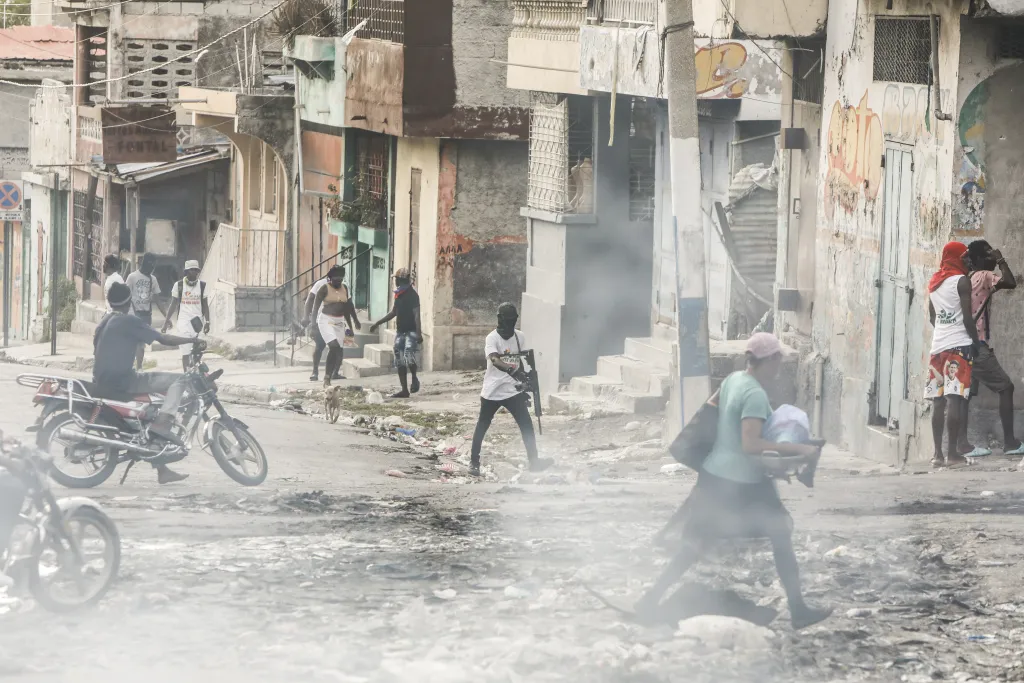
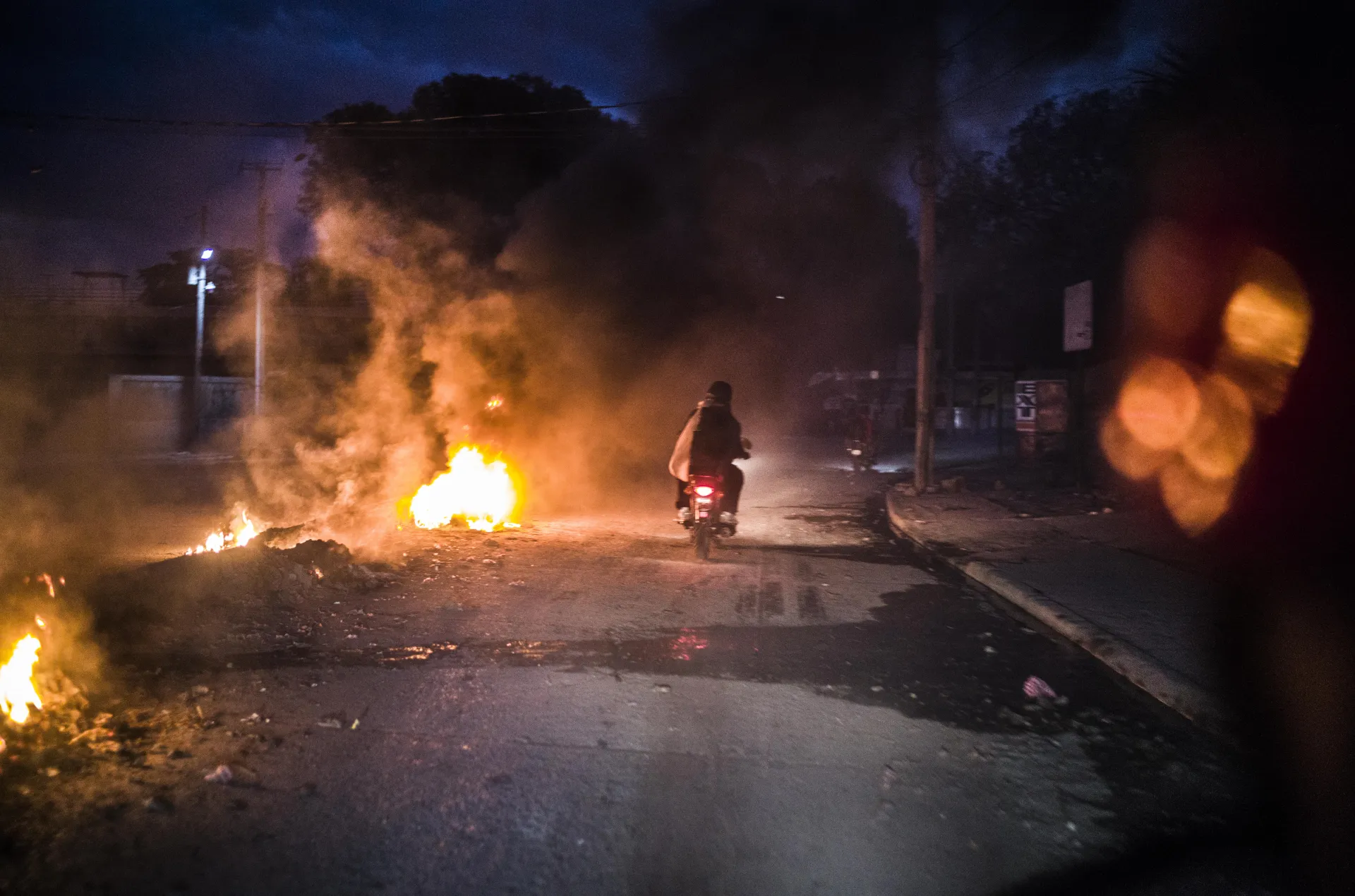
Since the assassination of the Haitian President Jovenel Moïse three years ago, the people of the capital Port-au-Prince have been struggling to survive as armed gangs, police, and civilian self-defense brigades fight in the streets of the city.
People are caught in the crossfire, suffering severe casualties and compounded needs as the conflict disrupts access to basic services including health care, water, food, and livelihoods. Health facilities in Haiti face critical gaps including a lack of bed space, blood, oxygen, and surgical capacity.
Escalation of violence in Haiti



The current situation
The already-volatile situation has deteriorated even further after an announcement that elections would be postponed until as late as August 2025. Armed groups responded with widespread attacks on police stations and other state institutions and demanded that Prime Minister Ariel Henry, the de facto head of state since Moïse’s death, resign immediately.
The violence and unrest are hindering access to essentials like water, sanitation and health, including fuel provision for water treatment centres. Some areas in Port-au-Prince are already experiencing shortages of safe drinking water, which is extra concerning given the constant threat of cholera outbreaks in Port-au-Prince. Many banks have closed, causing cashflow problems for residents, and internet and phone services are often unstable. The airports are closed and so is the only land border, with the Dominican Republic.
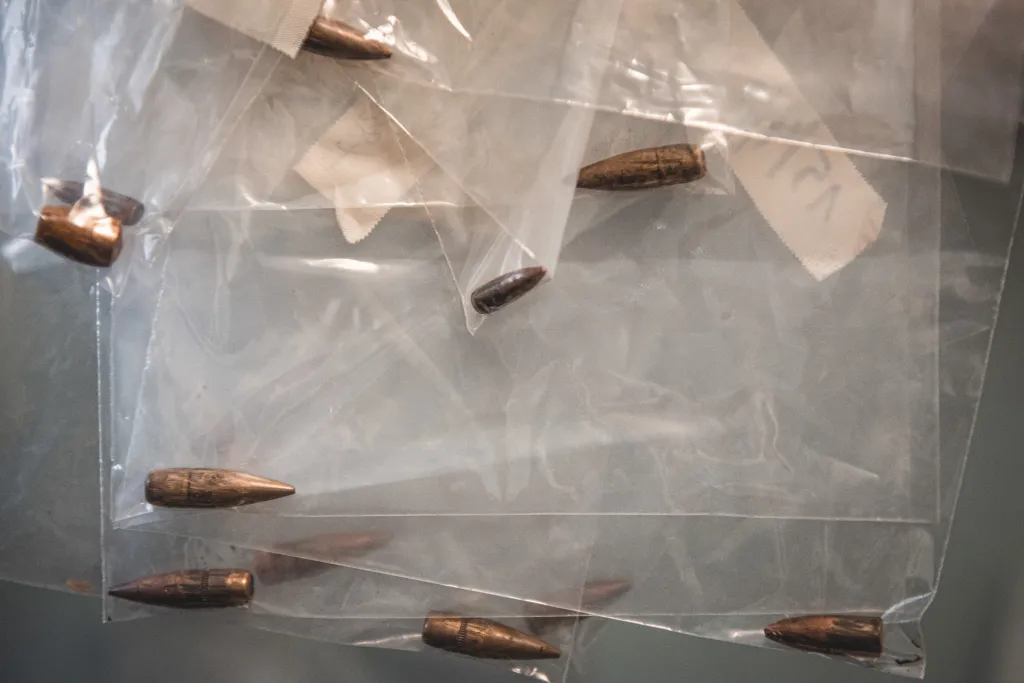
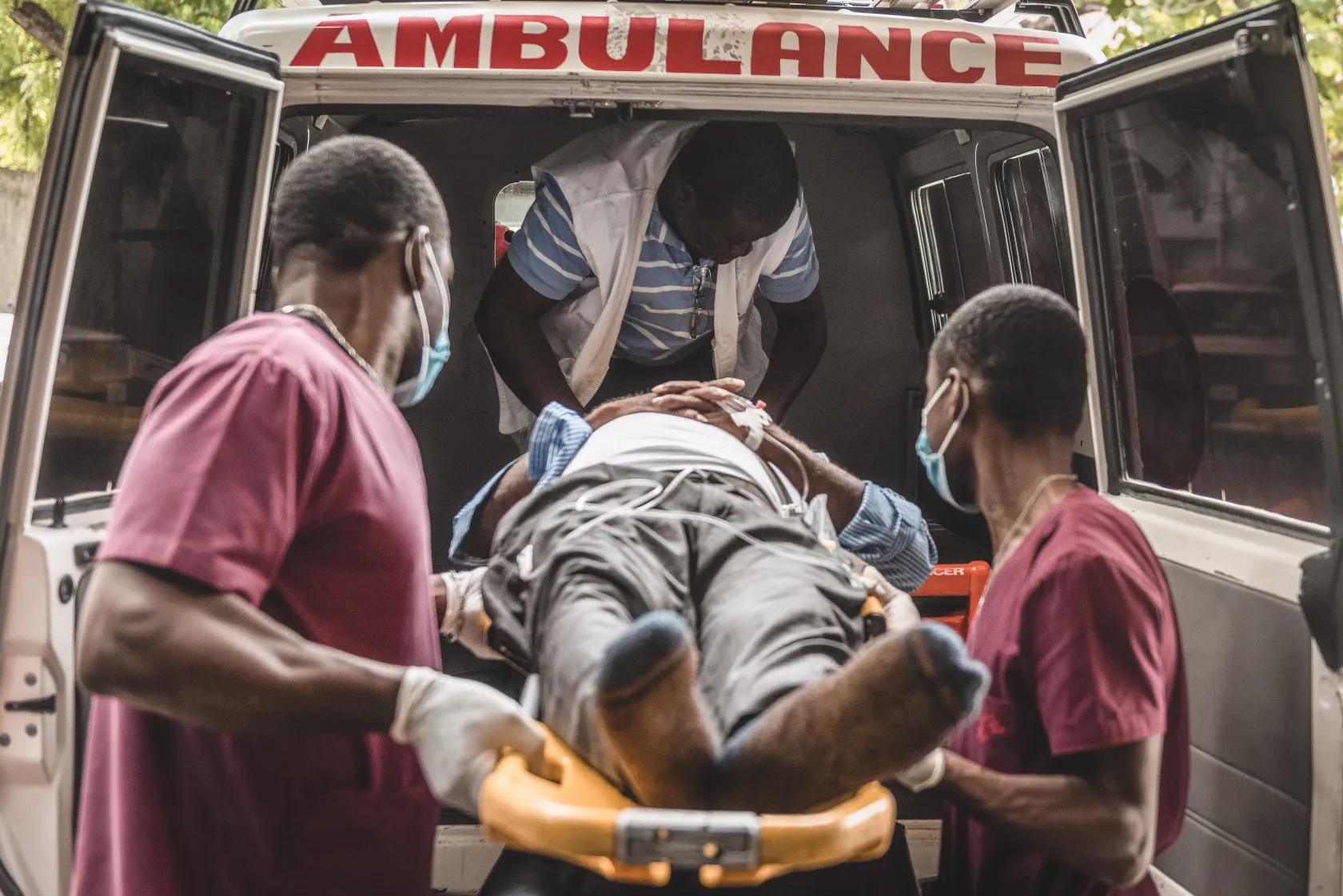
In these very challenging conditions, our teams are working to maintain and expand activities in our two trauma hospitals and two emergency centres in Port-au-Prince. We are treating victims of gunshot and stab wounds and survivors of sexual and gender-based violence, as well as people with severe burns and injuries related to road accidents.
I’m used to seeing people killed. I’m used to seeing bodies lying on the ground. I’m used to seeing burnt corpses. I’m used to seeing everything...
How MSF is responding
MSF currently runs two trauma hospitals (Tabarre and Carrefour), two emergency centers (Drouillard and Turgeau) and one center for the survivors of sexual violence in the Port-au-Prince metropolitan area. Mobile clinics are temporarily suspended because of the volatile situation.
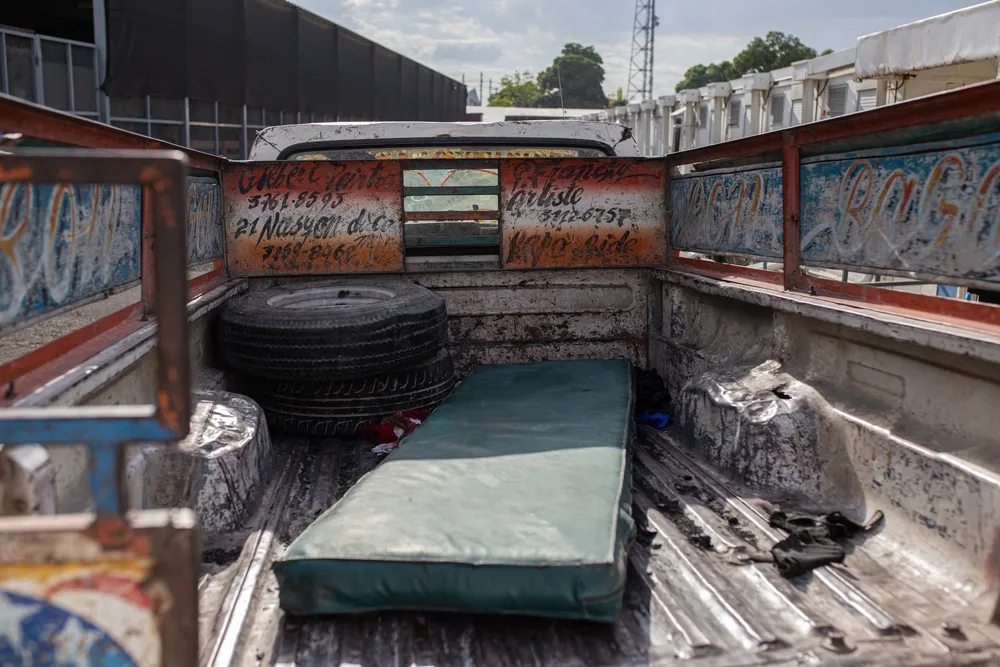
The dangerous situation in the streets due to armed clashes and barricades, and the many closures of medical facilities makes it virtually impossible to do referrals, adding to the pressure on the few facilities that are functional, including those run by MSF.
Supplies and the risk of stock ruptures
MSF has been facing a major supply issue that could result in our hospitals running out of medical supplies with grave consequences on our ability to ensure the continuity of care.
Our incoming cargo containing much-needed supplies spent several months at the customs in the city port prior to the latest outburst of violence; just as the supplies were going to be cleared from customs, violence erupted preventing their final clearance and delivery to the MSF facilities. The situation is uncertain at the moment – the port seems to be accessible again and we are hoping to have the final authorisation to pick up our supplies and ship them urgently to our hospitals. This is our priority and we are urging the authorities to expedite the procedure.
Where we're responding
Will you support us?
As an independent and impartial medical humanitarian organisation, Médecins Sans Frontières can respond rapidly to emergency situations and deliver urgent medical treatment to people in need, no matter who they are.
By making a donation, you can help ensure that MSF staff can provide medical assistance during times of crises where it is needed most—both in Haiti, and around the world.