From the field: Human connection transcends culture, language, and circumstance
Isabella Mayes is a midwife activity manager who has recently returned from Old Fangak, South Sudan. Isabella shares how her experience in remote and rural healthcare helped her on her first assignment with Médecins Sans Frontières/Doctors Without Borders (MSF).
Did you have experience of remote or rural work before joining MSF?
After graduating from university in Brisbane, I began my career in rural Australia, working in a midwifery group practice in Emerald, a regional town about four hours inland from Rockhampton, Queensland. I then moved to Townsville, where I gained experience in both a large tertiary facility and a low-risk birth centre. From there, I relocated to Alice Springs, furthering my skills in a remote and culturally diverse context.
I’ve always been drawn to smaller hospitals and remote settings. In these environments, you build strong relationships with both your colleagues and the women and families you care for. I find it incredibly rewarding as you gain a deeper understanding of the community’s social and cultural context, enabling more individualised and meaningful care.
Tell us about your role as midwife activity manager in Old Fangak.
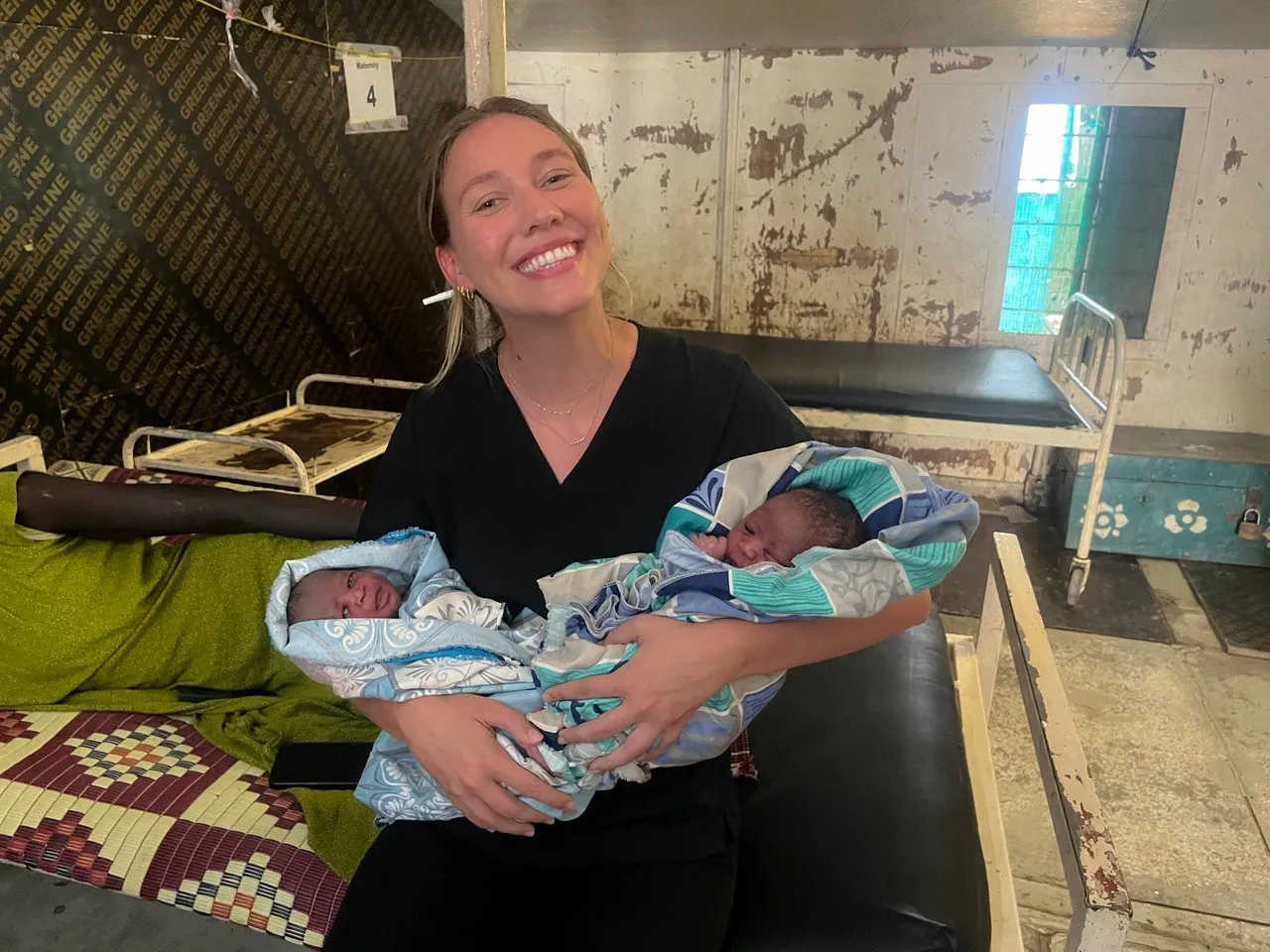
The role was even more varied than I could have imagined, combining clinical leadership, program coordination, and emergency response. As midwife activity manager, I was responsible for overseeing the maternity team, including rostering and staff development, while also managing the maternity patients and being on-call 24/7 for any obstetric and neonatal emergencies. Our unit managed around 500 births annually, ranging from low-risk deliveries to high-acuity cases.
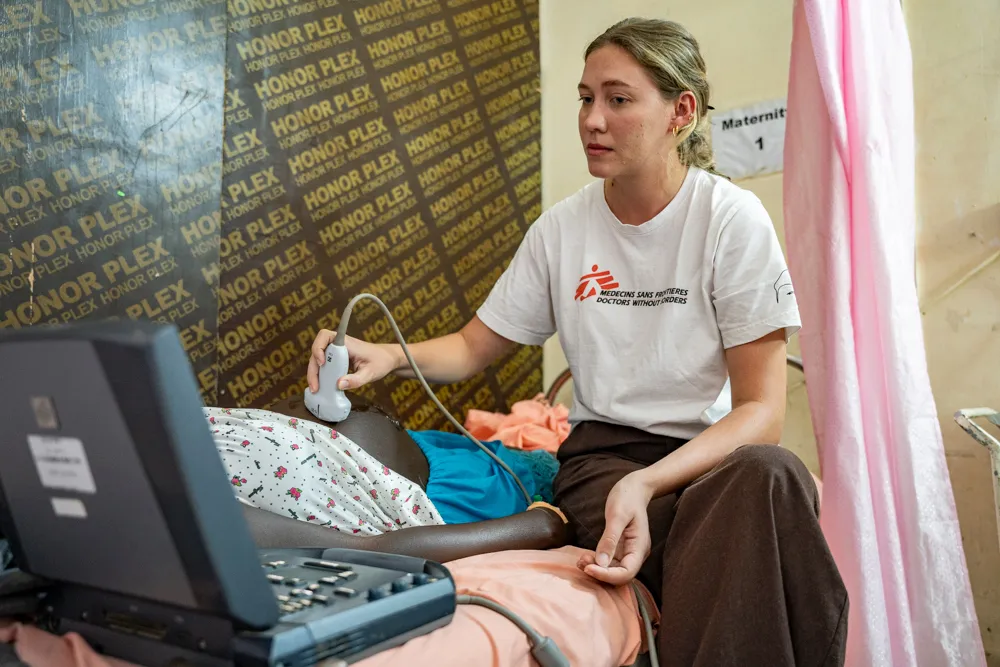
Old Fangak is extremely remote, with no obstetricians or surgical capacity. I often worked well beyond the typical midwifery scope of practice in Australia, including providing vacuum deliveries, point-of-care ultrasounds, and managing complex cases involving severe malaria, malnutrition, and preterm birth. We delivered care across the full continuum of pregnancy, birth, and the postnatal period. This included antenatal monitoring, medical and nutritional support, birth attendance, and postnatal care including breastfeeding support, baby checks, immunisations, and contraception.
Every woman, regardless of where she lives or the resources available to her, deserves access to respectful, evidence-based birthing services.
Beyond clinical care, I oversaw the broader sexual and reproductive health program, including family planning, immunisation outreach, gender-based violence support, and access to safe abortion care. Community engagement was a key part of the role. I led sensitisation sessions in schools, churches, and community events, and worked closely with traditional birth attendants in remote villages. There was also a significant operational component to the role, including HR processes such as recruitment and performance management, medical stock forecasting and supply tracking, data collection and analysis, project planning, and emergency response, such as responding to the cholera outbreak during my assignment.
How big was the midwifery team?
I led a team of 12 local staff, comprising of seven midwives and five midwife assistants, the vast majority of whom were men. In Old Fangak, many women do not get the opportunity to attend secondary school and are therefore less likely to speak English or meet the qualifications required for employment. This gender dynamic was a significant adjustment and stood in stark contrast to maternity care settings in Australia.
Leading a predominantly male team in a culturally complex environment required a strong emphasis on mentorship, collaboration, and respectful communication. One of my primary leadership goals was to build a shared understanding of woman-centred care and to address the social and cultural barriers that can affect the quality and safety of maternity services. I delivered ongoing training for all MSF staff on topics such as sexual- and gender-based violence, which remains highly prevalent in the community.
With limited access to medical doctors, many without obstetric training, I was often the most senior clinician present for maternal emergencies. This level of autonomy required confident, evidence-based decision-making and a focus on capacity building within the team.
What influenced your decision to join MSF?
My interest in global maternal health began in high school when I travelled to Tanzania and shadowed midwives at a hospital in Morogoro. That experience solidified my desire to become a midwife, not only because I was inspired by the profession itself, but also by the strength and resilience of the women I met, and the challenges they faced accessing safe care.
It was a formative moment that shaped my understanding of global health inequity. I realised that every woman, regardless of where she lives or the resources available to her, deserves access to respectful, evidence-based birthing services. That belief has stayed with me ever since and was a major influence in my decision to join MSF.
What is it like providing care within a remote and low-resource setting?
Old Fangak is an extremely remote area, accessible only by river. Our closest referral hospital was four hours away by boat, and due to security restrictions, transfers could only take place during daylight hours. This meant that if surgical intervention was needed timing was critical, and in some cases, meant stabilising labouring women for over 12 hours before transfer was possible.
Many women lived in neighbouring villages, often days away by foot and canoe. If they had the means, some chose to relocate closer to the hospital ahead of labour, though this wasn’t feasible for many families. MSF’s long-standing presence and strong community trust meant families were often willing to make significant sacrifices to access skilled birth care.
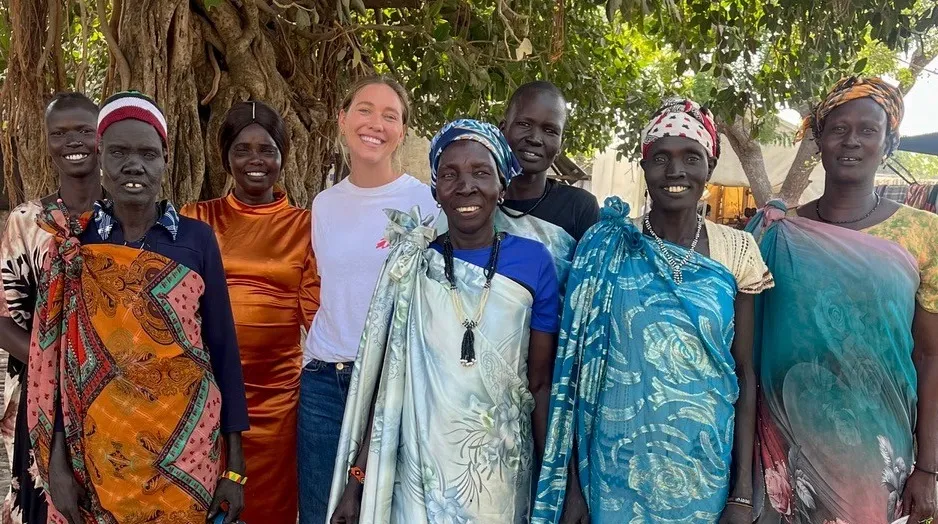
Towards the end of my assignment, we opened a new static health facility in Haat. Although we didn’t have the resources to provide birthing services there, I initiated a program to train traditional birth attendants (TBAs) in the area. Many of these women had been supporting births in their communities for years, without access to sterile equipment or formal training. I spent time living in the village, providing hands-on education, and distributing clean delivery kits to improve safety for home births in isolated areas without electricity or running water.
It was one of the most rewarding aspects of my assignment. The TBAs were incredibly engaged and deeply committed to improving outcomes for the women in their villages. Their openness to learning and collaboration was a powerful reminder of the importance of community-based solutions in strengthening maternal health.
How pivotal is the role of a midwife in a setting like Old Fangak?
Working as a midwife in such a remote and resource-limited setting is both deeply challenging and incredibly rewarding. In places like Old Fangak, there are significant gaps in access to essential healthcare, and midwives play a vital role in bridging those gaps.
One of the most meaningful aspects of my role was providing access to safe abortion care. In Australia, it is a service we often take for granted, but in Old Fangak you realise how critical this service is in saving many women’s lives. Being able to offer this care gave women autonomy in a context where they are rarely empowered to make decisions about their own health.
Can you reflect on your time in Old Fangak and any takeaways?
One of the best pieces of advice I received before my assignment was to go in without expectations, and I’m so glad I did. The adjustment was significant, both professionally and personally, but I received a lot of support and encouragement from the team.
What stood out most were the relationships I built with local staff and the community. Despite our vastly different backgrounds, we built strong connections, supported one another, and created a genuine sense of trust and teamwork. It was a powerful reminder that human connection transcends culture, language, and circumstance.
Join our team!
Our teams of medical and non-medical professionals provide healthcare to millions of people caught in crises in more than 75 countries around the world. Learn more about working with MSF and how to apply today.