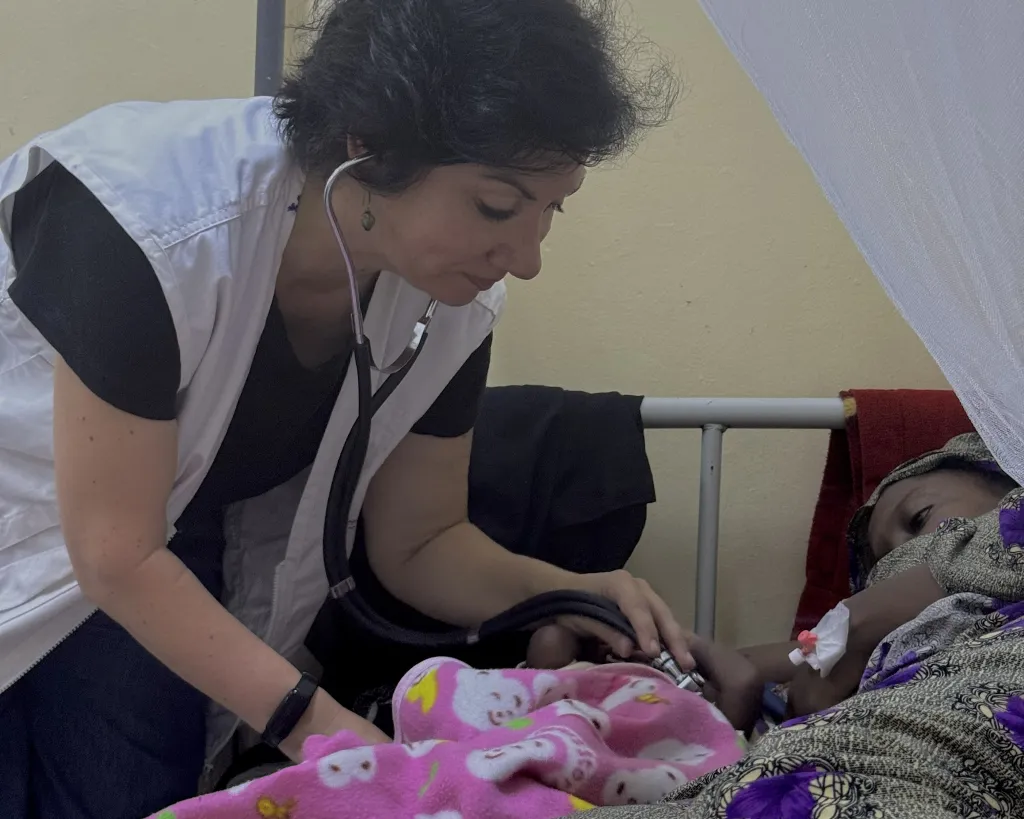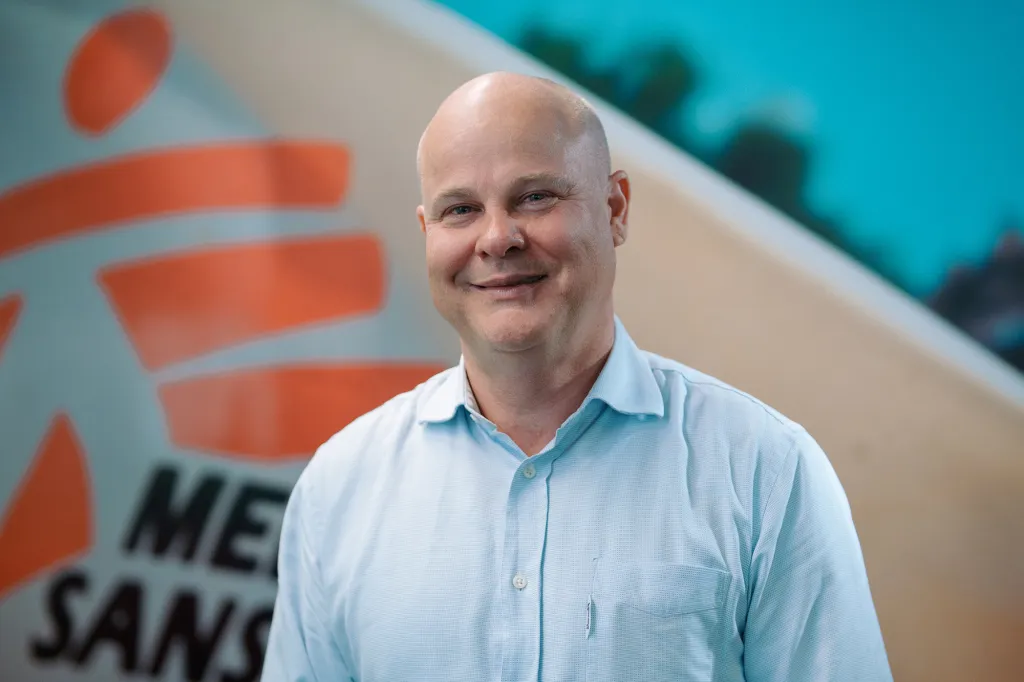
New report reveals shocking rise in attacks on medical care in armed conflicts
A new report published by MSF called Medical Care in the Cross Hairs - the attack on humanity has revealed that attacks on medical care in armed conflicts have reached unprecedented levels.
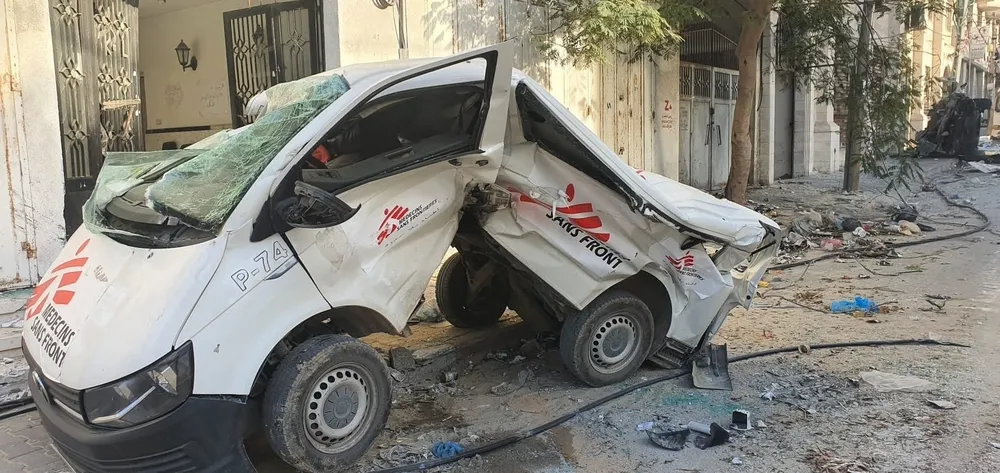
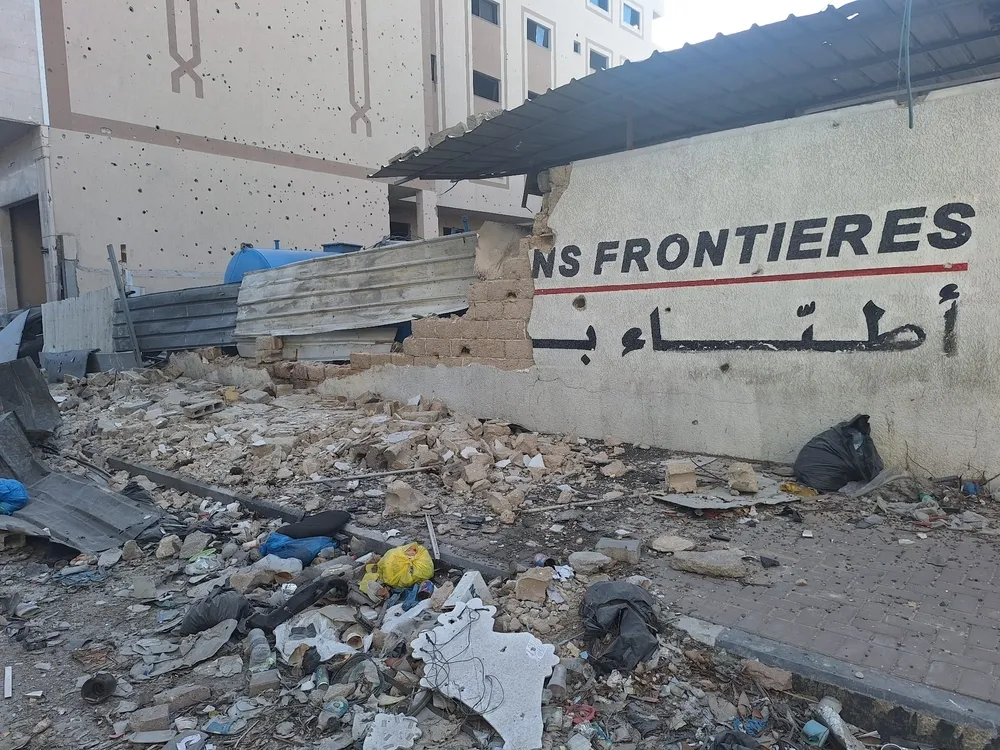
That finding is based on the Safeguarding Health in Conflict Coalition’s (SHCC) latest data from 2024, which documented 3,623 incidents targeting healthcare facilities, staff and patients,15 per cent more than in 2023, and 62 per cent more than in 2022. In 2024, approximately 81 per cent of incidents of violence against healthcare were attributed to state groups.
This is in conjunction with findings from the World Health Organization’s Surveillance System for Attacks on Health Care. In 2025, it reported a total of 1,348 attacks on medical facilities, resulting in the deaths of 1,981 people. That marked a significant increase in fatalities among medical personnel and patients in conflict zones, which doubled from 944 in 2024. Sudan was the most affected country, with 1,620 people killed, followed by Myanmar with 148, Palestine with 125, Syria with 41, and Ukraine with 19 people killed.
The release of Medical Care in the Cross Hairs comes as 2026 marks 10 years since the United Nations Security Council (UNSC) adopted resolution 2286 in the aftermath of the attack against the MSF hospital in Kunduz. On 3 October 2015, at least 42 people - including 14 MSF staff - were killed, and dozens more were injured when a United States AC-130 gunship bombed the Kunduz Trauma Centre in Afghanistan. It remains one of the deadliest attacks ever on our staff, patients and facilities.
Seven months later, following advocacy from the humanitarian sector, the UN Security Council adopted Resolution 2286 on the protection of medical facilities and personnel, which called for an end to impunity for those responsible and to respect international humanitarian law.
“This resolution was a glimmer of hope, as it was the first time these concerns were addressed in a binding decision,”
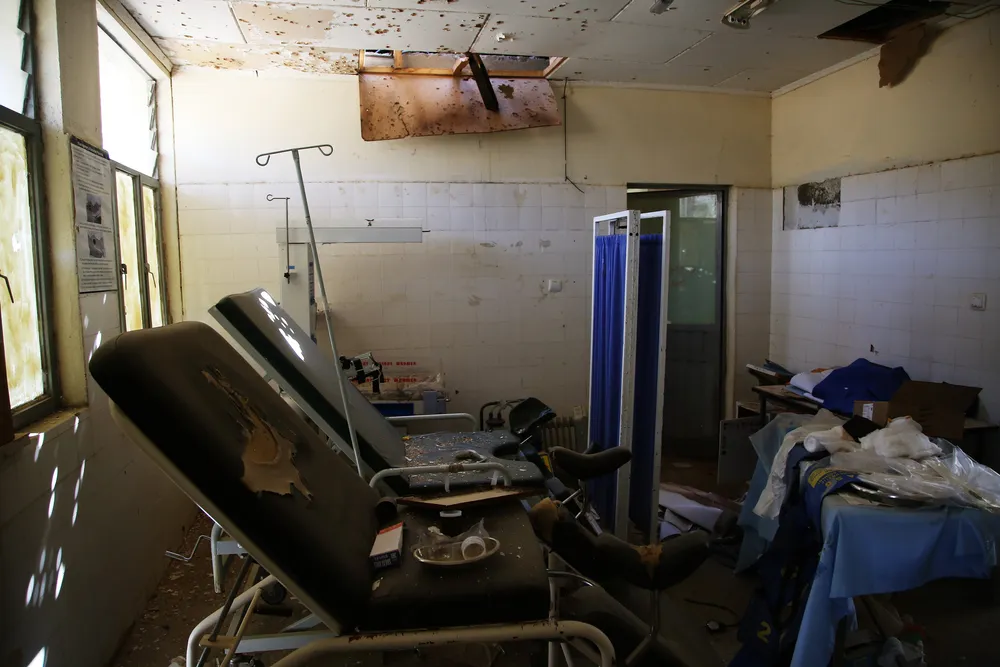
The resolution was a strong condemnation of attacks against health facilities, and medical personnel, and stood as a reminder to states and non-state armed groups of their legal responsibility to ensure the protection of medical missions. In 2024, UNSC resolution 2730 further reaffirmed the obligation to protect humanitarian staff.
However, a decade on, the outlook remains grim: attacks on healthcare facilities and personnel have increased, and impunity and lack of accountability for attacks seem to have been dangerously normalised as warring parties and states continue to erode the credibility of international humanitarian law.
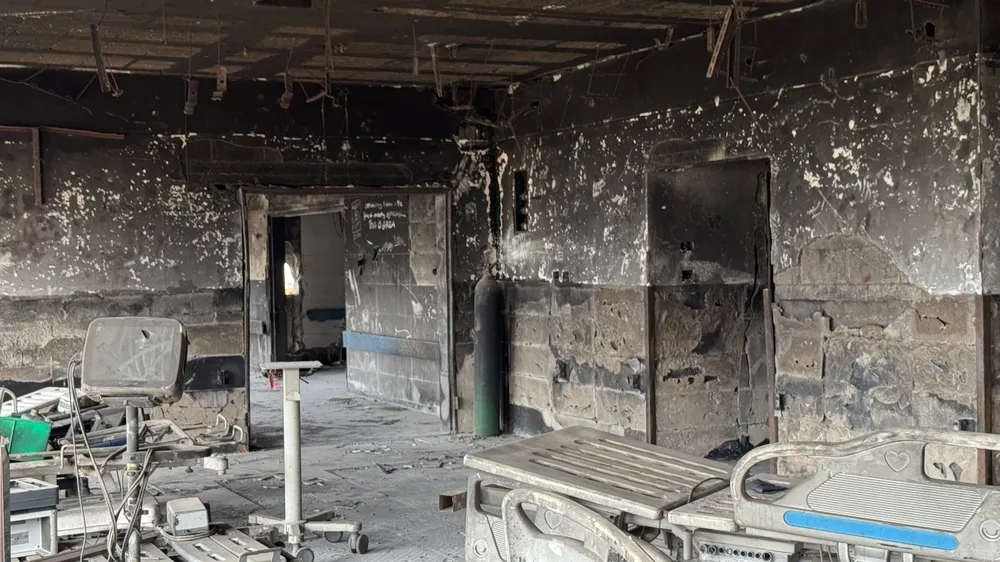
A shifting narrative: from ‘mistake’ to ‘loss of protection’
This MSF report highlights a troubling decline in warring parties respecting international humanitarian law. That trend is evident in both statistical data and the statements made by government members, military figures, and others involved in armed conflicts.
“Warring parties have shifted the narrative from one of ‘mistaken attacks’ to a justification that medical facilities and humanitarian personnel have “lost protection” under international humanitarian law. This shift often reflects a prioritisation of military necessity over the obligation to protect civilians and mitigate civilian harm”, says Laan.

In some instances, attacks may arise from misinterpretations of international humanitarian law or exploiting ambiguities in both treaty and customary law. Consequently, the burden of responsibility has changed: instead of automatically being seen as civilians and therefore protected, communities and healthcare facilities now must prove that they are not military targets.
“Core obligations by warring parties, such as the requirement to provide timely warnings before an attack, are often overlooked,”
“This neglect prevents medical facilities from responding to allegations of loss of protection or evacuating patients,” explains Laan.
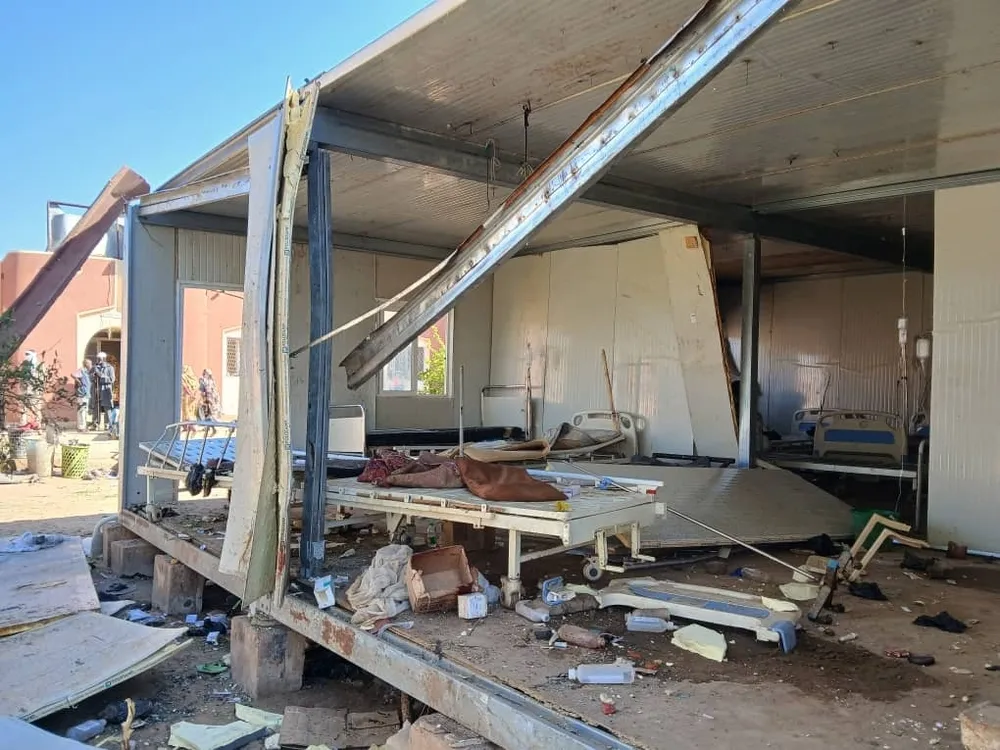
States responsible for most attacks in 2024
“State involvement in armed conflict poses specific challenges to protecting medical care, as state groups are more likely than non-state armed groups to carry out air-launched attacks and use explosives, especially in densely populated areas,” says Raquel González, MSF coordinator. “Violence against medical and humanitarian care leads to the closure of essential medical services and the withdrawal of humanitarian organisations, thereby cutting access to healthcare for communities that often have no alternatives.”
“People living in conflict areas are already affected by violence, and the loss of medical care makes their lives even more unbearable.”
Locally hired staff are particularly affected by these attacks. According to the Aid Worker Security Database, between 2021 and 2025, 1,241 locally hired staff members were killed, 1,006 were injured, and 604 were kidnapped worldwide. They represent 98 per cent of the total of aid workers killed, 96 per cent of those injured, and 94 per cent of those kidnapped.
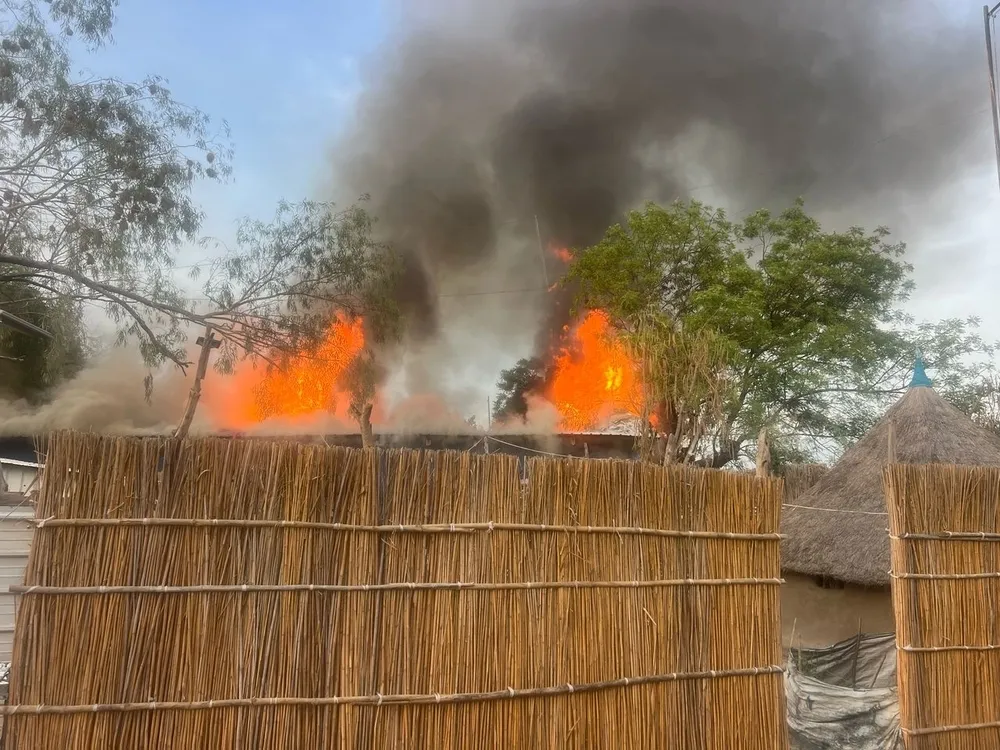
Enhancing respect for international humanitarian law
A country’s own laws and legislation, which ultimately incorporate international legal obligations, play a crucial role. National legislation, if not crafted carefully with due consideration for international humanitarian law, can undermine international humanitarian law obligations in practice, particularly the right to medical care for everyone, including those labelled as “enemies” by a warring party.
“States must comply with international law, and all warring parties must ensure proper mechanisms for military engagement to ensure the protection of medical care, prevent the use of medical facilities for military purposes, and integrate the protection of medical missions into military doctrine and decision-making,” says Laan.
“States must also be held accountable when they fail to comply with such laws. They must accept independent fact-finding missions, conduct their own investigations, and share findings transparently. These mechanisms are essential to establish the facts and contribute to ensuring accountability and countering the prevailing culture of impunity.”