Since the US and Israel began attacking Iran on Saturday 28 February 2026, bombings have continued across several countries. Israel has particularly intensified airstrikes across multiple areas in Lebanon. Iran has retaliated with strikes across the Middle East.
MSF teams across the region are currently confirmed as safe. We are monitoring developments with great concern.
Lebanon update
In the past few days, we have seen a sharp escalation in violence causing a rise in the death toll, injuries, and widespread displacement. Sweeping evacuation orders and ongoing strikes are forcing families to flee, often with nowhere safe to go.
Authorities reported over a million people have been displaced in official shelters, though numbers are likely significantly higher. This is in addition to the 64,000 people who are still displaced since the escalation of violence in Lebanon in 2024.
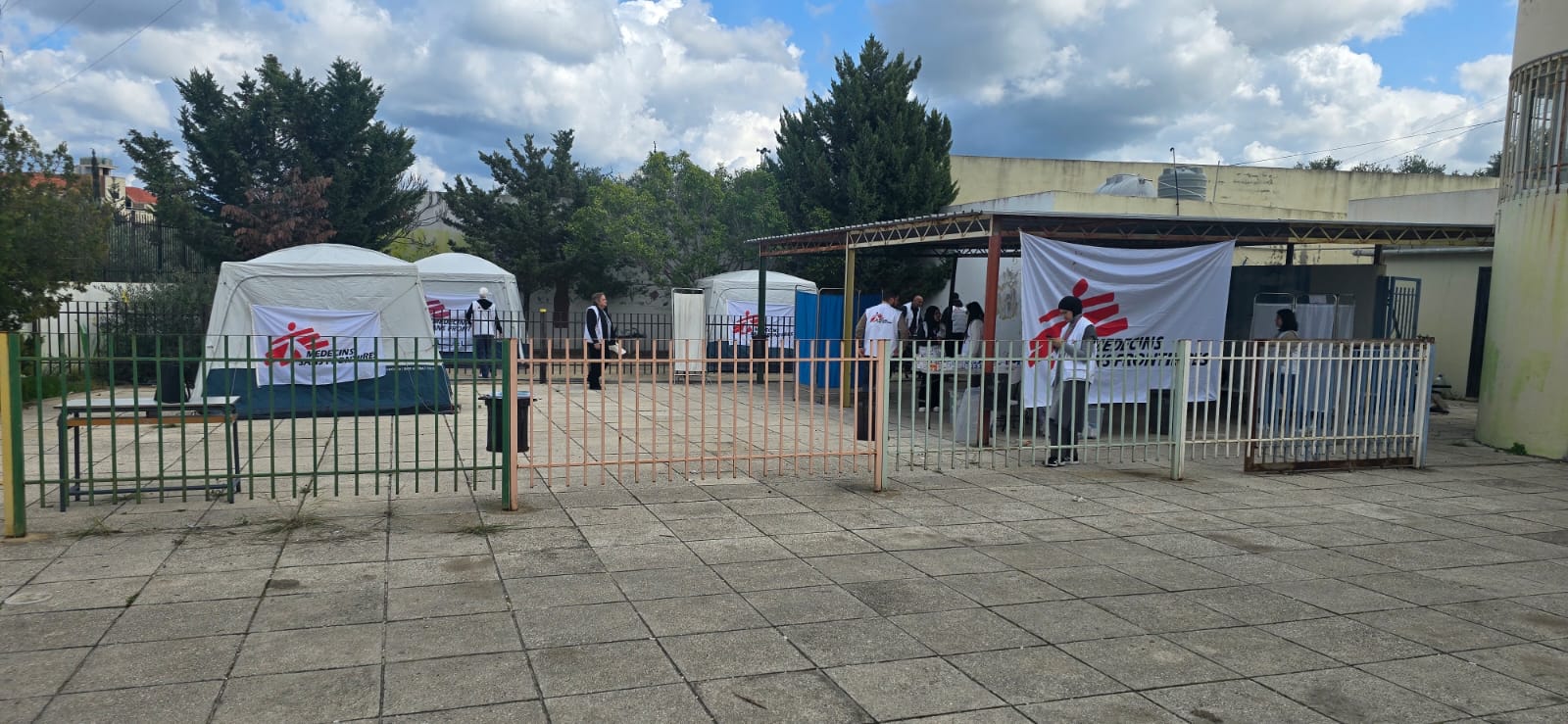
MSF has established several mobile clinics to reach displaced people including in:
- Saida - which has provided more than 70 consultations in one day including psychological first aid
- Barja - where an estimated 10,000 people are sheltering
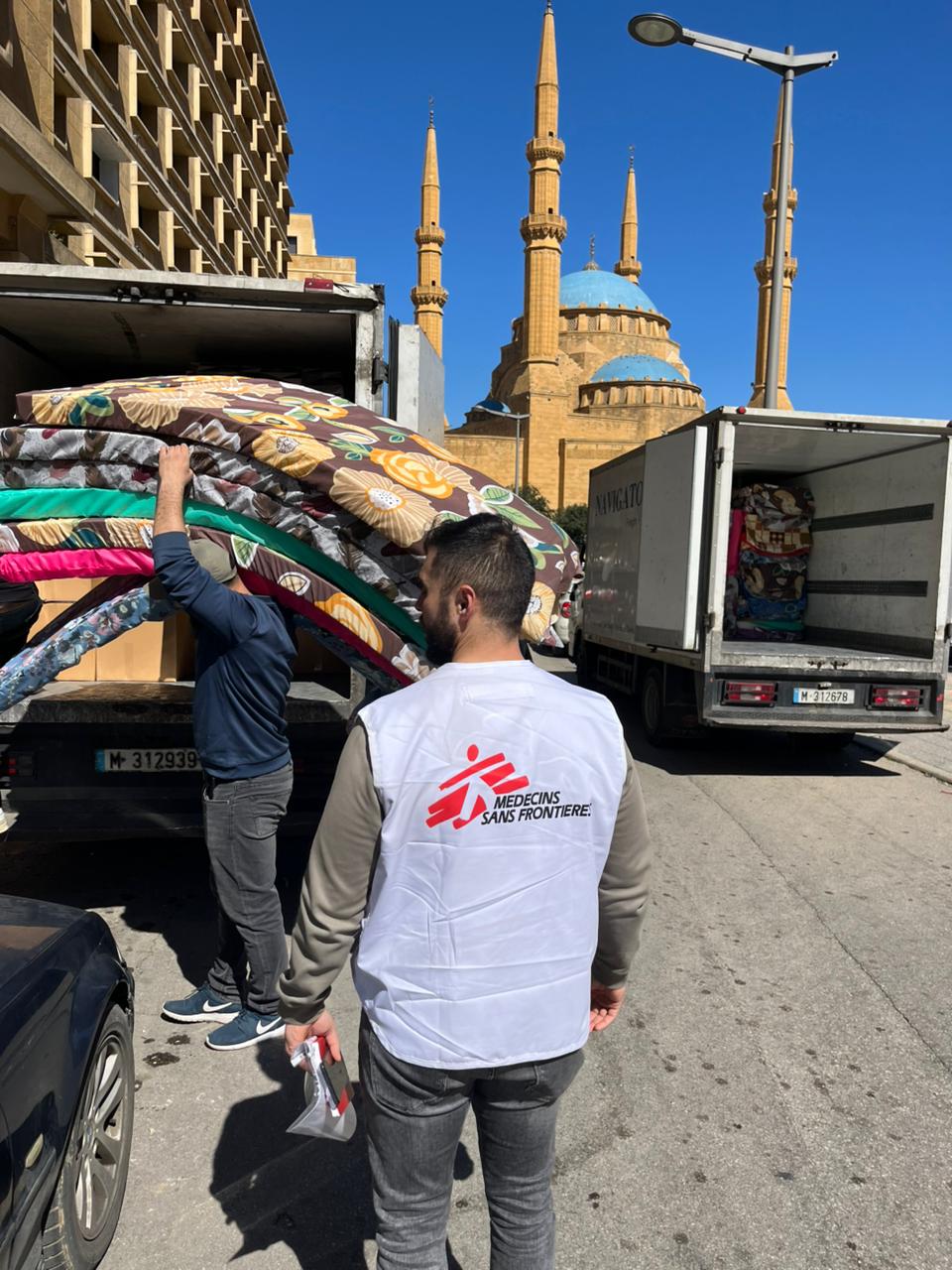
- Beirut and the Bekaa region - supporting internally displaced people and preparing mental health helplines to provide psychological support to those who are unable to reach services.
We have unfortunately had to suspend on-ground activities in Nabatiyeh and South governorates, due to evacuation orders issued by Israel and the lack of security guarantees for staff.
You can find out more about our response in Lebanon in this Q&A.
Iran update
Before 28 February 2026, when the escalation began, MSF had been running three projects in Iran, providing essential healthcare to marginalised people – including 6,000 medical consultations per month, as well as midwifery care, infectious disease screening and treatment, and mental health support.
Although airstrikes have created operational challenges and despite the communication blackout, MSF has so far been able to continue some activities. Receiving information from our staff is however extremely difficult.
Our clinic in Tehran remains temporarily closed due to heavy bombing, while our clinics in Mashhad and Kerman are still open, operating with reduced staff.
Our teams are seeking authorisation from authorities to scale up emergency care support in response to conflict-related needs (opening our clinics 24/7 and supporting the local health systems) and are awaiting a response.
Gaza update
At the end of 2025, Israel introduced strict new registration requirements in Gaza, including a requirement to share personal information about our Palestinian staff. MSF will not share a list of staff with Israeli authorities without assurances for their protection, and as a result, we were told to cease all operations by 1 March 2026.
However, just two days before this suspension was due to come into effect, Israel's High Court granted an interim injunction to halt the ban of 18 international NGOs - including MSF - from working in Gaza and the West Bank.
This is an important step, but the concrete implications of this decision are still unclear.
Although international staff and supplies can still not enter the Strip, our more than 1,400 Palestinian staff continue to provide healthcare and save lives. We remain committed to working in the Occupied Palestinian Territories for as long as we possibly can, in every way we can.
Your support to our emergency fund today will help ensure that we can continue to deliver lifesaving medical aid to people caught in emergencies around the world.