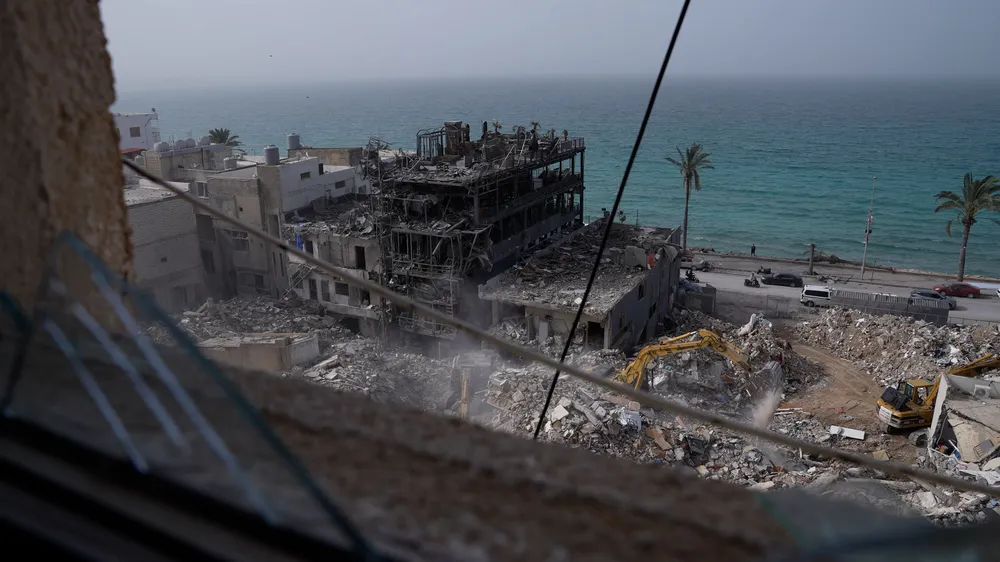
Despite a so-called ceasefire, Lebanon is facing a severe and rapidly worsening humanitarian crisis after Israel's escalation of attacks and bombardment in Lebanon early March. More than 3,613 people have been killed and more than 11,072 injured (as of 8 June, according to the Ministry of Public Health [MoPH]), including by seemingly indiscriminate attacks by Israeli forces in densely populated areas. The Israeli army continues to issue forced displacement orders, including in large cities in the south of the country, where MSF teams are currently present (Nabatiyeh, Tyre/Sour). Since 2 March, 294 municipalities, out of 1,200 for all Lebanon, have been affected by at least one forced displacement order, representing 25 per cent of the territory (as of 8 June, according to the United Nations Office for the Coordination of Humanitarian Affairs [OCHA]). To-date, these measures have forced more than one million people from their homes, and left those unwilling or unable to flee, including the elderly, children, and persons with disabilities, isolated and further exposed to violence. The repeated and indefinite forced displacement orders do not provide safety for communities.
Repeated attacks on healthcare reflect a grave failure to protect the medical mission and severely constrain care. MSF calls for the protection of healthcare workers, ambulances, and facilities and the full respect for International Humanitarian Law. Between 2 March and 8 June, 196 attacks on healthcare facilities have been verified by WHO, with 131 healthcare workers killed and another 379 injured.
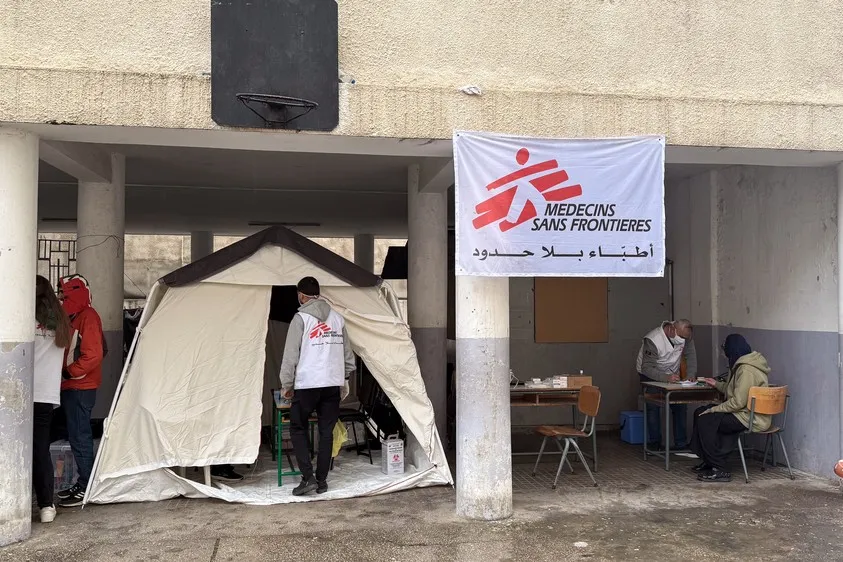
At the same time, healthcare needs are increasing dramatically, while in many of the areas most affected by the violence access to care is shrinking. Hospitals, particularly in southern Lebanon, are overwhelmed by mass casualty incidents and are struggling to keep up with the high number of injured patients. At the same time, many people cannot reach medical services due to ongoing attacks, fear, and displacement. Patients with chronic illnesses are missing essential treatments, pregnant women are missing prenatal follow-ups, and mental health conditions - such as anxiety, trauma, and depression - are rising sharply after repeated displacement and loss.
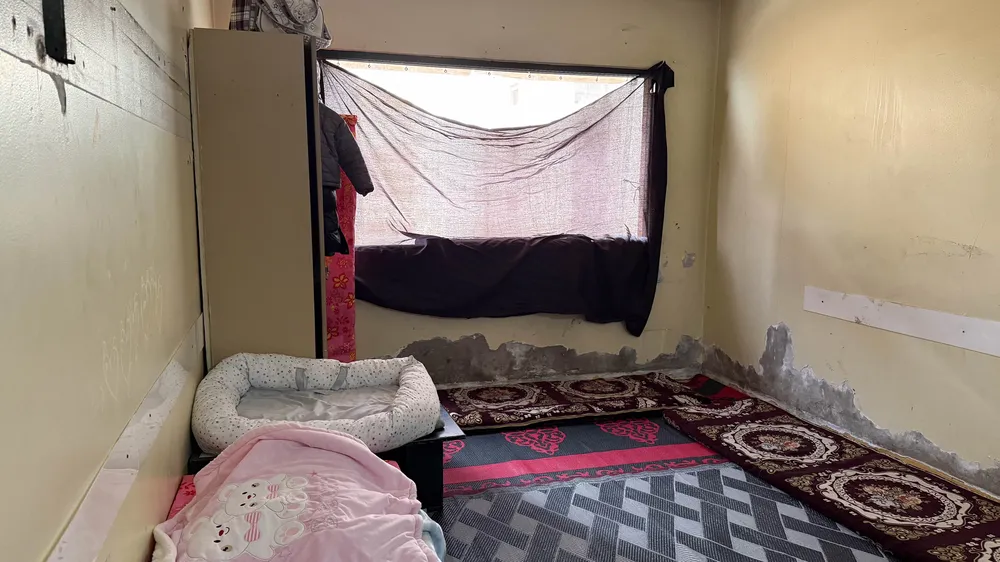
The scale of displacement has created extremely harsh living conditions for hundreds of thousands of people. Many are forced into overcrowded shelters, informal settlements, or public spaces with limited access to clean water, sanitation, and healthcare. Displacement orders are issued with little warning, forcing people to leave without preparation and leaving them dependent on humanitarian aid. Shelters are overstretched, and informal sites frequently lack even the most basic support.
The most vulnerable groups - including refugees, migrant workers, and people with disabilities - are disproportionately affected. They face additional barriers to accessing aid, healthcare, and safe shelter, and are often excluded from formal support systems. While the local health system, local organisations and volunteers are responding to the increasing needs, they operate within a strained health system and with limited resources, resulting in an exhausted local response. There is an urgent need to continue to scale up humanitarian assistance.