
MSF AU Five Years of Taliban Rule in Afghanistan
DONATE NOW
Any one off donation makes a tremendous difference in the lives of those in need.
Now, imagine the ongoing and long term impact you can have by becoming a regular donor to our organisation.
Afghanistan Update
MSF has worked in Afghanistan since 1980 and continues to witness the immense humanitarian and healthcare needs facing the population.
While active conflict has decreased in many parts of the country and travel to health facilities is safer in some areas, humanitarian funding for Afghanistan has decreased by 70 per cent. Millions of people still struggle to access essential healthcare, food, clean water and sustainable livelihoods.
Some of MSF’s key activity highlights in Afghanistan during 2025 include:
- 417,395 emergency room consultations
- 53,971 deliveries with 3,213 caesarean sections conducted
- 31,620 measles patients treated
- 9,388 inpatient therapeutic feeding centre admissions, and 3,166 patients enrolled in outpatient feeding programs
- 124 drug-resistant tuberculosis patients enrolled in treatment
MSF runs eight projects in eight provinces, with a particular focus on secondary healthcare, including paediatric and maternal care. Across our projects, we see a healthcare system that is overstretched, under-resourced, and increasingly unable to meet the needs of the population.
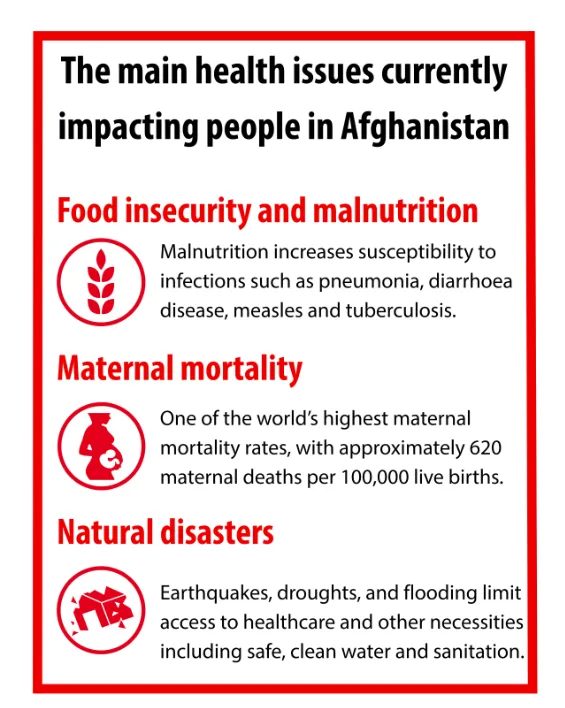
Since August 2021, the Islamic Emirate of Afghanistan (IEA) has issued more than 470 decrees, of which 79 specifically target women and girls, restricting their freedom of movement and their participation in education, employment, the economy and public life.
Excluding women from secondary education and tertiary colleges and universities threatens the future of healthcare in Afghanistan, especially when in women-only clinical spaces, for example maternity and reproductive health services. These constraints will further restrict access to quality healthcare and pose serious risks to its availability in the long term.
Since 2025, international funding for the health sector in Afghanistan has reduced significantly. As a result, access to healthcare services, particularly primary healthcare at the community level, has been severely affected.
“Children are reaching us far too late in the process, and they often present in critical condition with preventable medical complications.”
Ana Lilia Banda, MSF medical coordinator in southern Afghanistan
In addition, between 2023 and 2026, roughly six million Afghans returned from Iran and Pakistan, further straining Afghanistan’s fragile healthcare system.
Thank you for your ongoing care for the people of Afghanistan. Our lifesaving work is only made possible by you.
HOW MSF USES FUNDS
71%
of our funds are used to further our social mission by providing assistance to people in distress and to victims of natural or man-made disasters.
29%
of our funds are used to responsibly manage our organisation via fundraising and administration activities that ensure we can continue to meet our operational needs.
DONATION FAQS
Here you will find the most frequently asked questions about donating to Médecins Sans Frontières Australia.
Privacy and communications
Your support matters
By making a donation, you are helping to ensure that when an emergency happens, our teams are there to relieve suffering and save lives.
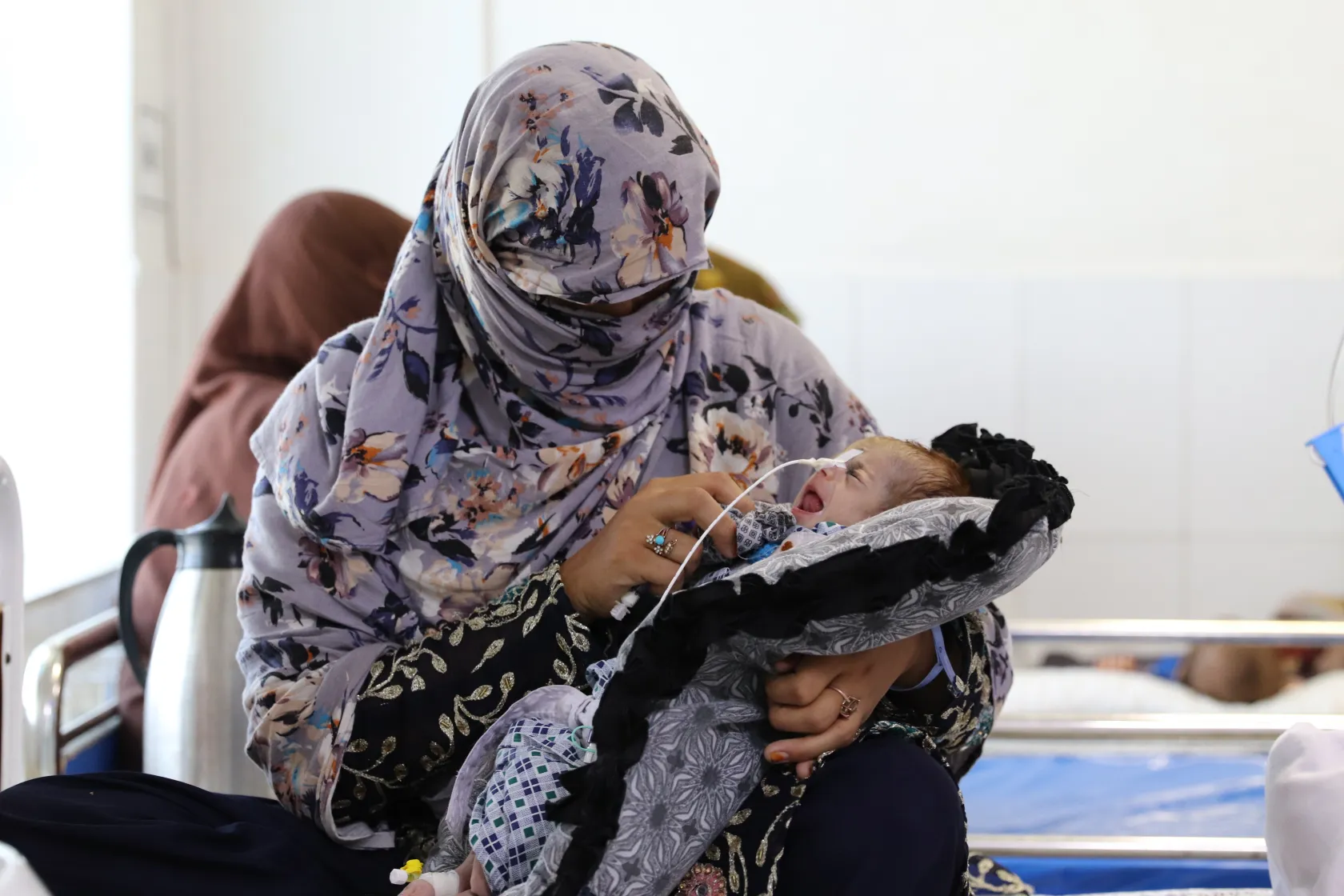
When her one-and-a-half-month-old daughter, Osmania, developed a high fever and difficulty breathing, Islamia sought care from private doctors, but her little girl’s condition did not improve. “I was very worried about her, thinking she might not survive,” she said. Osmania was later diagnosed with severe acute malnutrition and admitted to the inpatient therapeutic feeding centre (ITFC) at Boost Provincial Hospital in Helmand. After five days of treatment, she was able to start drinking milk again. Like Osmania, many of the malnourished children admitted are not even one year old. © Shuk Lim Cheung/MSF
Provide urgent crisis support
MSF teams respond to emergencies in many forms: armed conflicts, disease epidemics, natural disasters, malnutrition crises, and more.
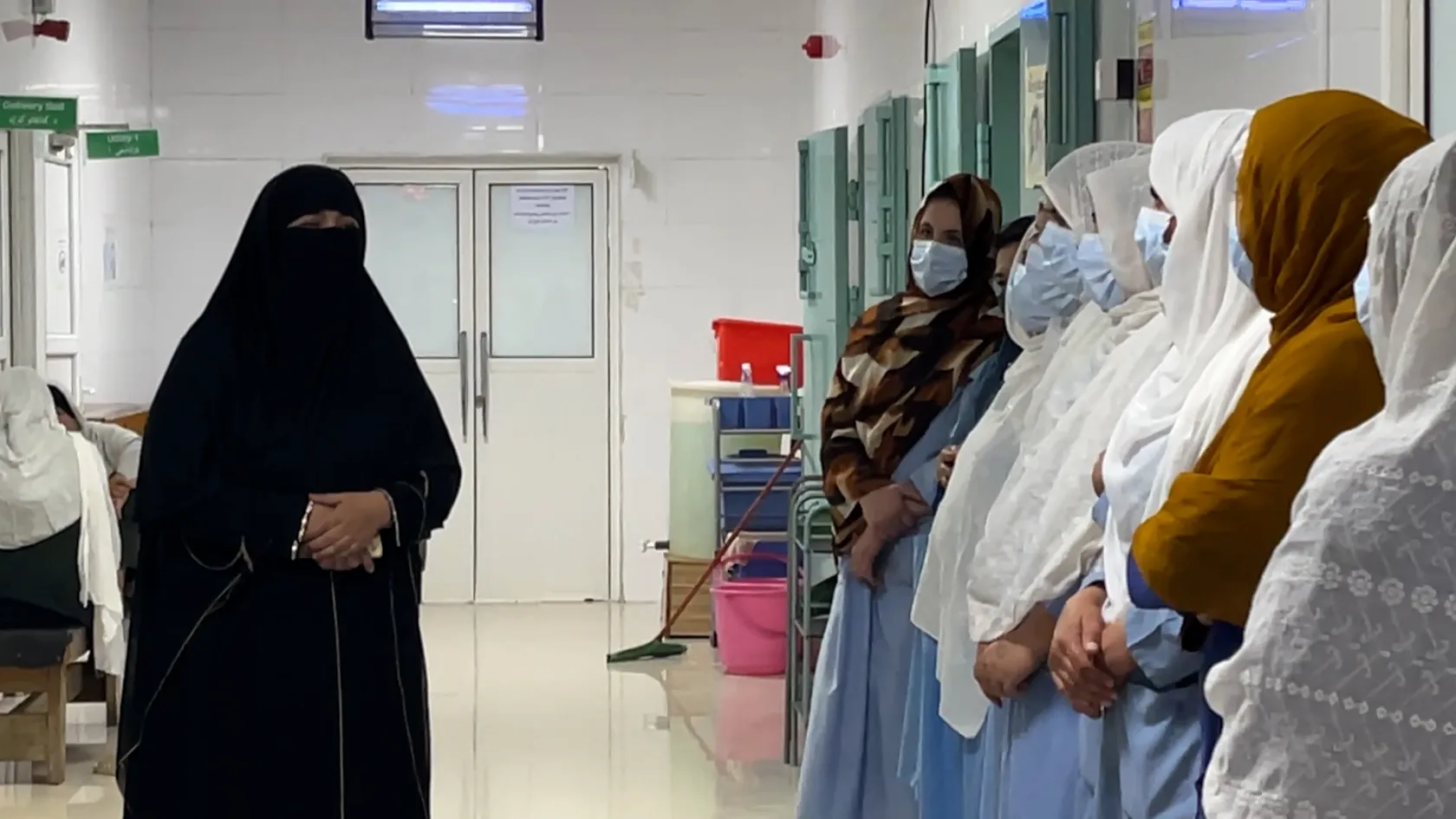
Maryam Saidy, MSF midwife activity manager in Khost maternity hospital, is responsible for a team of 150 people, comprising 105 midwives plus midwife supervisors and midwife aides. “I'm responsible to check that the patients and the midwives, the staff who are working under me, are in a safe environment, and that the patients are receiving quality of care and their own rights,” says Maryam. © Shuk Lim Cheung/MSF
Help save lives across more than 70 countries
Your donation today will help provide critical medical care where it is needed most.
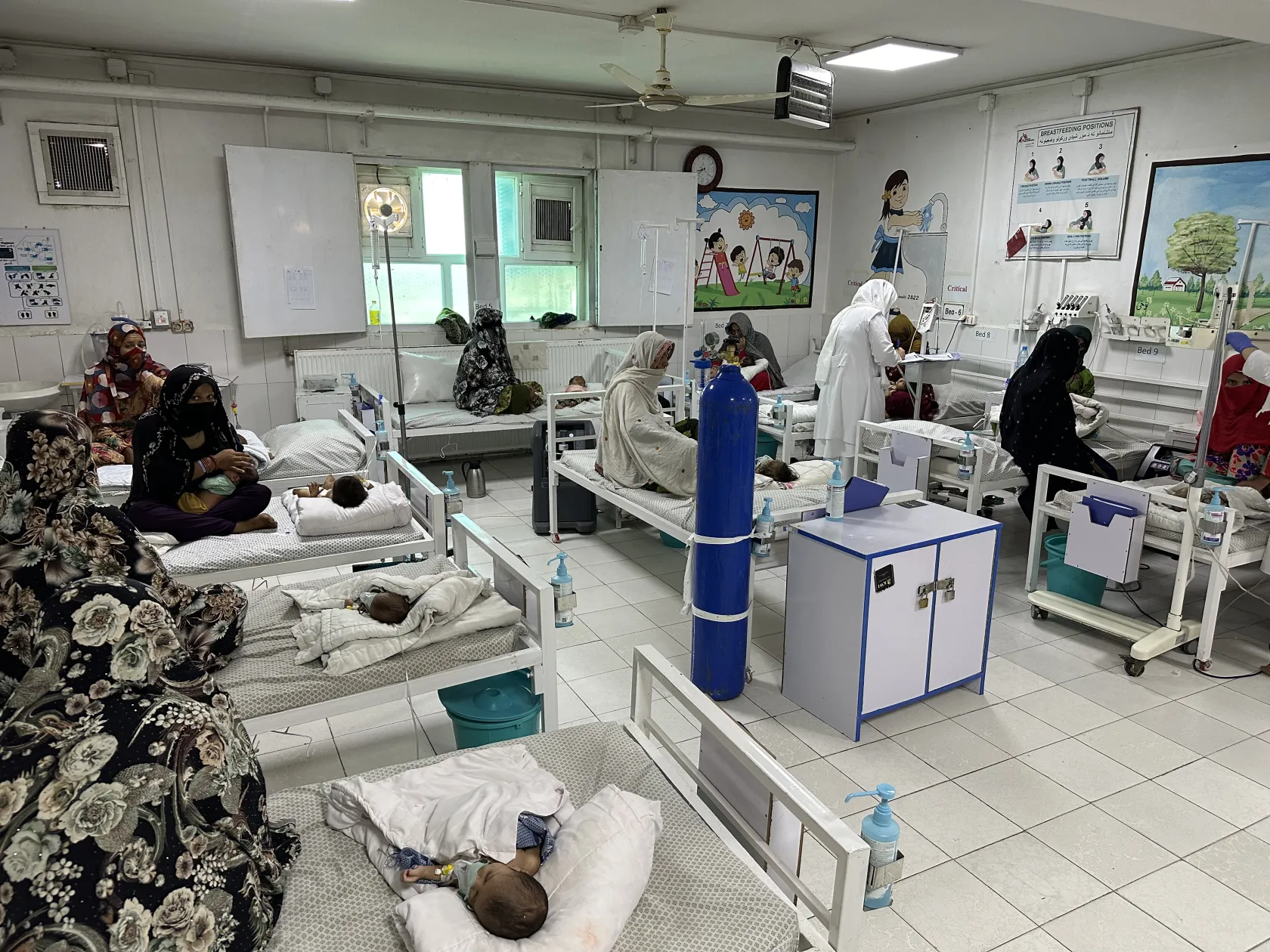
In 2026, 20 additional beds were added to the inpatient therapeutic feeding centre at Boost Provincial Hospital in Helmand province, bringing the total capacity to 57 beds. However, despite this expansion, a recent alarming increase in admissions of children with severe acute malnutrition has challenged MSF’s capacity to respond to needs. © Shuk Lim Cheung/MSF
TAX DEDUCTIONS
All donations are processed in AUD.
Donations are tax-deductible in Australia only.