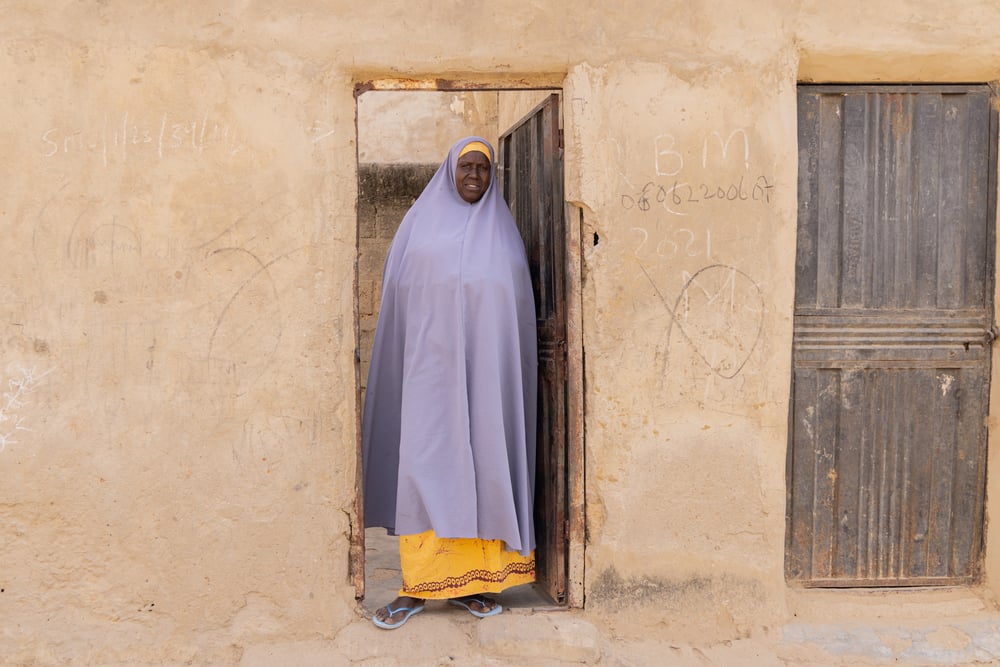

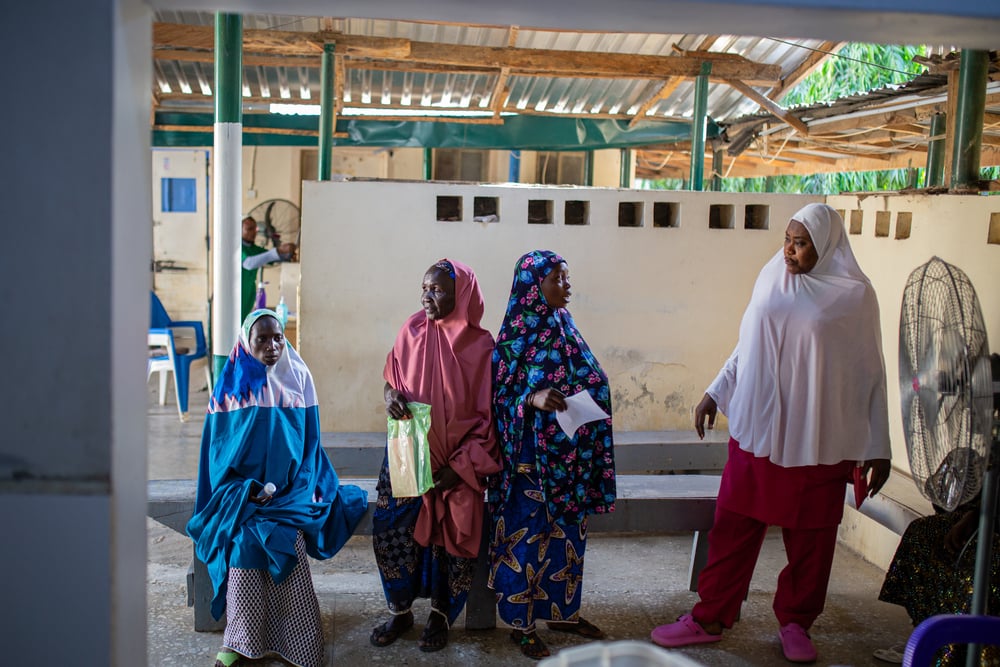
Of the approximately 7.5 million people living in Jigawa State, it is estimated that up to 90 per cent live in rural communities with their livelihoods based in agriculture and livestock. Most rural villages have some form of primary schooling available, though poverty and the need for children to help with farming or care of livestock means attendance is not universal. For girls, cultural and social factors can impede their education further.
Lower educational attainment impacts health literacy and awareness around the danger signs in pregnancy and when to seek medical care. Certainly, women present to Jahun General Maternity in advanced pregnancy or labour crisis having exhausted the treatments and remedies available at home from traditional healers and herbalists. The faith in trusted traditional birth attendants and strong cultural preference for home birth surrounded by loved family members also delays transfer to hospital. Securing permission to seek medical help from the male head of the family, who is considering multiple competing priorities, the weight of immediate versus future wellbeing, and use of often severely restricted resources can further delay transfer.