
Haiti
Confronting obstacles to women’s healthcare
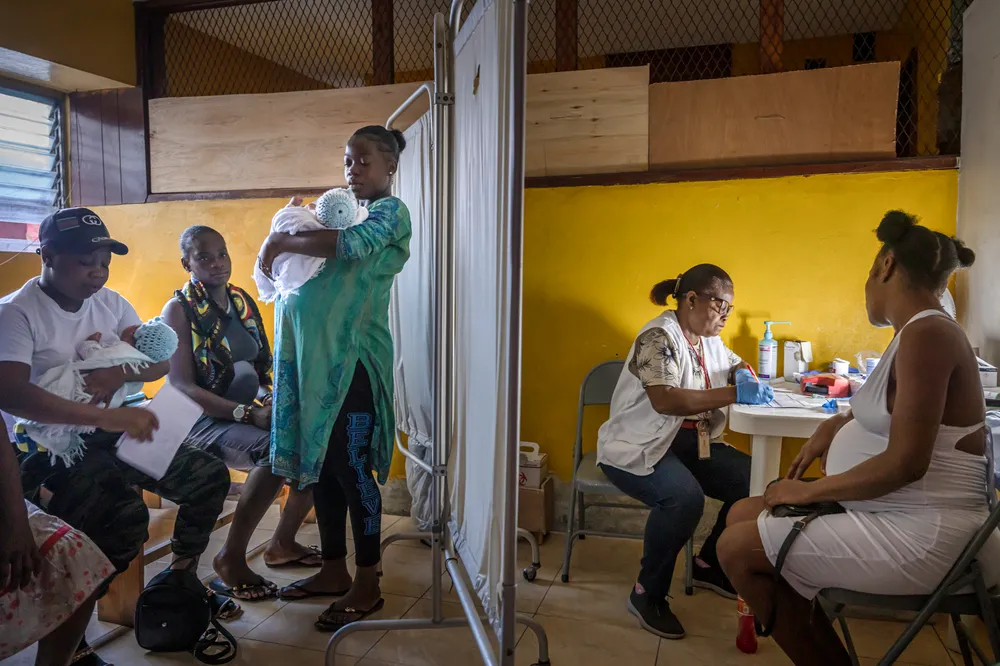
In Port-au-Prince, armed violence and a collapsing health system have made access to sexual and reproductive healthcare increasingly dangerous for women. Checkpoints, roadblocks, transport costs and fear of being targeted (based on area of residence) prevent many women from reaching clinics, while women go without antenatal care and give birth at home without skilled support.
MSF has responded by sending mobile clinics into communities and rehabilitating the Isaïe Jeanty maternity hospital in Cité Soleil, where teams provide emergency obstetric care, contraception and support for survivors of sexual violence. In the first half of 2026, MSF delivered 4,500 sexual and reproductive health consultations and assisted 929 births, including 285 emergency caesarean sections.
Yet insecurity continues to disrupt care. “When clashes affect our medical facilities, we have to suspend our activities and evacuate the premises. This has happened twice in the last two months,” says Diana Manilla Arroyo, MSF head of mission in Haiti.
The human cost is stark. A 38-year-old patient explains why she has not vaccinated her two-year-old in 18 months: “I don’t want to go out with my identity card with my address indicated. I’m scared. You could get killed.”
At 328 deaths per 100,000 live births, Haiti has the highest maternal mortality ratio in the Americas, compared to 197 globally and 58 in the Americas. (WHO 2023)
Iran
Expanding care for excluded communities
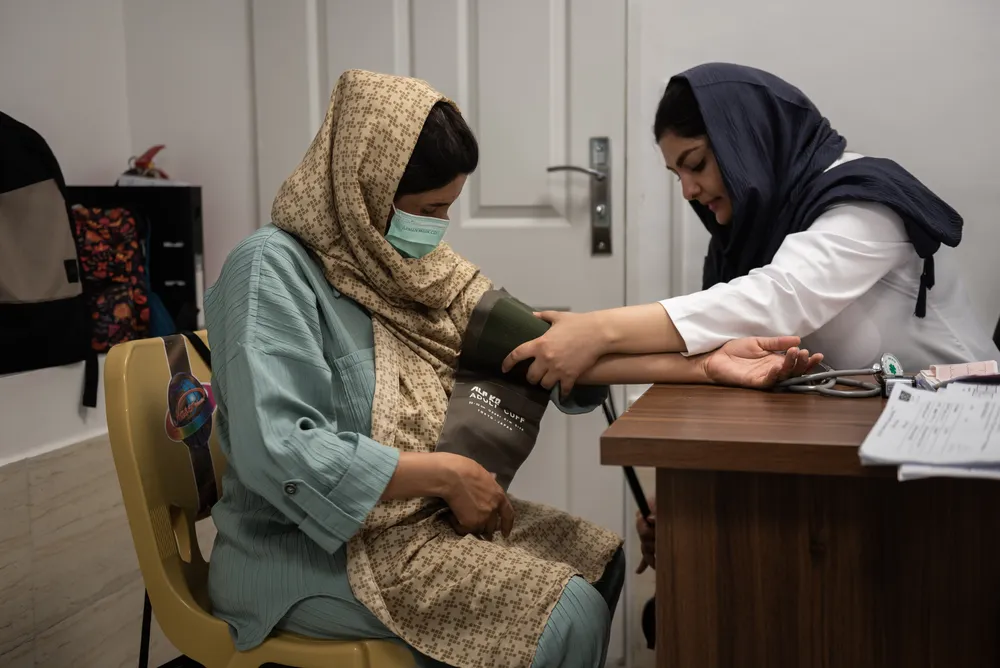
Since a major military assault on Iran began in late February 2026, refugees, migrants and other marginalised groups have faced worsening barriers to essential healthcare. Repeated escalations have disrupted primary services, leaving many people without routine treatment for non-communicable diseases, antenatal care, or mental health support, even as trauma needs surge.
MSF has scaled up medical and psychological services across Tehran, Mashhad and Kerman, running four projects between January and June 2026. Teams provided 84,615 consultations in the first half of the year – an 80 per cent increase on all of 2025 – alongside a 50 per cent rise in mental health visits for post-traumatic stress disorder, depression and anxiety. MSF also donated medical kits and supplies to the Iranian Red Crescent Society and opened a new primary care clinic in Kerman focused on refugees and migrants.
“During periods of intensified hostilities and ceasefire, the communities we support often face limited access to medical care,” said Grigor Simonyan, MSF head of mission in Iran. “We have urgently scaled up core medical and mental health services to meet needs that continue to grow.”
With a potential fifth project in Hormozgan province, MSF remains committed to adapting to meet evolving medical needs. “As health needs intensify and become more pressing, we are ready to expand our activities further to ensure vulnerable people can access free and independent care,” said Simonyan.
180 patients seen each day on average at MSF clinics in Tehran
Bangladesh
Calling out a children’s health emergency
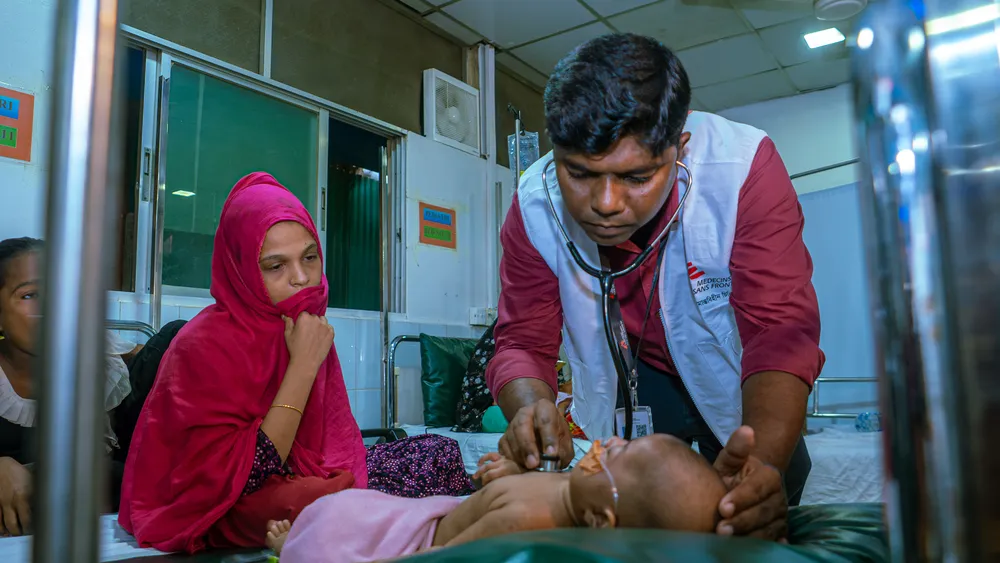
Nine years since more than 700,000 Rohingya fled their Myanmar homeland, children in Bangladesh’s refugee camps are arriving at MSF’s Kutupalong Hospital later and in more critical conditions, as humanitarian funding cuts weaken primary healthcare, nutrition programs and basic protection. Medical teams report more children with complex conditions involving severe malnutrition, infections and other illnesses. At the same time, a mental health emergency is taking a devastating toll on young people. Hospital data shows the proportion of children under 15 seeking MSF mental health support jumped from just under 10 per cent in 2021 to almost 30 per cent in 2025. Between 2023 and 2025, children under 18 accounted for 27 per cent of suicide attempts recorded at the hospital.
MSF has expanded emergency paediatric care at Kutupalong, its largest hospital and main referral hub in the camps, while providing psychiatric care, counselling and safe spaces for distressed adolescents. “When parents are forced to prioritise daily survival, like securing food or safety, they delay seeking hospital care for a sick child until it becomes a lifethreatening emergency, leading to an influx of far more severe cases,” said deputy hospital director Dr Nadim Shahariyar.
The worsening cases reflect a broader public health and protection emergency affecting more than 1.3 million Rohingya refugees, more than half of whom are children. MSF has continued to call for adequate humanitarian response and efforts towards a lasting political solution.
Referrals for children at Kutupalong Hospital requiring more complex care has increased 75% between 2022 and 2026.
Burundi
Fragile gains at Busuma camp
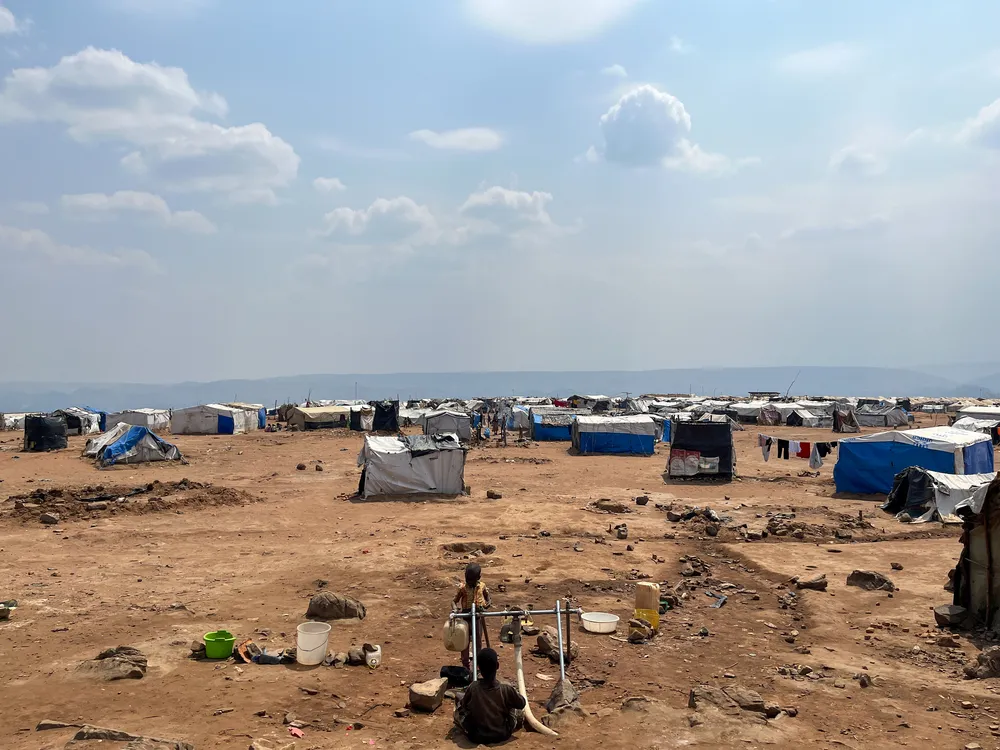
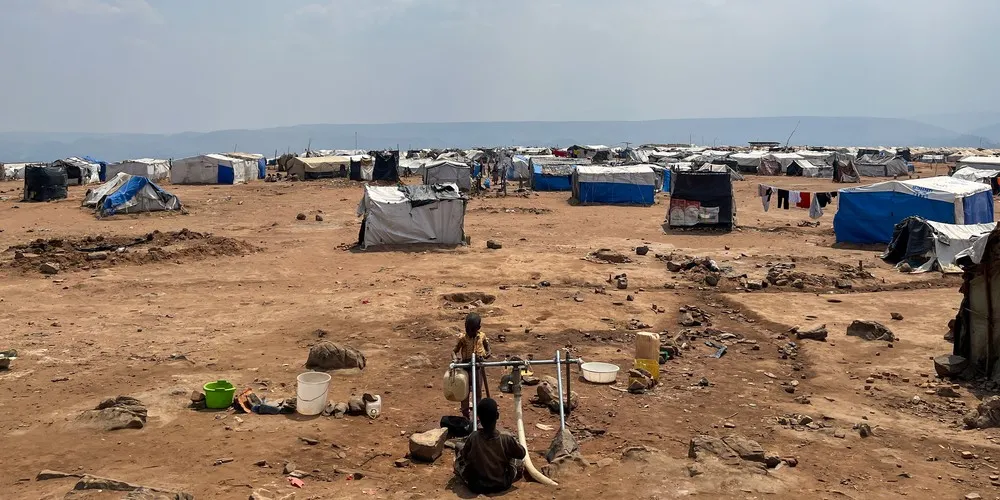
Living conditions have improved at Burundi’s Busuma camp, which shelters around 42,000 refugees who fled violence in the Democratic Republic of Congo in December 2025. As of late August, MSF’s outbreak treatment centre had received no patients since 29 July and recorded no deaths since March, while severe medical cases fell to 0.3 per cent of 970 consultations in late July, from 14 per cent in mid-January.
But the gains remain precarious. More than seven months after many families arrived, food, shelter and sanitation remained inadequate. Humanitarian organisations delivered only 30 per cent of the planned response, and data from the UN refugee agency (UNHCR) showed 156 people sharing each latrine – far beyond the recommended maximum of 20.
Since December 2025, MSF has supported water supply and provided primary and secondary healthcare in Busuma, treating 29,349 patients and admitting 654 between January and early August. But sustained, expanded humanitarian assistance remain needed to protect people from renewed outbreaks and to address continuing mental-health, nutrition and protection needs.
“Hygiene conditions are critical and the risk of an outbreak is imminent,” said Sabrine Hamdi, MSF’s project coordinator in Busuma. “Without better access to sanitation infrastructure, we fear the emergence of outbreaks that we have managed to control so far.”
Drinking water available per person/day in Busuma camp:
January 2026: 3 litres
August 2026: 16 litres
(The WHO recommended minimum in emergencies is 15 litres.)