MSF AU | The mental health toll of Russia’s war in Ukraine
DONATE NOW
Any one off donation makes a tremendous difference in the lives of those in need.
Now, imagine the ongoing and long term impact you can have by becoming a regular donor to our organisation.
After more than four long years of war in Ukraine, millions of people have been exposed to repeated traumatic events, prolonged uncertainty, displacement, bereavement, and chronic stress. This is having a serious psychological impact on people of all ages, but it is often less visible than the physical consequences of conflict.
MSF remains dedicated to helping people heal both their mental and physical health, including by offering psychological sessions in a custom designed mental health centre in Vinnytsia in central Ukraine. Our Vinnytsia team provides evidence-based treatments for war veterans, their families, internally displaced persons, children, and their parents.
This equips them with techniques to help reduce and prevent worsening of symptoms, increase coping skills, improve interpersonal functionality, and decrease consequences of traumatic stress.
Since the centre opened in September 2023, more than 1,800 patients have completed their treatment.
“Casual chats amongst colleagues... it’s a kind of psychological relief. We really enjoy it; events like this go down really well.”
- Andrii Palianytsia, MSF psychotherapeutic event participant
Unfortunately, despite growing mental health needs, psychological support remains stigmatised for many Ukrainians. Perceptions inherited from the Soviet era often associate psychiatry with coercion or institutionalisation, making many people reluctant to seek help.
Attacks by Russian forces - whether targeted or indiscriminate – are occurring every day. They are striking residential buildings, medical facilities, and warehouses for pharmaceuticals, food, and other consumer goods – even though this is strictly prohibited under international humanitarian law. MSF condemns these attacks on civilian infrastructure and residential areas.
“It’s very draining... People are trying to carry on with their work, but this sense of exhaustion is very noticeable, and people are getting more and more tired... Patients tell us that their families are experiencing significant levels of stress. School and kindergarten activities are disrupted during alerts, while parents worry about their children and their safety.”
- Lesia Martseniuk, MSF mental health supervisor
In July, MSF released the report, No Safe Place to Heal, documenting relentless attacks on healthcare and medical personnel in Ukraine. The findings show these attacks constitute a deliberate strategy to destroy the medical system and collectively punish people - rather than being an incidental product of Russia's invasion.
Please support our work today so we can continue to support the people of Ukraine, and those in the more than 70 other countries around the world where we work.
HOW MSF USES FUNDS
73%
of our funds are used to further our social mission by providing assistance to people in distress and to victims of natural or man-made disasters.
27%
of our funds are used to responsibly manage our organisation via fundraising and administration activities that ensure we can continue to meet our operational needs.
Data from the 2025 consolidated MSF Australia and MSF New Zealand Financial Report
DONATION FAQS
Here you will find the most frequently asked questions about donating to Médecins Sans Frontières Australia.
Privacy and communications
Your support matters
By making a donation, you are helping to ensure that when an emergency happens, our teams are there to relieve suffering and save lives.
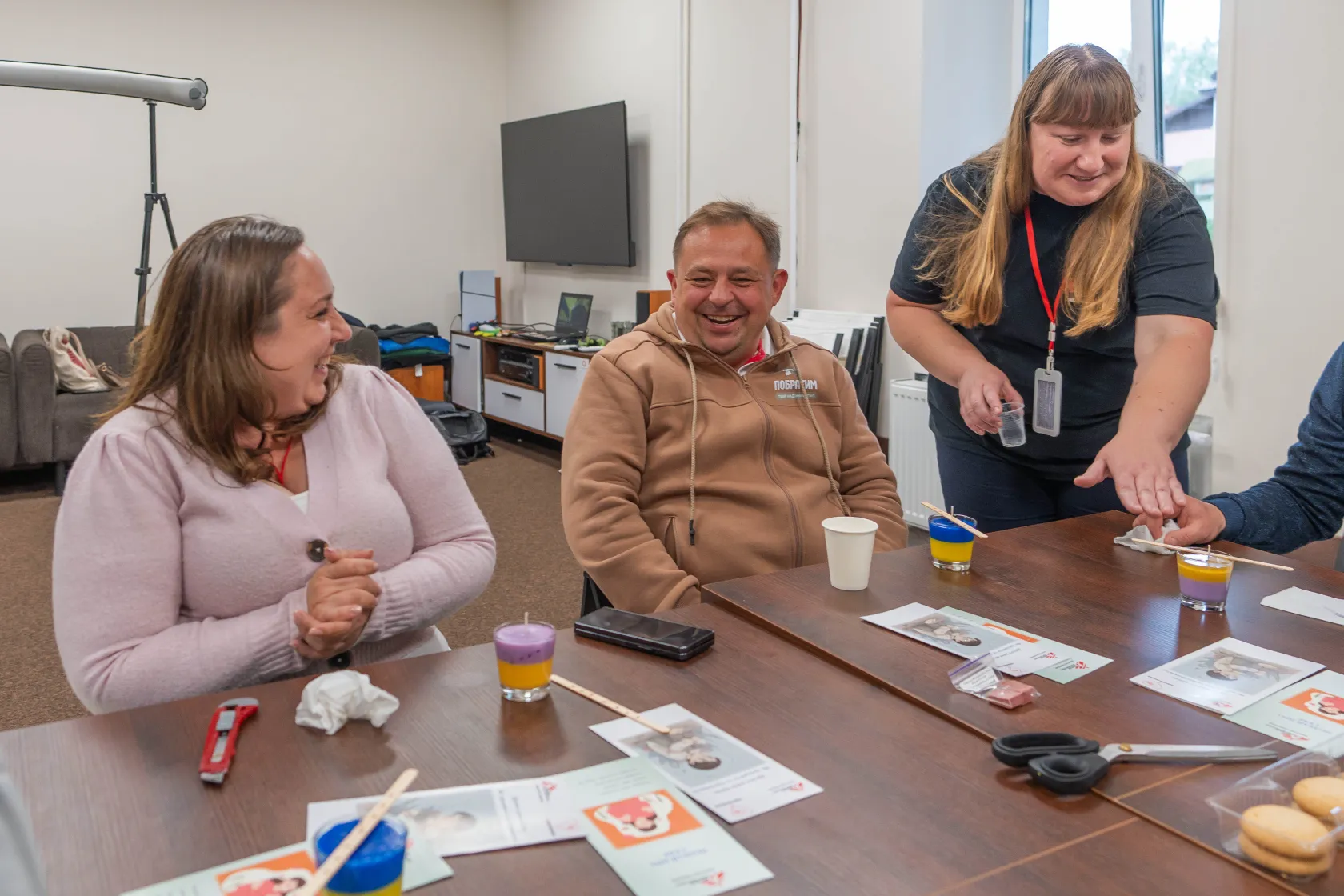
MSF health promoter Nataliia Selezneva runs candle-making workshops in Vinnytsia for veterans and their families. Art events often help to establish initial friendly contact with people in need of qualified psychological support, raise awareness about the symptoms of post-traumatic stress disorder, and help overcome the stigma surrounding the treatment of psychological problems. © Dmitrij Demisev
Provide urgent crisis support
MSF teams respond to emergencies in many forms: armed conflicts, disease epidemics, natural disasters, malnutrition crises, and more.
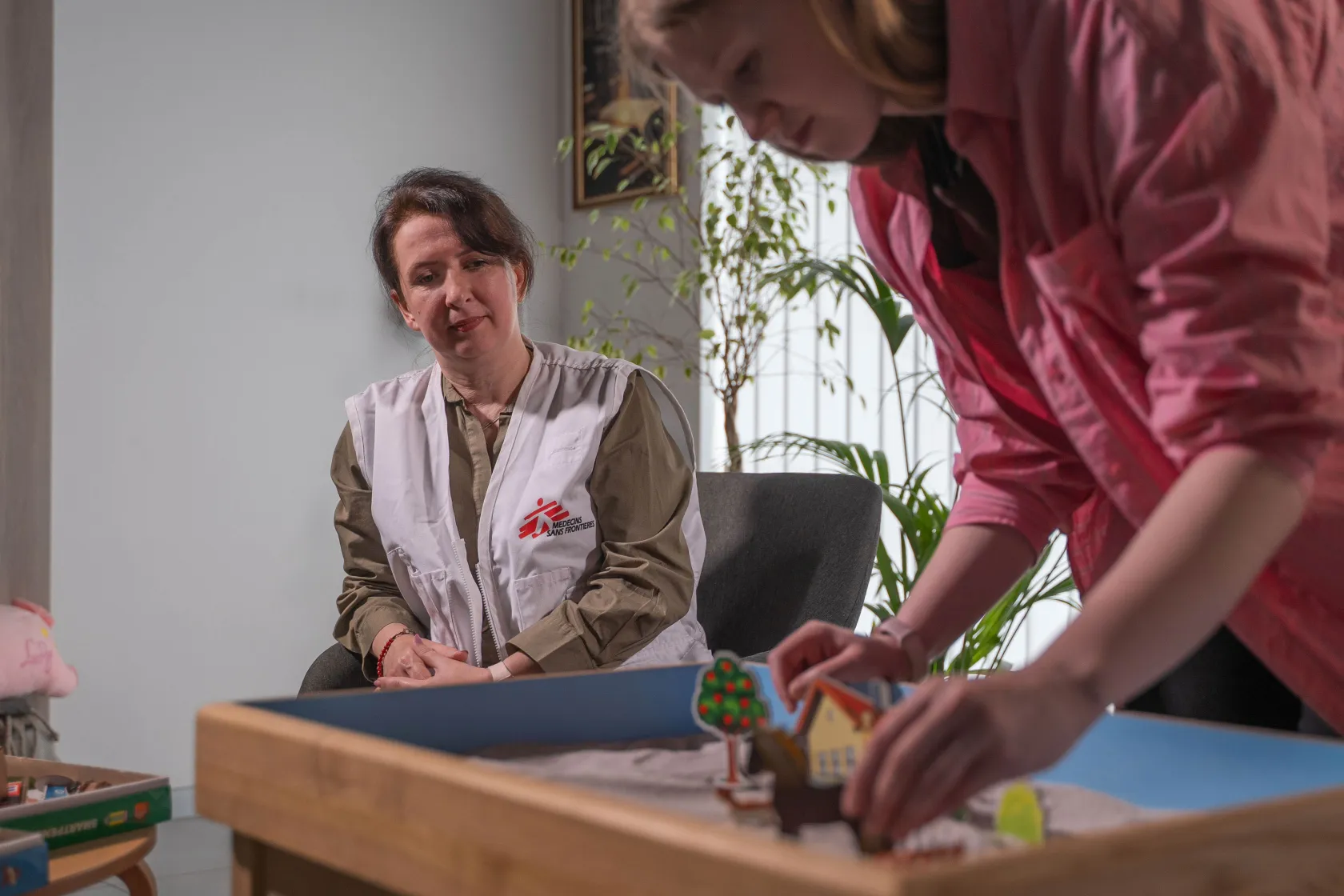
MSF psychologist Tetiana Herashchenko shows how the process of sand therapy with a patient takes place in Vinnytsia. Sand therapy is often used by specialists as part of the treatment of post-traumatic stress disorder (PTSD). This technique helps a person, through touching the sand, calm the nervous system and reduce the level of anxiety, and symbolic pictures help make internal fears, conflicts and desires visible. © Dmitrij Demisev
Help save lives across more than 70 countries
Your donation today will help provide critical medical care where it is needed most.
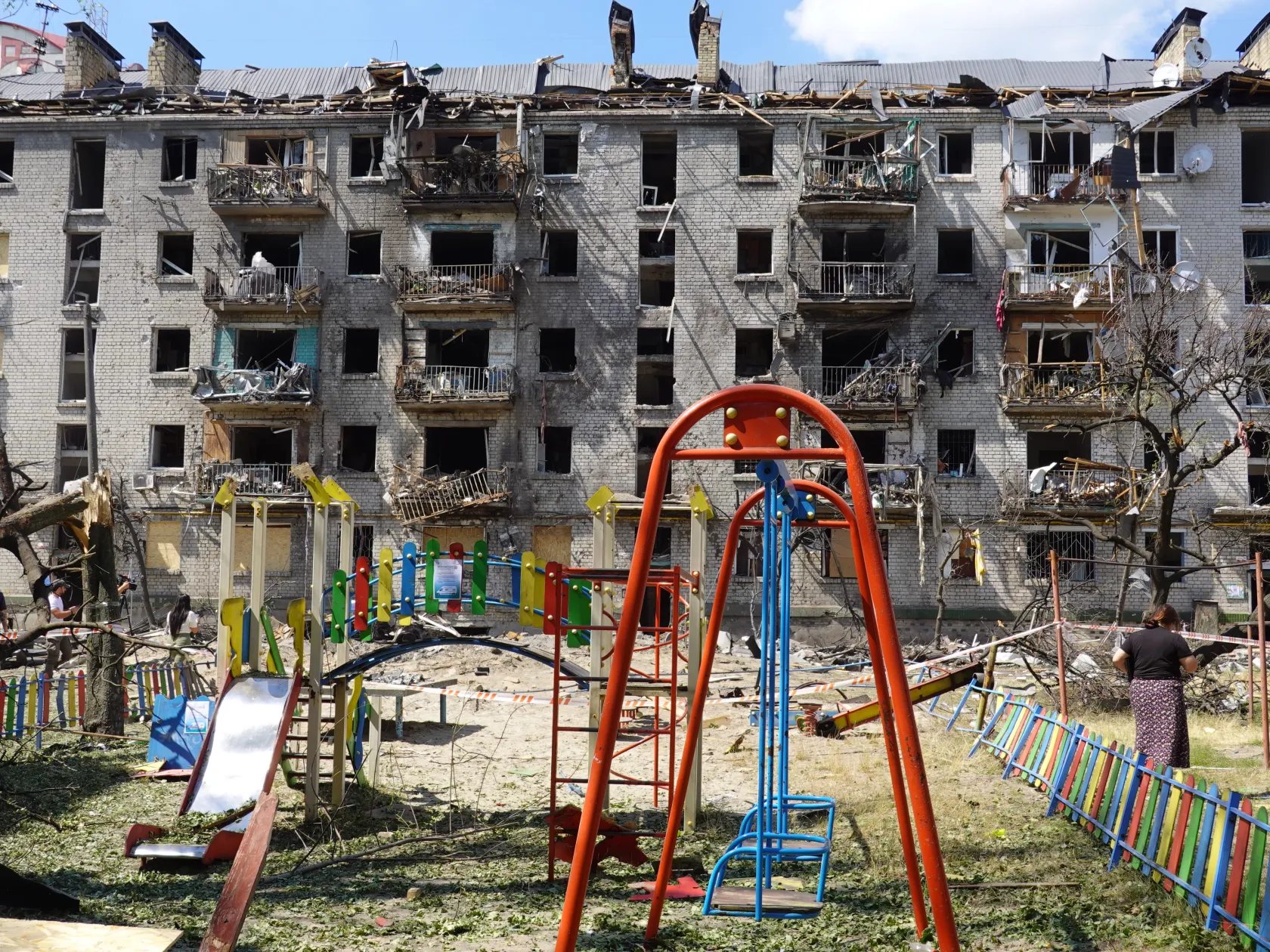
Russian missile and drone strikes continue to target residential buildings, medical facilities, and warehouses for pharmaceuticals, food, and other consumer goods in Ukraine’s capital Kyiv, even though it is strictly illegal under international humanitarian law. © Anhelina Shchors/MSF
TAX DEDUCTIONS
All donations are processed in AUD.
Donations are tax-deductible in Australia only.