
Mental health: ‘Work with people experiencing extreme hardship can be challenging and rewarding’
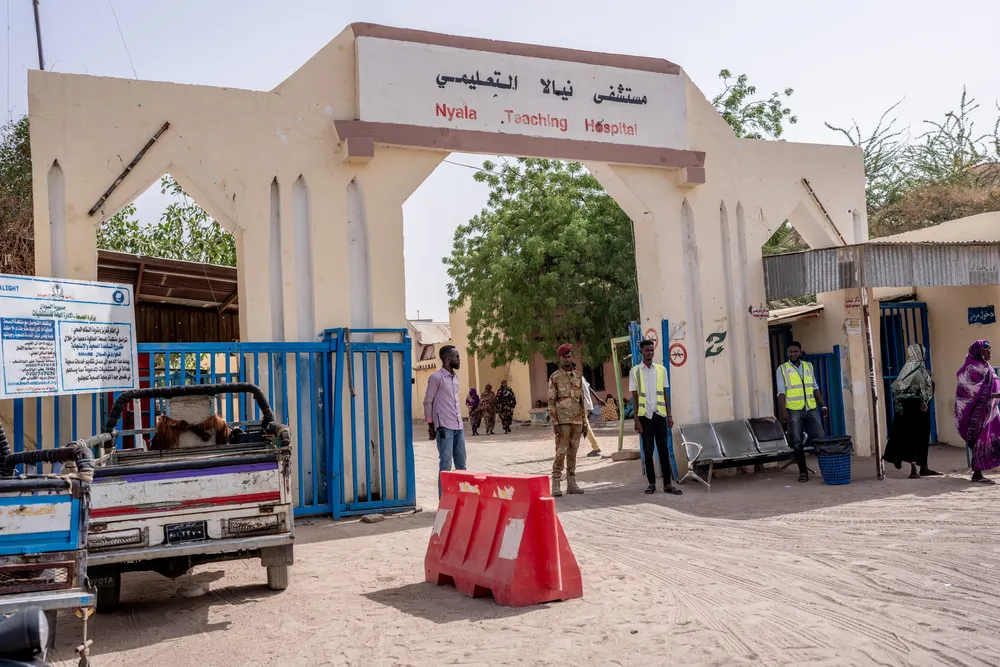
In South Darfur, clinical psychologist Malcolm Hugo found a new focus for his work, strengthening counselling for survivors of sexual and gender-based violence who sought care in their community or at Nyala Teaching Hospital. In this comprehensive Q&A we hear more about this as well as how Malcolm adapted professionally and personally on his first assignment in Sudan, in a two-decade career with MSF.
Q: What did your role entail on assignment in Sudan?
A: My position was mental health activity manager, which involved overseeing the mental health activities that were integrated into the MSF-supported medical services in South Darfur. These services were located in two hospitals in the townships of Nyala and Kass, and several community-based clinics. The medical focus of the project included sexual reproductive health, nutrition, paediatrics, sexual violence care and responding to emergency events such as disease outbreaks.
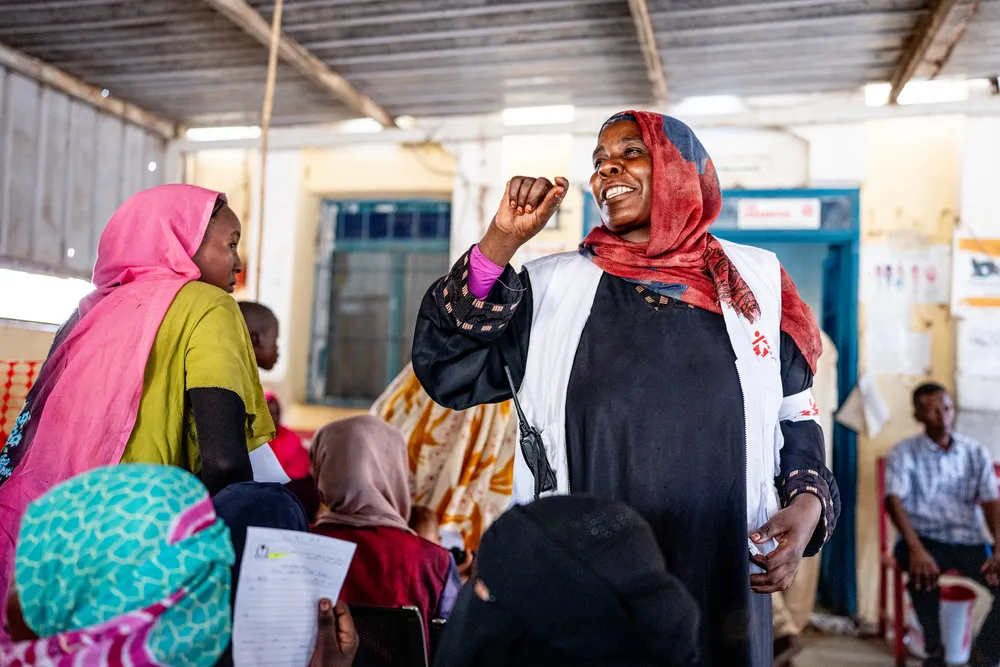
Each of the locations included mental health counsellors, who were all recruited locally. As there are few trained staff in mental health in Darfur, my role involved a lot of training and clinical supervision. Some of the mental health services in the hospitals and outreach clinics were already somewhat established while some components, such as sexual and gender-based violence (SGBV) services, required additional input. There were few SGBV survivors receiving adequate psychological counselling and support. Therefore, my role included raising awareness amongst all MSF staff about the importance of the psychological effects of sexual violence and providing specific training for the counsellors, midwives and community health workers involved in SGBV services.
Other mental health activities included the provision of individual and group counselling and support for hospital and community clinic patients. They included conducting play activities for hospitalised children, psychosocial stimulation training for the caretakers of malnourished children, group psychosocial education and support sessions for all patients, and counselling for distressed individuals and families.
Q: How did you prepare for working in a new country and then orient yourself when you arrived?
A: The pre-departure briefings provide information about the project and the geopolitical state of the context. I read as much as I can about the country. However, despite the briefings, job descriptions and prior knowledge there is nothing quite like being there. So, for me it is important to approach each assignment with an open mind and expect the unexpected.
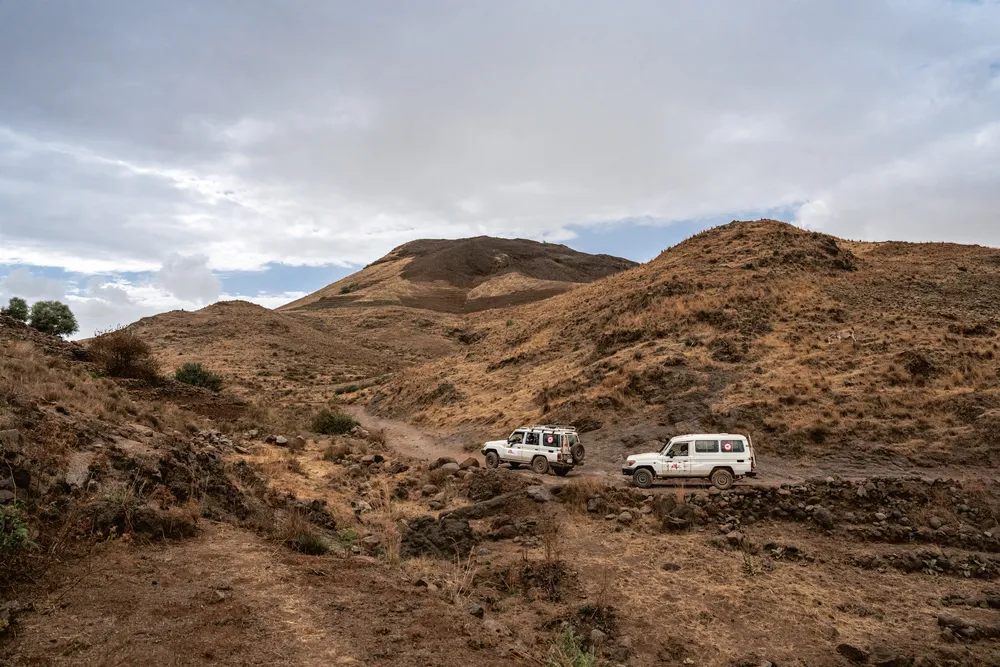
Because I was working in several different locations, the initial priority for me was to visit each site as quickly as I could to orient myself to the existing mental health activities and meet the staff. This took a couple of weeks because some sites were a long way apart and security issues restricted travel opportunities.
Q: Could you paint a picture of the environment you were working in?
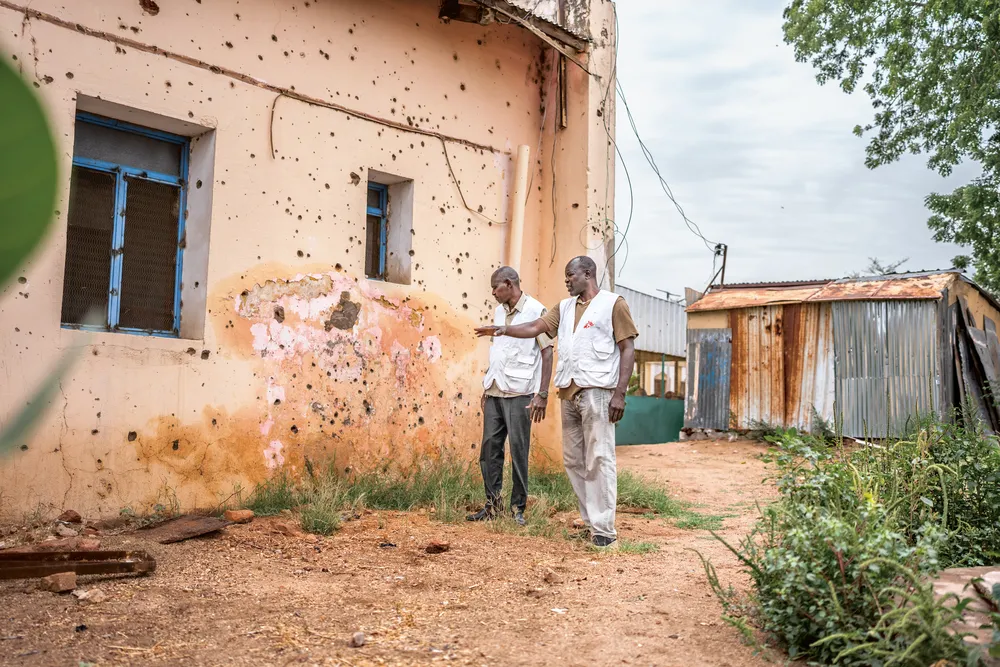
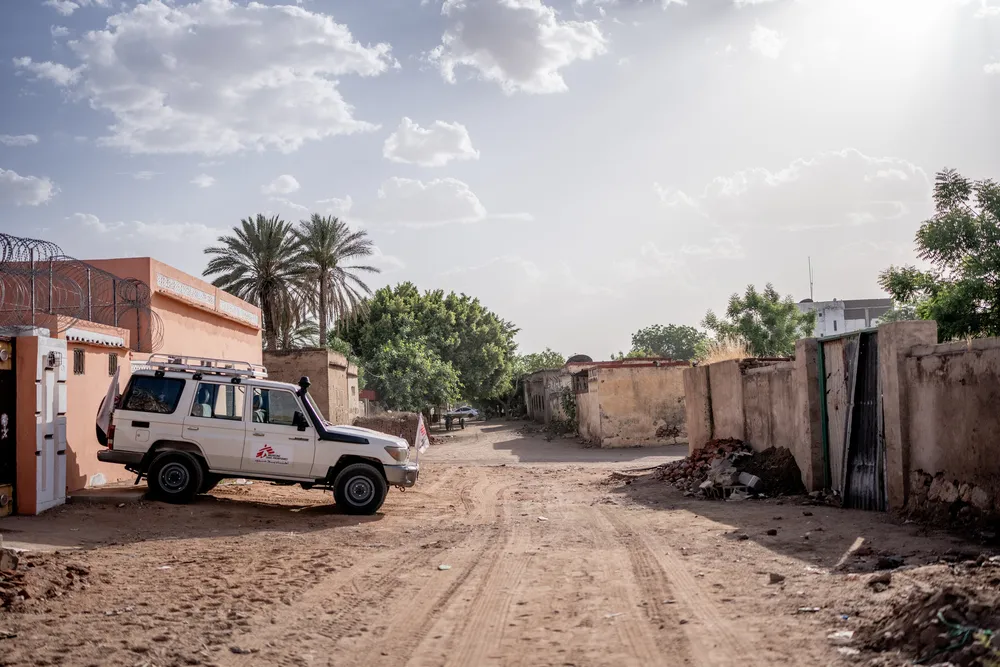
A: Because of the ongoing conflict and the under-resourced Ministry of Health, the hospitals in Nyala and Kass were pretty basic and in great need of support. Security was always a priority consideration when travelling between work sites.
During my assignment there were many drone attacks, mainly at night. The community clinics were predominantly providing medical services to people who were displaced due to the ongoing conflict. People’s living conditions were also basic, with most living in straw huts with poor sanitation, no electricity and food insecurity. The MSF community teams worked from tin sheds and straw huts in small fenced-off guarded compounds.
I was there in the dry season, just before the wet season, so it was very hot. The living conditions for MSF staff were pretty good compared to some assignments I have experienced in other parts of Africa.

Q: The war in Sudan has entered its fourth year. How does a context of conflict shape people's mental health needs?
A: The conflict significantly impacts on peoples’ mental health. Not only the constant threat of physical harm, the death of loved ones, the displacement and dislocation of families and food insecurity, but also the destruction of societal protective institutions such as schools, mosques, hospitals, workplaces and people’s homes all affect people’s capacity to cope with psychological distress.
A lack of Ministry of Health mental health services means that it is easy to become overwhelmed by the mental health needs in Darfur. Therefore, it was important to focus on supporting those patients within the MSF-supported medical services in the hospitals and community clinics to optimise quality of care.
Collaboration with local village and displacement camp leaders is essential when establishing community services. This is particularly important with mental health and SGBV services in a context of low mental health literacy and sensitivity to issues of sexual violence. Demonstrating respect and providing clear explanations to community leaders about the benefits of mental health services was an ongoing priority.
Q: You mentioned training locally hired counsellors, what did this involve?
A: There were three MSF counsellors based in each hospital in Nyala and Kass, who also visited the community clinics. There were also lay counsellors hired locally and based in the hospitals, community clinics and SGBV services that received MSF incentive payments and were supervised by me as the mental health activity manager.
Given the low-resource setting and the ongoing conflict it can be challenging finding qualified counsellors. Some had undergraduate qualifications, but few had formal clinical qualifications. Therefore, it was important to focus on ongoing training and clinical supervision. This included training in counselling skills; group skills specific to sexual reproductive health, nutrition, childcare, and stress management; and SGBV counselling.
Training for MSF counsellors included using a therapeutic counselling model developed by the World Health Organization, WHO, called Problem Management Plus (PM Plus). This evidence-based model is a practical skills-based approach to addressing psychological distress, and can be easily adopted by counsellors without formal clinical qualifications. Of course, this approach must always be adapted to the contextual and cultural environment.
The absence of Ministry of Health mental health services meant there were few services for patients with pre-existing psychiatric disorders whose condition could be exacerbated by the conflict. Although the emphasis of our service was patients within the MSF-supported medical services, we also had to deal with the presentation of extremely agitated and psychotic patients. In these cases, we collaborated with medical staff and the one psychiatrist based in Nyala.
By the time I had completed my assignment almost all SGBV survivors who presented to our clinics were receiving psychological counselling.
Q: What is the most rewarding part of the work?
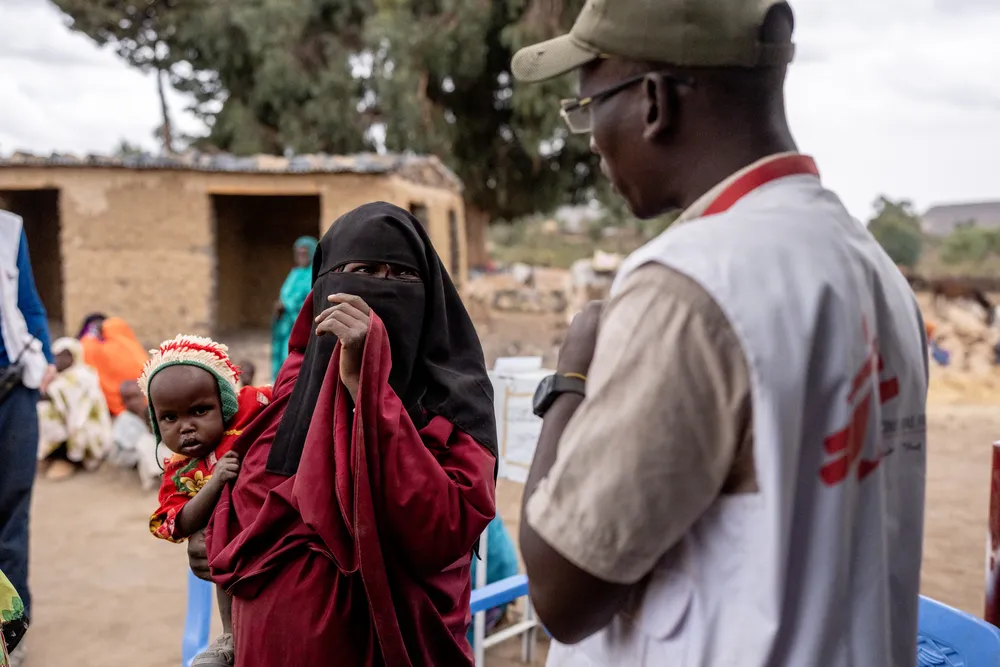
One of the most rewarding aspects of this work is meeting and working with the local staff. The enthusiasm and willingness to learn displayed by the Darfur mental health staff made my job much easier. As a manager, particularly in conflict contexts, it is important to be aware that the locally recruited colleagues are also experiencing many of the consequences of the conflict, such as threat to life, family dislocation, food insecurity, poor living conditions and reduced opportunities to improve their life.
As with most assignments, the opportunity to work with people experiencing extreme hardship can be challenging and rewarding. Despite the diversity of cultures and contexts, the universality of basic human needs has been apparent in all the contexts in which I have worked with MSF. Most people, whatever their circumstances, want the same things: to live in peace in a safe environment and have the opportunity to provide for their families and children.
Q: How did you manage your own mental health while on assignment?
In terms of downtime on assignment, the security situation in Darfur meant there were restrictions for movements outside of the living and working environments. So going for a jog or a long walk was not an option. Fortunately, there was a running machine in the Nyala living quarters. It’s important to understand any security restrictions before departure so you can plan your downtime activities. For me, taking a small guitar and plenty of reading material has been sufficient.
Q: Is there anything that you'd like to share with people interested in working with MSF, especially psychologists?
A: I would encourage anyone to do it. It's a terrific opportunity to experience different cultures and work in challenging contexts. The work is varied, depending on the context and project objectives. For a clinical psychologist, it can be quite different to your usual work. As a clinical psychologist in Australia, I was working with patients face-to-face, doing psychological therapy. In MSF there is often more of a focus on psychosocial care, and adapting interventions to accommodate different cultures and limited resources.
As a mental health activity manager, the role also includes administrative and management tasks. For me, the involvement in project planning and initiating new projects is a rewarding part of the managerial role.
Join our team!
Our teams of medical and non-medical professionals provide healthcare to millions of people caught in crises in more than 70 countries around the world. Learn more about working with MSF and how to apply today.