MSF Statement on ICJ Decision on Rohingya Genocide
The ICJ’s judgement that Myanmar committed genocide against the Rohingya population is a landmark moment.
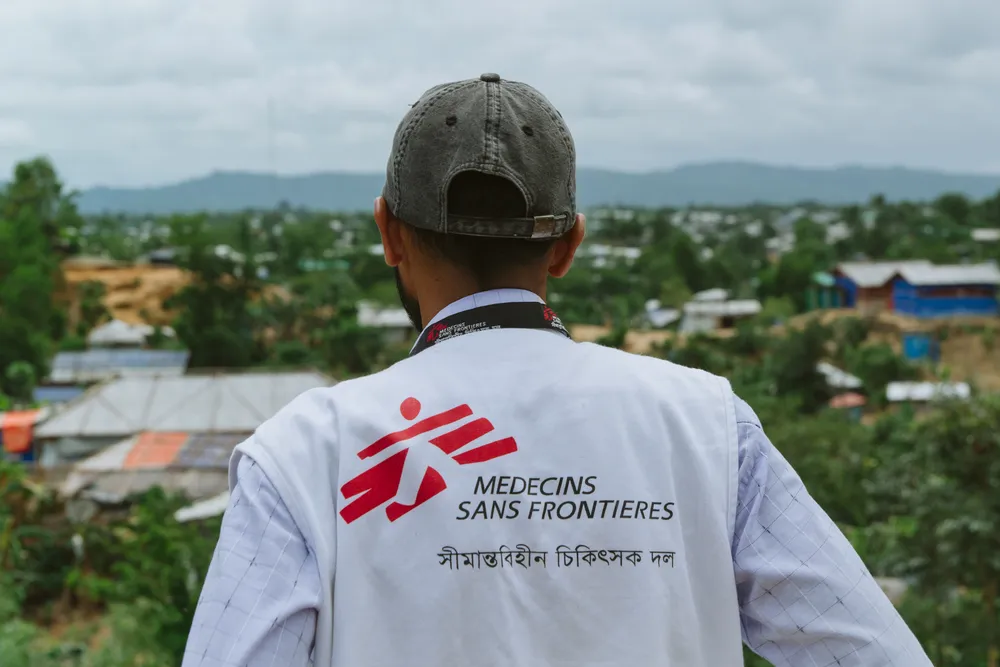
The ruling by the International Court of Justice (ICJ) that Myanmar committed acts of genocide against the Rohingya is a landmark moment for Rohingya people, says Médecins Sans Frontières/Doctors Without Borders (MSF).
Paul Brockmann, MSF’s Operations Manager for Myanmar, Malaysia and Bangladesh highlights the significance of this outcome: “This judgment represents an important recognition of what Rohingya people have endured, as it is the first time a judicial body delivered a ruling on whether Myanmar has committed genocide against the Rohingya.
“This is a day of special importance for many Rohingya people, many of whom are our colleagues or patients who access MSF's services. For MSF, the central issue is that the systematic persecution of Rohingya people did not end in 2017. They continue to be denied their most basic rights, including the citizenship they were stripped of in 1982. Rohingya people remaining in Rakhine continue to suffer targeted violence on top of the consequences of the wider conflict" he says.
The ICJ’s decision reinforces that confirmation of accountability does not automatically improve daily conditions for the Rohingya people, who continue to endure ongoing structural violence, overwhelming needs and barriers to accessing the healthcare they urgently need.
Yet, this is undeniably a moment of special importance that has been long anticipated by Rohingya communities we have supported across the region, including patients, colleagues, and our partners from Rohingya civil society in the diaspora.
As a medical humanitarian organisation, we know that for the Rohingya patients who access our services in Bangladesh, Malaysia and Myanmar - all of whom are affected by violence, displacement and exclusion - recognition and justice matter.
While MSF have many publicly available communications about what our teams witnessed in 2017, and testimonies from survivors who accessed MSF's services, MSF has had no collaboration in the development of the submissions of any of the parties to the ICJ proceedings.
These communications include in 2017, when MSF published the results of a retrospective mortality survey conducted in refugee settlement camps in Bangladesh. The survey estimated that at least 9,000 Rohingya had died in Myanmar, in Rakhine state, in just the brief period between 25 August and 24 September that year. Of those reported deaths, 71.7 per cent had been caused by violence, meaning at least 6,700 Rohingya, in the most conservative estimations, were estimated to have been killed during this brief period, including at least 730 children below the age of five years.
Statement from Arunn Jegan, humanitarian affairs lead for MSF Australia
The ICJ ruling is an important moment for accountability for atrocities that Rohingya people have been describing for years.
The central issue remains that we witnessed targeted and systematic violence against the Rohingya in 2017, and they continue to be denied their most basic rights in Myanmar and across the region.
I arrived in Cox’s Bazar as an MSF emergency project coordinator a few days after the influx began in 2017. I was tasked with establishing a medical and protection response at the border and transit camps, and overseeing the construction of two hospitals and four health posts, amidst hundreds of thousands of Rohingya people arriving in horrific circumstances.
I encountered dozens of women who had survived rape, and heard directly from men who had been forced to watch armed men rape their mothers and wives. We carried women who were injured from assaults and unable to walk, especially those who struggled to cross the Naf river. One account that has stayed with me was from a man who had been stabbed and forced to watch his pregnant wife being raped. Before the armed men shot his wife in the head. He brought his elderly mother and father across the border. He stared into the distance and could barely communicate; it still is one of the worst stories I have ever heard in my life.
Our hospitals were overflowing, sometimes operating at nearly twice their capacity, treating people wounded in the violence alongside those suffering from the widespread illness that comes from displacement, drinking dirty paddy water, and very little food. Reaching women who had survived sexual violence was particularly difficult. They had just experienced an assault, been forced from their homes and walked for days without food or water. From discussions with our medical teams, we knew many women would not feel comfortable disclosing what had happened, and that our facilities were reaching only a fraction of those needing care.
The sexual violence, the injuries and the accounts people shared made it clear that this was a population fleeing targeted violence.
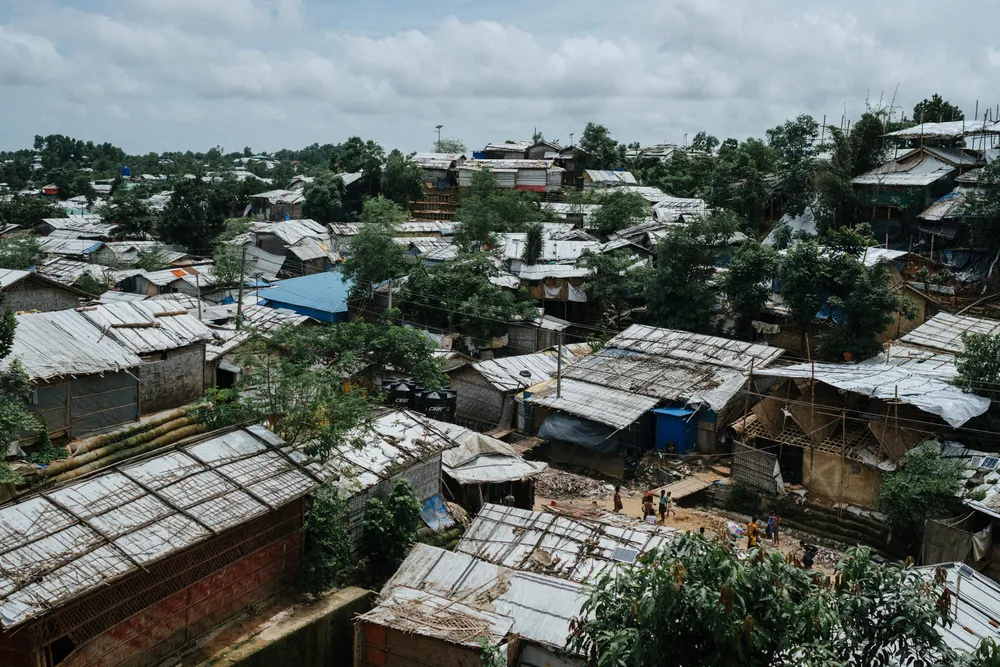
I have returned many times since, and have met at least five women raising children conceived through rape. They have had to adjust their lives and raise their children in the world’s largest refugee camp complex, nearly a decade after the violence.
The ICJ ruling is an important moment for accountability for atrocities that Rohingya people have been describing for years. For MSF, the central issue remains that we witnessed targeted and systematic violence against the Rohingya in 2017, and they continue to be denied their most basic rights in Myanmar and across the region.
A ruling finding Myanmar responsible for genocide should prompt governments to press for implementation of the judgement and make protection a priority in their engagement with Myanmar. But a judgement alone will not improve conditions in Bangladesh’s camps or stop violence in Myanmar. That requires authorities and armed actors in Myanmar to end abuses, regional governments to protect Rohingya people’s rights, and donor governments to sustain support for healthcare and other essential services.