
Breastfeeding is a lifeline
A holistic approach to the mother–baby bond is a small change that can have a big impact, says MSF paediatric advisor Mariana Gutierrez Popoca.
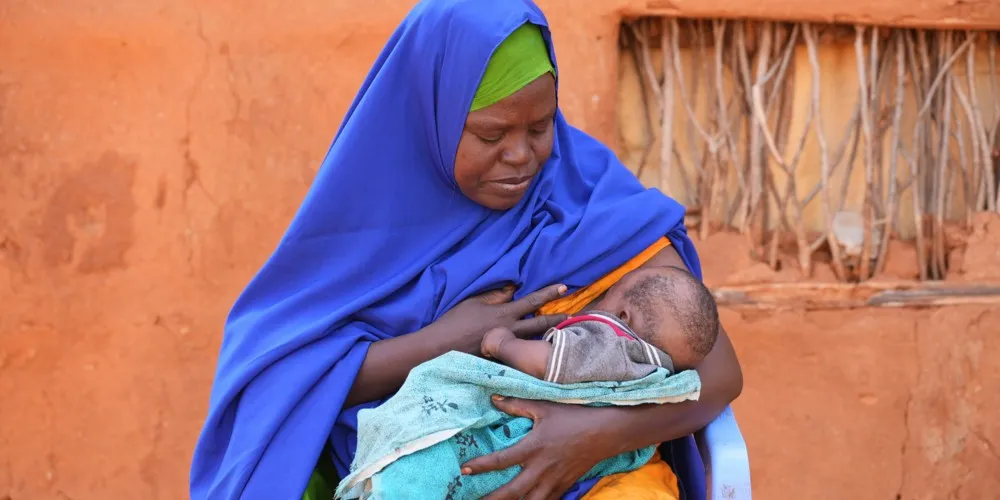

In the turmoil of humanitarian emergencies, where clean water is scarce, electricity unreliable, and health systems pushed to the breaking point, breastfeeding isn’t just a recommendation – it’s a lifeline. So explains Mariana Gutierrez Popoca, an MSF paediatric advisor based in Paris, on a recent visit to Australia to attend the Breastfeeding Medicine Network Australia New Zealand Conference held in May in Sydney.
“You need to breathe to survive. It’s kind of the same with breastfeeding,” says Mariana. Her insights, drawn from working in MSF projects in Afghanistan, Iraq, Lebanon, Democratic Republic of Congo, Sierra Leone and other contexts, challenge common misconceptions while offering practical solutions like zero separation and kangaroo mother care (KMC). These approaches keep mothers and babies together and can transform survival rates in even the most difficult conditions.
More than just milk
“Breastfeeding is seen as only nutrition, but it’s not only nutrition – it’s way more than that. All the defences that the mum has developed throughout her life pass through the milk to the baby and protect the baby. Breast milk has amazing properties to fight against bacteria, viruses, parasites, fungi, all sorts of germs that might hurt the baby and the mother.”
It also fuels neurodevelopment through primitive reflexes: reaching, grasping, even stepping, all “created for them to be able to latch to the breast”. These motions activate from the first feed, building neural pathways as babies seek the breast using smell, touch and instinct. Breastfeeding continues the mother–child bond from the womb, where mothers regulate temperature, glucose, oxygenation. “The mum still is the environment. Formula will never be comparable to breastfeeding.” She puts the blame on “competing financial interests by big pharmaceuticals and companies producing breast milk substitutes”. The myth of formula’s convenience persists, but with breastfeeding, there is no need for sterilising bottles, no heating milk to precise temperatures, no lugging around supplies. “You just pop out the breast and put the baby to the breast.” It soothes cries after a fall, a scare or a vaccine jab, embedding a sense of security and belonging.
All the defences that the mum has developed throughout her life pass through the milk to the baby and protect the baby.
Mariana explains that the loss of traditional knowledge of women about their bodies and their relationship to breastfeeding has accelerated in many industrial societies. In rural or less urbanised areas, breastfeeding is still more the norm. Doubts about a mother’s milk supply are exaggerated to help drive the use of formula.
Fragmented systems, deadly separations
MSF works within fragmented healthcare systems – filling gaps, mainly in emergency settings, but sometimes in stable settings. “If MSF is in a community and opens a maternity hospital, who is doing the antenatal care? Is somebody doing all the things to avoid the baby being born with risks and problems?”
Then there is the mother who arrives at an MSF health facility to deliver – maybe one that has skilled birth attendants, a blood bank to provide transfusions if needed, that can deal with the complications of an already risky pregnancy, that can perform a caesarean section.
“Then, once the baby is born, because the baby was already at risk, because the mum had all of these risk factors, there is a chance this baby will need some sort of hospital care afterwards,” she says. This is a critical point where separation can occur.
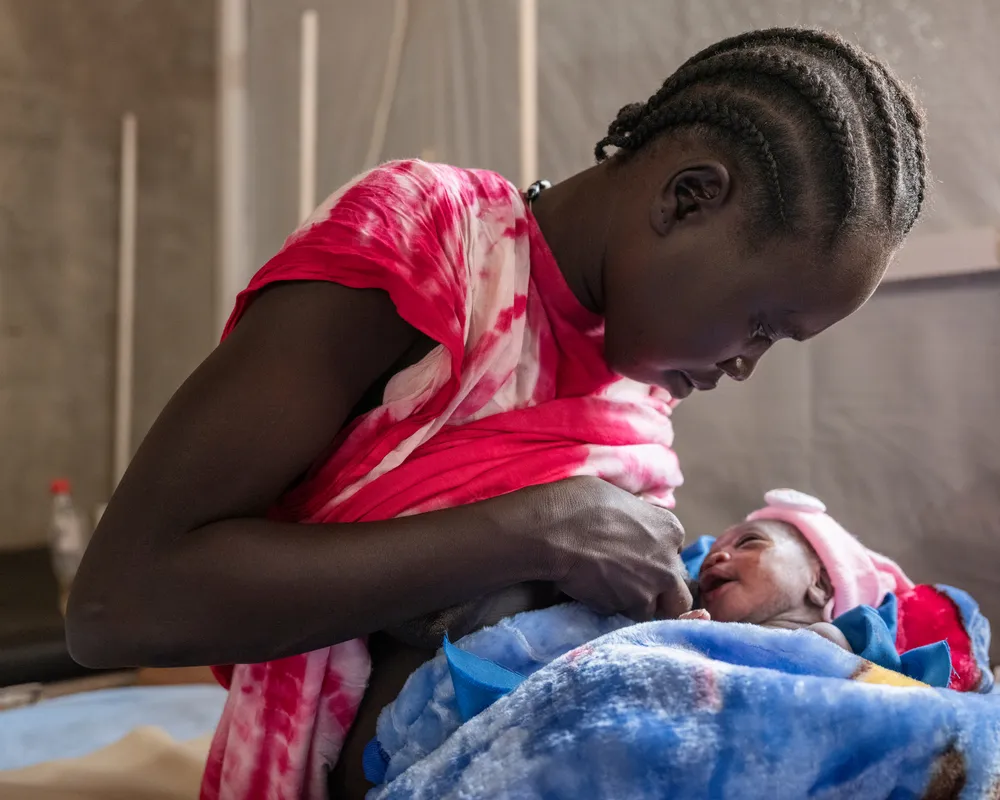
“The WHO recommendation is breastfeeding exclusively for the first six months of life, and then up to two years plus supplementary foods, and then more if the mum and the baby want to,” she says. Post-birth separations can shatter this vital process. Mariana explains that the best chance of successful breastfeeding is for it to happen on demand 24-7. If mother and baby are separated, that chance might be gone.
Zero separation
Mariana’s aim is zero separation. “The mum should have access to her baby 24-7, not visiting hours.” Ideally, mum–baby units feature adjacent beds and cots. IVs or transfusions happen skin-to-skin. “This coupled care makes all the difference in the world,” she says. It curbs postpartum depression and haemorrhage via oxytocin, fosters bonding, and engages families, viewing mother-baby as one.
By late 2024, zero separation had begun being implemented in Kenya, Central African Republic (CAR), Nigeria and other contexts. When the maternity ward in Carnot in CAR was being renovated for zero-separation, staff worried about maternal bacteria. Mariana countered, “Their own bacteria are the good bacteria that the baby already has. We are the ones passing the bad bacteria.” Breastfeeding soared.
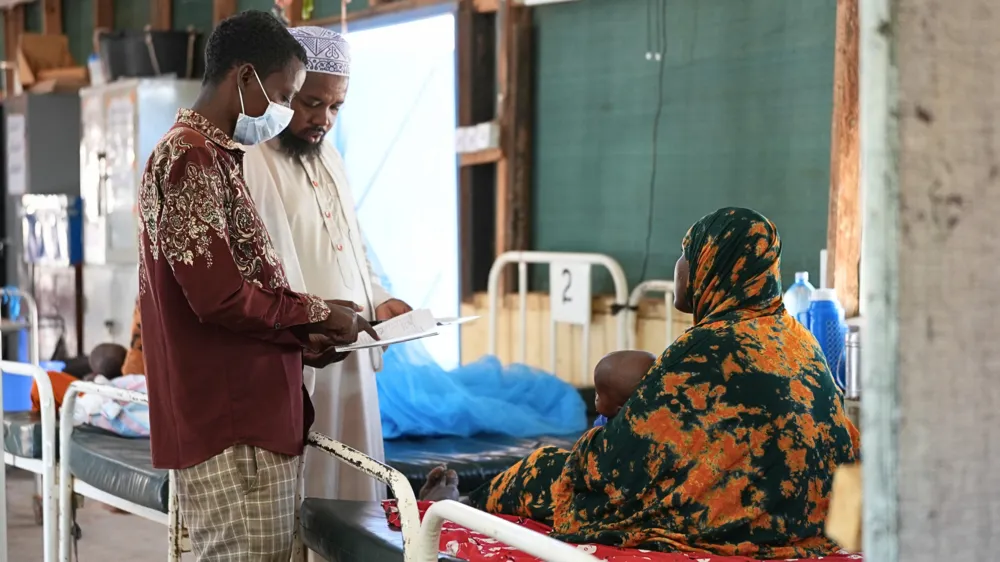
Limited space and budgets can be an obstacle. Humanitarian contexts can present enormous challenges, such as the effects of conflict and malnutrition. But ensuring the ‘golden hour’ – baby-to-breast within one hour of birth – often guarantees at least two months of exclusive breastfeeding, Mariana says. Medicalised births waste that time on weigh-ins and charts. “It doesn’t even require more resources. It just requires a different configuration and a different way of seeing what our role as clinicians is.”
For premature or low birth-weight babies, there is kangaroo mother care – continuous skin-toskin contact. It halves preterm mortality where incubators fail. In Dagahaley, Kenya, KMC plus zero separation yielded shorter hospital stays, better weight gain, higher breastfeeding continuation rates. In Yemen and South Sudan power cuts make mums “the incubator” – empowered, not sidelined.
A two-way lifeline
Mothers gain from zero separation too. Suckling triggers oxytocin for haemorrhage control; lactation helps space births. In the long term, breastfeeding lowers risks of breast and ovarian cancer and diabetes. In crises, bonding combats depression and supports immunity. The breastfeeding conference in Australia revealed interesting parallels to what Mariana has observed elsewhere: dismal rates, formula lobbies, training gaps. “MSF has a lot to offer, not just in the field, but in advocacy and policy. It’s not about more money; it’s about better design: mum-baby as one unit, from antenatal to discharge. Breastfeeding isn’t a ‘nice-to-have’ – it’s survival, especially in crises.”
To find out more, listen to Mariana in this podcast from the Medical Journal of Australia (MJA): Breastfeeding in a warzone - a vital lifeline or watch this interview: