
Support Our Emergency Response DRC
DONATE NOW
Any one off donation makes a tremendous difference in the lives of those in need.
Now, imagine the ongoing and long term impact you can have by becoming a regular donor to our organisation.
Among the patients treated, at least during my visit, for gunshot wounds, the vast majority were civilians and people who had been caught in the crossfire while working in fields in the surrounding area.
How is MSF responding in the Democratic Republic of Congo?
Despite hostilities, MSF is providing medical assistance to affected communities through regular and emergency projects in North and South Kivu.
In Goma, heavy fighting and insecurity—including looting—in the first days forced us to partially suspend some projects, particularly in the camps, and to temporarily withdraw some non-essential staff from several medical facilities and offices. However, we increased wound care capacity in Kyeshero hospital to support the Ndosho hospital, where the Ministry of Health and the International Committee of the Red Cross treat patients with severe wounds.
Ebola Update
The World Health Organization has declared the current Ebola disease outbreak affecting the Democratic Republic of Congo (DRC) and Uganda a public health emergency of international concern. In less than five weeks, the number of confirmed cases has tripled, from 650 to nearly 2,000 as of 12 July, while the number of deaths has increased more than fivefold, from 130 to over 700.
Since the start of the outbreak, MSF teams in Ituri, North Kivu, South Kivu and Tshopo provinces have established Ebola Treatment Centres in Bunia, Mongbwalu, Komanda, Goma, Butembo, Bukavu, and Lwiro, as well as more than 15 isolation units. Additional isolation and treatment facilities are being prepared across the affected provinces.
Hundreds of tonnes of medical supplies and equipment have been shipped from Kinshasa and abroad, and more than 2,200 staff are currently involved in MSF's Ebola response, including 800 Ministry of health staff supported by MSF.
RESPONDING TO EMERGENCIES
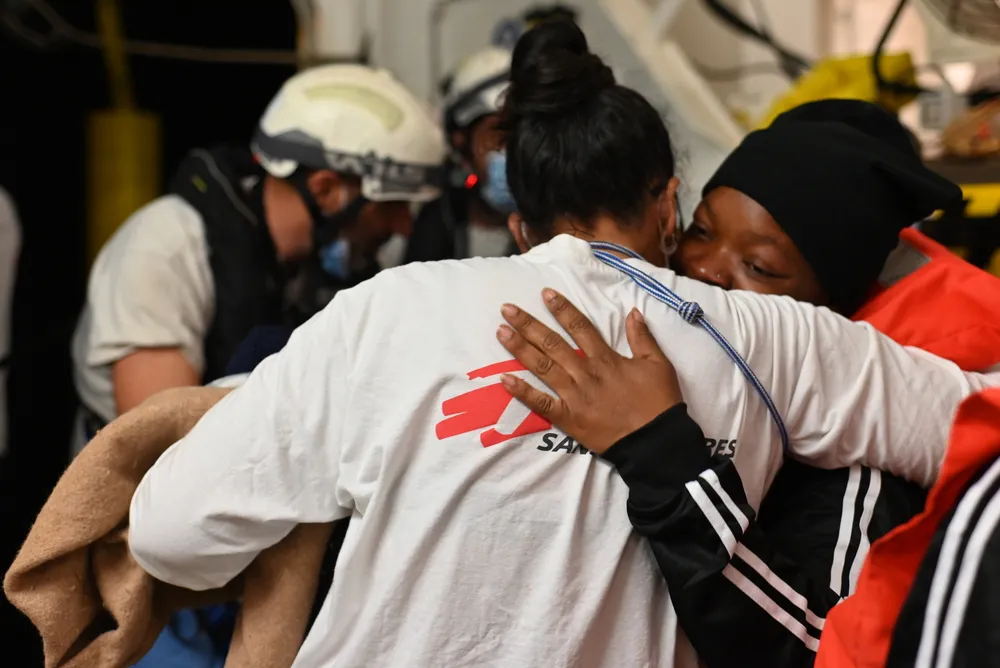
As an independent, impartial medical humanitarian organisation, Médecins Sans Frontières can respond rapidly to emergency situations and deliver urgent medical treatment to people in need – no matter who they are. By making a donation, you can help ensure that we can be there to provide medical assistance during times of crisis.
Patients at the Masisi General Reference Hospital recover following surgical operations in September 2025. Almost all of them have suffered some kind of violent injury. © Sam Bradpiece/MSF
HOW YOU CAN HELP
By donating to MSF's emergency fund, you can help ensure that MSF staff can provide medical assistance during times of crises where it is needed most—both in the Democratic Republic of Congo, and around the world.
Your donation supports MSF's Emergency Fund and is not restricted to a specific country or emergency.
We work where the need is greatest; it’s critical we respond as soon as a crisis occurs.
Médecins Sans Frontières Australia's emergency fund ensures that we have adequate financial resources ready so that we don’t lose precious time. By donating to our emergency fund today, you can help our teams provide relief as soon as possible to people who urgently need our help.
Please consider making an urgent donation today. We simply could not do what we do without you.

MSF staff cross the Lomela river in Boende, DRC, on their way to provide case management during a measles outbreak.
HOW MSF USES FUNDS
71%
of our funds are used to further our social mission by providing assistance to people in distress and to victims of natural or man-made disasters.
29%
of our funds are used to responsibly manage our organisation via fundraising and administration activities that ensure we can continue to meet our operational needs.
DONATION FAQS
Here you will find the most frequently asked questions about donating to Médecins Sans Frontières Australia.
Privacy and communications
Your support matters
By making a donation, you are helping to ensure that when an emergency happens, our teams are there to relieve suffering and save lives.
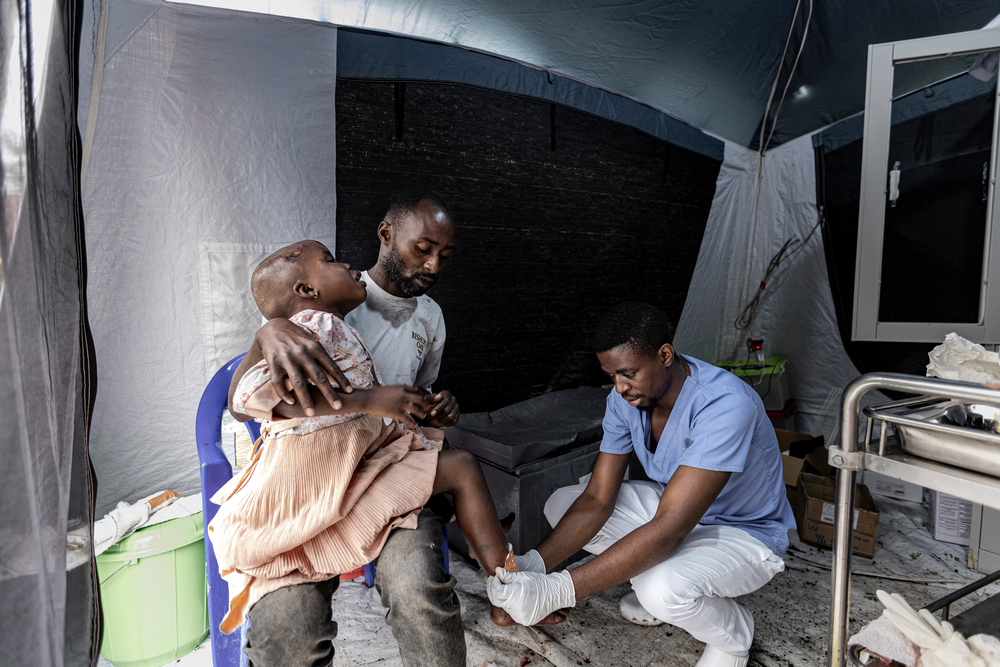
When fighting broke out in Goma in January 2025, MSF was working in Kyeshero hospital, located in the western part of the city, supporting the Ministry of Health. © Michel Lunanga
Provide urgent crisis support
MSF teams respond to emergencies in many forms: armed conflicts, disease epidemics, natural disasters, malnutrition crises, and more.
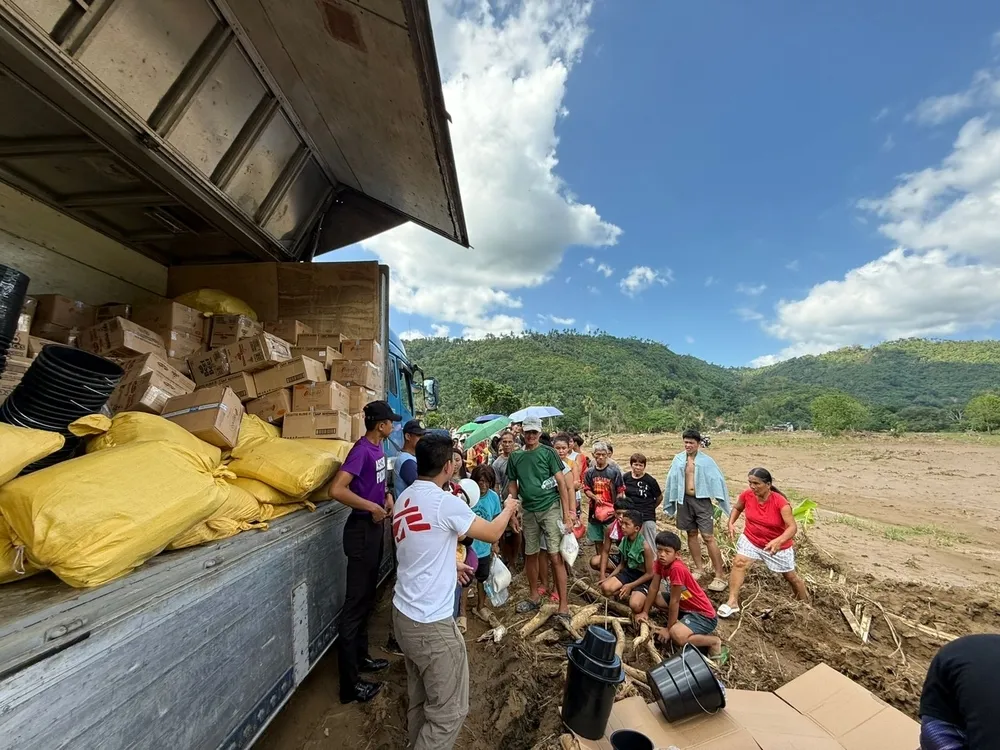
MSF Staff distributing non-food item (NFI) kits to communities impacted by the typhoon Kalmaegi in the Philippines and subsequent flooding. © MSF
Help save lives across more than 70 countries
Your donation today will help provide critical medical care where it is needed most.
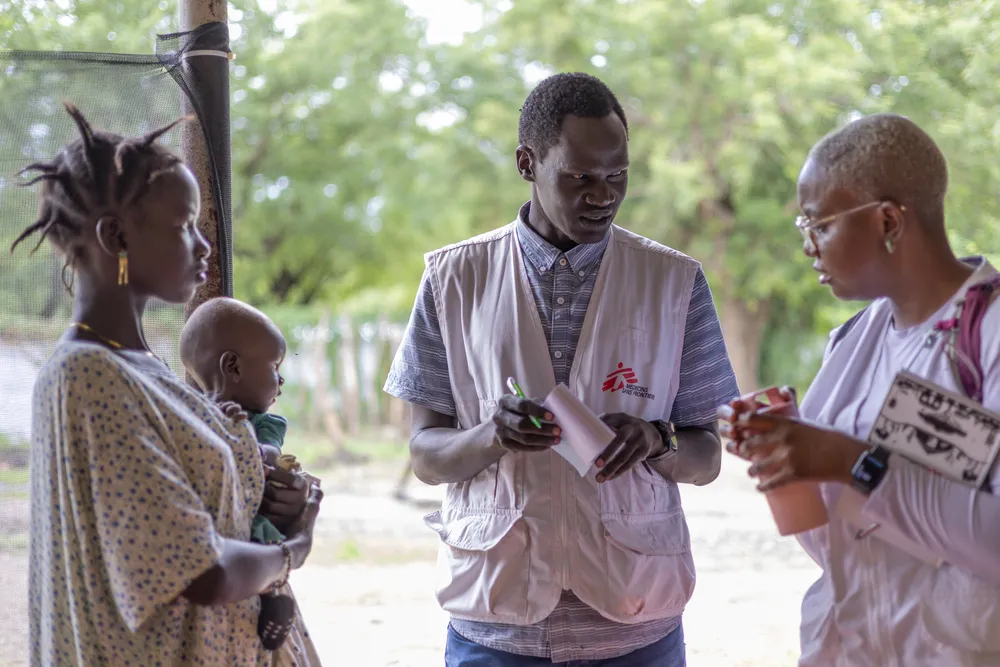
MSF medical staff discuss care with a mother and her baby soon after resumption of activities at Akobo Teaching Hospital in Jonglei State, South Sudan. June 2026. © Isaac Buay/MSF
TAX DEDUCTIONS
All donations are processed in AUD.
Donations are tax-deductible in Australia only.