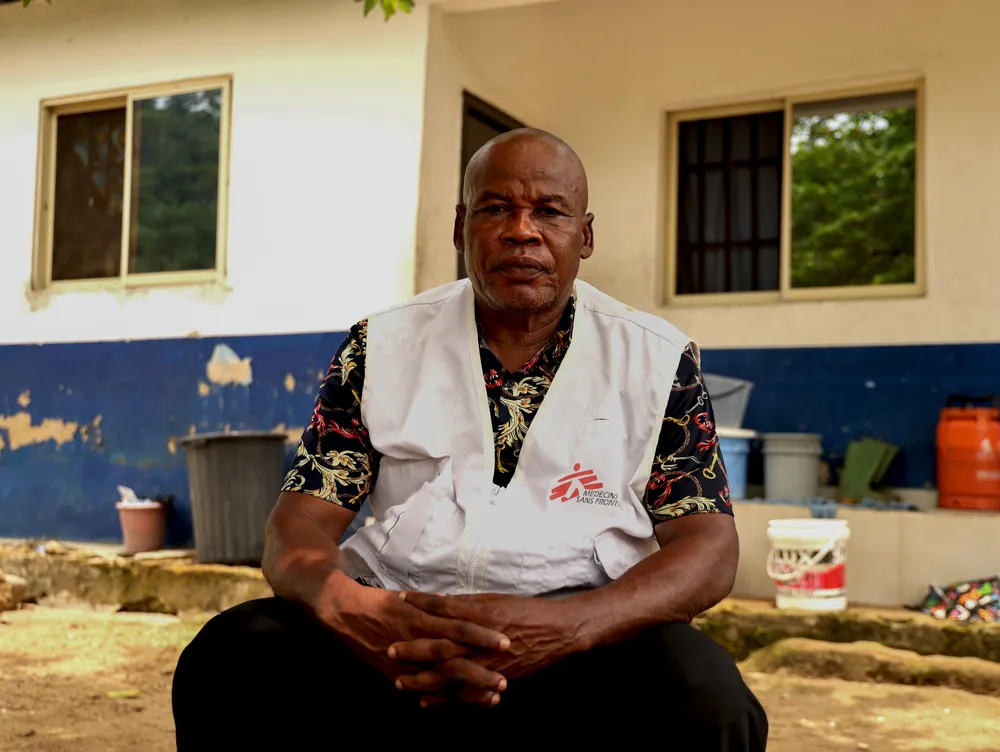

To improve patient care in northern Nigeria, Doctors Without Borders/Médecins Sans Frontières (MSF) is embracing solar energy to power the hospitals it supports, which have historically depended on expensive fuel-intensive generators.
By moving to renewable energy, communities in the region now have better, more sustainable access to lifesaving medical devices, medication and infrastructure.

Moments before the switch, many staff at General Hospital Zurmi held their breath, worried about how the change in power would affect medical operations. “We have people on oxygen tanks,” an MSF staff member said, reminding the engineers about what was at stake.
Very quickly those fears turned to relief, as the transition went smoothly – and the power remained stable throughout the day, and the days that followed.
“Before, it was extremely challenging,” said Israel Mushore, the energy manager who worked on the project for five months. “Patients would be taken into surgery, and there was always the risk of a power cut in the middle of the procedure. Now, with solar power, we have a stable and reliable energy source.”
For years, General Hospital Zurmi, in the far-north state of Zamfara, had been cut off from the national Nigerian power grid. Instead, it had to rely on generators that consumed more than 3,000 gallons (11,356 litres) of fuel each month to power the facilities. The system led to frequent and frustrating power disruptions.
Since 436 solar panels were installed this year, the 250-kilowatt solar power system has consistently kept medical devices running, medications refrigerated, and enabled emergency surgical procedures. A battery backup system also ensures that hospital operations continue smoothly at night and during extended periods of cloud coverage. Patients in the hospital, including in maternity care, the neonatal intensive care unit (NICU), and the cholera unit, have shared the healthcare benefits.
I cannot overstate how the switch to solar panels has improved our ability to respond to malnutrition and paediatric emergencies by being able to better store vaccines and expand our outreach.
At the same time, the introduction of renewable energy has strengthened the hospital’s ability to provide consistent, quality care over the long term. By changing the infrastructure and therefore what needs to be sourced, transported, stored, and paid for, especially fuel, the hospital is now better equipped to deliver more reliable and uninterrupted care. As a cleaner energy source with a smaller environmental footprint, the solar system reduces the hospital’s contribution to the climate crisis that is already having an impact on the community it serves.
Climate change affects patients’ health
Climate-related shocks such as drought and flood are severely affecting agricultural productivity in northern Nigeria, disrupting access to land for livestock herders and farmers, and sparking competition over resources. This is fuelling violence and displacement, leading to food insecurity and malnutrition across the region.
Over the years, MSF teams in the eight northern states of Nigeria where MSF operates, including Zamfara State, have recorded a concerning rise in the number of severely malnourished children with life-threatening complications. In 2024, MSF treated over 300,000 children – an alarming 25 per cent increase from 2023. Over 75,000 of these children were severely sick and required inpatient care. This year, MSF is in the process of increasing its bed capacity in some of its hospitals in anticipation of an even higher number of patients suffering from malnutrition.
MSF teams have also observed how years of changing weather – including warmer temperatures and shifting rainfall – have enabled mosquitos to breed more rapidly and thrive in new areas, increasing Nigerians’ exposure to malaria. According to 2023 numbers, the most recent data available from the World Health Organization, Nigeria accounted for 26 per cent of the global 263 million cases, with a significant surge of an estimated 6.8 million more cases from 2018 to 2023.
“Every day, we witness how climate factors influence the health of communities around the world,” Mohamed Ali said. “From the rising frequency of extreme weather events to violent land disputes stemming from drought-ravaged farmlands that have diminished crop yields, the connection between climate and health is stark.”
Doing more to mitigate climate change
Transitioning to renewable energy has meant that MSF can better respond to patients’ needs, devoting more resources toward other necessary costs to keep our hospitals running and accessible to patients. Already MSF is starting to see this through its other solar panel installations in two locations in Zamfara State – in Talata Mafara and Gummi – and from east to west in the states of Borno, Bauchi, Jigawa, Kano, Katsina and Sokoto.
“While there are still other steps to be taken to reduce MSF's overall environmental impact, switching to solar power is part of our work to create a more sustainable solution that will benefit patients and the communities,” said Mohamed Ali.
Join our team!
Our teams of medical and non-medical professionals provide healthcare to millions of people caught in crises in over 70 countries around the world. We have a high need for obstetrician-gyanecologists on our projects to help deliver maternal healthcare.
Learn more about working with MSF and how to apply.