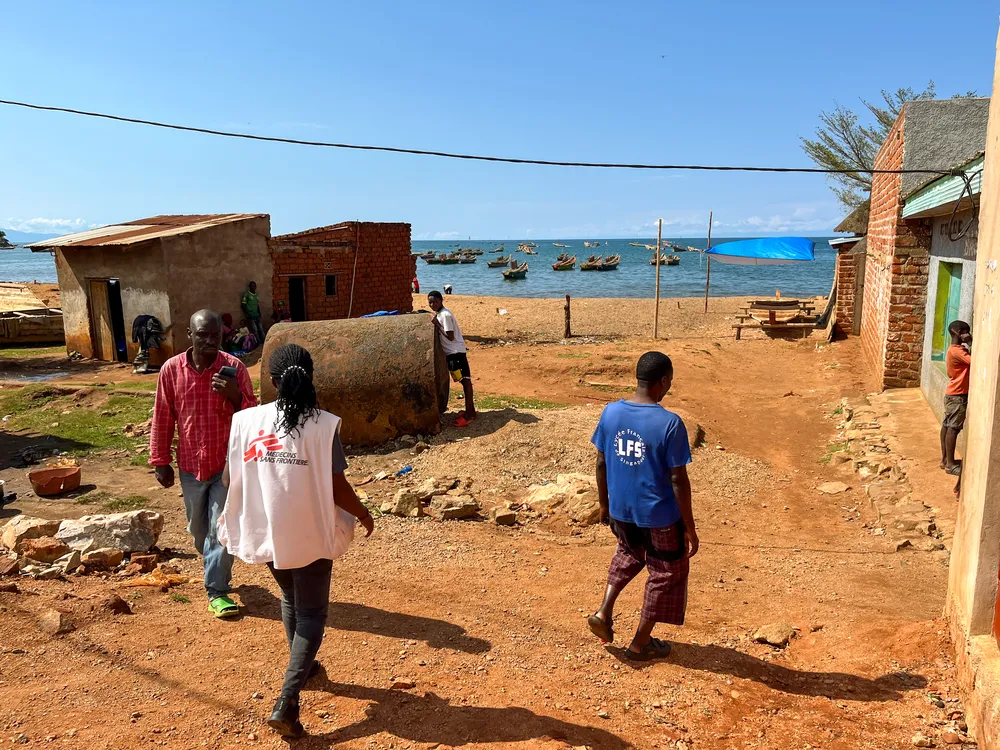
Congolese refugees in Burundi face more hardship as humanitarian funding dries up
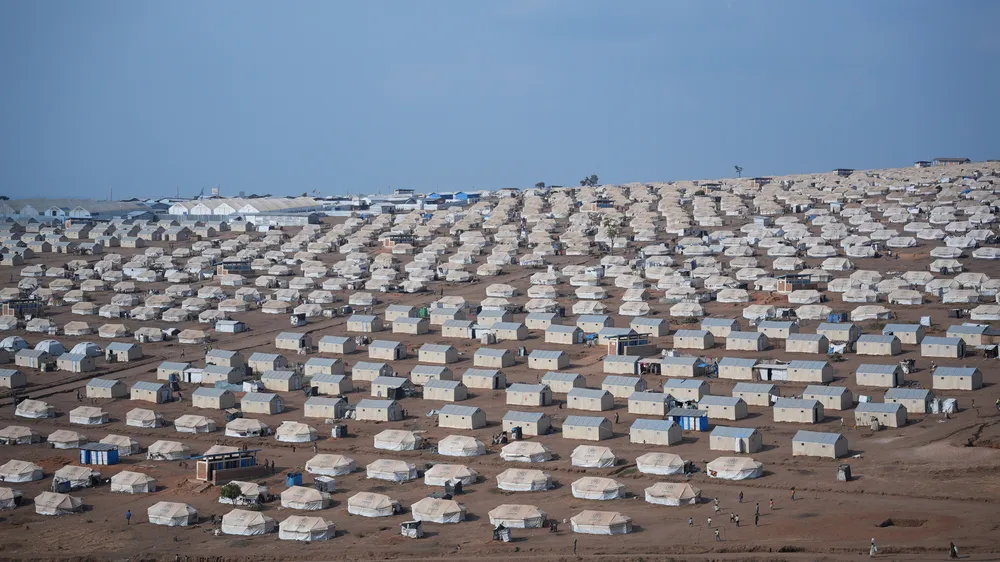
More than ten months after tens of thousands of Congolese refugees arrived at the Busuma camp in eastern Burundi, living conditions remain extremely precarious, and many refugees say they would rather return to the Democratic Republic of Congo (DRC) than remain in the camp. MSF is extremely concerned that conditions could deteriorate further, as several humanitarian organisations operating in the camp risk running out of funding in the coming weeks.
“It feels as though we are goats tied to a stake and left there to graze,” says Ibonge Alinoti, who arrived in Busuma in December 2025 after fleeing clashes near Uvira, in the DRC. “I thought I would be able to go home in April, but we are still in this camp where everything is in short supply. We are suffering so much.”
Since April, more than 20,000 refugees have returned to the DRC under a United Nations-run voluntary return program to areas considered safe. However, around 35,000 people still live in Busuma, where the lack of available humanitarian funds is exacerbating an already critical situation.
Many people are deeply desperate. Aid is dwindling, while some people do not even have a tarpaulin or a blanket to protect themselves. We are seeing depression, anxiety, psychosis and post-traumatic stress disorder... The needs are truly enormous.
“Due to insufficient funding, food and cash distributions have been repeatedly scaled back, and shelter needs remain enormous. The shelters built at the beginning of the crisis have a lifespan of just six months and are deteriorating as the rainy season started,” warns Ouo-ouo Sakouvogui, MSF’s emergency response coordinator at the camp. “If nothing changes, the situation could once again become extremely critical.”
The future of the humanitarian response is also a major cause for concern. Several organisations operating in Busuma have funding commitments only until the end of 2026, while some have no funding secured beyond October 2026.
“Despite efforts by the authorities and the United Nations to mobilise donors, widespread funding cuts are a reality. There is a real risk that several humanitarian organisations will be forced to withdraw as early as the beginning of 2027, despite massive needs,” warns Adélaïde Ouabo, MSF’s programs coordinator in Burundi.
Living conditions put refugees’ health at risk
Although emergency interventions in early 2026 helped improve sanitary conditions and bring cholera and measles outbreaks under control, refugees’ living conditions remain extremely precarious. In September, there was just one latrine for every 119 people and one shower for every 242 people in the camp.
“Cases of waterborne diseases declined during the dry season, but the rainy season, against a backdrop of El Niño-related forecasts, could change that,” says Ouo-ouo Sakouvogui.
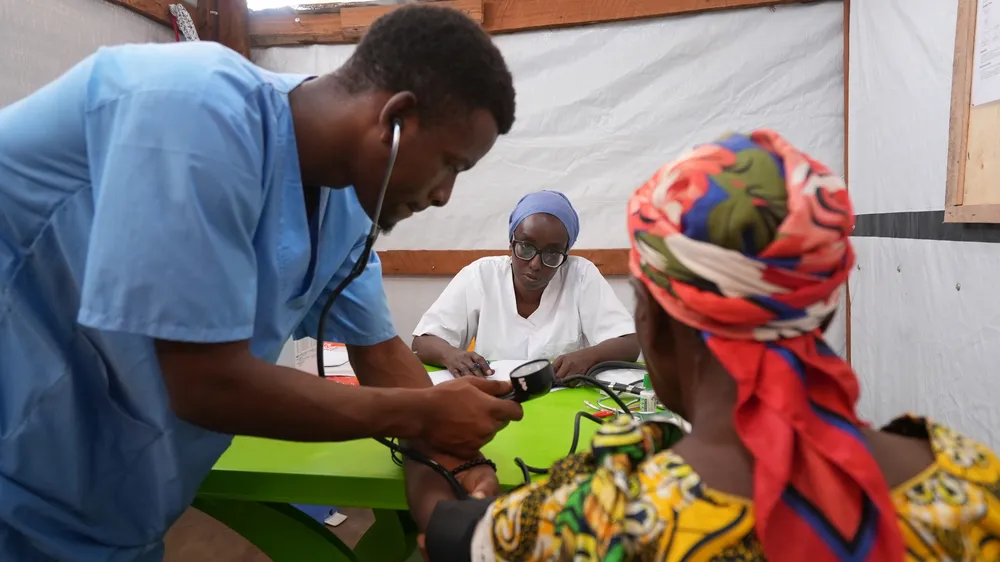
Medical needs also remain extremely high. Between July and September, MSF teams conducted more than 12,000 outpatient consultations in the camp and the surrounding host community, particularly for respiratory and intestinal infections. More than 300 people also received more specialised medical care.
We fled, leaving everything behind, only to arrive here and face cholera, infections and people dying around us. Now we are struggling to sleep and feed our children. All these problems are weighing heavily on me. Honestly, I am overwhelmed. I want to go home.
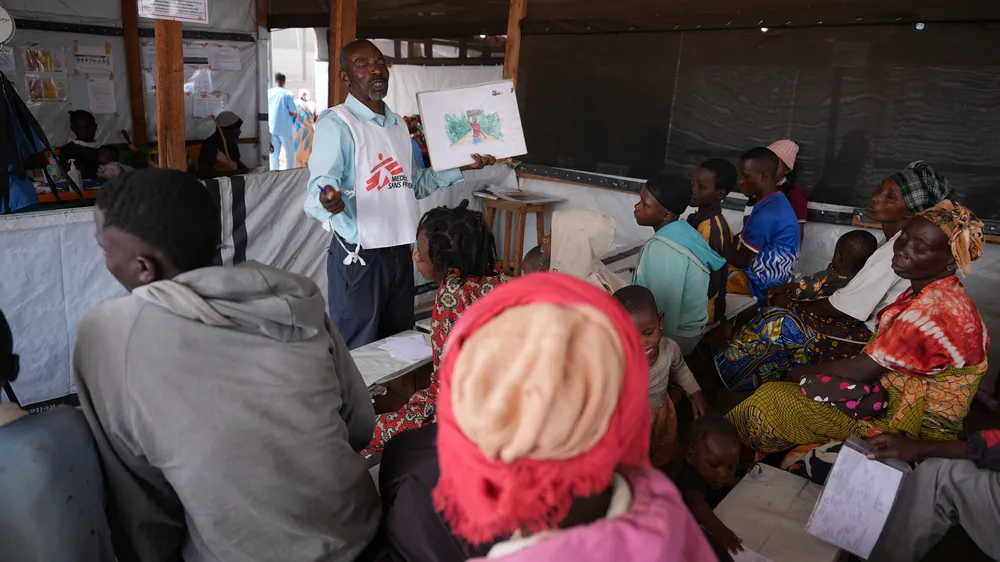
Psychological distress is particularly concerning. MSF teams are seeing a high demand for mental health support, driven by the violence people experienced in the DRC, their flight from home, their losses and the deteriorating living conditions in Busuma.
“Many people are deeply desperate. Aid is dwindling, while some people do not even have a tarpaulin or a blanket to protect themselves. We are seeing depression, anxiety, psychosis and post-traumatic stress disorder,” explains Vanessa Niyonizigiye, an MSF clinical psychologist working in the camp. “The needs are truly enormous.”
Asiya Bipemaju arrived in Busuma after fleeing the DRC in mid-December 2025. She now shares a shelter with 14 other refugees.
“We fled, leaving everything behind, only to arrive here and face cholera, infections and people dying around us. Now we are struggling to sleep and feed our children. All these problems are weighing heavily on me. Honestly, I am overwhelmed. I want to go home.”
Returning to the DRC despite the risks
Like Asiya, many refugees say they want to return to the DRC, despite the volatile security situation. For some, conditions in Busuma have become so difficult that returning home seems preferable to remaining indefinitely in the camp.
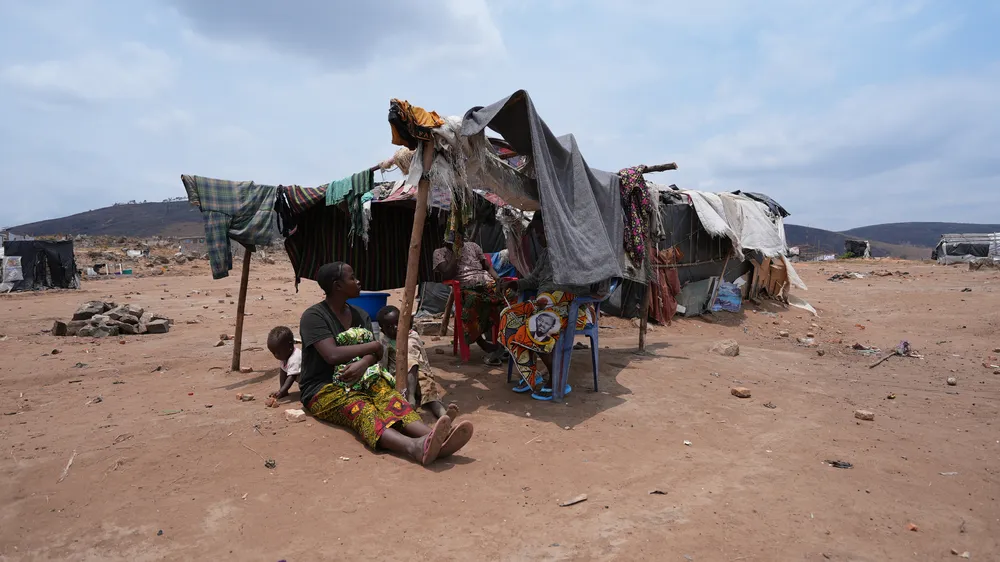
“We simply do not want to stay here. There is too much suffering and not enough aid. We do not want money; we just want to leave,” says Ibonge Alinoti. “I have already fled violence three or four times in the Congo. If it happens again, we will flee again.”
“The people of Busuma cannot go on living in such conditions,” stresses Adélaïde Ouabo. “It is unacceptable that refugees should feel they would rather risk their lives than remain in a camp that is supposed to protect and support them. This situation is a wake-up call that demands urgent action.”