Why are we there?
- Healthcare exclusion
Latest links
- Syria: Healing in the shade of a lemon tree
- Turkey: MSF distributes winter tents to earthquake-affected families
- Syria Latest Update: Four hospitals inside Syria and 100,000+ consultations for refugees
Our work
This is an extract from our latest Activity Report, looking back on our work in the previous year.
2012
In 2011, Médecins Sans Frontières (MSF) teams in Turkey provided mental health support to migrants in Istanbul and survivors of the earthquakes in Van.
Undocumented migrants
Undocumented migrants have no access to health services in Turkey. In June 2011, MSF signed a partnership agreement with a Turkish non-governmental organisation (NGO), the Helsinki Citizens’ Assembly, to provide assistance to undocumented migrants living in Istanbul.
Teams provide aid to the most vulnerable, including women, children and the elderly, in 10 of Istanbul’s municipalities.
The majority of patients have been through traumatic events and are now facing problems relating to integrating in a new environment.
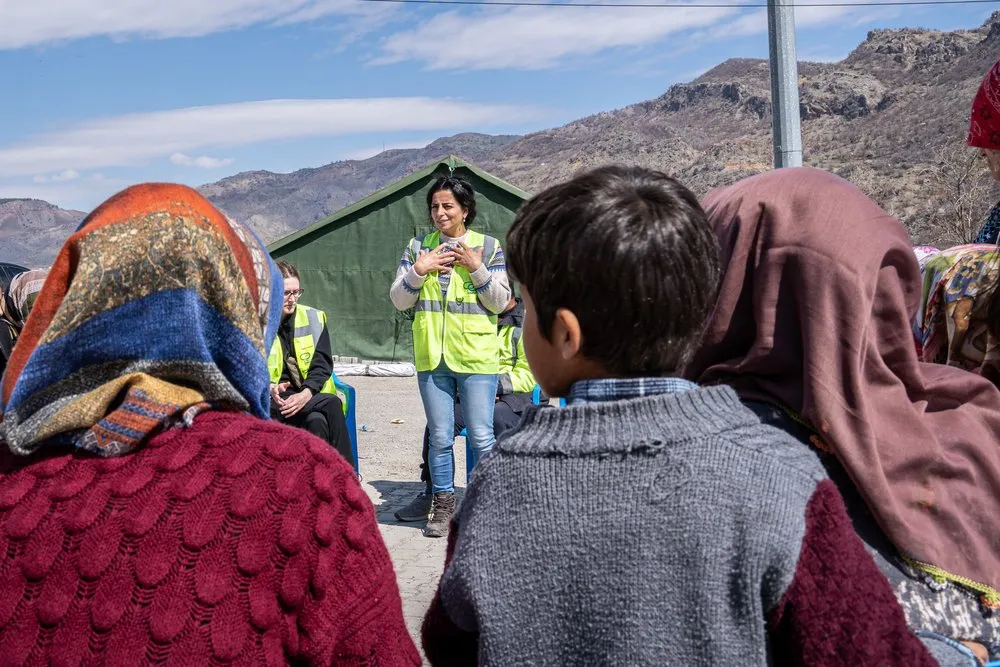
Psychologists provided mental health support, while community health workers and interpreters assisted the clinical team and conducted outreach with the migrant communities, community organisations and Turkish health facilities. Almost 940 group counselling sessions were held in 2011.
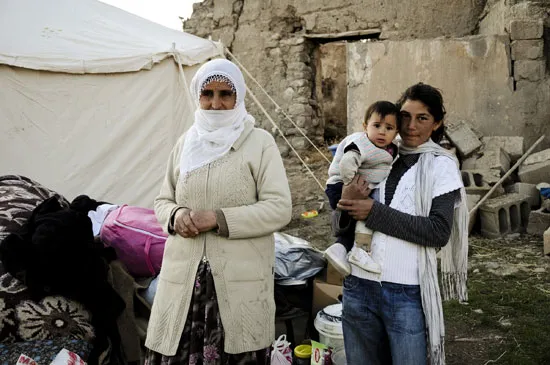
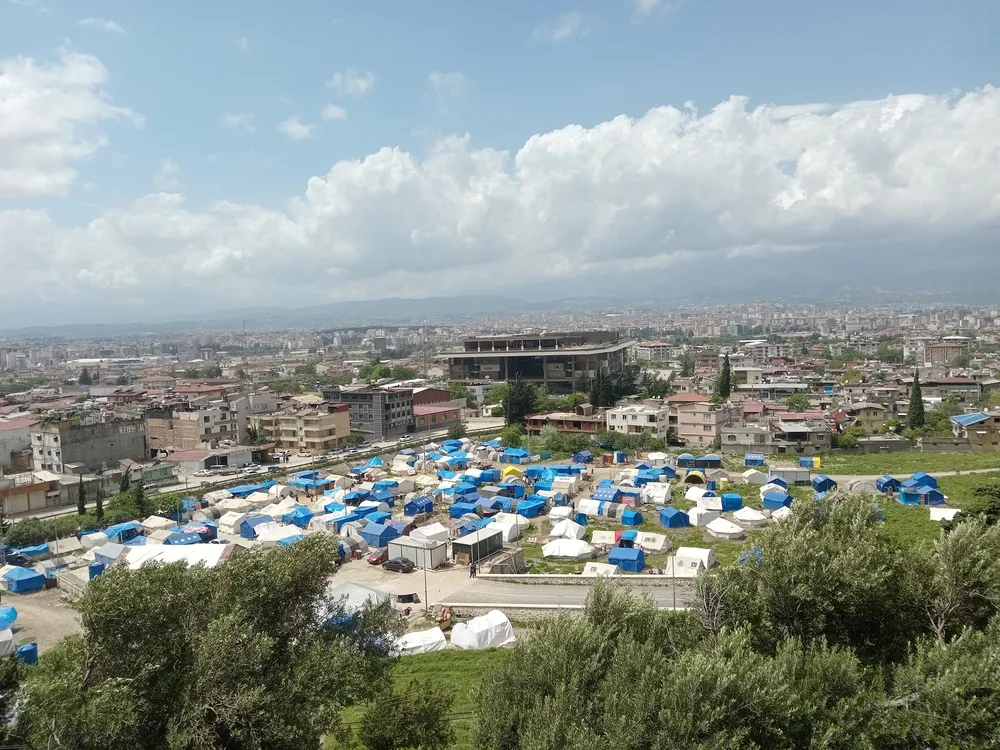
MSF teams distributed 2,000 winterised tents to people living in Van and Ercis, the cities most affected by the quake. © MSF
Earthquake response
The two earthquakes that struck eastern Turkey in October and November killed at least 500 people and injured 2,500.
An MSF team in Van worked with local authorities and two Turkish NGOs, Hayata Destek and the Helsinki Citizens’ Assembly, distributing 2,000 winter tents and 2,000 cooking kits to 12,000 people in 37 villages in Van.
MSF started a two-month psychological support programme in 31 villages in December. By the end of the programme, 3,470 women and 1,850 men had benefited from group sessions, and 53 people received individual counselling.
Patients in a more serious condition were referred to Van hospital.
At the end of 2012, MSF had 35 staff in Turkey. MSF first worked in the country in 1999.
Devastating earthquakes strike Türkiye and Syria
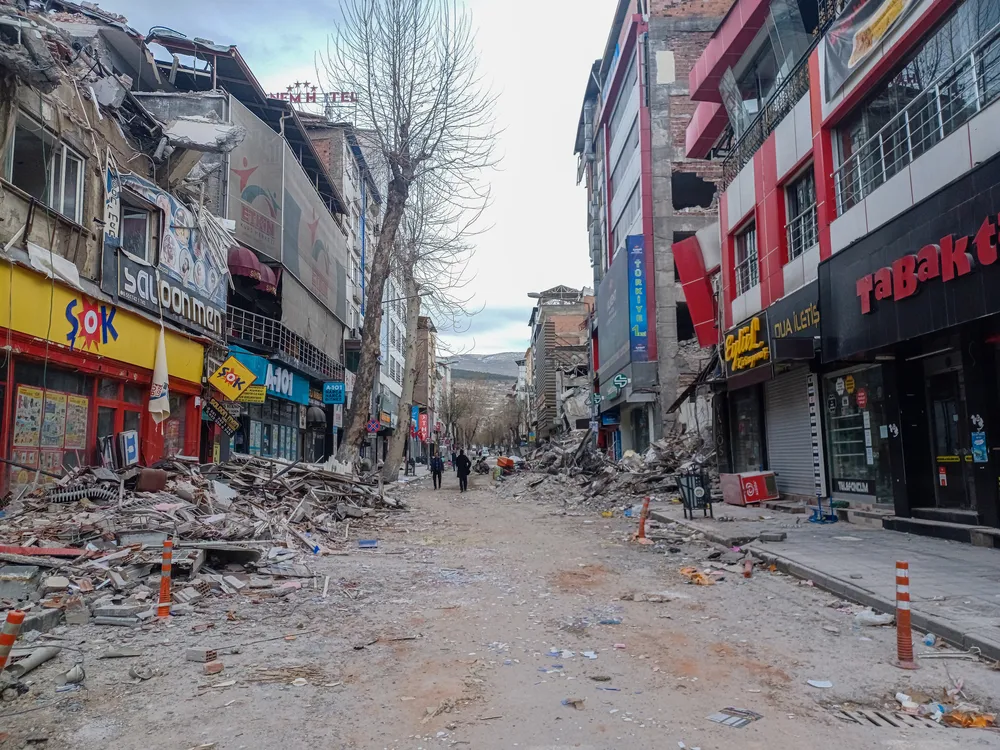
Powerful earthquakes hit the south of Türkiye (formally Turkey) and northwest Syria on 6 February. As of 14 February, the death toll has surpassed 30,000, with more than 80,000 people reported injured.
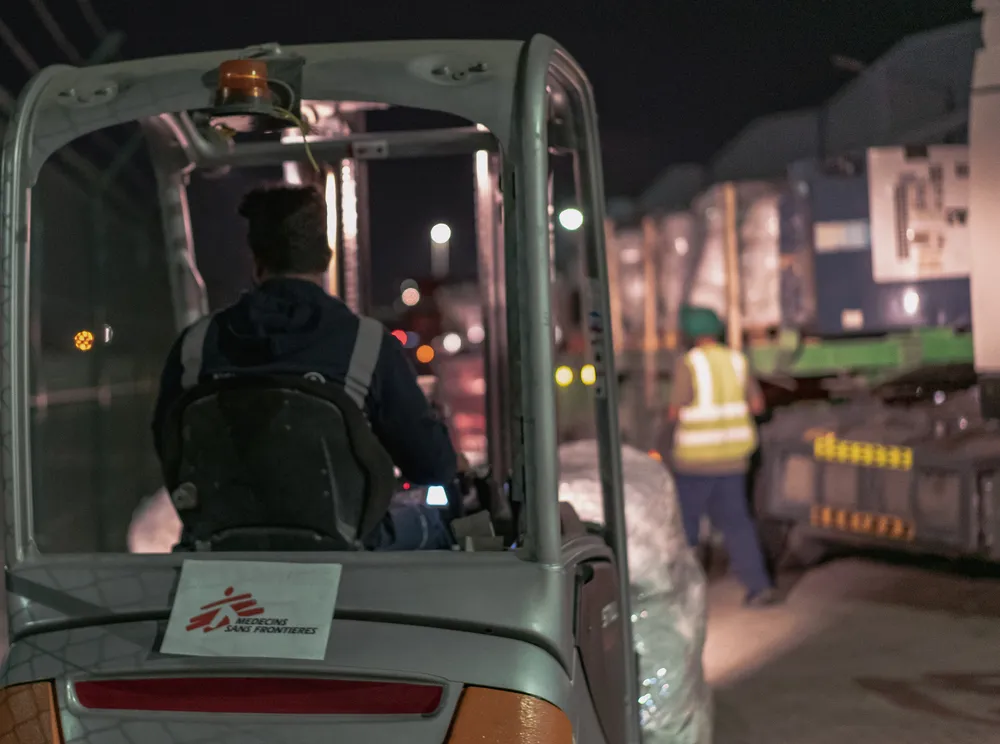
Médecins Sans Frontières (MSF) teams together with local partners are already supporting people in northwest Syria affected by the disaster.
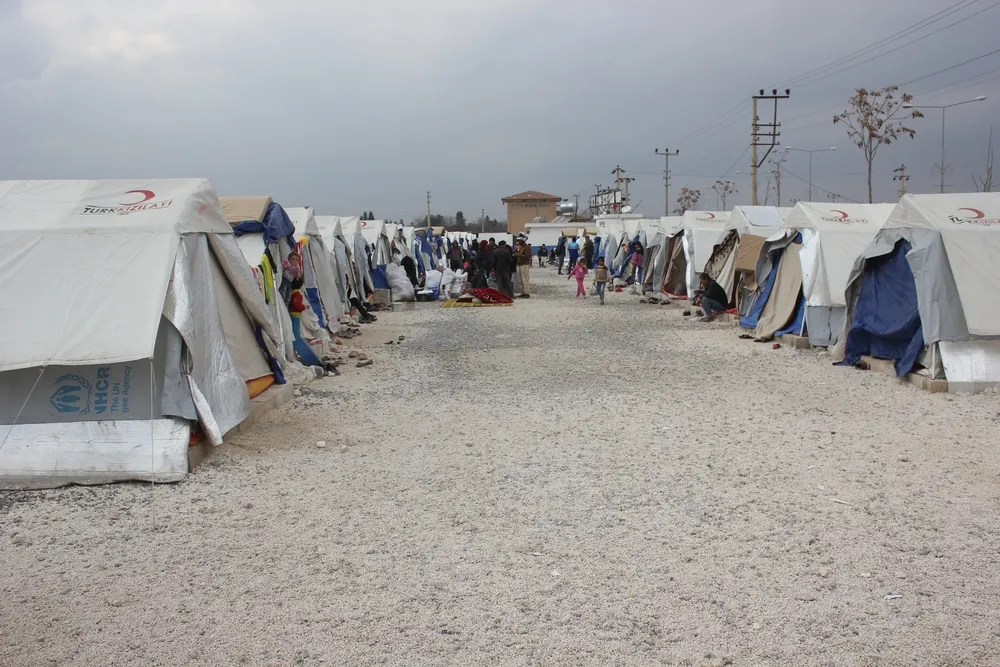
Turkey hosts the largest refugee population in the world – nearly 4 million - the majority of whom are Syrian. Around 90% of refugees in Turkey live in precarious conditions outside camp settings with insufficient access to basic public services.
Not authorised to operate directly in Turkey since June 2016, MSF provides financial and technical support to local NGOs working with Syrian refugees. MSF also gives remote support to medical staff in Syria.
MSF supported organisations in three locations; in Istanbul, and in Sanliurfa and Kilis on the Turkey-Syria border. The projects supported by MSF range from providing primary healthcare, to counselling sessions and child vaccination campaigns, and focus on caring for refugee communities.
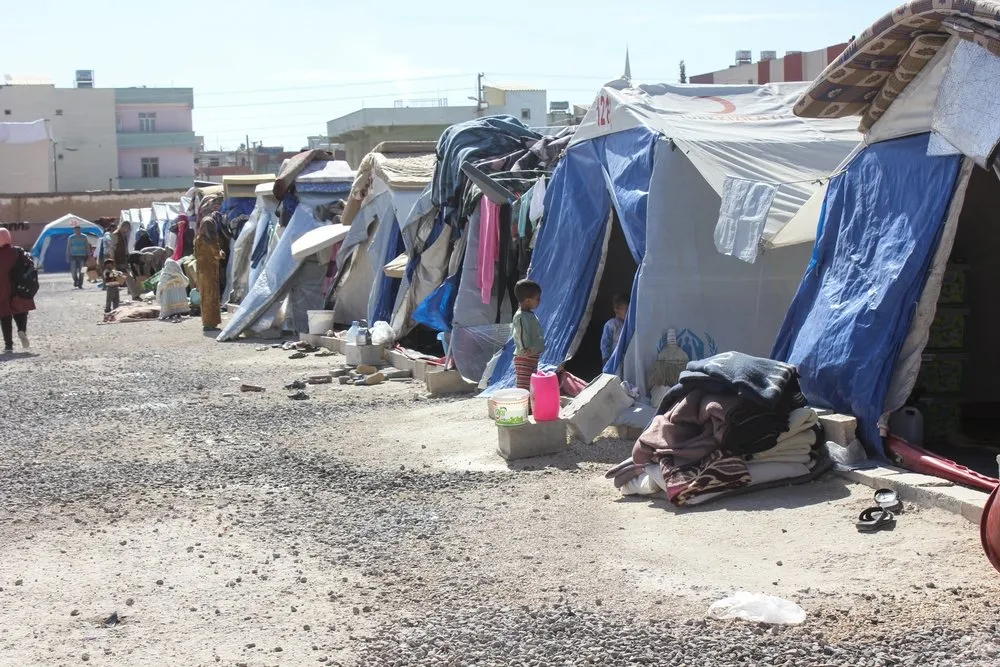
Healthcare and Services for Refugees in Turkey
MSF works with Metider to provide hospital translation sessions to allow Syrian patients to communicate with medical staff. The team participated in a government-initiated vaccination campaign, vaccinating over 14,000 children under the age of five.
MSF helped the International Blue Crescent Foundation (IBC) run a psycho-social support program, organise home visits as part of its outreach activities, and help refugees improve their language, IT and handicraft skills.
In Istanbul and Kilis MSF supports programs run by Citizens’ Assembly providing support and advisory services for migrants who had suffered ill-treatment, as well as primary healthcare, mental healthcare and psychosocial support services to Syrian refugees.
EU Deal Aftermath
In March 2016, the European Union and its member States agreed to return refugees, seeking safety in Europe to Turkey. Since then, our medical teams in Greece have witnessed an endless stream of misery and desperation from the thousands of men, women and children who continue to arrive on Greek shores and are trapped on the Greek islands. With no alternative options, families from countries like Syria, Iraq and Afghanistan continue to risk it all on a daily basis in order to reach Greek shores.
Every year, thousands of people fleeing violence, insecurity, and persecution at home attempt a treacherous journey via North Africa and across the Mediterranean to reach Europe. People will continue to risk their lives in the hands of smugglers as long as there are no safe alternatives.