MSF teams are working around the clock on a large-scale response in the DRC, in collaboration with the Congolese health authorities, WHO, and partners. More than 1,400 of our colleagues are responding to the outbreak.
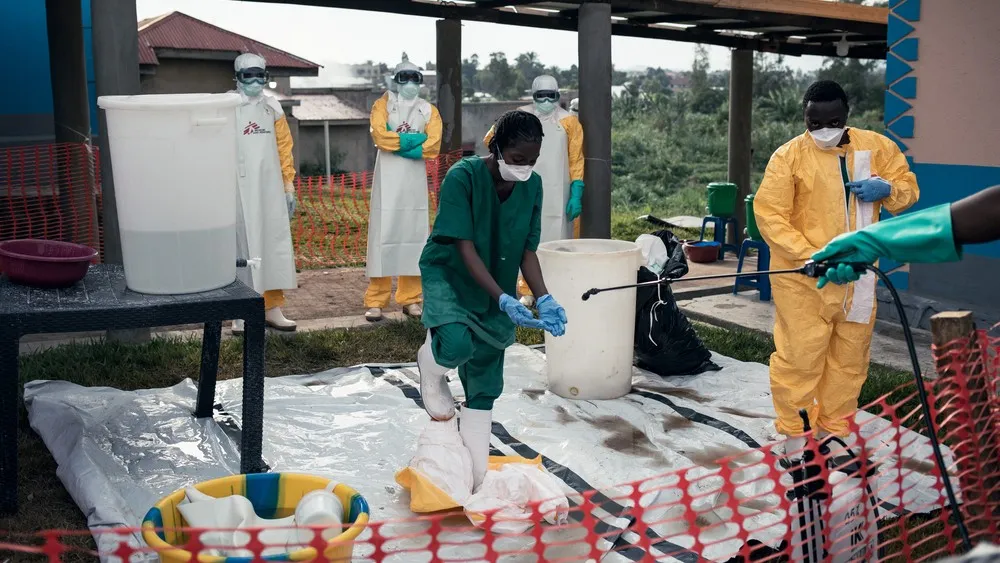
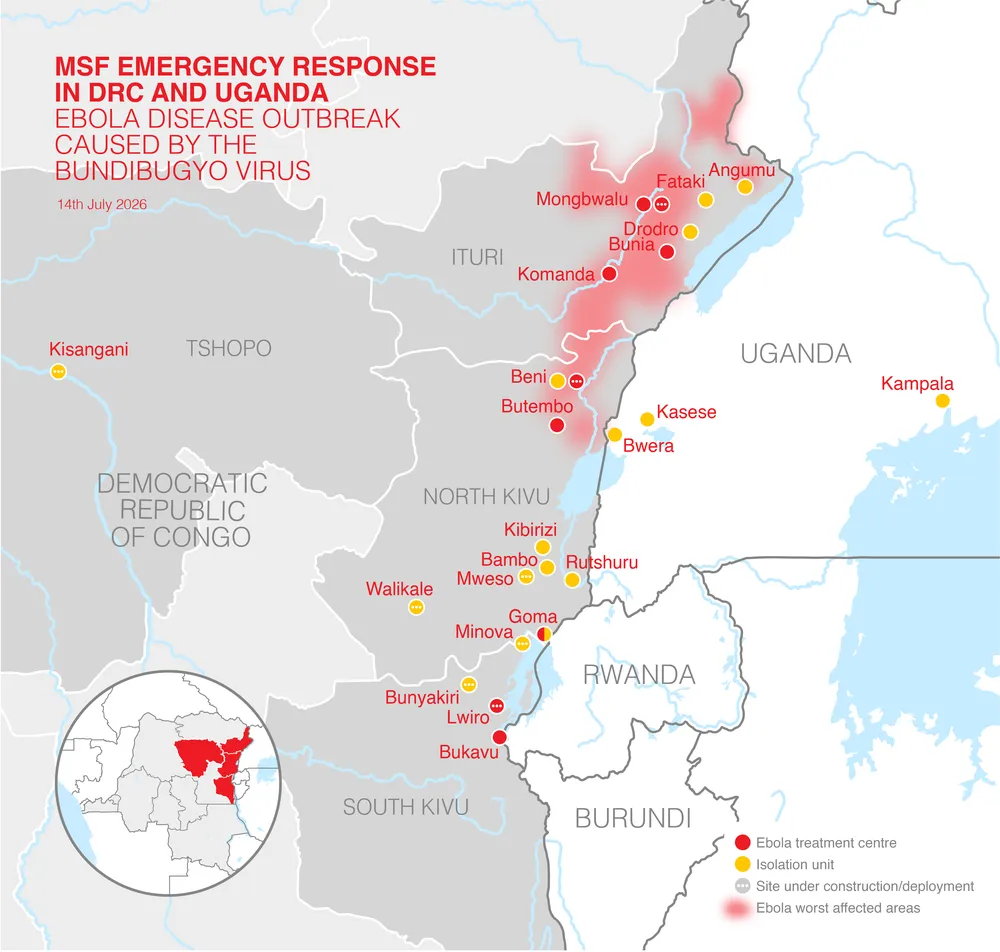
One of our main activities is operating Ebola treatment centres in areas where cases have been reported. These centres provide specialised care and contain the spread of the disease. We currently have Ebola treatment centres in Mongbwalu, Komanda, and Bunia in Ituri province, Goma and Butembo in North Kivu province, and Bukavu and Lwiro in South Kivu province. We continue to set up a centre in Beni in North Kivu province, and an additional 65-bed centre in Mongbwalu.
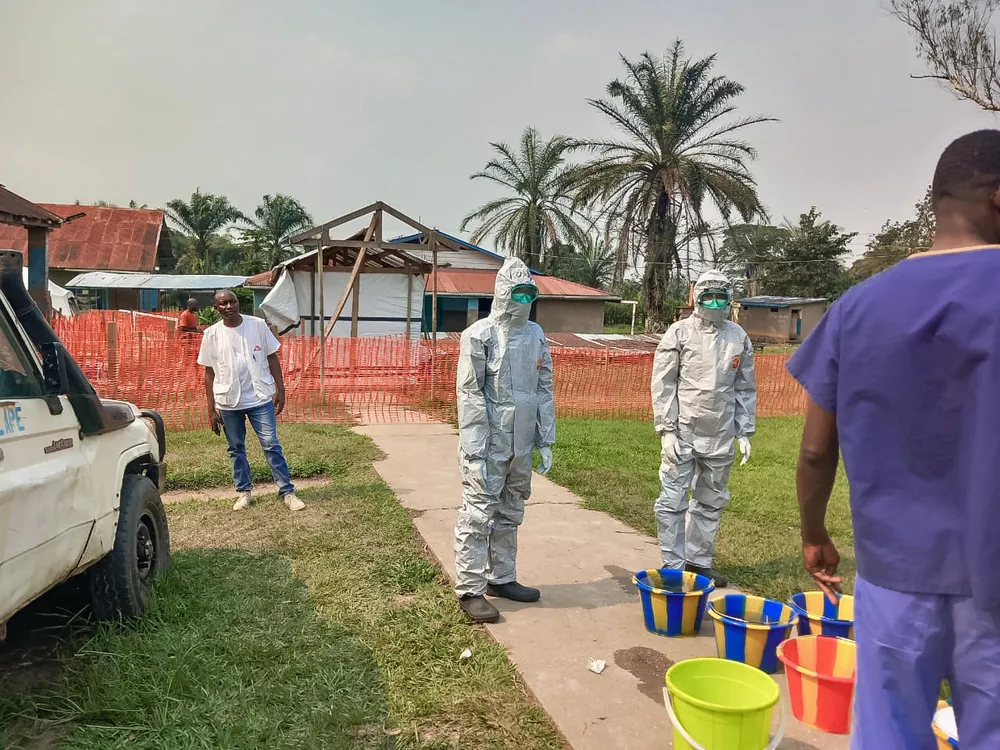
We are also running and establishing isolation units and triage systems within health facilities across the three provinces. In several locations, we are supporting the health authorities with the safe transportation of Ebola patients. We are also providing training on Ebola disease management to health facilities in Kisangani, Tshopo province.
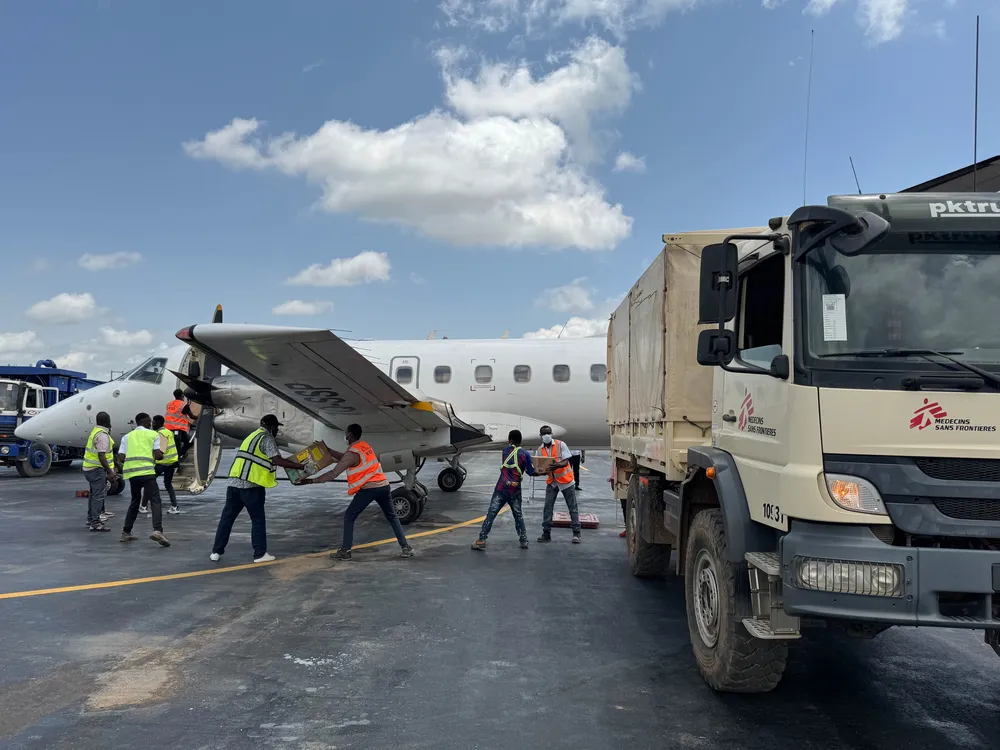
Several tonnes of equipment and supplies have made it to the DRC, and more are on the way. This includes personal protective equipment (PPE), medical equipment, medicines, generators, solar panels, disinfectants, and hygiene equipment.
The rest of our response activities are still being defined. However, our response is being structured around the following pillars:
- treatment and care of patients;
- isolation and triage;
- infection prevention and control, including safe provision of other essential care;
- surveillance and detection;
- strengthening response capacity, including through material and human resources support; and
- continuity of essential healthcare services.
Importantly, protecting staff and patients through safeguarding, duty of care, and Ebola prevention measures, while ensuring continued access to essential healthcare services, are among our priorities. Community engagement is also a key aspect of the response. The outbreak response must be built with communities and cannot come at the expense of other lifesaving healthcare.
In Uganda, we have rehabilitated an Ebola treatment centre in Kampala and an isolation centre in Bwera, a town near the border with the DRC. We remain in contact with the Ugandan Ministry of Health to increase our response if needed.