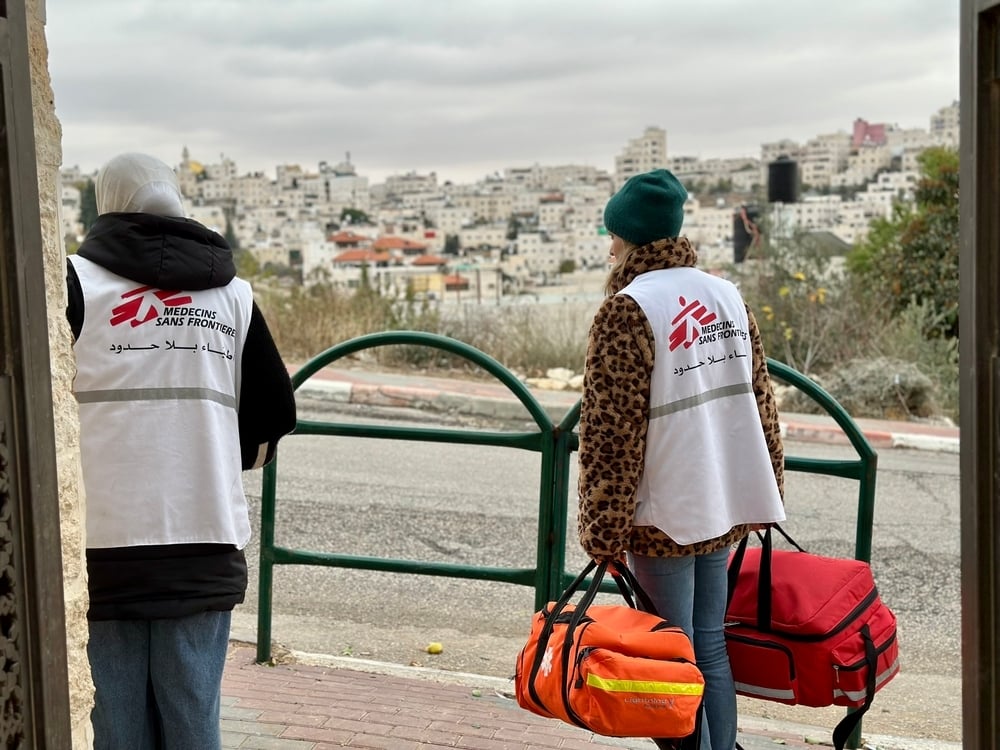
Home to approximately 7,000 Palestinians and several hundred Israeli settlers, the H2 neighbourhood of Hebron is ruled by strict movement regulations, systemic closures, and continuous violence.
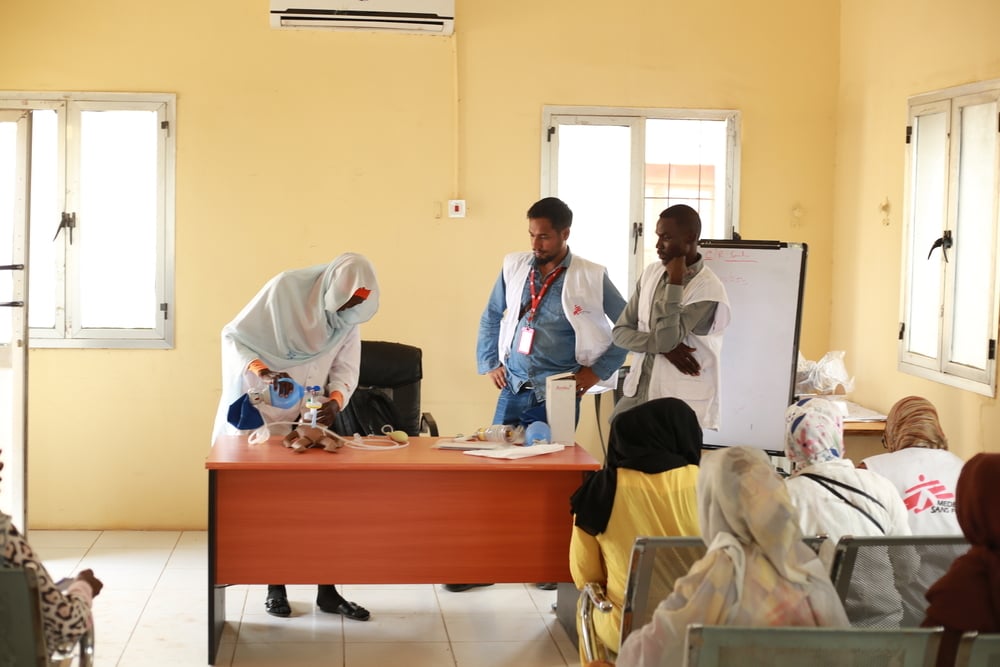
Dr Ahmed Seedat has been working in Nyala, the second-largest city in Sudan, as Medical Activity Manager. He shares what he experienced on assignment - the resilience of patients caught in conflict and the immense dedication of his colleagues.
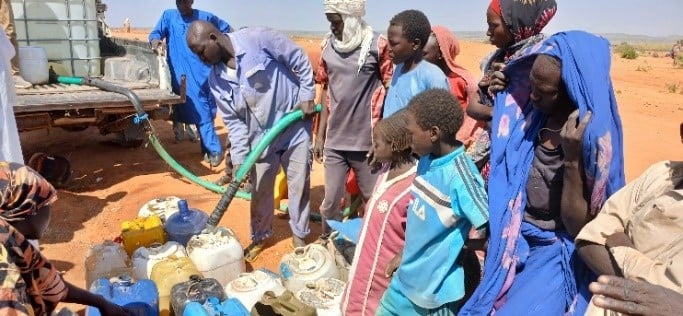
Roland Couprie, worked with Médecins Sans Frontières (MSF) in Chad as a water, sanitation, and hygiene team leader. During his assignment, Roland implemented water supply solutions in refugee camps to help those fleeing the ongoing violence in Sudan.

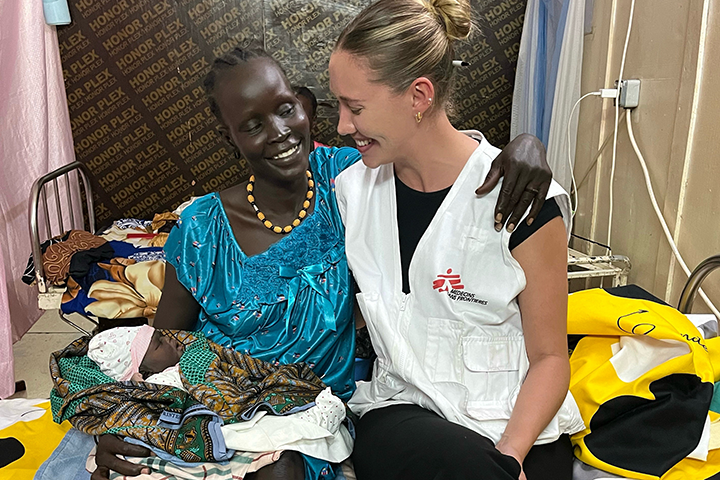
Every year Médecins Sans Frontières (MSF) recruits over 4,000 internationally mobile staff globally. These medical and non-medical professionals join our locally hired teams to provide lifesaving medical assistance to those who need it the most. It’s a rewarding and challenging opportunity for professionals eager to work towards making healthcare accessible to all.
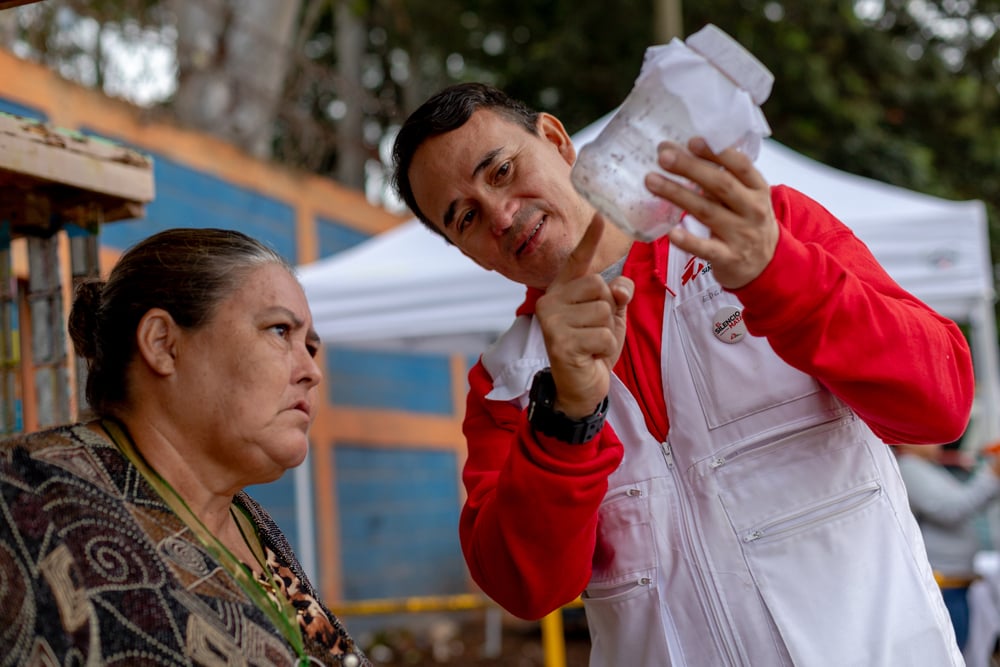
The team at the MSF Arbovirus Prevention Project released over eight million mosquitos deliberately infected with the bacteria in El Manchén in 2023. Their hope was that the mosquitos would thrive, reproducing and passing Wolbachia down through the generations, radically reducing the rate of dengue in the area.
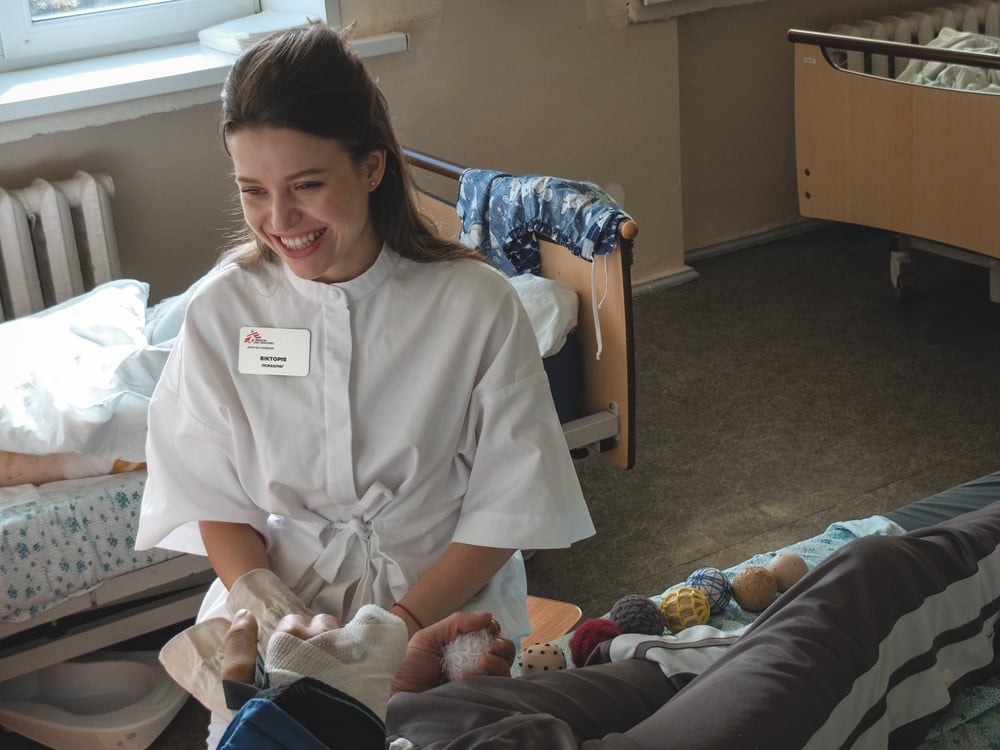
Médecins Sans Frontières (MSF) launched an early rehabilitation project at Cherkasy hospital, in central Ukraine, in March 2023. The project integrates physiotherapy, psychological support and nursing care to address the complex needs of war-wounded patients early recovery process.
The team at the MSF Arbovirus Prevention Project released over eight million mosquitos deliberately infected with the bacteria in El Manchén in 2023. Their hope was that the mosquitos would thrive, reproducing and passing Wolbachia down through the generations, radically reducing the rate of dengue in the area.