Why are we there?
- Armed conflict
- Access to healthcare
Latest links
- Photostory: International Women's Day
- Mauritania: Quadruplets in the desert
- Mauritania: Malian refugees stranded in desert
Our work
This is an extract from our latest Activity Report, looking back on our work in the previous year.
2012
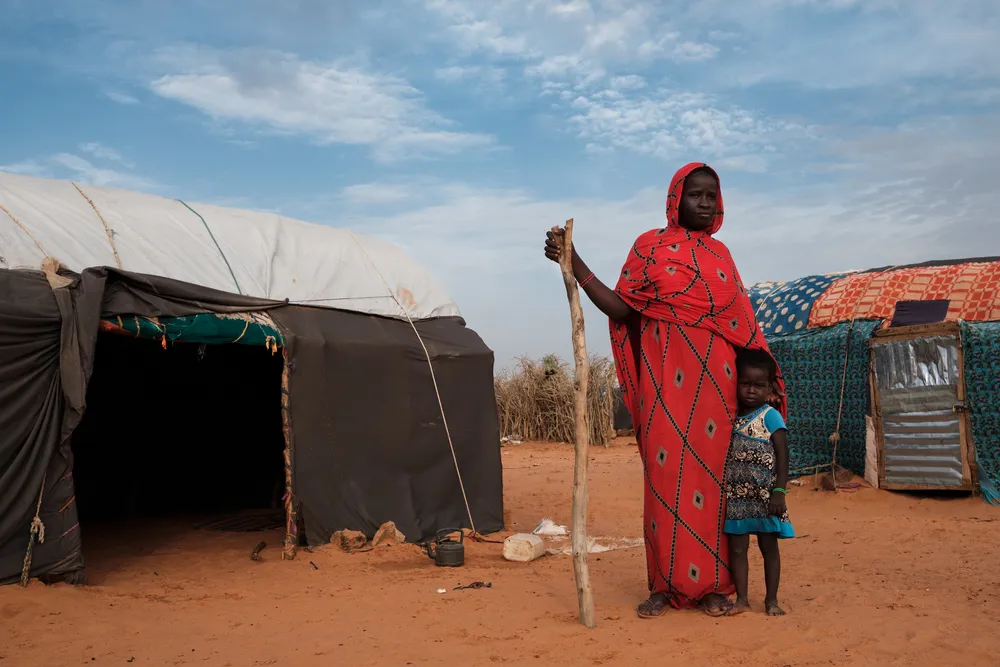
Tens of thousands of refugees arrived in Mauritania’s Mbera camp in 2012, escaping conflict in northern Mali.
Refugees must all enter through the village of Fassala, where they are registered before being transferred to Mbera, in the region of Hodh el Charghi. Conditions in the camp are poor and the assistance provided has not met people’s basic needs consistently.
- Read the report: Stranded in the desert
Assisting refugees
In late February, soon after the first refugees began to arrive, Médecins Sans Frontières/Doctors Without Borders (MSF) set up medical and nutritional activities in the area of Bassikounou.
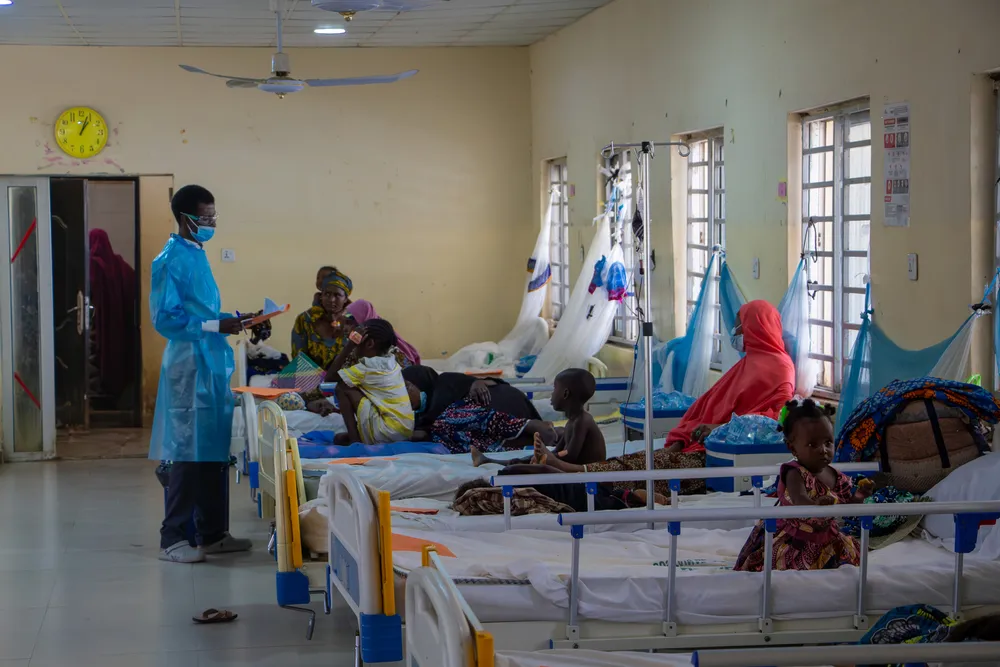
A team provided free basic and specialist healthcare, including antenatal care, for refugees and the local community. Medical teams ran two health posts in Mbera camp and supported two health centres: one in Mbera village and one at the border post of Fassala.
Measles and malnutrition
In November, an MSF nutritional and retrospective mortality survey in Mbera camp showed that nearly 17 percent of children were malnourished, and 4.6 per cent were suffering from the most severe form of malnutrition.
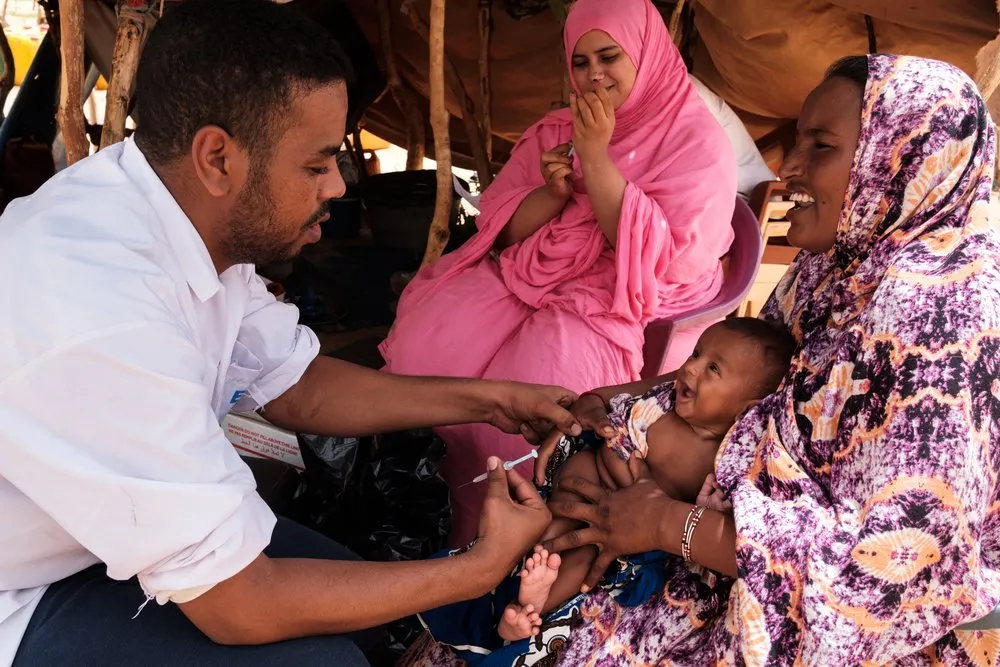
In the confines of the camp, an outbreak of measles among children suffering from malnutrition could be devastating, so protecting them against the disease is a priority. MSF therefore carried out a vaccination campaign, reaching thousands of children.
Over the year, staff carried out more than 60,000 consultations, assisted 200 births and treated some 3,880 severely malnourished children.
Nutrition programmes
A particularly severe nutritional crisis was expected in the south of the country in 2012, and in April MSF teams began supporting both outpatient and inpatient feeding programmes in Boghé and Magtaa Lahjar districts of Brakna region, and in Assaba region.
Needs in Brakna and Assaba turned out to be less extreme than anticipated, and staff were able to close programmes in the two regions in September and December, respectively.
At the end of 2012, MSF had 198 staff in Mauritania. MSF has worked in the country since 1994.
Patient story
Mariama,* 40 years old, from Timbuktu
“I left with my daughter, who was nine months pregnant. We were too afraid of planes, which were frightening everyone, even the animals. We could no longer control our animals fleeing in all directions. We were terrified.
We were crammed into cars. We took nothing with us. We left our house doors open, we left our animals. We did not even take clothes or food. We did not want to have these machines over our heads and so we went away. We could not go back home to our business, we were so afraid.
It took us two days to get to Fassala. We were tired, but still alive, and safe – that was the most important thing. Now we have to adapt to life in Mbera. It is going to be very hard. My daughter gave birth here and we had nothing for the baby. He’s still suffering from malnutrition and has been admitted to the MSF programme.
The food here is not the same as what we normally eat. We are nomads; we need meat and curdled milk, but here they give us rice and oil. I was poor in Mali, but here it’s even worse. I’ve got absolutely nothing. I feel completely foreign. I want northern Mali to return to peace so that I can finally go back.”
* The person’s name has been changed.
Mauritania is largely a desert country in West Africa’s Sahel region. It is a bridge between North Africa’s Arab Maghreb and the western sub-Sahara. It’s also one of Africa’s newest oil producers.
Médecins Sans Frontières first began working in Mauritania in 1994. Today, all of MSF’s work is carried out in the south-east of the country along Mauritania’s border with Mali.
Place of Refuge from the Mali conflict
Following the 2012 conflict in Mali, thousands of people fled into Mauritania in search of safety. MSF provides essential healthcare and mental health support to Malian refugees and vulnerable host communities in Mauritania. Thousands of Malians are still living in Mbera camp in southeast Mauritania, following the conflict in 2013 which forced them to flee across the border.
Despite the peace agreement of 2015, many refugees have decided to remain in the camp, as the security situation in northern Mali remained unstable. We provide basic and emergency healthcare, as well as gynaecological and obstetric services, for the refugees in the camp and the host communities in nearby Bassikounou and Fassala. MSF also offers mental health support to refugees in the camp.