
There are at least 82.4 million people who have been forcibly displaced around the world, according to UNHCR. There are many reasons for flight: persecution, poverty, war, natural disasters, and repression.
Since its foundation in 1971, Médecins Sans Frontières/Doctors Without Borders (MSF) has been assisting people who have been forced to flee at many points of their journey. We’ve been providing refugees, internally displaced people (IDPs), asylum-seekers and undocumented migrants with lifesaving medical care and essential services. This includes vaccinations, surgery, trauma care and psychological support, as well as shelter, water, sanitation and basic relief items.
Our teams conduct rapid needs assessments, establish public health programme priorities, organise and manage health facilities and essential medical supplies, train local workers and coordinate with a complex array of relief organisations and with the affected communities.

MSF and search and rescue
Every year, thousands of people fleeing war, persecution and poverty at home attempt the treacherous journey across the Mediterranean sea. MSF teams have worked in search and rescue on a number of boats since 2015, rescuing thousands of people from drowning and providing medical care to the people we have rescued. Since the beginning of 2021, more than 1,500 people have been reported dead or missing on the world’s deadliest sea. To help save the lives of people trying to cross the central Mediterranean Sea, MSF has chartered its own vessel, the Geo Barents, to conduct search and rescue missions.
What health needs do displaced people face?
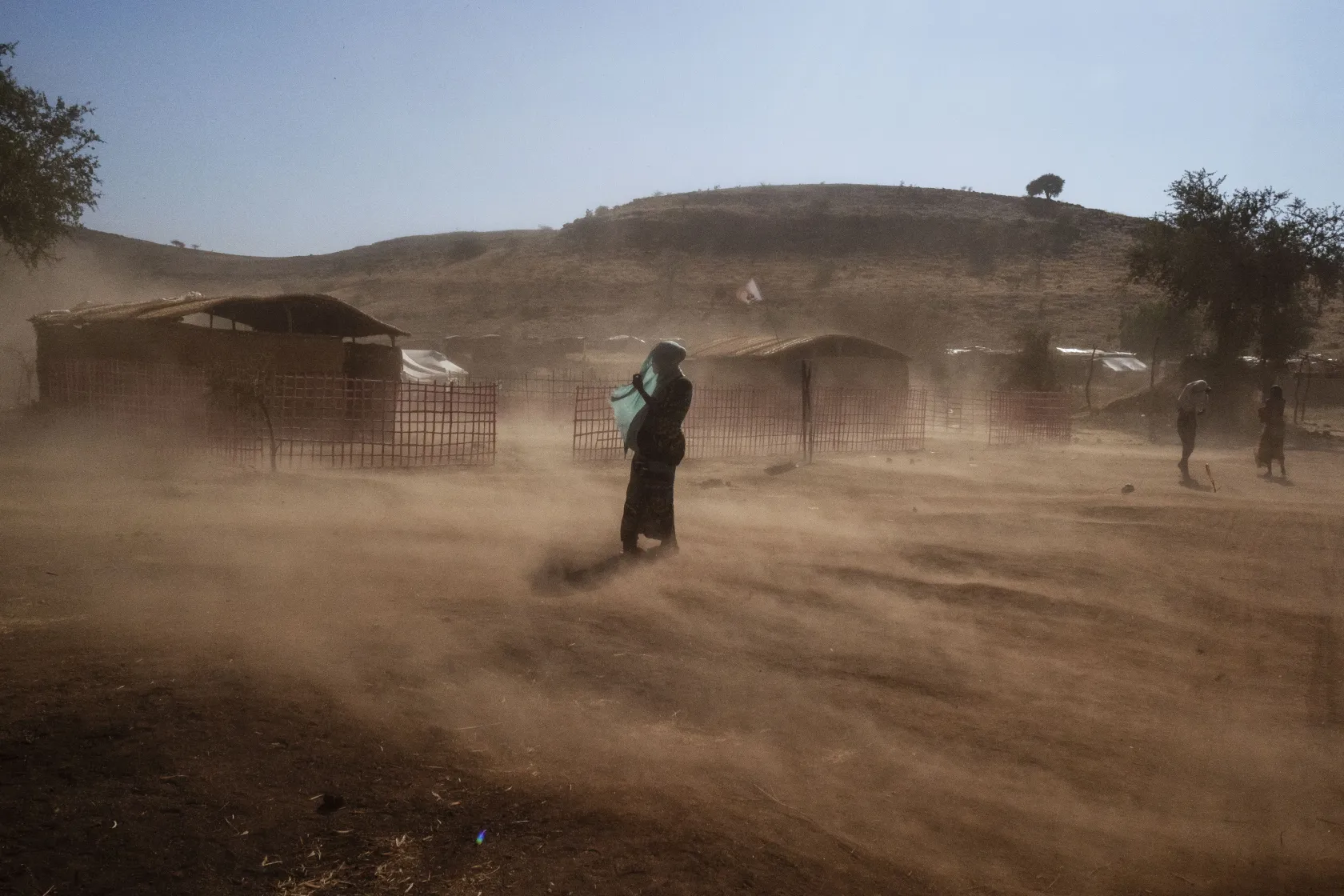
People who have been forced to flee can end up living temporarily or semi-permanently in a wide range of circumstances. They may be taken in to people’s homes, gather in a public building or be hiding in the bush; they may be absorbed into in an existing IDP or refugee camp, or informal housing on the outskirts of a city—or detained. The conditions may be crowded or unsanitary, and there may be insufficient food and drinking water. Unsurprisingly people’s health and wellbeing can suffer severely, all the more so if healthcare is out of reach. In hospitals, health centres and mobile clinics MSF can provide care at different levels to reduce people’s suffering and save lives.
Pregnant women, young children, people with chronic diseases and the elderly all need particular attention to avoid facing health complications. For example, many women and girls on the move will be of reproductive age: between 15 and 45 years old. MSF can help ensure they have access to contraception, or a safe place to deliver their baby, and provide support in the wake of sexual violence, or for mothers to care for their own children.
In camp situations, MSF teams see many patients with skin, parasitic and respiratory infections, especially children under five, who are also most at risk of infectious diseases such as measles, diarrhea, malaria and malnutrition. We may need to quickly establish a vaccination or preventive treatment campaign or dedicated treatment centres to address specific needs.
It is impossible for people to stay healthy without clean water and good quality sanitation, so these too are priority areas for MSF. Our WATSAN—water and sanitation—teams may focus on improving the water supply, sewage disposal, hospital waste management , equipment in our health facilities and/or infection control.
People forced to flee, especially due to armed conflict, may also be carrying serious wounds and physical and mental trauma. MSF has the expertise to provide surgery, post-operative care and rehabilitation, and psychosocial support to help people find coping mechanisms despite the uncertainty of their future.
Where is MSF responding?

