Acknowledgement of Country

We acknowledge the Traditional Custodians of the land upon which we create and meet, the Gadigal of the Eora Nation. We pay our respect to their Elders past and present, and extend that respect to all Aboriginal and Torres Strait Islander peoples today.

Always was, always will be, Aboriginal land.

Making urgent preparations for malaria peak in Mali

Malaria continues to be a life-threatening and deadly disease for many people around the world, but especially on the African continent. The Douentza region is one of the areas most affected by malaria in Mali, and the seasonal peak each year places great stress on people’s health and the healthcare system that needs to respond to a typically significant rise in needs.

Dr Moise Kitété Wagunia is leading MSF’s medical team in Douentza health district as it scales up capacity alongside the Ministry of Health in August to face the anticipated increase in people needing treatment for malaria in the months to come.
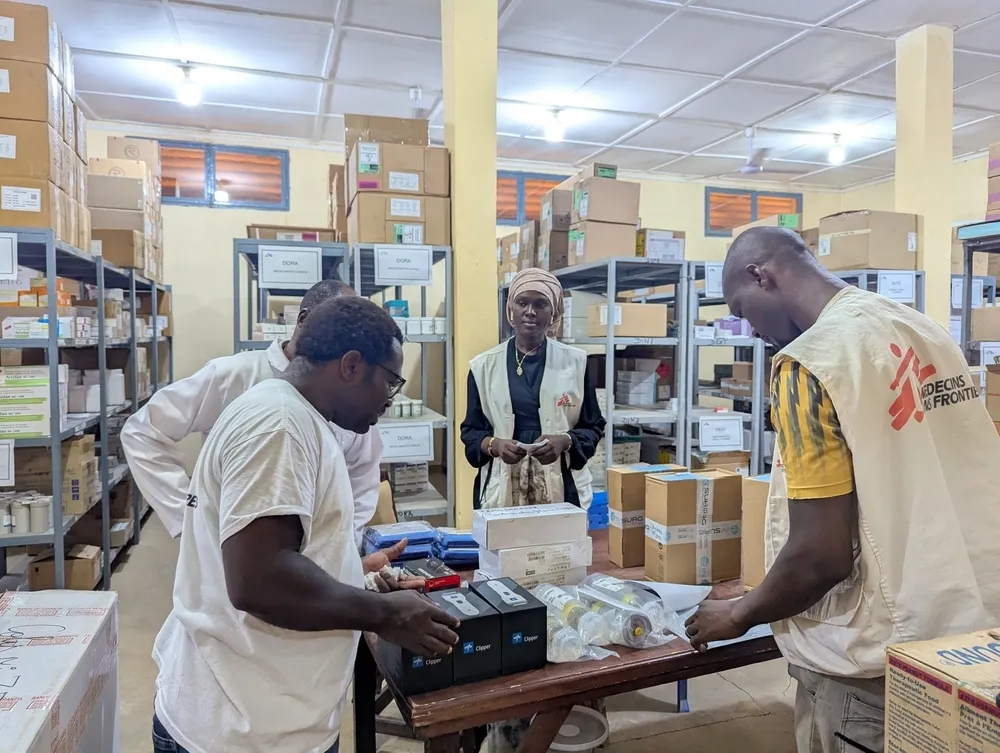
Moise Kitété, on the left, head of MSF’s medical operations, oversees the pharmacy at the MSF-supported project in Douentza

Dr Moise Kitété Wagunia, on the left, oversees pharmacy operations at the MSF-supported project in Douentza. The team has taken precautions to ensure a good level of medical supplies and other items for the management of malaria, to prevent stock-outs during the peak period this year. © Lamine Keita/MSF
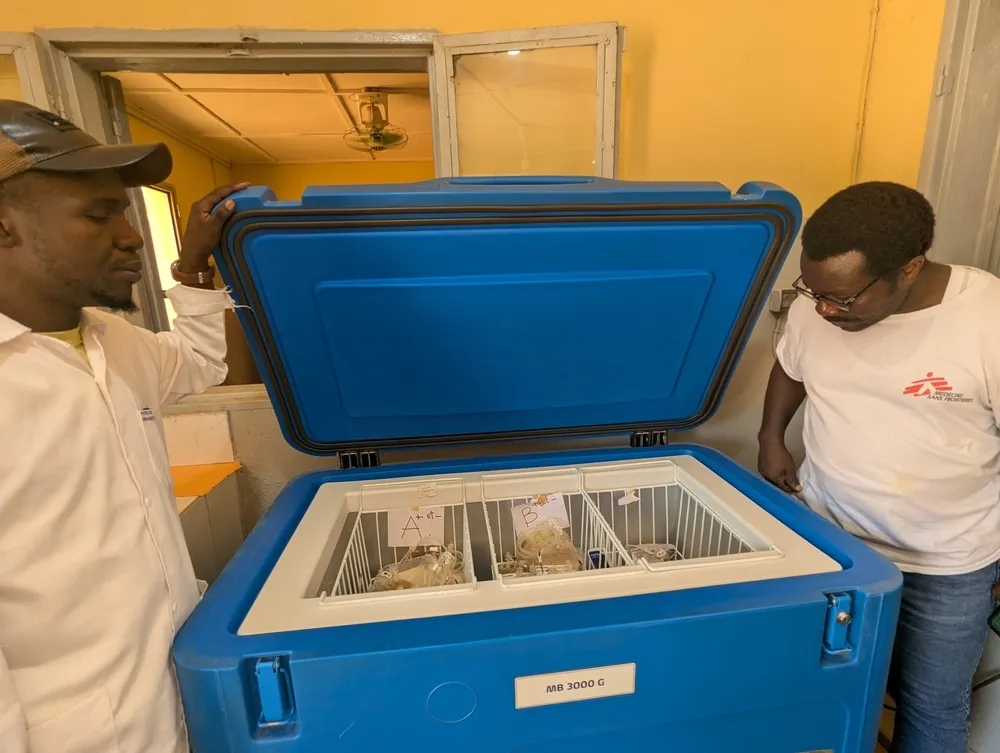
Moise Kitété and Maiga are inspecting the blood bank at the Douentza laboratory
Dr Moise Kitété Wagunia, MSF medical coordinator, and hospital colleague Maiga inspect the blood bank at the Douentza laboratory. Supported by MSF, the blood bank has a storage capacity of 100 bags. Blood is a critical medical supply for treating life-threatening anaemia in patients whose red blood cells have been destroyed by the malaria parasite, particularly children and pregnant women. © Lamine Keita/MSF
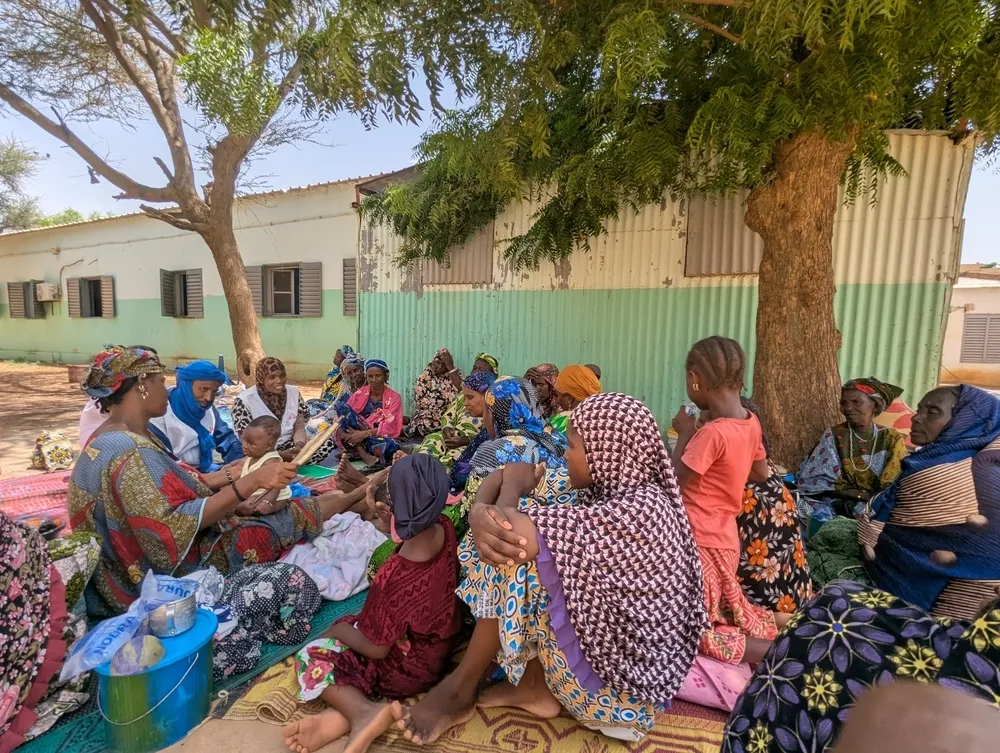
In the courtyard of Douentza Hospital, an MSF health promotion team is holding an educational talk with carers
An MSF health promotion team holds an educational talk with carers in the Douentza hospital courtyard, focusing in particular on malaria prevention measures. The most basic prevention is to avoid bites, including through use of long-lasting insecticidal nets when sleeping. The team also promotes seeking healthcare early for any signs of illness. © Lamine Keita/MSF
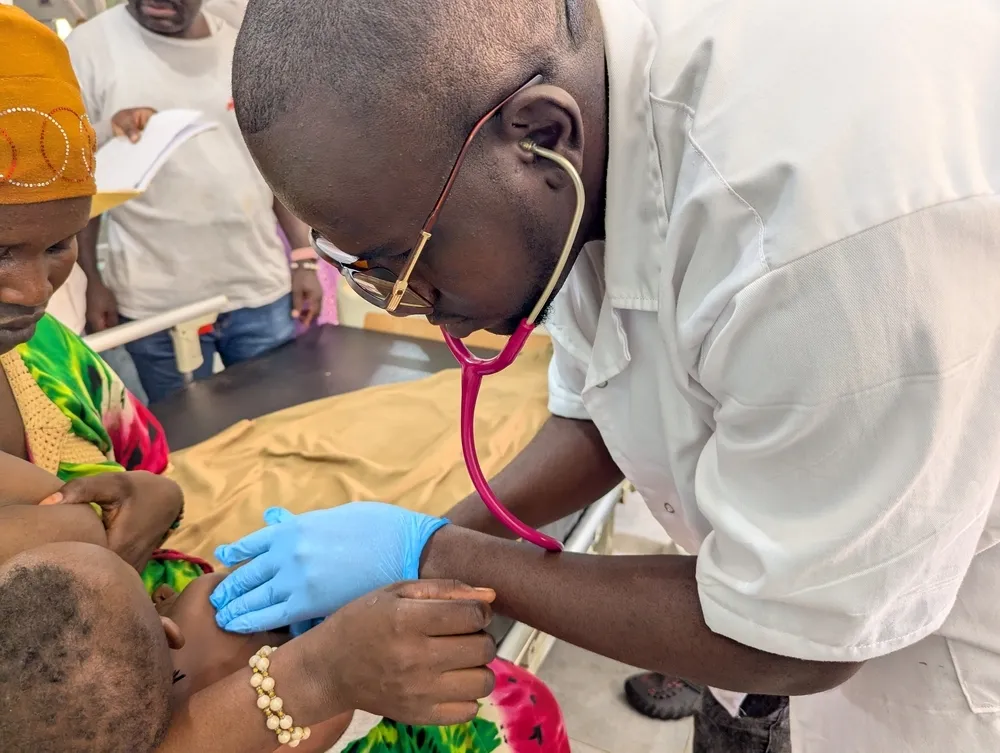
a doctor from the Ministry of Health examines a child sitting on his mother’s lap
In the presence of the MSF team, a doctor from the Ministry of Health examines a child sitting on his mother’s lap in the new paediatric ward built by MSF in 2025 to improve access to care, and the quality of care provided. Children under five years of age are particularly susceptible to malaria and require early detection and prompt treatment to avoid severe illness, complications, and possible death. © Lamine Keita/MSF
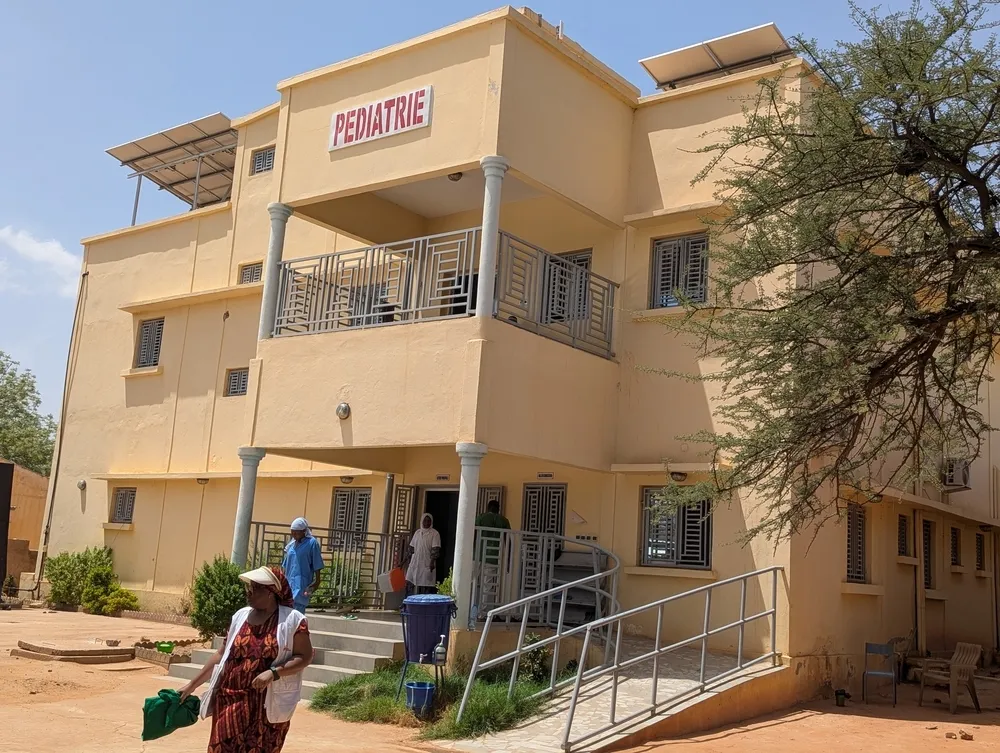
An exterior view of the new paediatric ward in Douentza, built and supported by MSF
An exterior view of the new paediatric ward in Douentza, built and supported by MSF. In preparation for the malaria peak, the paediatric ward is expanding from 10 to 35 beds, with admissions expected to rise to up to 60 patients a day, compared with 15 during quiet periods. MSF’s project has recruited additional doctors, nurses, hygienists and care assistants, and also organised training courses, to strengthen the capacity to provide care. © Lamine Keita/MSF
A patient is discharged from the MSF-supported Douentza hospital
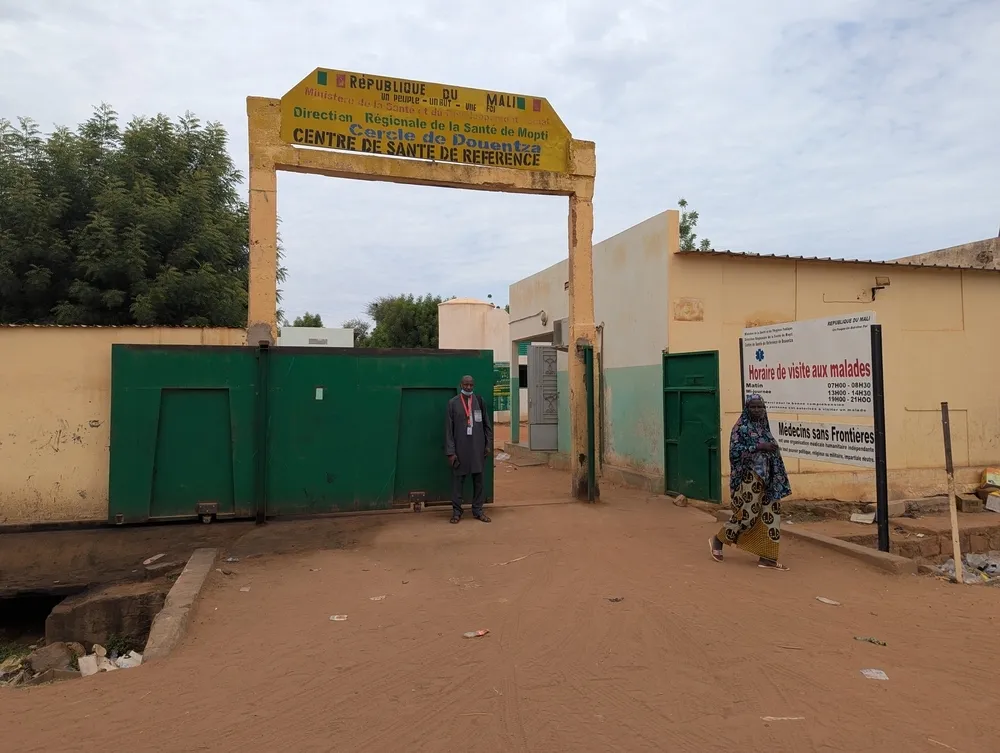
A patient is discharged from the MSF-supported Douentza hospital. MSF has been working in the Douentza region in central Mali since 2017, providing care for children under the age of 15, pregnant women and victims of violence, including displaced people, refugees and those injured due to armed conflict. MSF teams are working at Douentza Hospital as well as in the health zones on the outskirts of Boni, Mondoro, Tiguila and Hombori, and at the community health centre in the town of Douentza. © Lamine Keita/MSF

Join our team!

Our teams of medical and non-medical professionals provide healthcare to millions of people caught in crises in more than 70 countries around the world. Learn more about working with MSF and how to apply today.
LEARN MORE