
Why are we there?
- Endemic/epidemic disease
- Social violence
- Healthcare exclusion
Latest links
- Zimbabwe: Home care gives hope of survival for DR-TB patients
- Zimbabwe: First patient cured of multidrug-resistant tuberculosis
Our work
This is an extract from our latest Activity Report, looking back on our work in the previous year.
2012
The health system in Zimbabwe continues to struggle with the dual epidemic of HIV and tuberculosis (TB). Babies, children and young adults often do not have access to adequate care.
At several locations, Médecins Sans Frontières/Doctors Without Borders (MSF) provides comprehensive HIV and TB care.
The package of services includes rapid testing, treatment, counselling, prevention of mother-to-child transmission (PMTCT) and medical and psychological support for victims of sexual violence. In 2012, programmes were further decentralised and integrated into Ministry of Health facilities to improve patients’ access to services.
Rural health facilities
In Tsholotsho, MSF staff work in the hospital and 14 rural health facilities, with a special focus on PMTCT, adolescents and children. As 40 percent of patients came from neighbouring Umguza district, the team trained nurses in Umguza to initiate antiretroviral (ARV) treatment.
A family support clinic was also opened at Tsholotsho district hospital, where MSF provided medical and psychological support to 100 victims of sexual violence.
A new programme was launched in January in the district of Gokwe North. Staff in the district’s two rural hospitals and 16 health centres tested 13,900 people for HIV and registered 2,200 patients for care. A total of 325 people began treatment for TB. Here too, the teams provide care and treatment for victims of sexual violence.
In Beitbridge, on the border with South Africa, MSF supported the Ministry of Health to ensure effective HIV and TB prevention, treatment and care. Staff worked in six rural health facilities to increase access to services.
MSF also supported the district hospital’s outpatient service to integrate the treatment of opportunistic infections. Since the project opened, more than 6,100 patients have started HIV treatment, a third of the number estimated to be in need of it.

A nurse takes a blood sample from a patient in Murambinda, Buhera. © Kenneth M Tong
Focus on TB
A specific focus in Epworth, a southeastern suburb of Harare, has been on TB diagnosis and care. A new testing machine has enabled staff to obtain more reliable results, more quickly: the machine gives results – including for resistance to the drug rifampicin – in less than two hours.
A total of 2,798 samples were tested in 2012. Of these samples, traditional microscopy had identified 15 per cent of results as positive, whereas the machine found 22 percent, thus indicating significantly improved diagnosis.
Additionally, nine new patients were enrolled in the multidrug-resistant TB (MDR-TB) programme. Treatment for MDR-TB takes up to two years and can cause severe side effects. At the end of the year, forty more patients were under MDR-TB treatment in MSF programmes in the country.
Mentorship and handovers
In the district of Buhera, teams mentored Ministry of Health staff in 26 clinics in preparation for the handover of services, as 100 percent coverage of people in need of ARV treatment had been reached. A new TB testing machine was added to the lab, and approximately 320 tests were carried out per month.
Teams in Gutu and Chikomba districts continued to train and mentor staff in 23 clinics and provide technical support, preparing for a rapid scale-up of HIV treatment.
A new TB testing machine was also installed in Gutu Mission hospital. The last remaining patients in the HIV and TB programme in Gweru were successfully transferred to the Ministry of Health at the end of April.

A nurse manages patients’ referrals to MSF’s mobile team in the Murambinda area, Buhera. © Kenneth M Tong
Treating young victims of sexual violence
In Mbare, Harare, a programme for victims of sexual violence offers free medical care, counselling and referrals for psychological, psychosocial and legal support. Working in close collaboration with local partners, MSF teams cared for 900 new and 925 follow-up patients. More than half of them were under 16-years-of-age.
Psychiatric care in prisons
An assessment at Harare maximum security prison indicated that many inmates were suffering from undiagnosed and untreated mental illness. MSF opened a new programme in May to fill gaps in psychiatric care, providing patients from Harare and eight other prisons with psychiatric services, psychological consultations and occupational therapy.
Typhoid emergency
Between October 2011 and April 2012 and then from November 2012, MSF assisted Harare city authorities in responding to peaks in a typhoid outbreak. Typhoid fever is a bacterial disease spread through contaminated food and water, with symptoms appearing only one to three weeks after exposure.
Patients are treated with antibiotics, although some people remain carriers of the disease even after they have recovered themselves. As well as offering treatment and care, MSF assisted in the provision of safe water, the improvement of sanitation and disease prevention activities.
At the end of 2012, MSF had 680 staff in Zimbabwe. MSF first began working in the country in 2000.
Patient story
Sikhethklle received PMTCT treatment in Tsholotsho
“Thanks to the prevention programme, my daughter was born HIV-free. I was so surprised that I called her Surprise. A nurse gave me the medicine I had to take before, during and after giving birth, and she told me what I had to do on the day of delivery.
I did everything as the nurse told me, and when I went into labour, I took the two pills that I had been given at the hospital. I remember that day very well!
I am so happy to see her; especially after all the time I suffered while I was sick. At that time I never imagined I could have a baby, but thanks to the prevention programme I managed to have my daughter free of HIV. Soon she will be a year old, and she has already begun to take her first steps.”
OUR COVID-19 RESPONSE IN ZIMBABWE
We are supporting case management of COVID-19 cases who are in isolation in Harare and upgrading facility capacity to 164 beds, while WASH team provides additional support in communities.
Can you make a donation to support our COVID-19 response?
Right now, Médecins Sans Frontières is providing much needed support and medical care in over 30 countries to counter the COVID-19 pandemic.
Our teams are also gearing up to confront potential outbreaks in the hundreds of areas we were already working before the pandemic struck. We are deploying medical staff, sending supplies and applying nearly 50 years of experience fighting epidemics to protect the most vulnerable and save lives.
Can you help increase our capacity to respond by making a donation to our COVID-19 Crisis Appeal?
Zimbabwe's economy has been in decline since the 1990s, with very few funds available for any public expenditure and social services. Poverty and unemployment are endemic and political strife is commonplace.
The country’s health sector faces numerous challenges, including shortages of medical commodities and essential medicines. MSF runs water, sanitation and hygiene projects, provides cervical cancer screening and treatment, offers care for victims of sexual violence, and responds to emergencies.
Médecins Sans Frontières has worked in Zimbabwe since 2000.
Healthcare in Zimbabwe
MSF currently runs projects in partnership with the Ministry of Health and Child Care to provide wide-ranging care for HIV/AIDS, tuberculosis (TB), and mental health issues, as well as for non-communicable diseases (NCDs).
Although the HIV prevalence rate has decreased by almost half, there are still major gaps in vital treatments and services available to patients, such as the availability of routine viral load monitoring and second-line antiretroviral (ARV) treatment.

MSF has supported the scale-up of viral load testing in 40 health facilities and the management of patients whose antiretroviral therapy had failed. Staff also assisted with the treatment of non-communicable diseases such as asthma, hypertension and diabetes, and piloted the integration of treatment for HIV-positive patients living with NCDs.
After 11 years of offering treatment, care and support to more than a quarter of a million HIV patients, and thousands of TB patients, MSF handed over the Epworth HIV/TB project to the health ministry at the end of 2017.
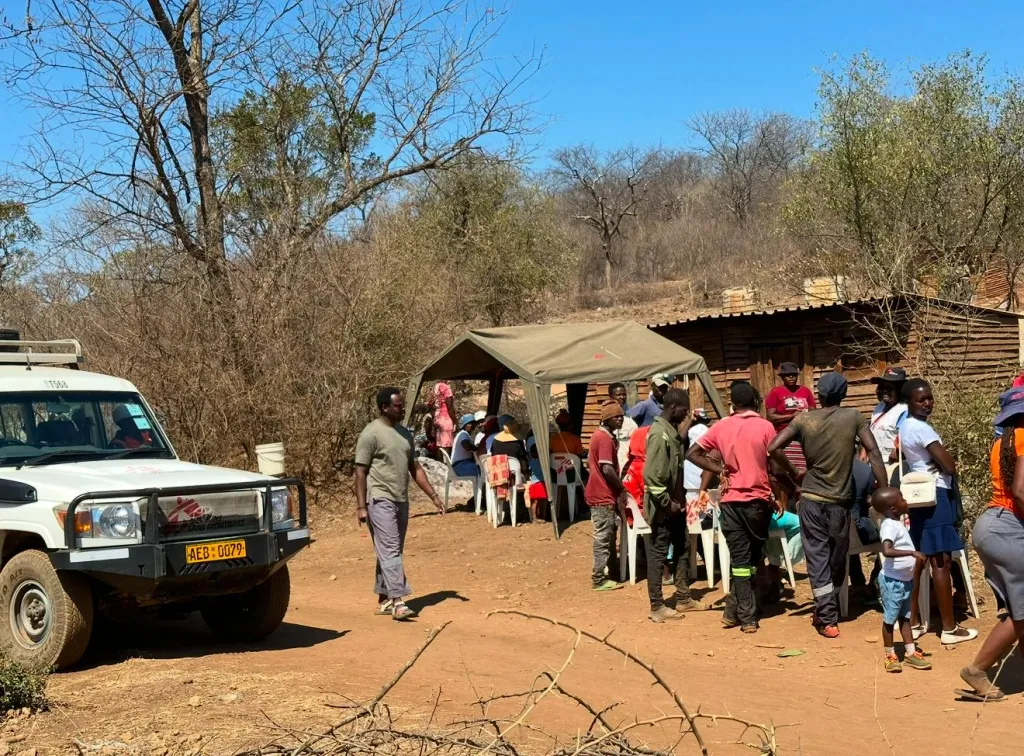
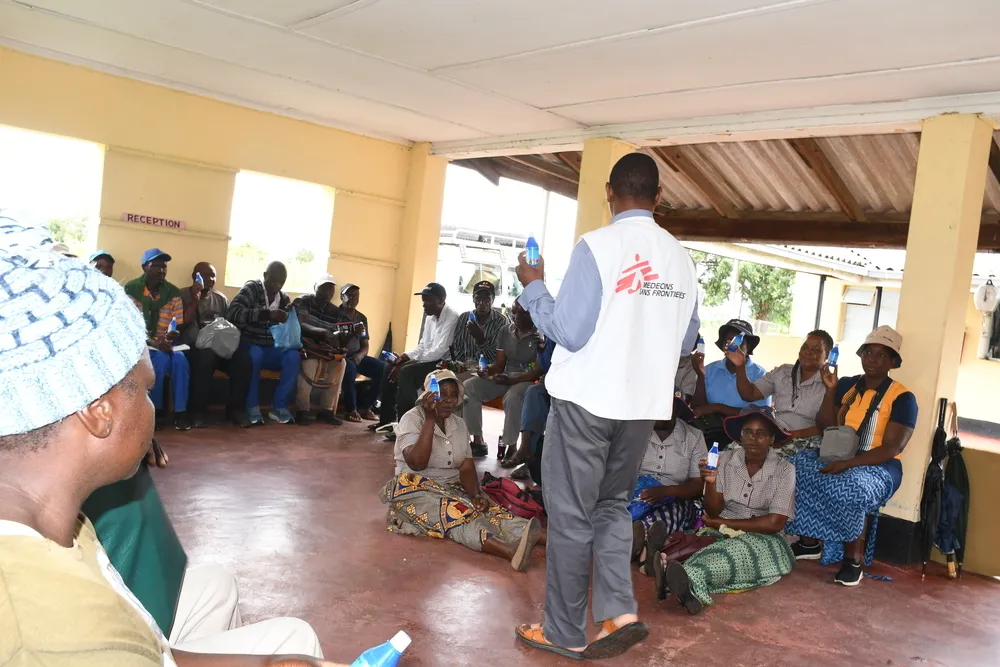
MSF continues to run HIV outreach programs using patient-friendly, empowering models of care for hard-to-reach communities whose nearest health facilities can be up to 180 kilometres away.
MSF teams run water, sanitation and hygiene projects, improving the provision of clean water to vulnerable communities by rehabilitating and upgrading boreholes and drilling new ones, and carrying out mass vaccination campaigns against cholera and other infectious diseases.