Kiribati
The tiny remote island nation of Kiribati has some of the highest burdens of disease in the Pacific region and lowest access to universal health coverage.
The climate crisis is a health crisis and is compounding Kiribati’s complex health challenges.
The tiny remote island nation of Kiribati has some of the highest burdens of disease in the Pacific region and lowest access to universal health coverage. Its health burden profile is complex: non-communicable diseases (NCDs) such as diabetes and hypertension are common; it has a high prevalence of infectious diseases like tuberculosis and leprosy; the country is prone to outbreaks of dengue, diarrhoea and scabies and has the highest rates of neonatal mortality and under-five mortality in the Pacific.
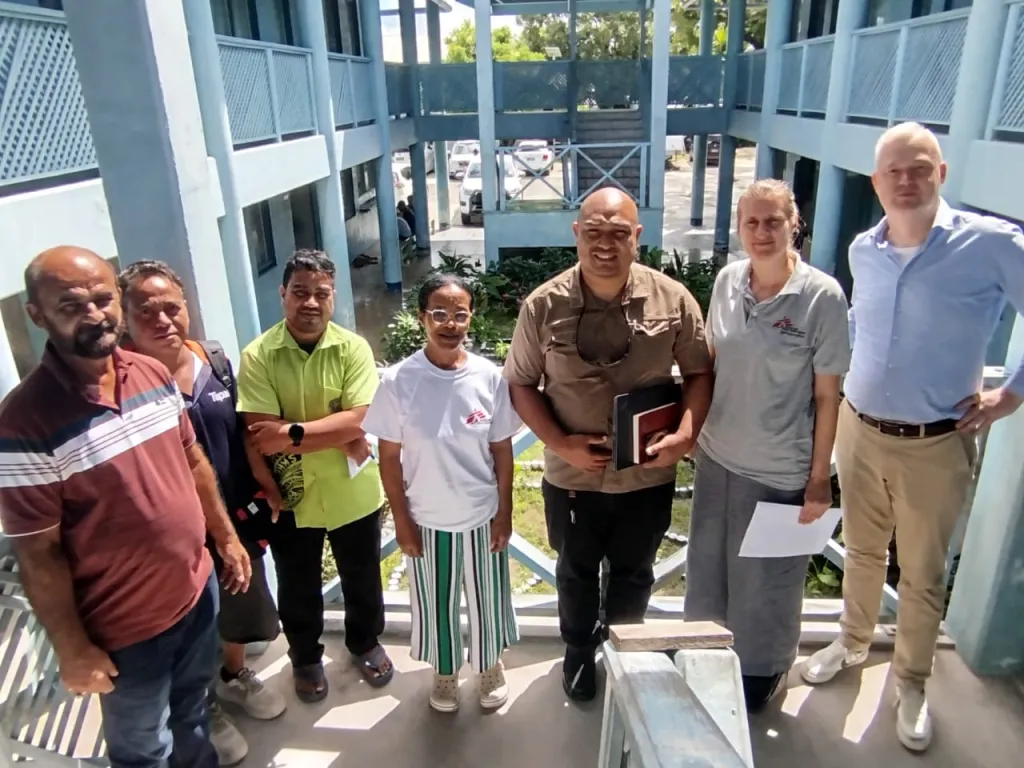
Since October 2022, an MSF team has been working in partnership with Ministry of Health and Medical Services (MHMS) colleagues to improve health outcomes for maternal and paediatric patients.
The Situation in Kiribati
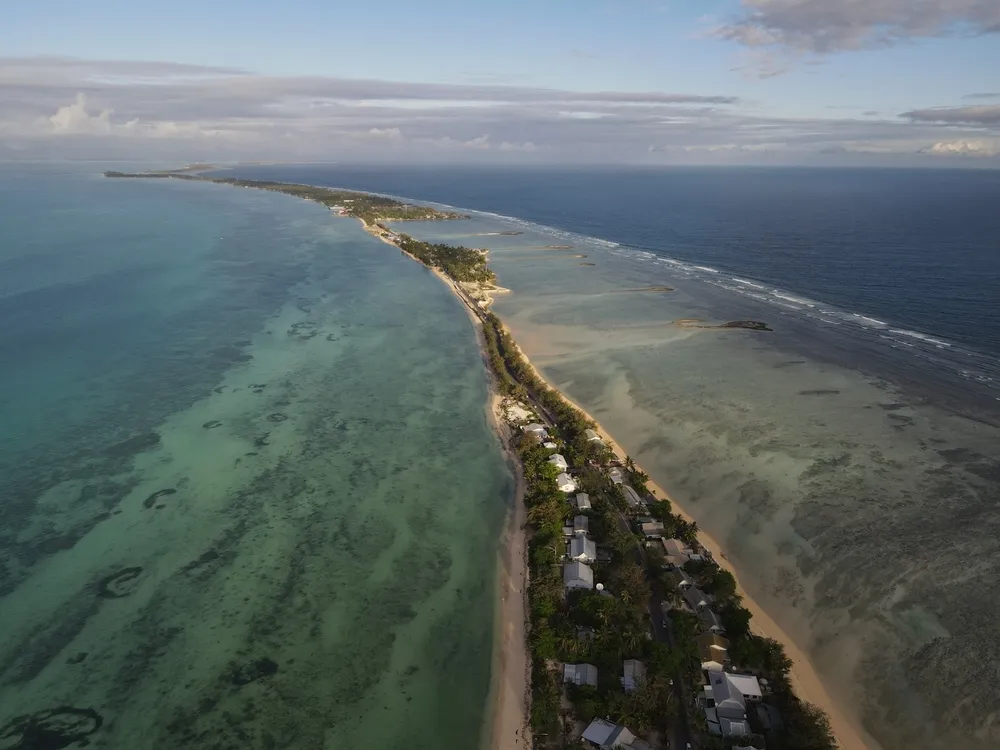
Kiribati is a low-lying, resource-poor Pacific atoll nation. Its 33 islands are dispersed over 3.5 million square kilometres of ocean. It is one of the most vulnerable countries in the world to the impacts of the climate crisis.
Kiribati is experiencing air and sea temperature rises, storm surges and high winds, erosion, drought, and flooding. This poses direct and indirect threats to human health, including injury, disease outbreaks, increasing incidence of non-communicable diseases, water insecurity and malnutrition. Kiribati’s size and its remoteness impact its ability to provide comprehensive health care.
It is very clear that climate change is a compounding factor that increases the burden of disease in Kiribati. This means that we need to act now in trying to assist the Ministry of Health and Medical Services to reduce the burden of disease, which is likely to go up because of the climate crisis.
Some of its biggest challenges are a chronic shortage of experienced health staff and lack of access to essential medical supplies. The COVID-19 pandemic disrupted supply chains, further reducing the country’s ability to secure reliable, timely access to drugs and medical equipment.
What is MSF doing
Maternal and neonatal care
An MSF team which includes a paediatrician, midwife, obstetrician and paediatric nurse are working to support Ministry of Health and Medical Services staff, in the country’s main hospital on South Tarawa. MSF teams work across the paediatric and obstetrics wards to improve health outcomes for pregnant women and their babies. Kiribati has high levels of maternal and neonatal mortality with a reported stillbirth rate of two per cent.
High-risk pregnant women living on the outer islands have limited access to secondary medical care and are referred to the capital Tarawa for specialist care until they deliver.
Outer-islands support
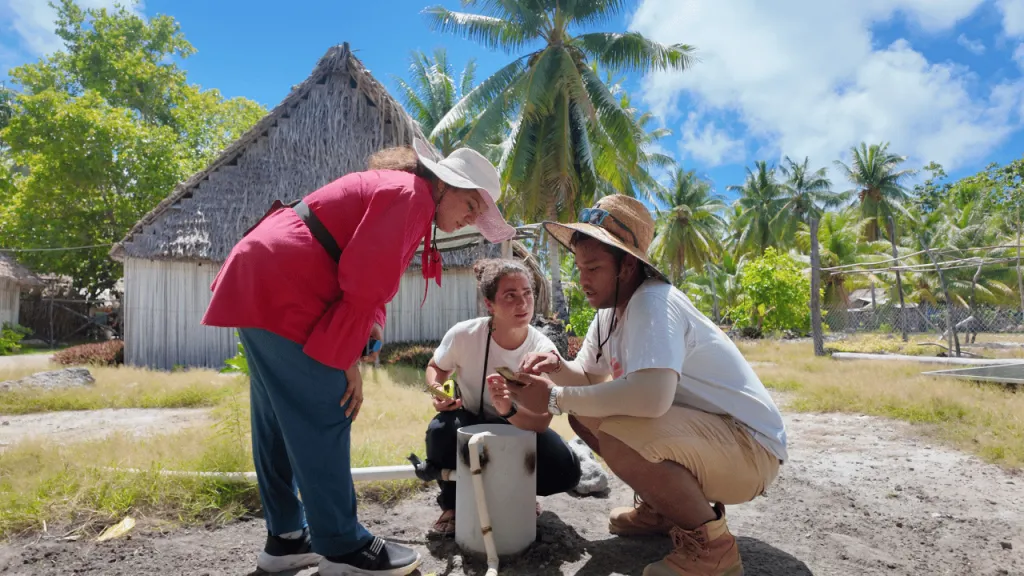
During 2023 an MSF team has been travelling to eight outer islands (The Southern Gilbert Islands) to support with the detection and management of non-communicable diseases related to maternal health. Other activities focus on working to improve newborn care in the first 24 hours of life, through training local staff in the Helping Babies Breath (HBB) program.
MSF is also helping with a hospital infrastructure upgrade for SKH hospital on the Southern Gilbert Island of North Tabiteuea; refurbishing the maternity and sterilisation rooms and working to improve the waste management system for the hospital.