Acknowledgement of Country

We acknowledge the Traditional Custodians of the land upon which we create and meet, the Gadigal of the Eora Nation. We pay our respect to their Elders past and present, and extend that respect to all Aboriginal and Torres Strait Islander peoples today.

Always was, always will be, Aboriginal land.

Stories & News

msb110411_medium.jpg

South Sudan: Malaria prevention is key

Malaria continues to be a major health problem in South Sudan, with the ongoing humanitarian crisis impacting the severity of the outbreaks. With those under five years of age most at risk, Médecins Sans Frontières (MSF) has launched a…
msb110865_medium.jpg

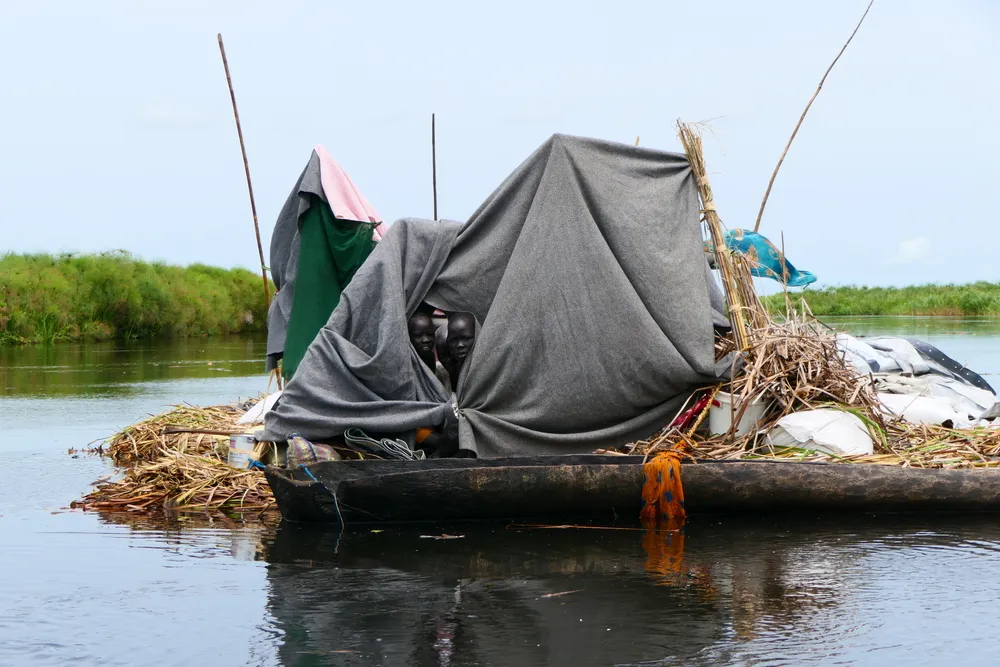
South Sudan: Severe flooding leaves nearly 800,000 struggling

Some of the worst floods to hit South Sudan in decades have affected more than 780,000 people in the region. People’s homes and livelihoods—crops and cattle—as well as health facilities, schools, and markets, are submerged by floodwaters.…
msb110530_medium.jpg

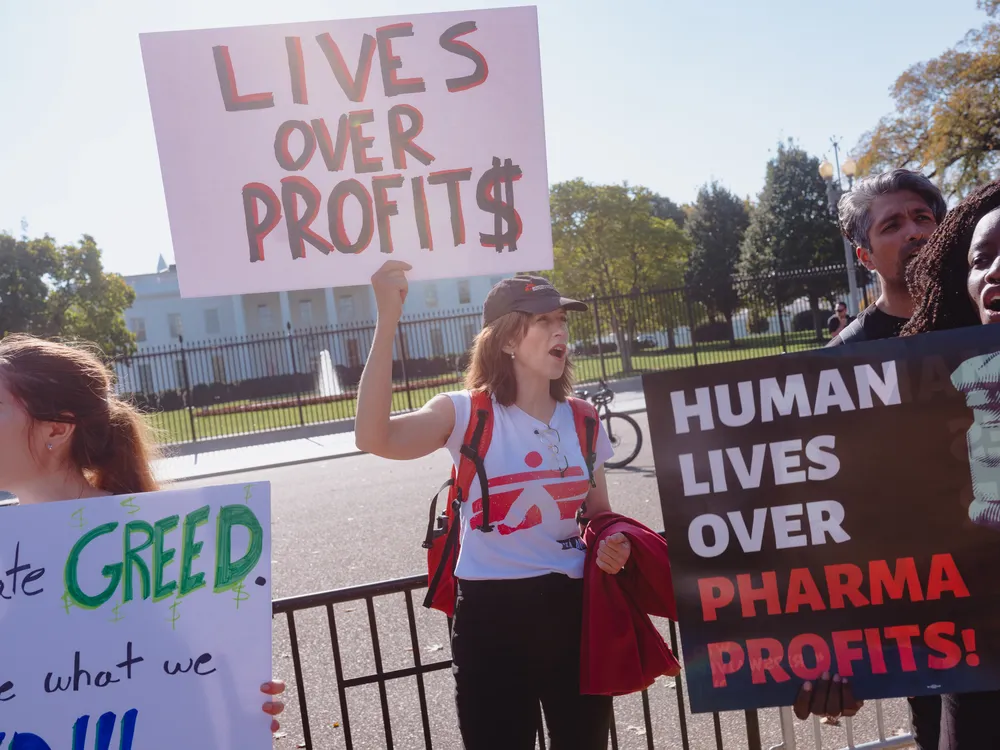
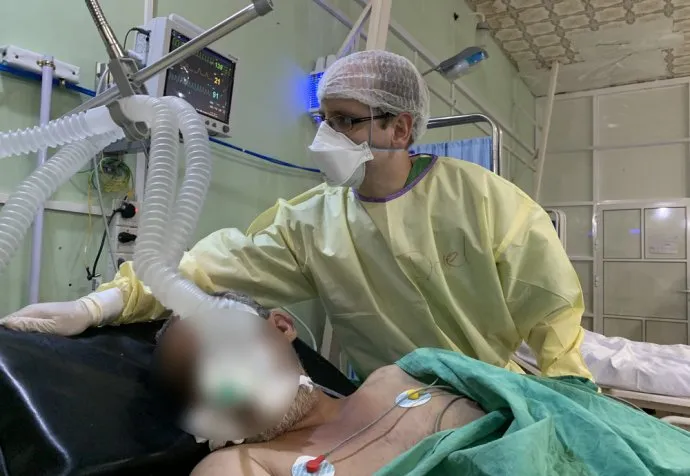
Three reasons to end monopolies on COVID-19 medical tools

One year ago—and seven months into the COVID-19 pandemic—India and South Africa put forward the TRIPS Waiver proposal: a groundbreaking solution to lift intellectual property barriers on and ensure greater equity in access to any vaccines,…
msb109760_medium.jpg

Yemen: A mental health crisis

After more than six years of conflict, the Yemen crisis no longer makes top story headlines. But the war is not over, and the impact on this conflict on the wellbeing on those living in Yemen is extensive. Antonella Pozzi, mental health…
msb107293_medium.jpg

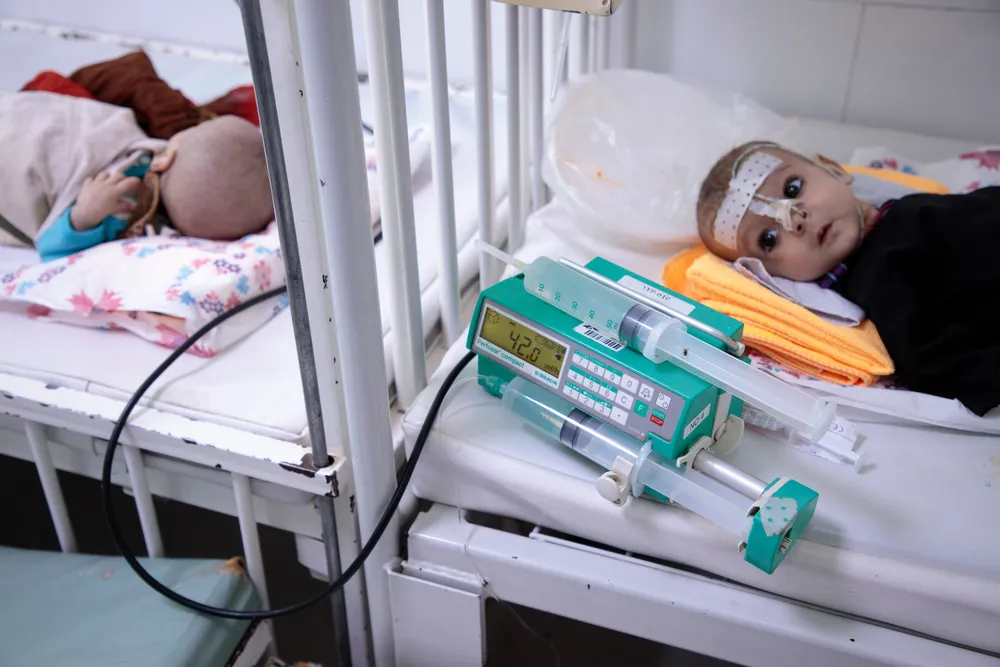
Afghanistan: Healthcare at breaking point

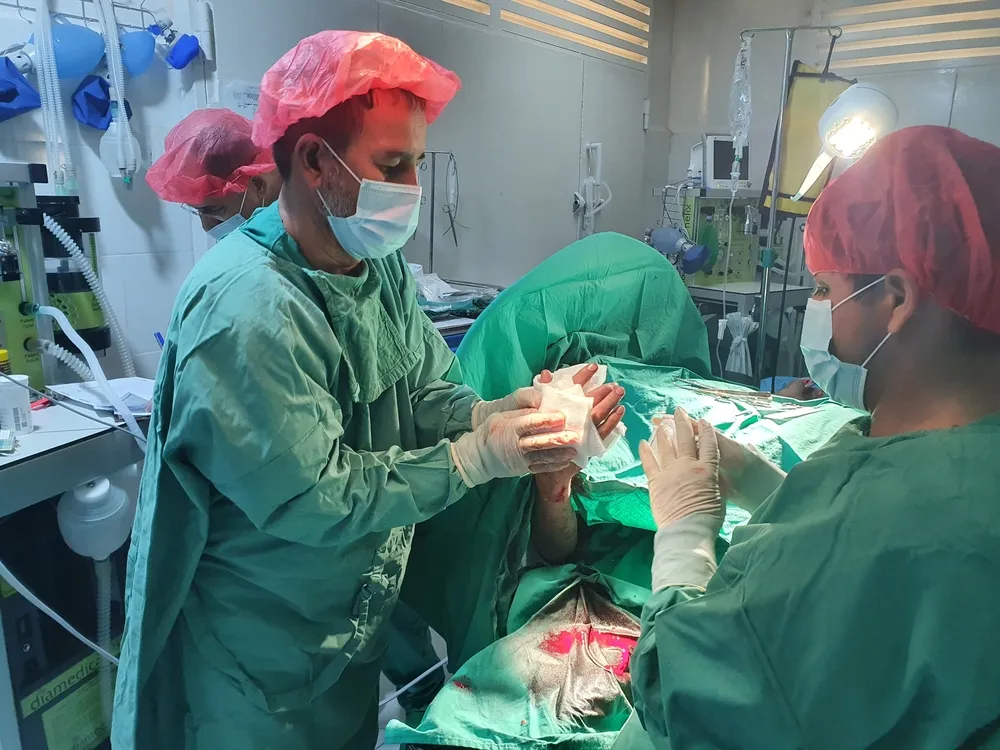
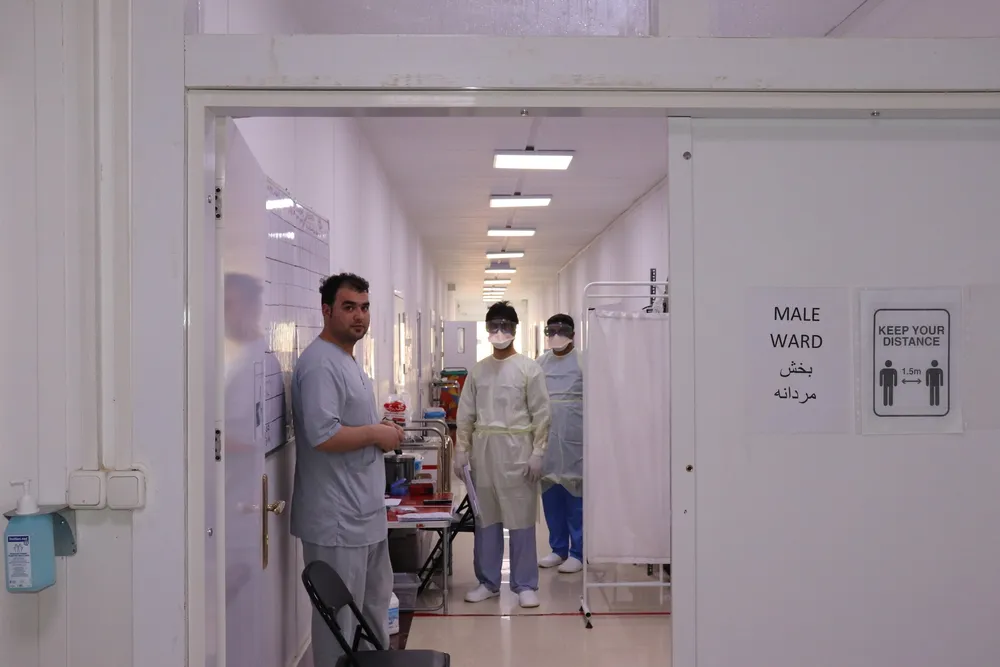
The Afghan healthcare system has been fragile and plagued by major gaps for years now, and the suspension of international aid as a result of the recent political developments has further deteriorated the situation. In Herat, Médecins Sans…
msb91861_medium.jpg

COP26: The climate crisis is a health crisis

Médecins Sans Frontières (MSF) has long responded to some of the world’s worst medical and humanitarian crises. With climate change being described as the biggest global health threat of the 21st century—impacts we have seen first hand…
msf332053_medium.jpg

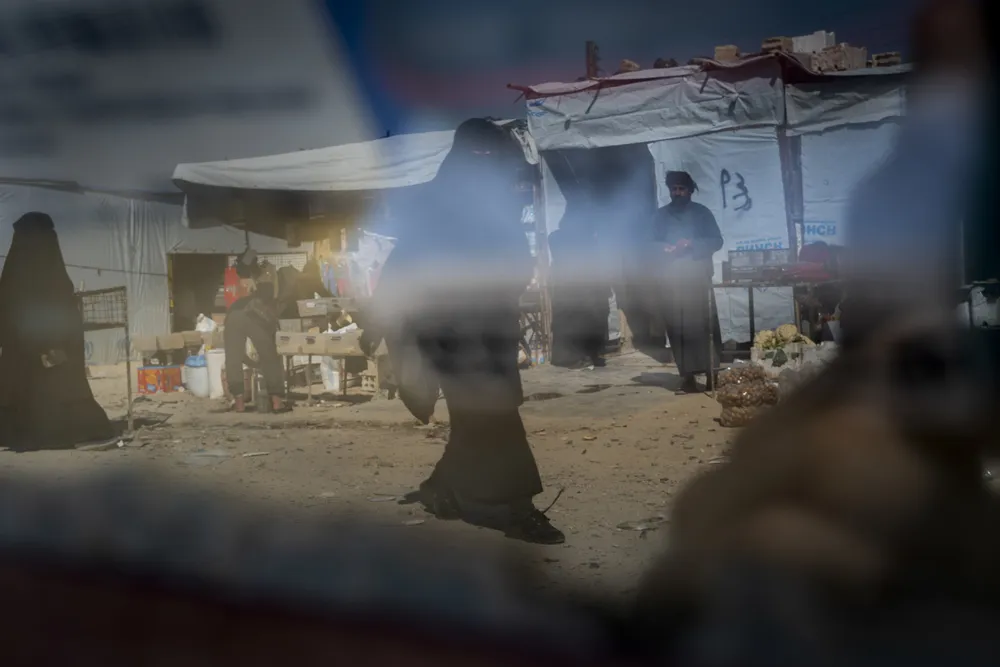
Syria: "Nothing but horror"

The detention camps in northeast Syria are not a safe place for anyone, especially the tens of thousands of children forced to call them home, writes Médecins Sans Frontières (MSF) Nursing Activity Manager Sarah Gnanaseharam.
msb14287_medium.jpg

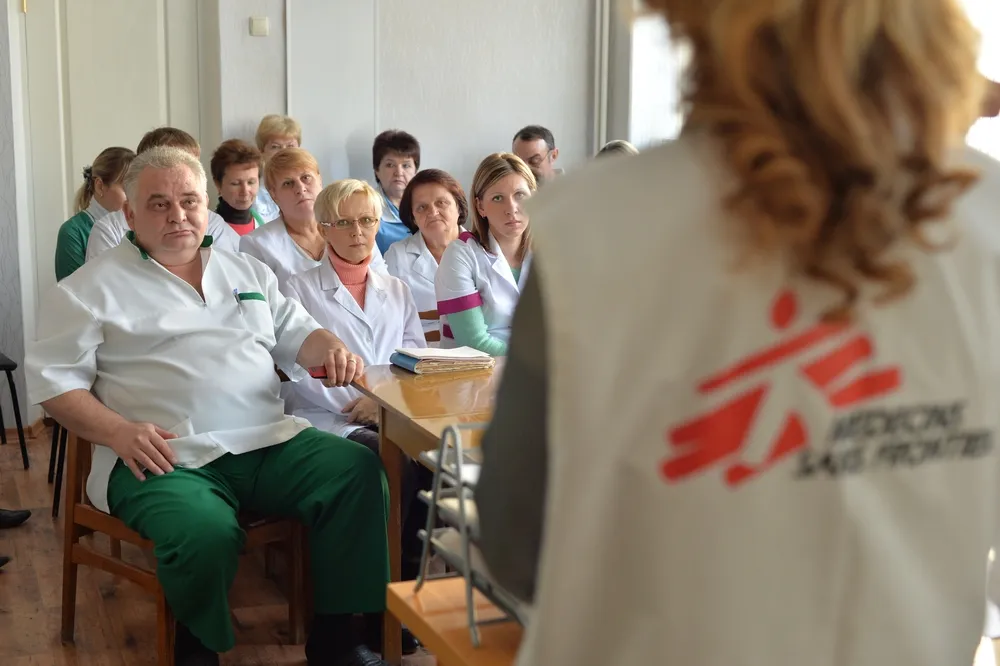
Our approach to mental health care

Over the past decade, Médecins Sans Frontières (MSF) has shifted its approach to mental health care to integrate it more deliberately in all activities. Today, mental health care is at the forefront of our projects from Latin America to…
msb102155_medium.jpg

South Sudan: Flooding puts lives in jeopardy

Heavy rains have caused widespread flooding in South Sudan this year—affecting more than 400,000 people so far, according to United Nations estimates—while the rainy season continues.
msb46945_medium.jpg

Periods in poverty: finding innovative solutions

Access to good menstrual hygiene is key to women’s health and wellbeing. But too often in humanitarian crises, these needs go unmet. Medical coordinator Chiara Domenichini, and midwife and women’s health advisor Elisha Swift share current…
msb94158_medium.jpg

Afghanistan: Making it work

Fighting in the city of Kunduz in north-eastern Afghanistan ended on 8 August. During the clashes, Médecins Sans Frontières (MSF) transformed its office space into a temporary trauma unit to treat the people wounded. That unit is now closed…
msb48622_medium.jpg

Afghanistan: “Treating patients is our responsibility."

After months of fighting on the outskirts of Herat in Afghanistan, the Islamic Emirate of Afghanistan, also known as the Taliban, took control of the city on August 12. MSF is running an inpatient therapeutic feeding centre (IFTC), a clinic…