COVID-19: MSF demands US stop deportations to Latin America and the Caribbean

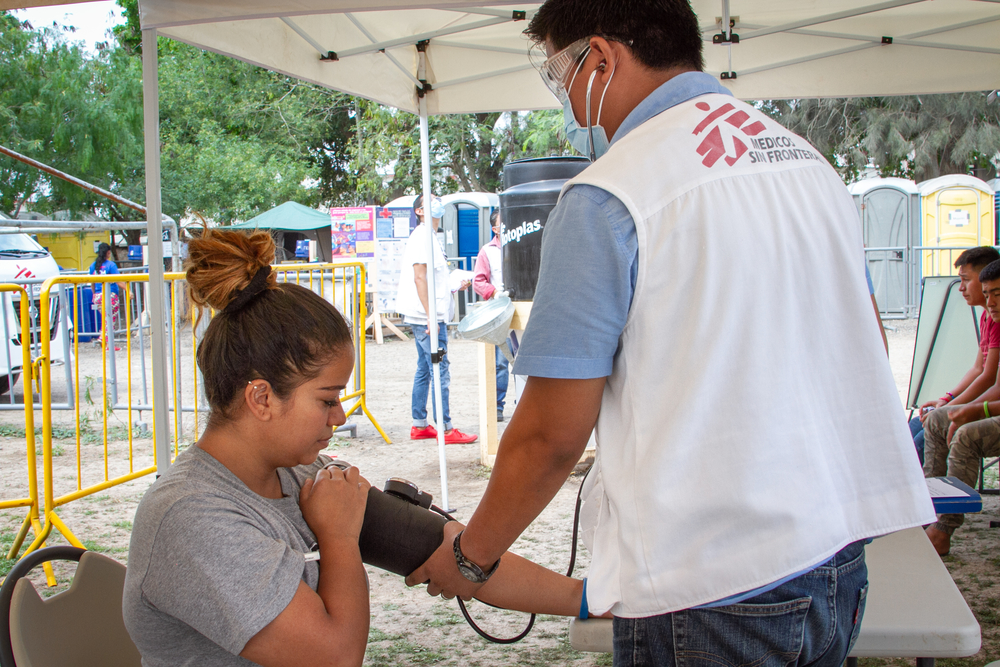
The United States government must suspend all deportations to Latin America and the Caribbean as these actions are moving people from the epicentre of the COVID-19 pandemic to countries with lower rates of transmission and will exacerbate a public health crisis in the region.

COVID-19 in refugee camps: Five challenges in Bangladesh
07 Mar 2020

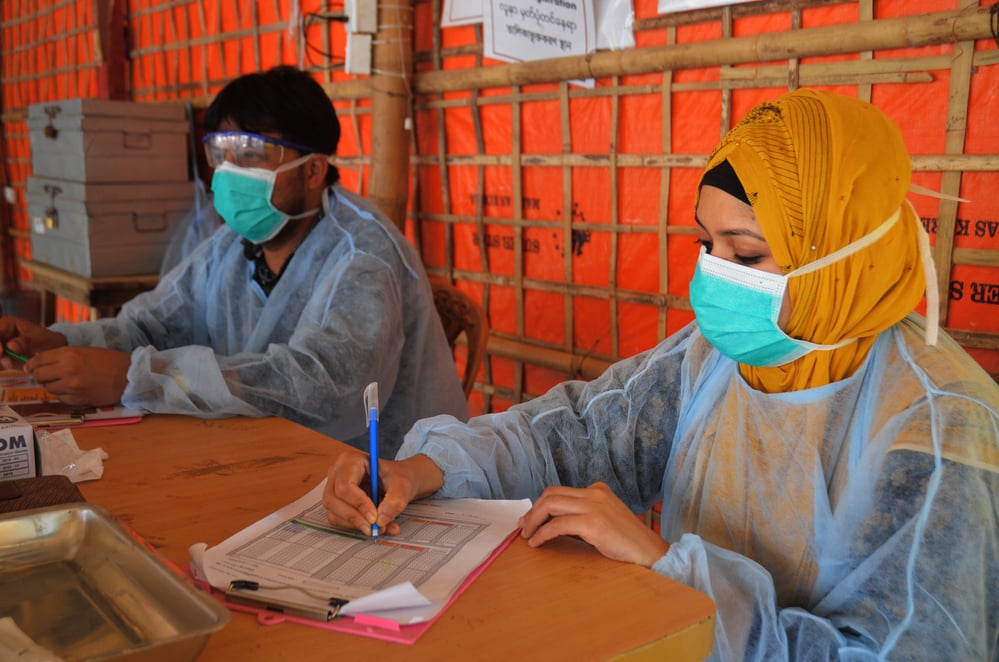
Across Cox´s Bazar, Bangladesh, nearly one million Rohingya refugees live in overcrowded, unsanitary conditions. As COVID-19 spreads through one of the most densely populated countries in the world, there are five key challenges to overcome.

msb

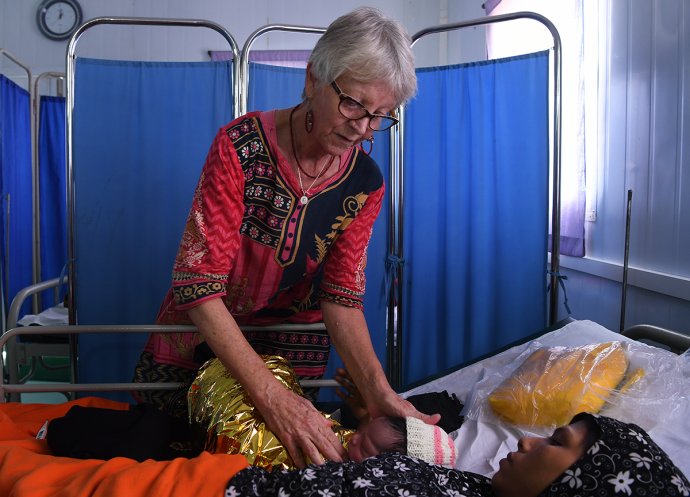
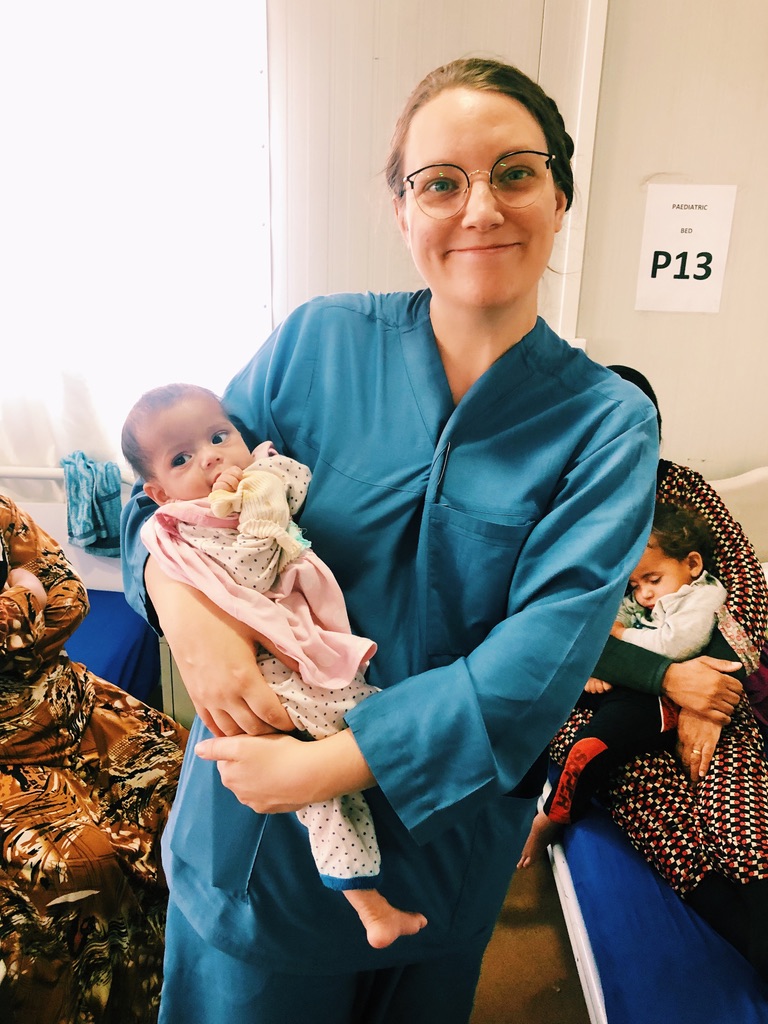
The work of our midwives, ensuring high quality care and continuity of care, is too often unsung. On International Day of the Midwife 2020, we recognise their pivotal role.

04 May 2020

At a time of extreme difficulty for many, our care for vulnerable people is more important than ever.

27 Apr 2020

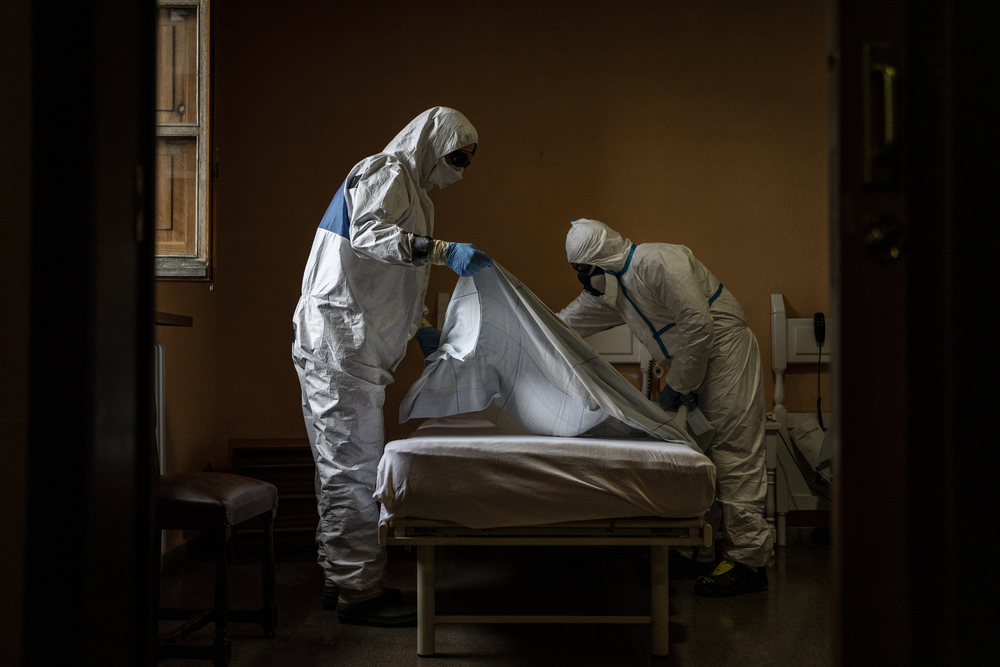
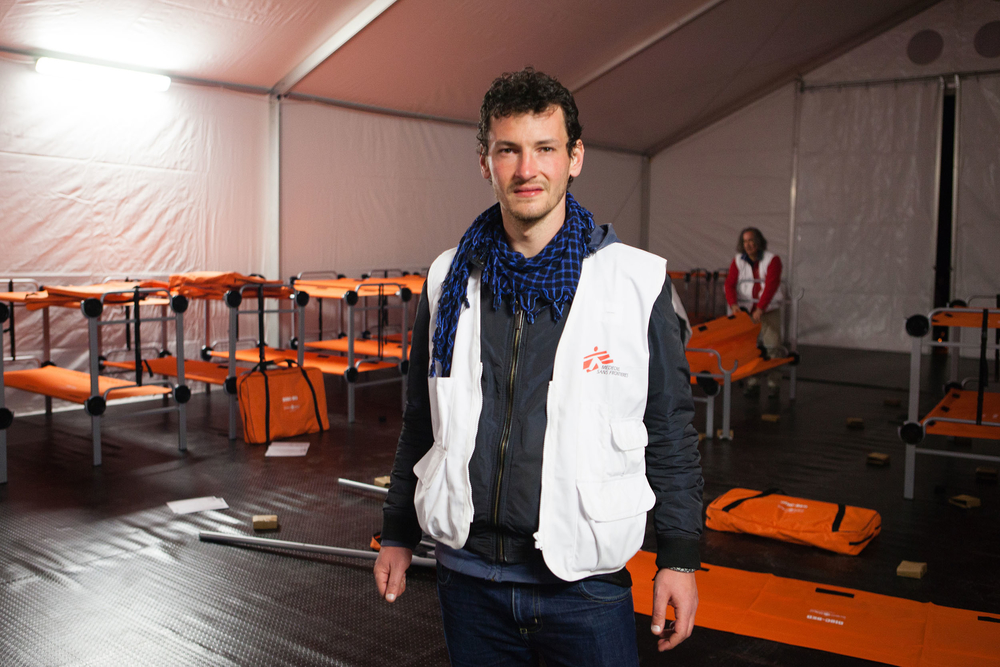
As novel coronavirus (COVID-19) overwhelms some of the world’s most advanced health systems, our teams are adapting our activities to aid those most at risk.

Surviving lockdown: MSF field workers share their tips

New lockdown and social distancing rules imposed to slow the spread of the novel coronavirus, COVID-19, mean Australians and New Zealanders are adjusting to a more restricted life. But many Médecins Sans Frontières field workers have already experienced various forms of confinement as they provide medical humanitarian aid in places affected by insecurity, war or outbreaks of disease.

nablus_hospital_newb
15 Apr 2020
msf311297_medium
14 Apr 2020

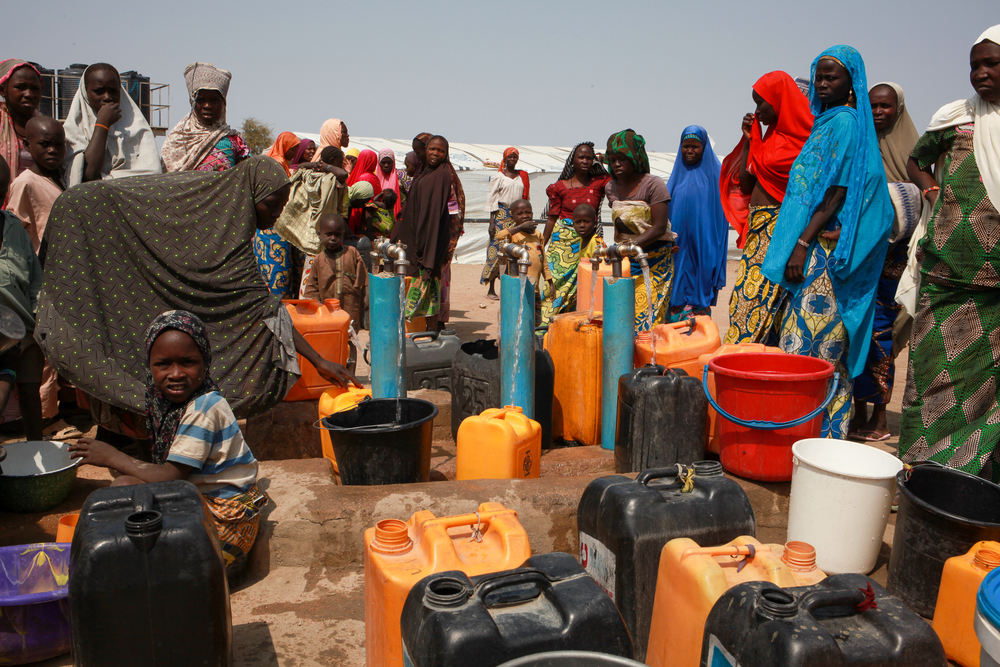
After more than a decade of armed conflict, outbreaks of severe malnutrition, malaria, measles and cholera, approximately 1.5 million internally displaced people (IDPs) in Borno state now face the spectre of COVID-19. Many live in vastly overcrowded camps with poor water and sanitation facilities, limited supplies of hygiene essentials such as soap and water, and often no individual space at all. Functioning health infrastructure in Borno is scarce, and the capacity to refer patients is extremely limited.