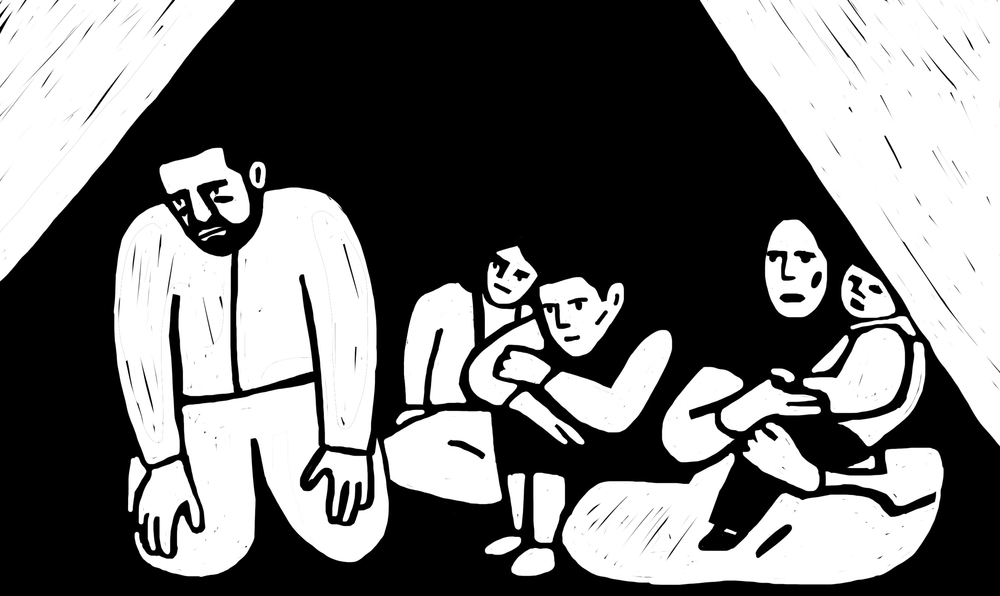
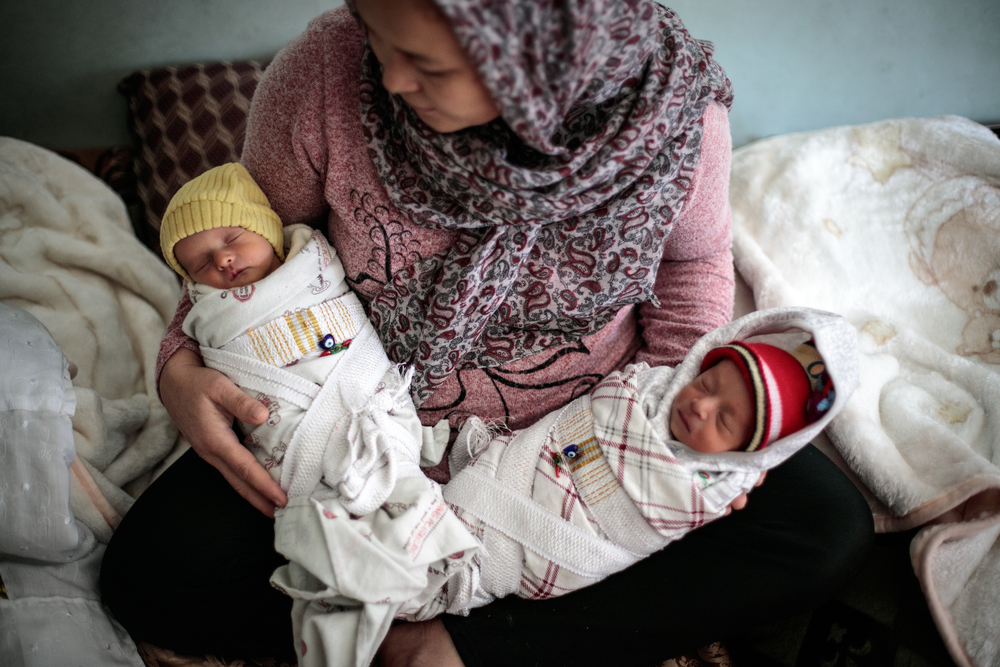
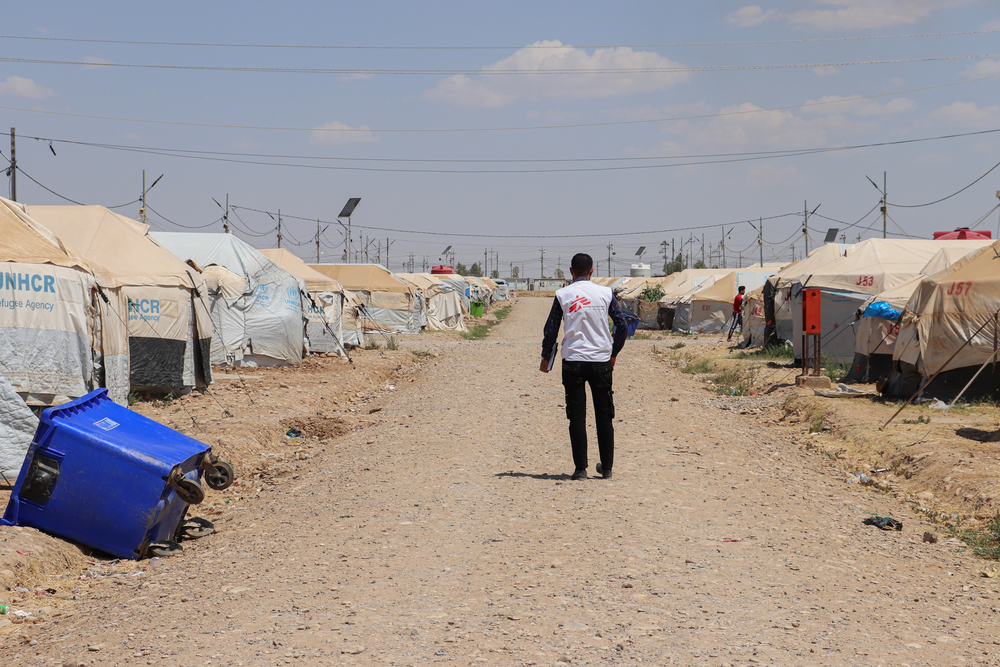
Abu Fadel, Hassan, and Iman are three of the 2.7 million displaced people currently living in Idlib in northwest Syria. Idlib, the last rebel stronghold, has become home to a population of people left shattered and impoverished after nine years of war. Abu Fadel, Hassan and Iman recount similar stories of everyday life in what has become an open-air prison.

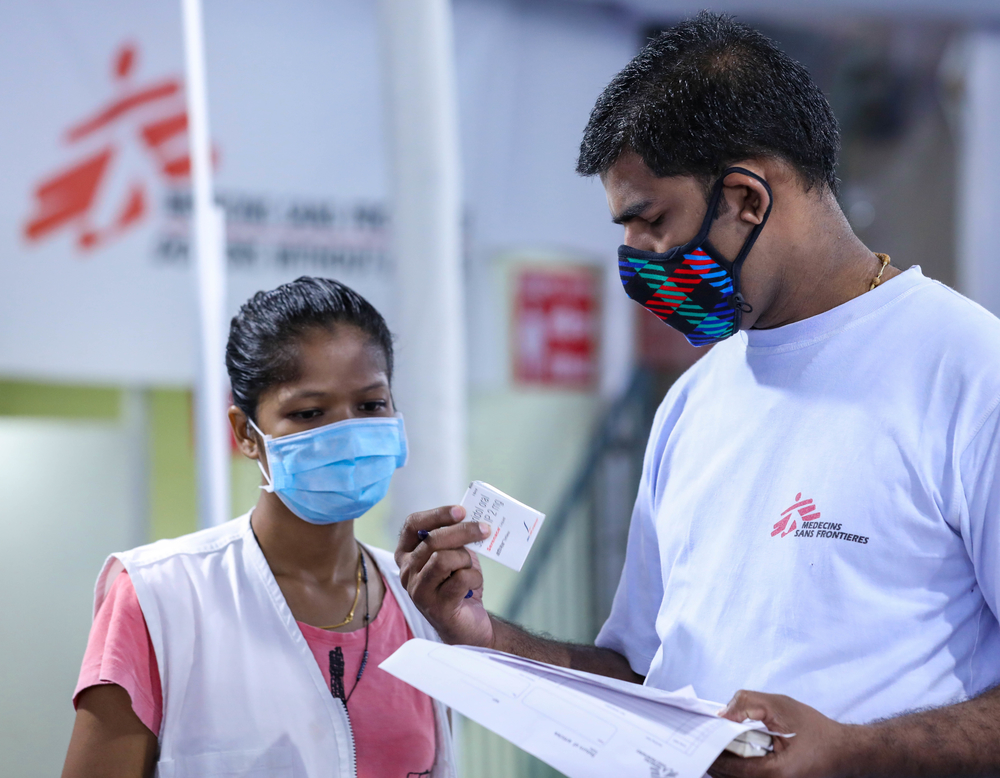
Bihar, one of the poorest states in India, is also one of the most populated. As the number of confirmed coronavirus cases in India continues to rise, Médecins Sans Frontières (MSF) is focused on ensuring everyone has access to treatment, particularly those from marginalised backgrounds in Bihar.
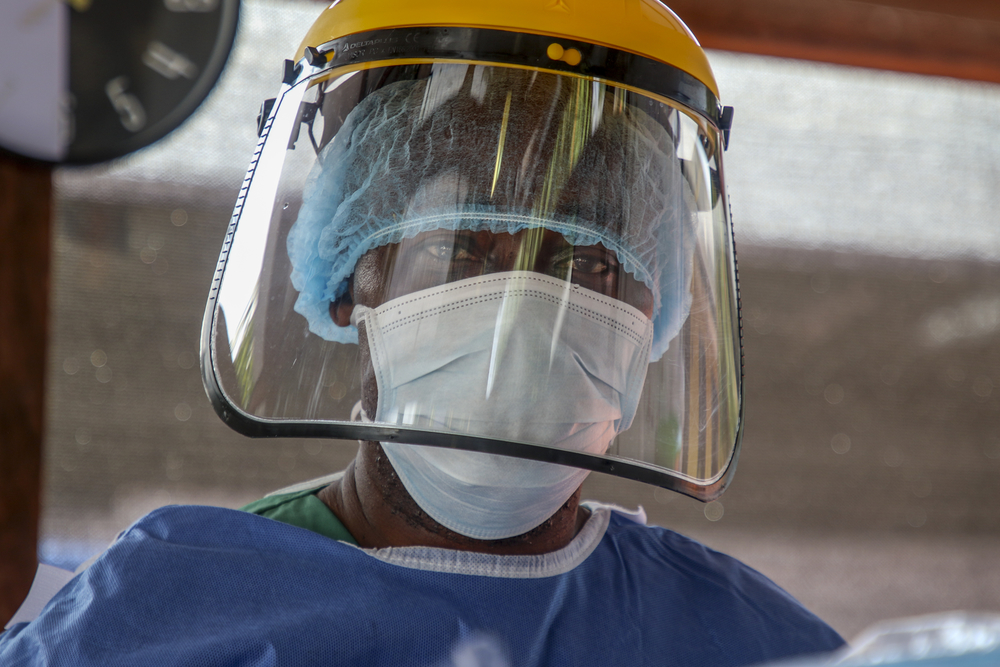
The Democratic Republic of Congo (DRC) has now reported more than 6,000 coronavirus cases. Already struggling to contain two other outbreaks—a severe measles outbreak and the second largest known outbreak of Ebola—the addition of COVID-19 is creating significant strain for the country’s healthcare system.
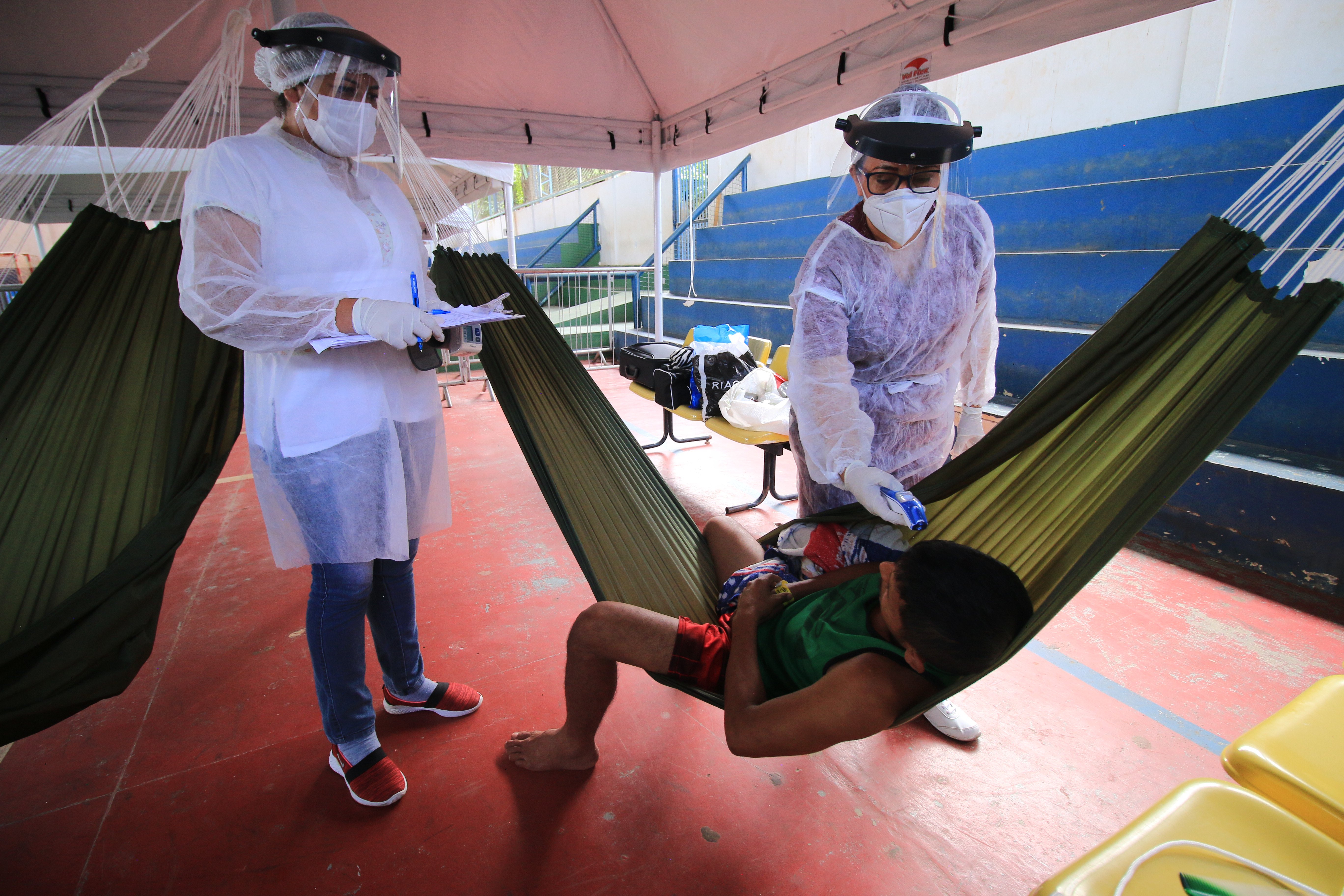
Brazil’s COVID-19 pandemic has spread to its most vulnerable communities—residents of slums, the homeless, and indigenous and minority groups—causing the death toll to skyrocket in a country where leadership still debates the very existence of the virus.
Médecins Sans Frontières (MSF) promotes a working environment free of harassment and abuse. Our leadership has unequivocally committed to reinforce mechanisms and procedures to prevent and address abuse and harassment. All staff are expected to abide by the MSF movement’s Behavioural Commitments and our guiding principles as stipulated in our Charter.
The recent protests against police brutality towards black people in the United States have reverberated around the world and shone a light on the deadly impact of racism globally, including in Australia and New Zealand.
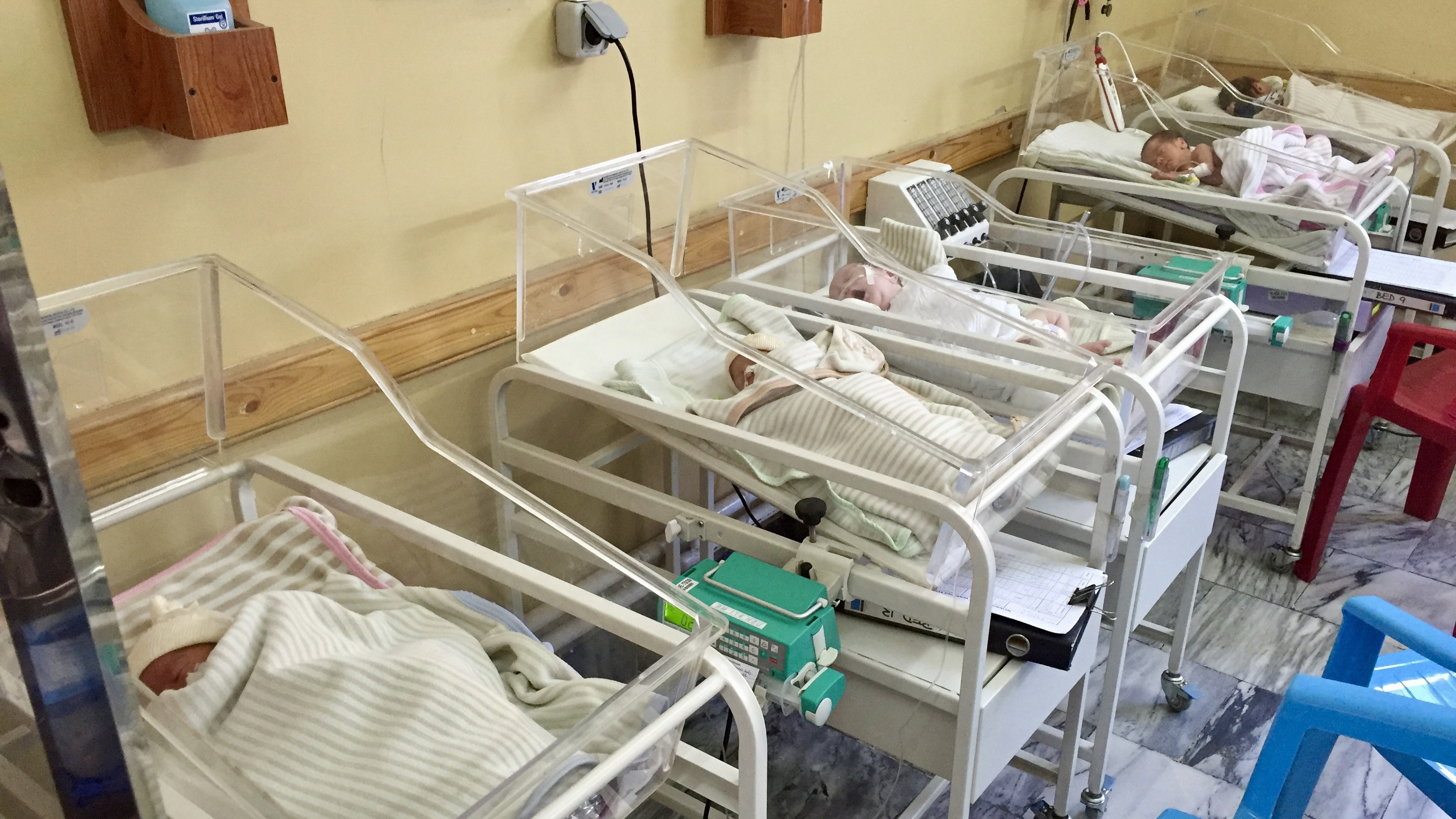
Earlier this week MSF has decided to end activities and withdraw from Dasht-e-Barchi hospital in Kabul, Afghanistan, following the brutal May 12 attack in which 16 women were systematically shot dead in the maternity ward. Among those killed were 15 mothers and an MSF midwife, Maryam Noorzad. The attackers also killed two young children and six other people present at the time of the attack.
How are refugees and other displaced people being impacted by, and enduring, the novel coronavirus (COVID-19), and how is Médecins Sans Frontières/Doctors Without Borders (MSF) responding in these communities?
It has been one month since the attack on the maternity wing in Dasht-e-Barchi Hospital. Here, Melbourne-based Dr Katherine Franklin reflects on how the tragic event conflicts with memories of her time working in the project in 2016.