msb45363high.jpg
16 Dec 2021

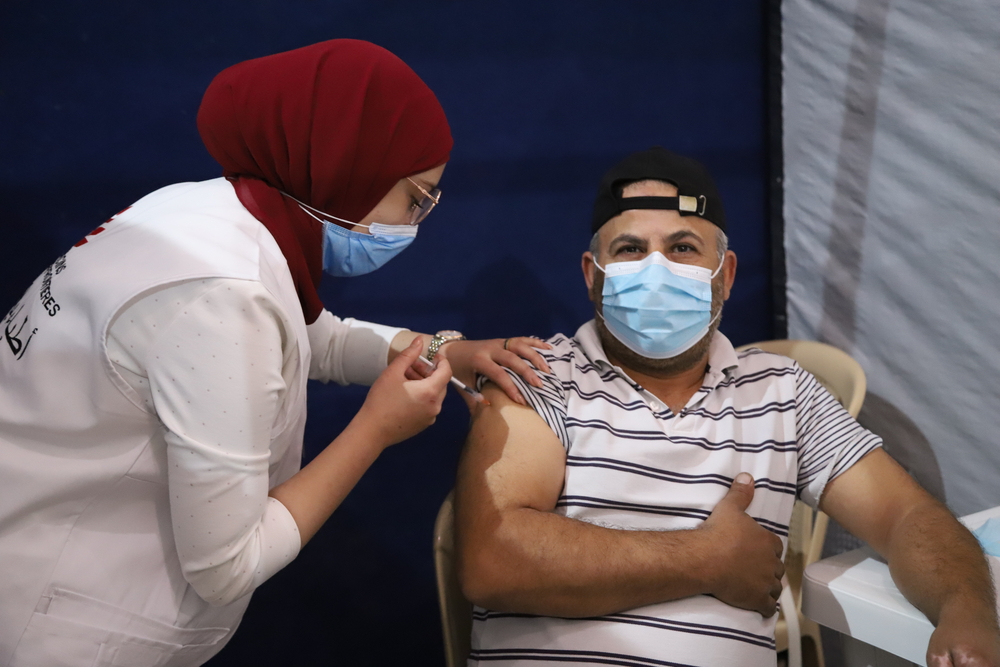
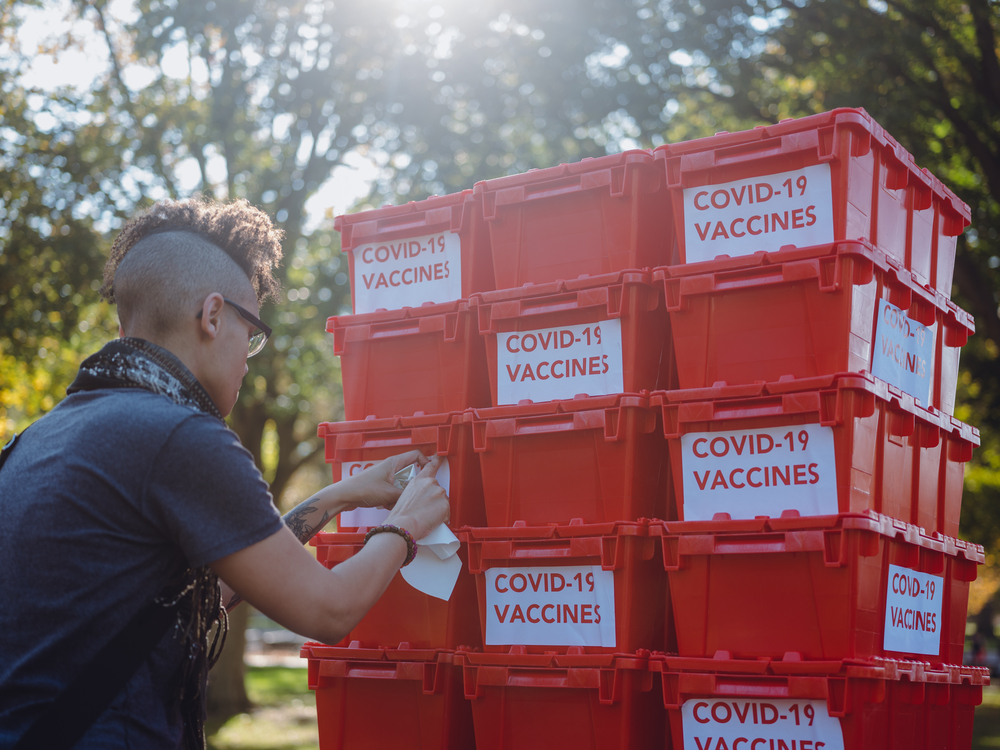
In 2021, the COVID-19 pandemic continued unabated around the world, as did the work our teams undertook to respond to it. But the pandemic took a backseat in many countries, as other crises and needs overtook the concerns of the people we assist.

msb97662high.jpg

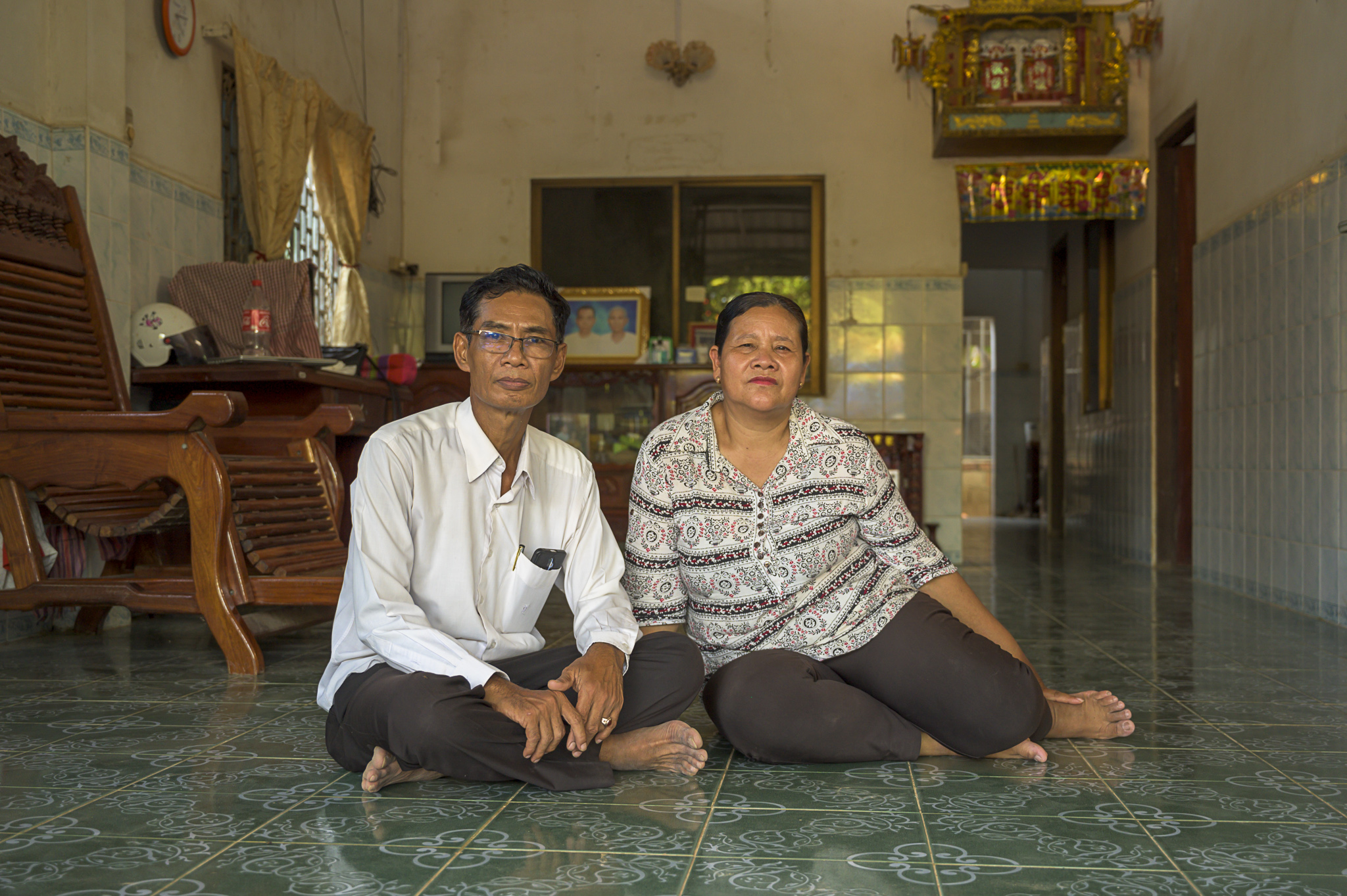
Yoeuth Yoeun fled the Khmer Rouge in Cambodia in the late 1970s. In a refugee camp in Thailand she worked with Médecins Sans Frontières—where she caught the eye of fellow Cambodian, pharmacist Chamroeun Ros.

msb12473_medium.jpg

Psychologist Malcolm Hugo is one of Médecins Sans Frontières (MSF) Australia’s most experienced field workers. He has completed more than 20 field assignments, including responding to some of the key humanitarian crises of recent times.

msb12473_medium.jpg

Psychologist Malcolm Hugo is one of Médecins Sans Frontières (MSF) Australia’s most experienced field workers. He has completed more than 20 field assignments, including responding to some of the key humanitarian crises of recent times.

08 Dec 2021

The uneven progression of the COVID-19 pandemic and the unequal access to vaccines and treatments calls for locally tailored approaches.

Isabelle Defourny, Director of Operations for Medecins Sans Frontieres (MSF), discusses the 'one-size-fits-all' approach to COVID-19 vaccination advocated for by the UN, and the urgent need for vaccines in low income countries.

08 Dec 2021

The uneven progression of the COVID-19 pandemic and the unequal access to vaccines and treatments calls for locally tailored approaches.

Isabelle Defourny, Director of Operations for Medecins Sans Frontieres (MSF), discusses the 'one-size-fits-all' approach to COVID-19 vaccination advocated for by the UN, and the urgent need for vaccines in low income countries.

msb110512_medium.jpg
29 Nov 2021

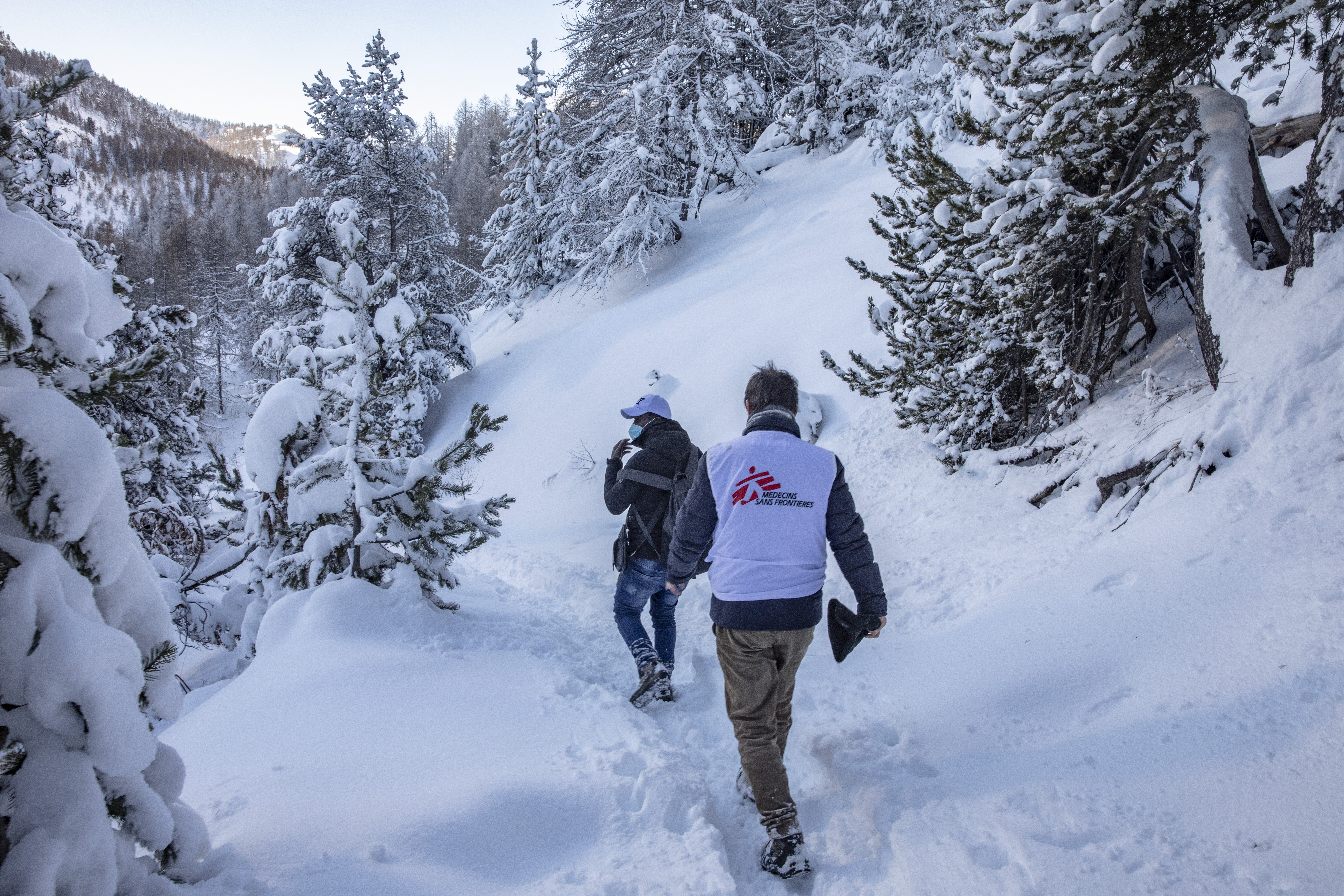
The World Health Organization’s declaration of Omicron as a “variant of concern” shows how critical it is to lift global COVID-19 vaccination rates. With the COVID-19 pandemic showing no signs of abating, prioritising access to COVID-19 medical tools for everyone, everywhere is essential.

Low vaccination rates increase the likelihood of new variants, such as Omicron, appearing. If we vaccinate the world more quickly, the chance of mutations drops.

msb110512_medium.jpg
29 Nov 2021

The World Health Organization’s declaration of Omicron as a “variant of concern” shows how critical it is to lift global COVID-19 vaccination rates. With the COVID-19 pandemic showing no signs of abating, prioritising access to COVID-19 medical tools for everyone, everywhere is essential.

Low vaccination rates increase the likelihood of new variants, such as Omicron, appearing. If we vaccinate the world more quickly, the chance of mutations drops.
msb110411_medium.jpg
24 Nov 2021

Malaria continues to be a major health problem in South Sudan, with the ongoing humanitarian crisis impacting the severity of the outbreaks. With those under five years of age most at risk, Médecins Sans Frontières (MSF) has launched a seasonal malaria chemoprevention program in Aweil to prevent infection and serious illness among children.