msf332703_medium.jpg
17 Feb 2021

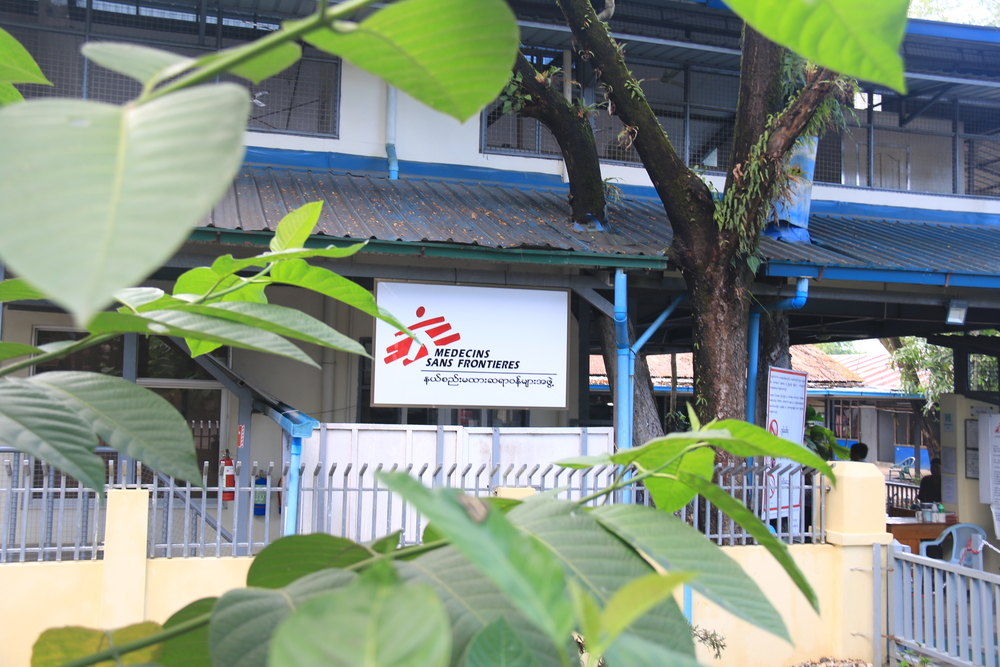
On 1 February 2021, Myanmar’s military staged a coup and took control of the country, once again plunging it into military rule. The military has declared a year-long state of emergency citing the failure of the civilian government to address election irregularities, and has detained key political figures and a number of journalists and political activists. 

Our medical programs are currently still running, but staff movements have been restricted and the situation remains fragile. Our statement below has been prepared by Benoit de Gryse, MSF Operational Manager for Myanmar.

msb50694_medium.jpg
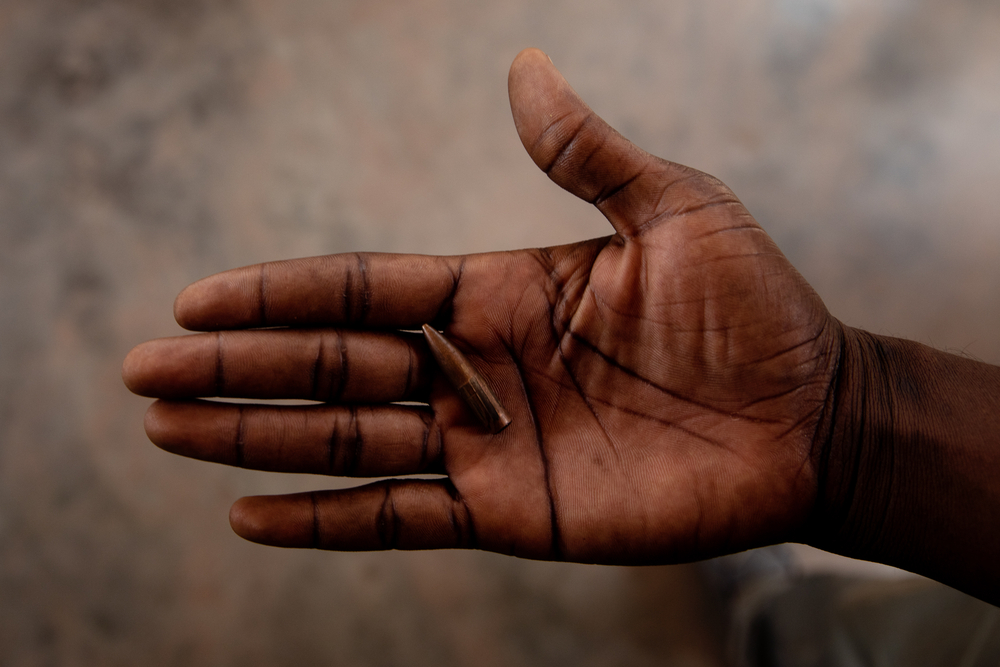
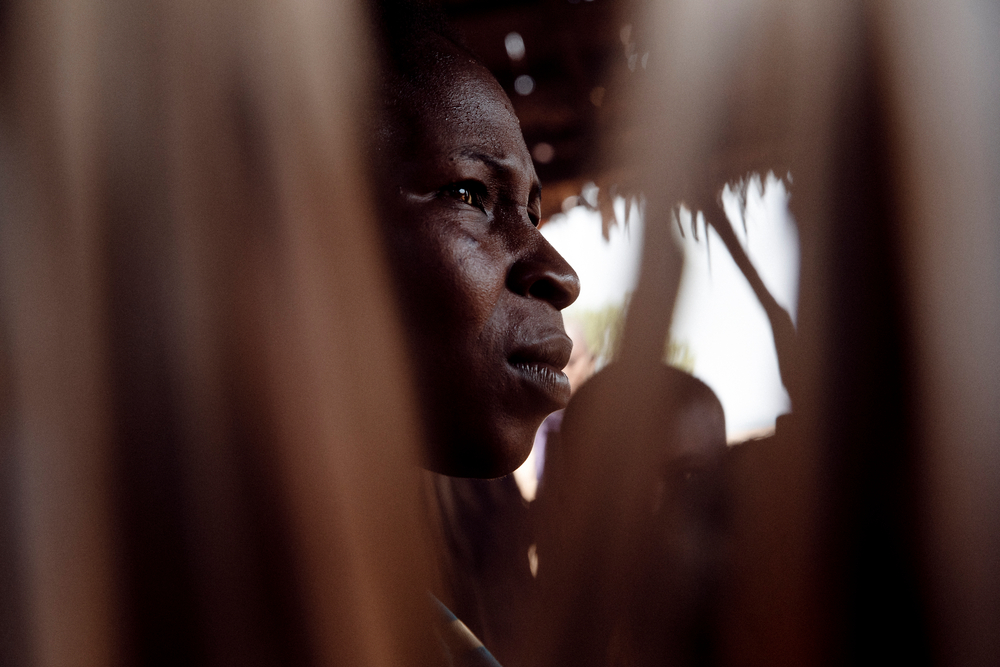
After numerous offensives across the country, fighting took place on the outskirts of the capital, Bangui, on 13 January 2021. 31 year-old France Beldo was shot and wounded—she was taken to SICA Hospital, a surgical trauma facility run by Médecins Sans Frontières (MSF). This is her story, as told through photos.
msf332316_medium.jpg
02 Feb 2021

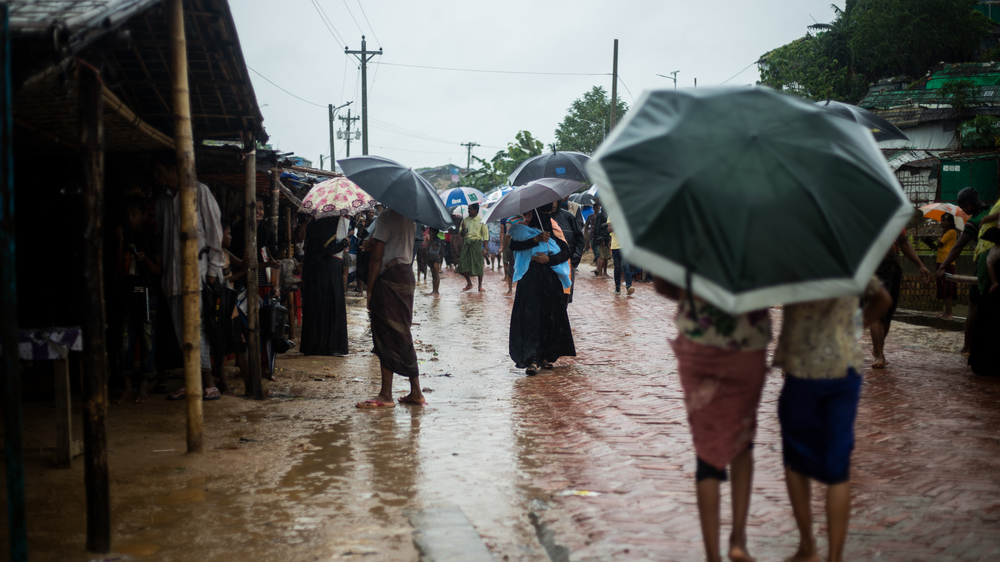
Living in overcrowded camps for years on end, without legal status in Bangladesh, was already very distressing for the Rohingya refugees in Cox’s Bazar. The COVID-19 pandemic has only brought greater restrictions, and stress, to the refugees caught in limbo.  

msb43760_medium.jpg
In violence linked to the recent elections, the security and humanitarian situation is deteriorating rapidly in Central African Republic as clashes escalate between coalition armed groups and government forces supported by foreign troops.
 
msb38380_medium.jpg

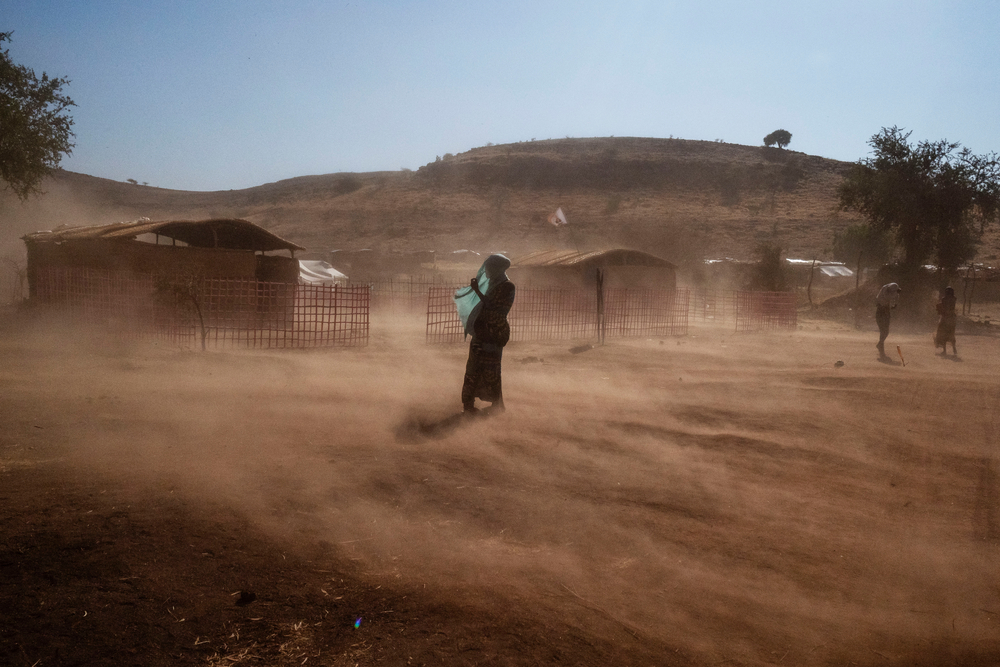
Since fighting first erupted in northern Ethiopia in early November, hundreds of thousands of people have been displaced from their homes. Some 50,000 people have crossed the border into Sudan as refugees, leaving border towns struggling to provide adequate food and shelter for those fleeing the violence. 

MSF teams in the region are providing essential medical care and support to refugees as they cross into Sudan. Australian nurse Kiera Sargeant, former MSF medical coordinator in Sudan, discusses the urgent needs and our current responses to the crisis. 

msb37447_medium.jpg
13 Jan 2021

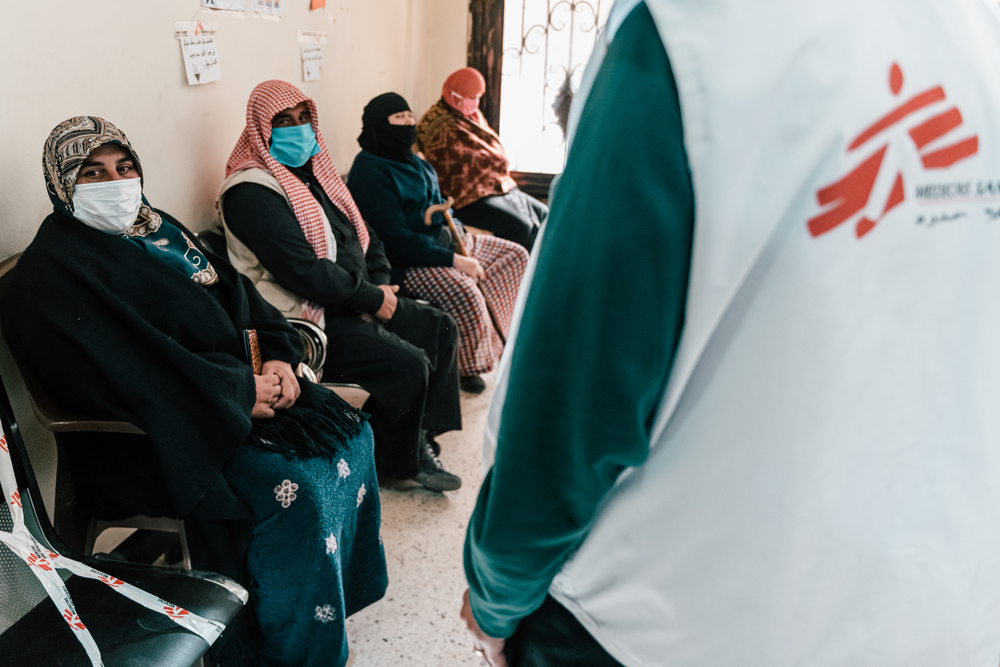
Since late 2019, Lebanon has been grappling with its worst economic crisis in decades, along with significant social unrest and political turmoil. In addition to the arrival of the COVID-19 pandemic at the start of 2020, a major explosion tore through the capital, Beirut, in August, causing widespread devastation.

The country is already hosting the largest number of refugees per capita in the world. The overlapping crises in Lebanon have exacerbated people’s vulnerability and pushed thousands into poverty. 

07 Jan 2021

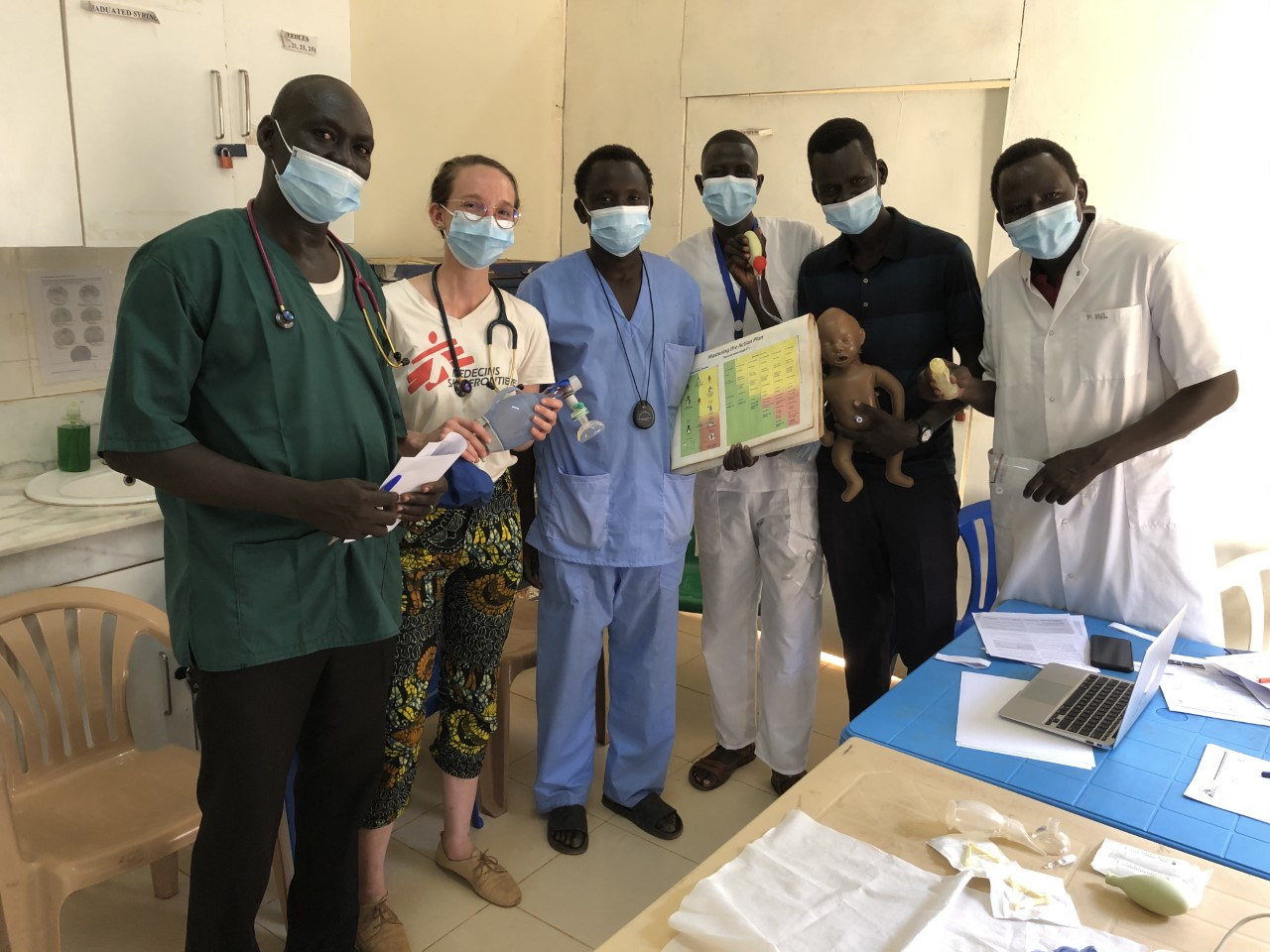
In this third and final part of her blog series from Aweil, South Sudan, Dr Madeleine Finney-Brown describes an unforgettable day in the paediatric Intensive Care Unit. 

msb39237_medium.jpg

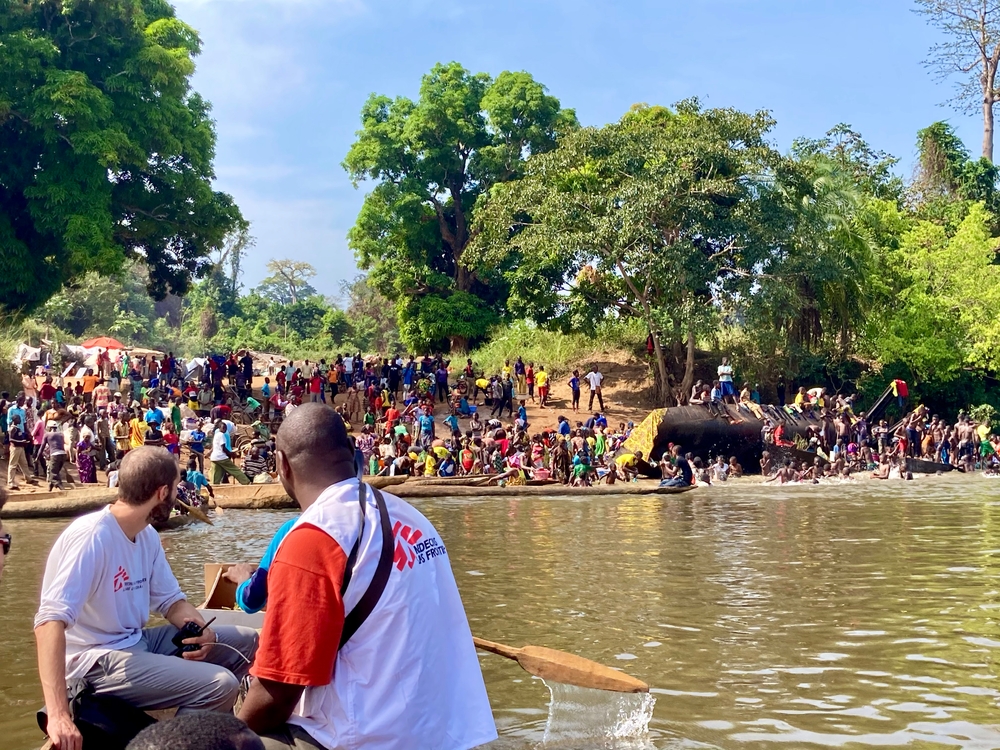
On Sunday January 3, the coalition of non-state armed groups attacked and took control of Bangassou, a town in the southeast of the Central African Republic on the border with the Democratic Republic of the Congo.

Médecins Sans Frontières (MSF) teams transported and urgently treated some of the wounded at the Bangassou Regional University Hospital (HRUB), a health structure that we have supported since 2014.

msf309230_medium.jpg

While the COVID-19 pandemic dominated headlines in 2020, there was no end to other diseases, emergencies and crises affecting people globally.  
  
Médecins Sans Frontières/Doctors Without Borders (MSF) continued to work alongside health authorities and communities in more than 70 countries. 
  
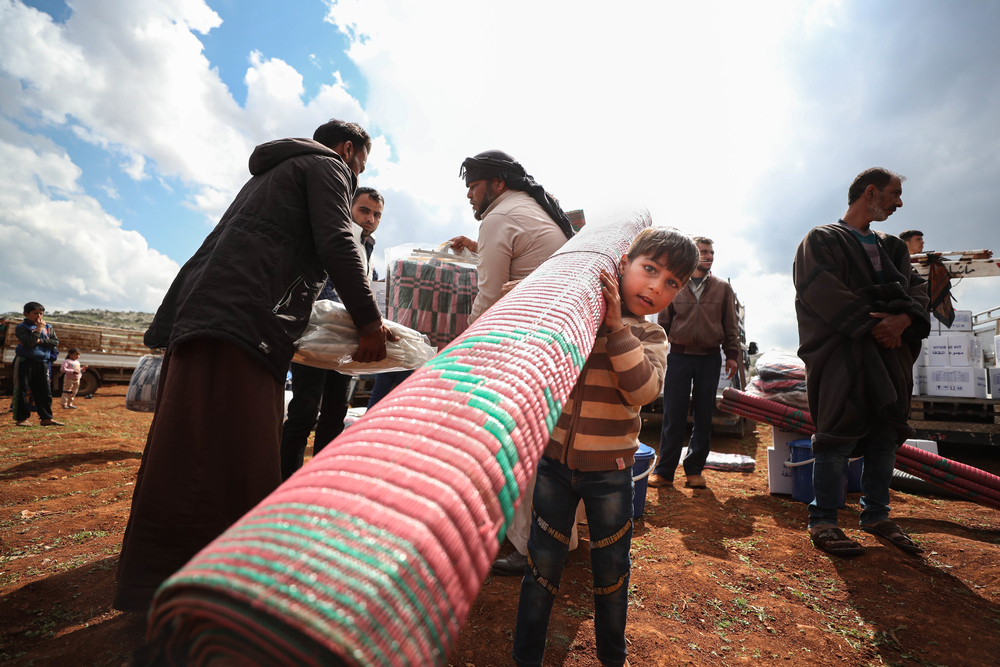
From assisting Syrians displaced by conflict to continuing essential sexual and reproductive health services for women and girls, these are ten of our biggest responses outside of COVID-19 in 2020. 

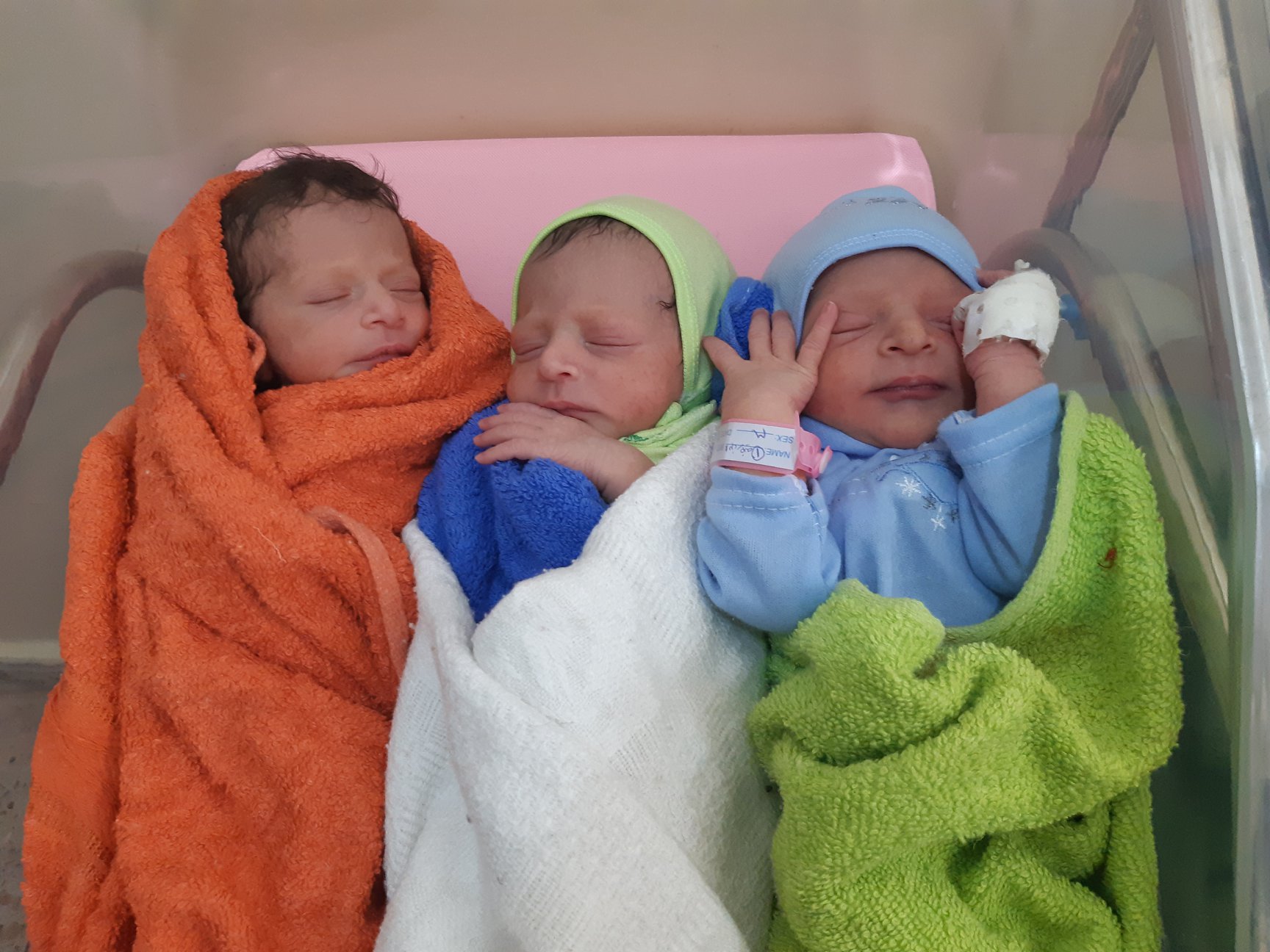
triplets.jpg

In 2020, Médecins Sans Frontières/Doctors Without Borders (MSF) provided medical care for people in more than 70 countries. From responding to disease epidemics to providing healthcare in conflict zones, here are some of the most memorable stories from our patients over the last year.