Surviving lockdown: MSF field workers share their tips

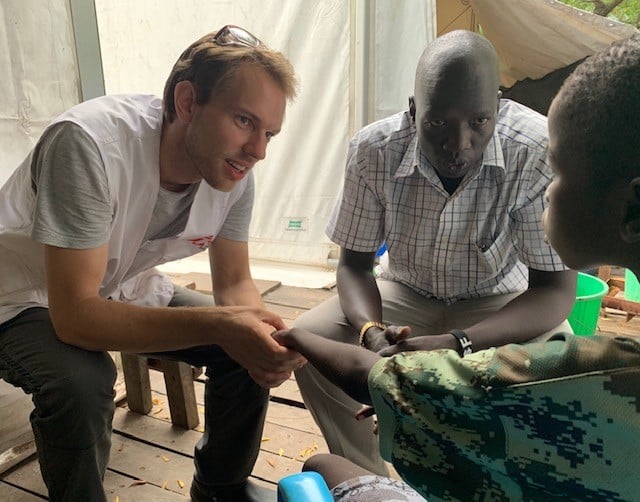
New lockdown and social distancing rules imposed to slow the spread of the novel coronavirus, COVID-19, mean Australians and New Zealanders are adjusting to a more restricted life. But many Médecins Sans Frontières field workers have already experienced various forms of confinement as they provide medical humanitarian aid in places affected by insecurity, war or outbreaks of disease.

nablus_hospital_newb
15 Apr 2020
msf311297_medium
14 Apr 2020

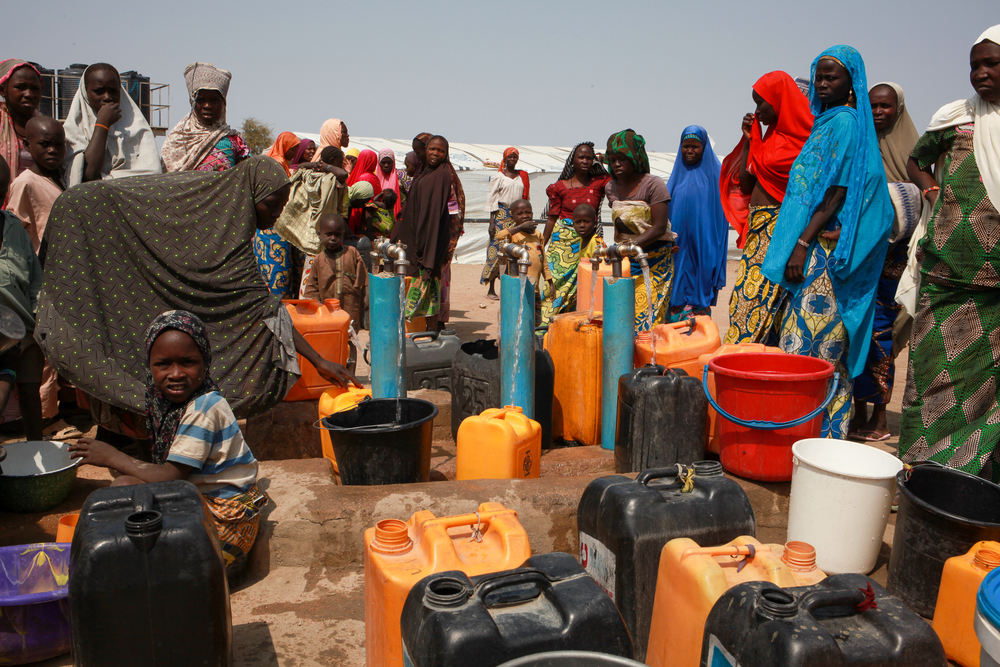
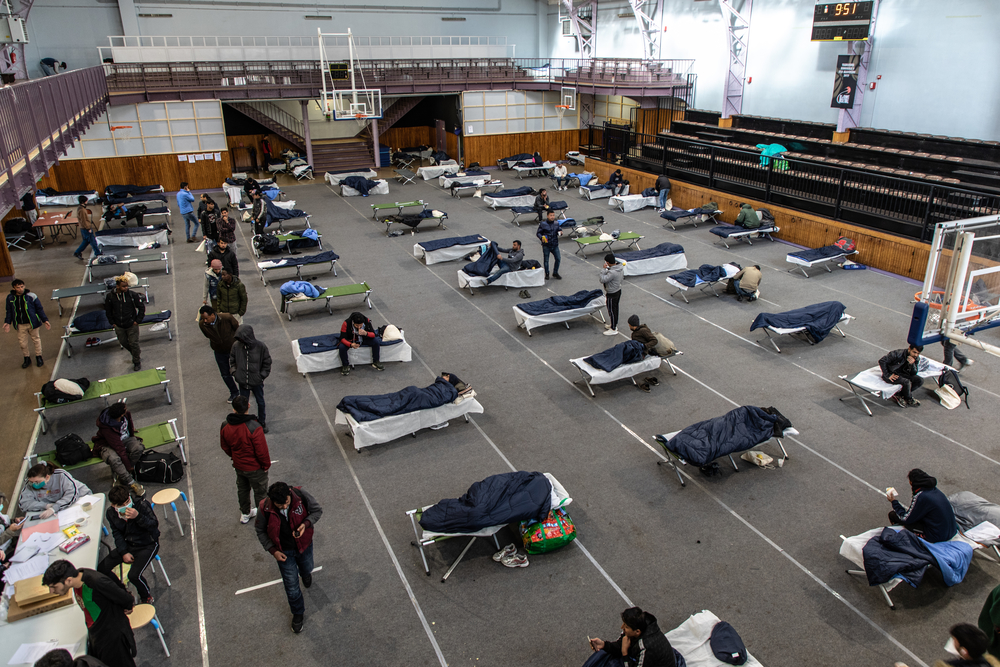
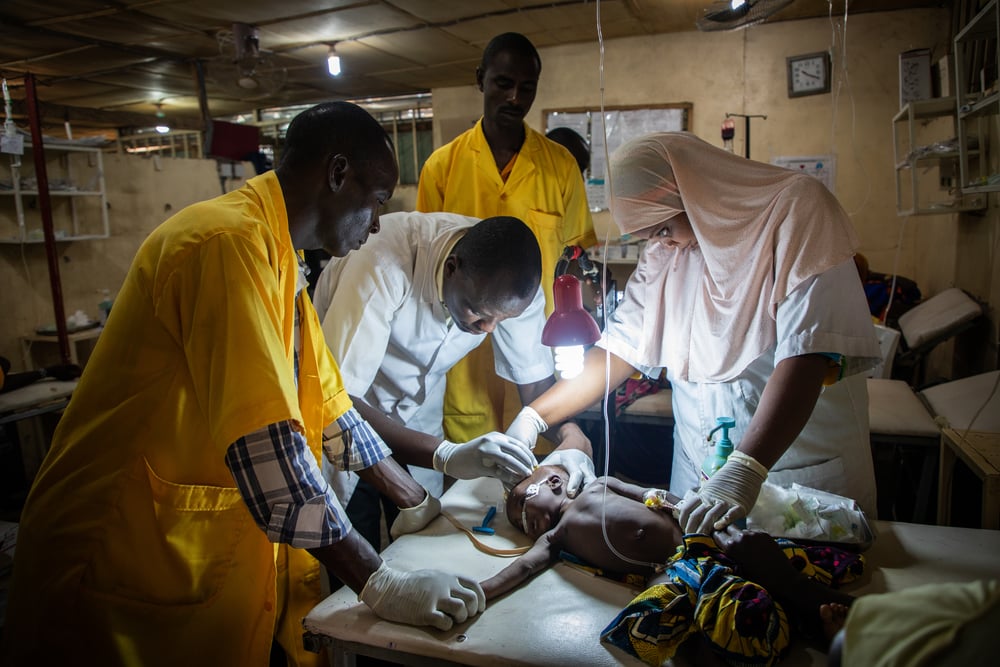
After more than a decade of armed conflict, outbreaks of severe malnutrition, malaria, measles and cholera, approximately 1.5 million internally displaced people (IDPs) in Borno state now face the spectre of COVID-19. Many live in vastly overcrowded camps with poor water and sanitation facilities, limited supplies of hygiene essentials such as soap and water, and often no individual space at all. Functioning health infrastructure in Borno is scarce, and the capacity to refer patients is extremely limited. 

6 ways MSF is responding to the coronavirus (COVID-19) crisis
01 Apr 2020

Médecins Sans Frontières (MSF) is one of the largest medical-humanitarian organisations in the world, with operations in more than 70 countries. With our long history of responding to disease outbreaks and epidemics, we are in a unique position to help respond to the coronavirus disease (COVID-19) pandemic that is sweeping the globe.


msf310210_medi
01 Apr 2020

Doctors Without Borders/Médecins Sans Frontières (MSF) calls for no patents or profiteering on drugs, tests, or vaccines used for the COVID-19 pandemic, and for governments to prepare to suspend and override patents and take other measures, such as price controls, to ensure availability, reduce prices and save more lives.

msf308959_medium
01 Apr 2020
msf244491_medium

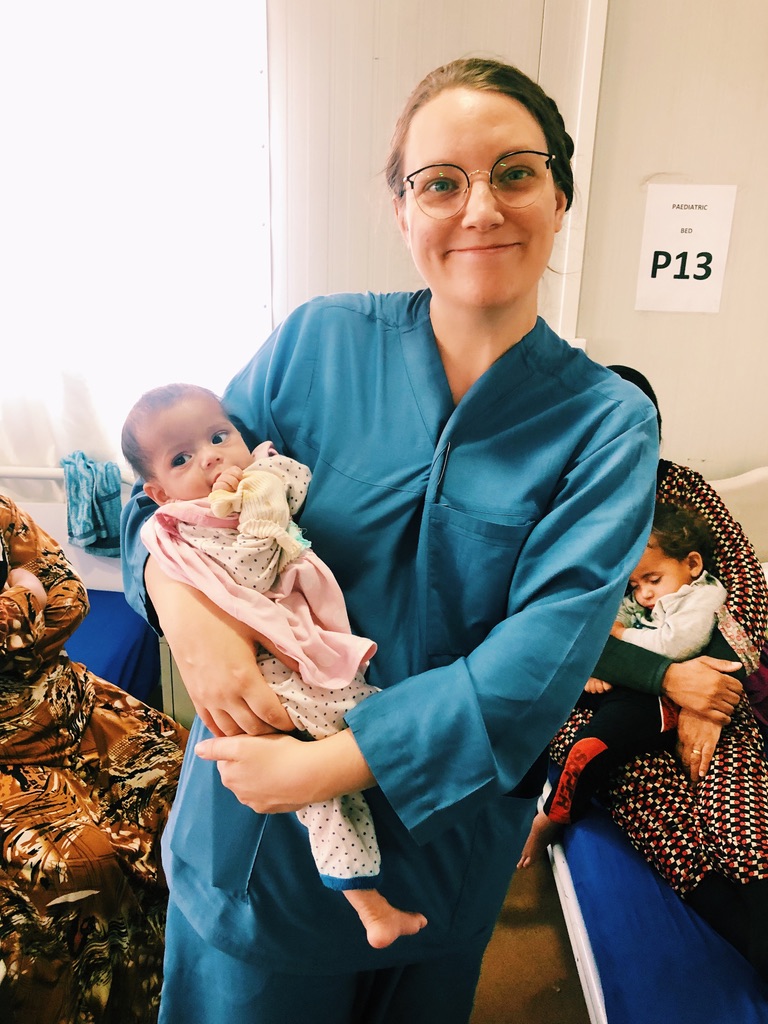
As the coronavirus (Covid-19) pandemic is unfolding, our teams are working in more than 70 countries around the world, providing urgent medical care for people fleeing violence, mothers giving birth and children needing treatment for measles or malnutrition. From the conflict in Syria to the continued displacement of Rohingya refugees in Bangladesh, these are some of the crises we must not forget in the time of Covid-19.